REVIEW · JACKSON
Grand Teton Wildlife Safari in a Enclosed or Open-Air Vehicle (season dependent)
Book on Viator →Operated by BrushBuck Wildlife Tours · Bookable on Viator
Grand Teton wildlife looks different at first light. This small-group safari rides you through the park at dawn or dusk in a custom open-air or enclosed vehicle, then slows down for photo-worthy stops like Mormon Row. The whole point is simple: get you in the right spots when animals are most active, without you having to guess.
I especially love the binoculars and spotting support, which help you turn distant movement into real sightings. I also like that your guide mixes wildlife searching with clear talk about the park’s ecology and geology, not just animal spotting.
The main drawback to plan around is that wildlife isn’t guaranteed, and winter or open-air summer rides can get cold or windy. If you’re not into weather surprises, pack accordingly and keep your expectations flexible.
In This Review
- Key takeaways before you go
- Grand Teton at dawn or dusk: why this safari works
- Open-air vs enclosed: the ride comfort plan by season
- How your guide finds wildlife without making it feel random
- Stop-by-stop: from Grand Teton wildlife searching to photo time
- Stop 1: Grand Teton National Park spotting and science talk
- Stop 2: Mormon Row Historic District (when snow allows)
- Stop 3: T.A. Moulton Barn or John Moulton Barn
- Snacks, binoculars, and small touches that add up
- Price and value: is $159 worth it?
- What it feels like on the day: timing, views, and expectations
- Best fit: who should book this safari
- Should you book the Grand Teton Wildlife Safari?
- FAQ
- When do tours run, and how does the vehicle change?
- Is wildlife guaranteed?
- What animals and birds might I see?
- Are binoculars included?
- Do you stop at Mormon Row?
- Do you visit the T.A. Moulton Barn?
- Is hotel pickup included?
- What should I wear?
- Are there any age limits or rules for service animals?
Key takeaways before you go
- Dawn or dusk timing: you’re hunting when wolves, moose, and elk are most likely to be moving
- Small group size: up to 12 people, so stops and viewing time actually work
- Binoculars plus scope: you can see more than you would from the road alone
- Seasonal vehicle setup: open-air in summer, enclosed and climate-friendly in colder months
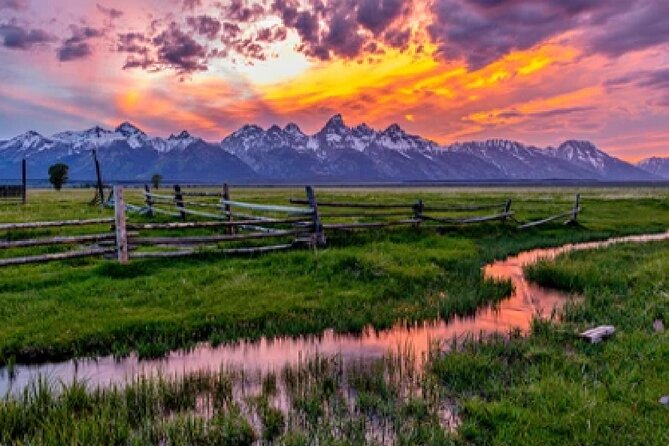
- Photo breaks with history: Mormon Row and a famous Mormon Row barn (season dependent)
Grand Teton at dawn or dusk: why this safari works
Grand Teton National Park is at its best early and late. That’s when sound carries farther, the sky is usually calmer, and animals tend to use the edges of forest and the open stretches near the road. This safari leans into that schedule. You’re not rolling through midday like a tourist on autopilot.
In practice, that means your ride is built around tracking, pausing, and looking up as much as looking ahead. Your guide scans for movement, but also reads the country: where animals often feed, where birds ride the thermals, and where the terrain funnels wildlife. It’s not about guessing harder. It’s about knowing what to watch for and when.
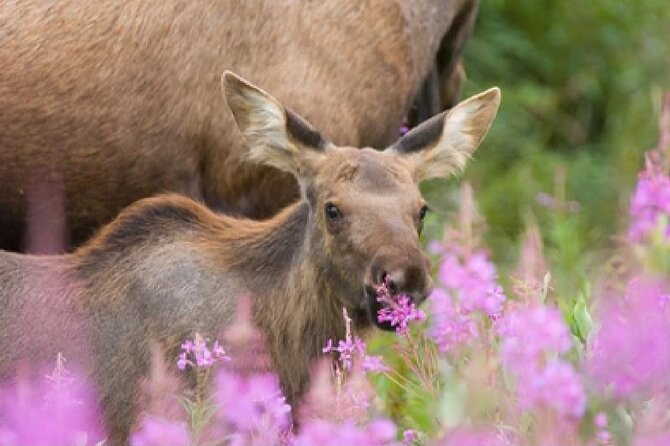
You’ll likely focus on wolves, moose, elk, and mule deer, with chances for bears (including black and grizzly) depending on conditions. Eagles and other raptors also come into play overhead, along with plenty of bird life. Even when the big mammals are slow, the sky and the shoreline and the trees can still give you something worth stopping for.
You can also read our reviews of more tours and experiences in Jackson.
Open-air vs enclosed: the ride comfort plan by season
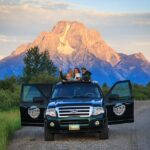
This tour is season dependent, and your vehicle changes with the weather.
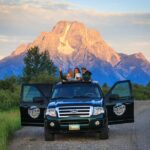
- In summer (June 15 to mid-September) you ride in an open-air safari vehicle when conditions allow. You’ll feel the wind and get real views, which is half the fun.
- From mid-September to June 14, tours run in an enclosed, heated (and air-conditioned) vehicle so you stay comfortable.
This matters more than it sounds. Animal viewing often means time standing still while you look. If you’re warm enough to stay outside your “I’m cold” thoughts, you’ll catch more—because you’ll keep looking instead of rushing to the next stop.
One heads-up from the tour info: summer safari tours are not recommended for travelers with back problems. That’s your cue to ask yourself how you handle bumpy dirt-road rides and long seated time in an open vehicle.
How your guide finds wildlife without making it feel random
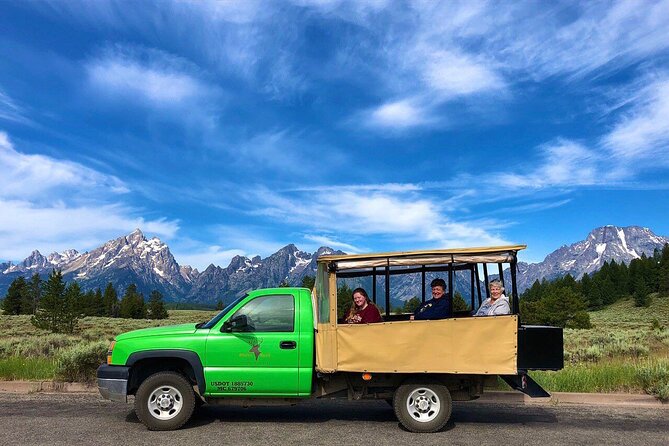
The best part of a guided safari is not just that someone is trying. It’s that they’re trying in a systematic way. This tour is built for that.
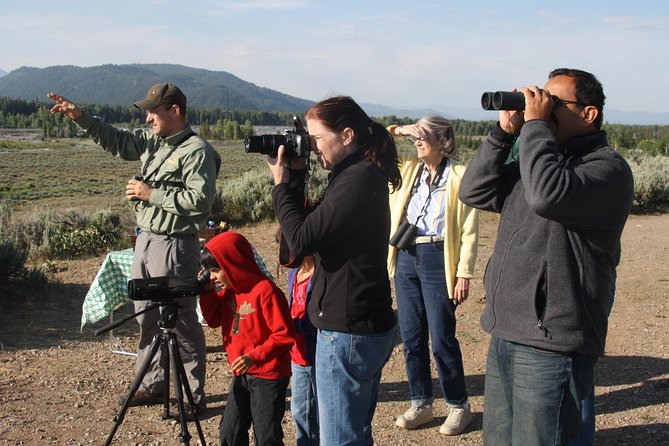
You’ll get binoculars and a scope, so the guide can point out what to look for and then help you actually see it. That turns the whole experience from spotting-as-a-hobby into spotting-as-a skill. It’s also why you can watch the road edges with less stress, because you’re not alone hunting for a tiny dark shape that could be anything.
Guides also make the timing work. The tour runs about 4 hours and is designed for the morning or evening window when animals are active. In real terms, that means fewer hours in the park where everything feels quiet and “nothing is happening.”
A pattern I like from the guide style praised on these tours: they keep everyone in the group seeing the view. Several guides are specifically called out for being patient at setting up viewing so more people get a good look, even if the animal is farther away than you want. That’s important when you’re paying for a guided experience and not just a bus ride.
Stop-by-stop: from Grand Teton wildlife searching to photo time
Stop 1: Grand Teton National Park spotting and science talk
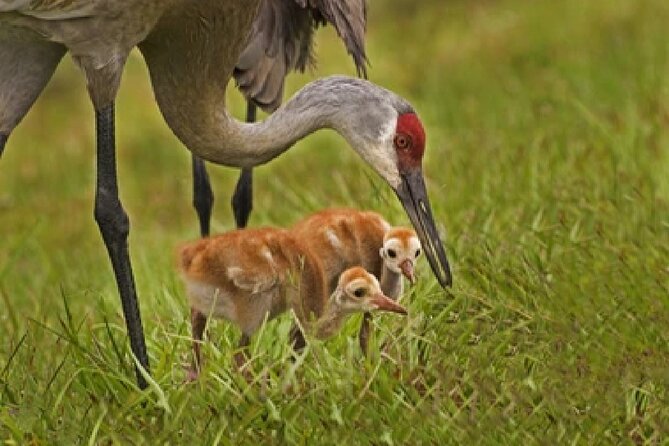
This is where the safari magic happens. You’ll explore part of the park’s 310,000 acres and scan for a wide range of wildlife. The tour info points out that Grand Teton supports about 60 mammal species and over 300 bird species, so the odds are built into the habitat.
What you’re actually looking for changes with the season, but the common targets include:
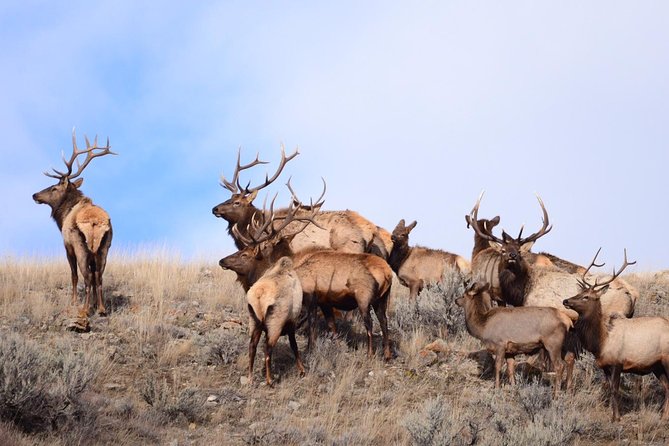
- Elk, moose, mule deer, pronghorn, bison, and bighorn sheep
- Wolves (less common, but you might see them)
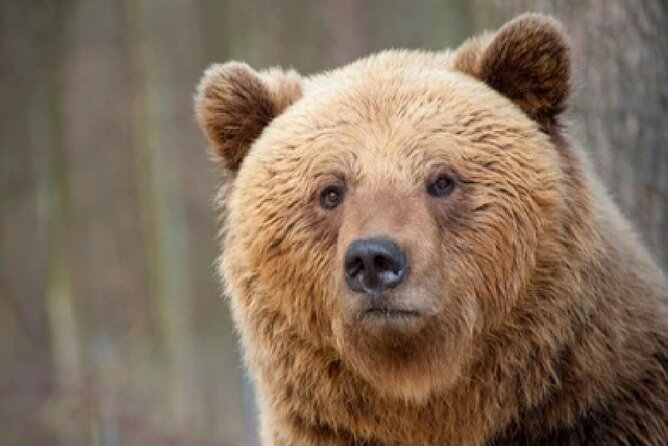
- Black bears and grizzlies (possible, not promised)
- Raptors like bald and golden eagles, plus osprey, owls, and hawks
You’ll also spend time looking overhead for birds. That’s a small shift in mindset, but it helps. A lot of people stare at the ground and miss the real action—like eagles riding the thermals above the ridges.
Your guide makes frequent stops, not just to see animals but to photograph wildlife, landmarks, and terrain. Sometimes the best sighting is the one you can frame well, and the road stops are part of that.
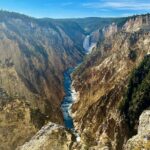
Expect more than wildlife facts. The tour includes discussion of ecology, history, geology, and culture, and you’ll hear geology and ecosystem explanations as you move through the park. There’s also Snake River scenery with jagged mountain views, which adds a strong “this is why we’re here” layer even when mammals are being picky.
Stop 2: Mormon Row Historic District (when snow allows)
This is the classic photo break at Mormon Row. If your departure runs March through November, you’ll make this stop. Winter tours (December through February) do not include it due to snow coverage.
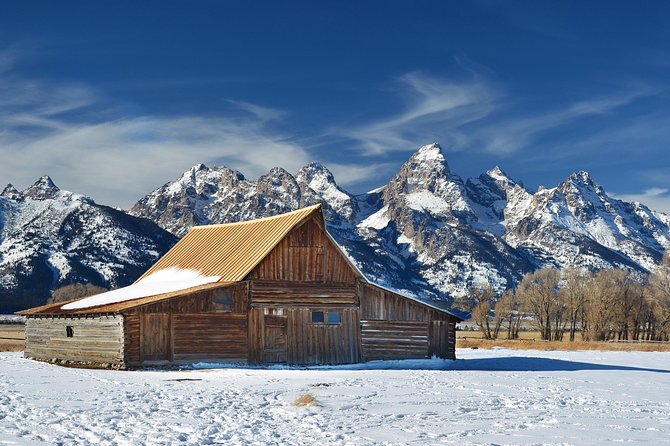
Here’s what makes it special: you get to photograph the most photographed barn in America, the “barn” look that’s instantly associated with Jackson Hole scenery. The tour also frames the site as part of the area’s early Mormon homesteader history, so it’s not just a photo op. It’s a quick history lesson in front of one of the most recognizable views around.
Time on site is about 20 minutes, which is just enough to grab your shots and still keep the safari momentum for later wildlife searching.
Stop 3: T.A. Moulton Barn or John Moulton Barn
Another barn stop, again March through November only. The tour won’t try to do this in winter when snow blocks access. Your guide will stop at either the T. A. Moulton Barn or the John Moulton Barn—not both.
Both barns sit in the broader Mormon Row area, but the tour keeps it flexible based on conditions. That’s a practical choice in a park where weather can change fast.
Plan for about 20 minutes here too. It’s not a long museum-style stop. It’s a chance to capture the barns against the mountain backdrop, then get back out toward whatever wildlife you might find during the remaining part of the ride.
Snacks, binoculars, and small touches that add up
This is one of those tours where “included” actually matters.
You get:
- Snacks, bottled water, and soda
- Use of binoculars and a scope
- Weather-appropriate vehicle comfort (open-air or enclosed)
Those small things reduce friction. When you’re out at dawn or dusk, you don’t want to feel hungry, and you don’t want to buy binoculars you may only use once. Also, having a guide who brings the optics and knows how to use them helps you avoid that common “we saw it for two seconds” problem.
Another touch: the experience notes that frequent stops are made for photos. If you care about pictures, that’s not an afterthought. It’s built into the route and timing.
Price and value: is $159 worth it?
At $159 per person for about 4 hours, this isn’t a “cheap and cheerful” activity. It needs to earn its place.
Here’s how it earns it:
- You’re paying for timing plus searching. Dawn and dusk matter. The guide is helping you use that prime window.
- You get tools. Binoculars and scope access can be a big value if you don’t already own decent gear.
- You’re buying fewer headaches. You don’t have to plan routes for wildlife-only objectives or try to interpret distant movement on your own.
- You’re getting both wildlife and iconic Tetons scenery. The tour mixes animal viewing with the Mormon Row barn photo stops and a bit of park storytelling.
The “wildlife isn’t guaranteed” factor is real, though. That means the value is strongest if you want to maximize your chances with a guide during the right hours, not if you need a guaranteed wolf-on-demand moment.
One more practical clue: the tour has a very high satisfaction score (a 4.9 rating with 97% recommending). Reviews also repeatedly highlight guides by name, including Kelsey, Kyle, Anthony, Neil, Pat, Jack, Cameron, Allie, and others, with praise focused on wildlife spotting, patient viewing, and making the ride fun.
What it feels like on the day: timing, views, and expectations
Expect a ride that alternates between movement and pause. When the guide calls something out, you’ll want to be ready—grab your binoculars quickly and be willing to stand for a minute or two.
If you’re on an open-air summer departure, you’ll feel the weather. Bring layers. The tour info specifically recommends sturdy walking shoes, a jacket, and long pants in June through mid-September. If you’re doing it in winter months, plan for serious snow gear: snow boots, winter jacket, gloves, and a beanie/scarf.
Also, this is a park where animals can be far. So you’ll spend part of the experience accepting the “distant but real” sighting. That’s where binoculars and the scope matter.
One small caution from a rare negative review: audio equipment can malfunction on occasion, which can make it harder to catch the guide’s commentary while driving. It’s not something you can plan for, but it’s a reminder that if you strongly depend on hearing every detail during the ride, it’s smart to bring your own way to take notes or focus on what’s visible at stops.
Best fit: who should book this safari
This tour works especially well if you:
- Want wildlife chances with a guide rather than self-driving research
- Appreciate dawn/sunset touring and can handle early starts or chill evening air
- Like learning how the park works—ecology, geology, and history—while you watch
- Care about getting iconic photos at Mormon Row and one famous barn stop
It may feel less ideal if:
- You hate cold wind or rough roads (especially in open-air summer)
- You need a guaranteed set of animals
- You want a long, slow nature hike (this is primarily a vehicle-and-viewing safari)
Kids: children 5 and younger are not allowed, and the tour is described as suitable for most travelers.
Should you book the Grand Teton Wildlife Safari?
I’d book it if your goal is “see more wildlife with less guesswork” and you’re willing to ride out at the times animals tend to be moving. The vehicle style, the small group size (up to 12), and the included binoculars/scope make it feel like a real experience, not just transportation.
Skip it only if you’re uncomfortable with weather, long still moments, or the possibility that animals stay hidden. In a place like Grand Teton, that uncertainty is part of the deal.
If you can pick your timing, go with the dawn or evening slot. And do yourself a favor: dress for the conditions you’ll be stuck in while you look around. That’s when the park delivers.
FAQ
When do tours run, and how does the vehicle change?
Summer runs from June 15 to August 31, and fall/winter runs from September 1 to June 14. In summer (June-mid September), the safari is open-air when weather allows. In mid-September through May, it’s an enclosed vehicle that’s heated and air-conditioned.
Is wildlife guaranteed?
No. The tour is designed to search for wildlife when animals are most active (dawn or dusk), but sightings depend on conditions and animal behavior.
What animals and birds might I see?
You may spot wolves, moose, elk, mule deer, pronghorn, bison, and bears, depending on the season. Overhead, look for bald and golden eagles, plus osprey, owls, and hawks.
Are binoculars included?
Yes. The tour includes the use of binoculars/scope during the safari.
Do you stop at Mormon Row?
Yes for tours running March through November. Winter tours December through February do not include the Mormon Row Historic District stop.
Do you visit the T.A. Moulton Barn?
Yes for tours running March through November. Your guide will stop at either the T.A. Moulton Barn or the John Moulton Barn.
Is hotel pickup included?
Hotel pickup is available from November through mid-May in the Jackson Hole area (in approved areas). For summer tours, hotel pickup is not included.
What should I wear?
In summer (June-mid September), wear sturdy walking shoes, bring a jacket, and wear long pants. In winter months, plan for snow gear like snow boots, snow pants/bibs, winter jacket, gloves, and a beanie/scarf.
Are there any age limits or rules for service animals?
Children 5 and younger are not allowed. Service animals are allowed.