REVIEW · LAS VEGAS
Las Vegas Mob Museum Admission Ticket
Book on Viator →Operated by The Mob Museum · Bookable on Viator
Downtown Las Vegas has a side most people skip. The Mob Museum is a multi-floor, interactive look at organized crime and the law enforcement teams that brought it down—without needing a casino to have fun. I love the original artifacts and the mix of courtroom history with real evidence-style details like FBI surveillance audio. I also like that you can plan around timed entry, so you’re not stuck waiting.
One thing to consider: the subject matter is dark, and the museum is recommended for kids 12 and up. If you’re shopping for family-friendly downtown entertainment, this one is better as an adults-and-older-teens stop.
In This Review
- Key highlights to plan around
- Downtown Vegas, but make it investigative: the Mob Museum’s real appeal
- Timed entry and pacing: how to fit 3 hours without rushing
- Floor by floor at a glance: what you’ll actually see
- First floor: names you recognize, plus the scale behind them
- Second floor: hearings, politics, and the courtroom energy
- Lower levels and the ending note: law enforcement wins, but the story doesn’t fully end
- Iconic exhibits that hit hard: St. Valentine’s Day Massacre, Tommy gun, and gas chamber chair
- The Kefauver courtroom and FBI tapes: why these sections matter
- The Underground speakeasy and distillery: your Prohibition break
- Price and value: is $34.95 worth it?
- Practical tips that keep the visit smooth
- Parking: easy, but watch for overflow traps
- Getting there: downtown transit is simple
- Photography rules: yes, but be respectful
- Audio and self-guided options: if you like extra layers
- Guest talks and extra time
- Best fit: who will love this and who might not
- Should you book the Mob Museum ticket?
- FAQ
- What are the Mob Museum hours in Las Vegas?
- What are the busiest times to visit?
- How long should I plan to spend at the Mob Museum?
- Do I need to use my ticket at a specific time?
- Is there parking at the Mob Museum?
- Can I use public transportation to get there?
- Can I take photos inside the museum?
- Is the museum suitable for children?
- What are the Underground speakeasy hours and age rules?
Key highlights to plan around
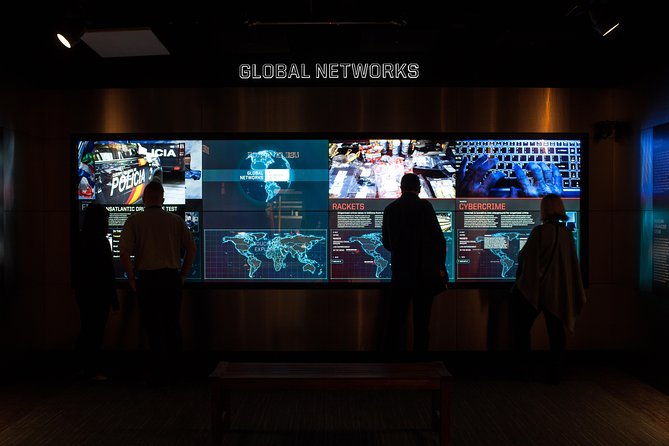
- Timed entry gets you inside fast and helps you manage the full 3-story flow
- FBI surveillance tapes and evidence-style displays add real weight to the stories
- Kefauver Hearings courtroom is where organized crime was put on trial in public
- The St. Valentine’s Day Massacre wall and named artifacts bring iconic cases to life
- The Underground adds a Prohibition speakeasy and access to the museum’s distillery
- Optional talks may add extra time, especially if a mob family member is speaking
Downtown Vegas, but make it investigative: the Mob Museum’s real appeal
I like the way the Mob Museum doesn’t treat mob history like a theme park. It feels more like a working file—broken into cases, exhibits, documents, and witness-style storytelling—so you walk out understanding how organized crime operated and how law enforcement built cases against it.
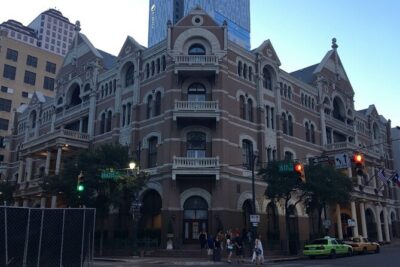
The location helps too. You’re steps from the Fremont Street Experience, which means you can pair this with a classic downtown evening without changing hotels or fighting the Strip crowd. And because the museum is housed in a former federal courthouse, the building itself supports the theme: this is about crime, law, and consequence, not just good-and-bad vibes.
If you’re a museum person, I think you’ll enjoy the structure. The exhibits are layered across three floors, and you get both the famous names (Al Capone, Lucky Luciano, John Gotti, Bugsy Siegel) and the systems around them—politics, enforcement, and the long shadow of organized crime across decades. If you’re not a museum person, it still helps that the museum leans on high-impact displays: the St. Valentine’s Day Massacre wall, a Tommy gun, and even the Nevada gas chamber chair are the kinds of objects that stop you in your tracks.
You can also read our reviews of more tours and experiences in Las Vegas.



Timed entry and pacing: how to fit 3 hours without rushing
The ticket you’re considering is designed around timed entry, and that matters in a place like Las Vegas where lines can form fast. Your reservation locks you into an entry time, so arrive a few minutes early to redeem your ticket. Once inside, you’re free to move at your own pace, but the museum’s layout encourages a flow through the building.
A smart planning target is 3 hours, which matches the typical visit length you’ll see people use in real planning. Some people go quicker; others linger because they want to read, listen, and watch. The key is to treat the visit like a show with multiple acts. If you try to speed-run every floor, you’ll miss the reason it works.
One pacing tip I’d follow: start with the highest-energy parts first. Many visitors find the museum begins on the top level and works down. If that’s your first time, go with the intended flow so you don’t end up meeting the end of the story before you understand how it started.
Also, plan for a small pause mid-visit. There’s coffee and light snacks on the second floor, and later you’ll have access to The Underground for a Prohibition break. That simple rhythm—walk, read, pause—keeps the experience from turning into information overload.
Floor by floor at a glance: what you’ll actually see
The Mob Museum is spread across three floors, each with a different flavor. Instead of trying to cram everything into one stop, it groups organized crime’s story into eras and themes—mob operations, public hearings, law enforcement breakthroughs, and the aftermath.
First floor: names you recognize, plus the scale behind them
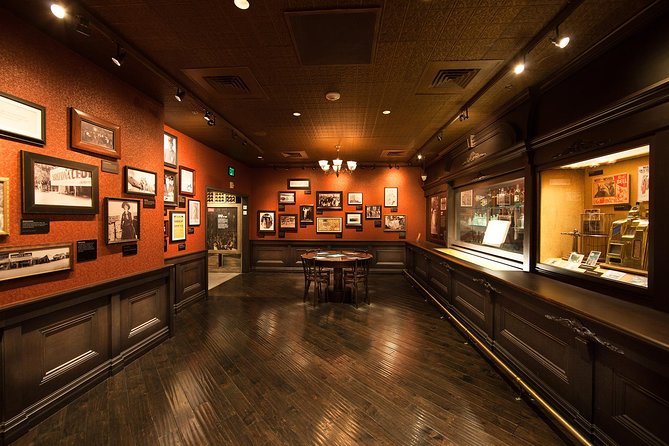
This is where you’ll encounter the Wall of Infamy, a standout wall featuring famous mobsters such as Al Capone, Lucky Luciano, John Gotti, and others—spanning roughly 100 years of the made-men era. It’s one of those displays that works even if you only know a few names. Seeing the wall in one place gives you the size of the network. You stop thinking in single criminals and start thinking in an organized system.
You’ll also see story-driven displays tied to Las Vegas. Bugsy Siegel gets attention for his role in early Las Vegas history, which adds local context beyond the usual national mob headlines. If your interest is Las Vegas specifically, this part is your bridge between downtown sightseeing and the darker side of how the city grew.
Second floor: hearings, politics, and the courtroom energy
The second floor leans into public accountability. You can visit the courtroom where the Kefauver Hearings took place. This is the kind of exhibit that feels different from a standard gallery because it’s about process—how investigators pushed organized crime into the spotlight and forced answers out of people who once seemed untouchable.
In this section, you’ll also find evidence-style components like real FBI surveillance tapes. That detail changes the tone of the museum. Instead of just hearing about crime, you get to experience the investigation method. It’s the difference between hearing a story and seeing how the story was built.






Lower levels and the ending note: law enforcement wins, but the story doesn’t fully end
As you go deeper, the museum keeps returning to the contest between criminal networks and enforcement pressure. You’ll see how organized crime evolved, how tactics changed, and how law enforcement efforts disrupted operations over time.
And then, in the basement, you get a very different vibe with The Underground, which ties the story back into Prohibition-era America.
Iconic exhibits that hit hard: St. Valentine’s Day Massacre, Tommy gun, and gas chamber chair
A big reason this museum earns high marks is that it doesn’t shy away from specific, high-impact objects. Even if you’re careful about what you watch, the design makes you stop and absorb.
The St. Valentine’s Day Massacre wall is one of those signature displays people talk about because it’s not just the event—it’s how the museum places it into a broader pattern of mob violence and public fear. If you’ve heard the name before, you’ll quickly realize the details are presented in a way that’s meant to be understood, not just feared.
You can also see a Tommy gun, a classic visual symbol of mob-era firearms. It’s the kind of artifact that makes the era feel real, and it fits with the museum’s evidence-focused theme.
One of the strangest and most chilling elements is the presence of the Nevada gas chamber chair. It’s not there for spectacle. It’s part of the museum’s larger framing: how the justice system responds, how punishment works, and how criminal history connects to the legal institutions that tried to end it.
These exhibits are also why the museum can feel intense. They’re factual and direct, and that’s exactly what makes them memorable.
The Kefauver courtroom and FBI tapes: why these sections matter
If you want one reason this museum is worth your time, it’s the combination of courtroom history and evidence-style materials.
The Kefauver Hearings courtroom section gives you context for how organized crime became an issue the public could no longer ignore. It’s not just mob lore; it’s about getting decision-makers and institutions to face what was happening. The exhibit helps you see how investigations can shift from private suspicion to public pressure.
Then the FBI surveillance tapes add the investigative side. Hearing real surveillance recordings (instead of just reading about them) makes the whole story feel less like gangster mythology and more like detective work. It’s the museum’s way of showing that law enforcement isn’t just chasing villains—it’s building cases step by step.
You’ll also find interactive elements that connect to law enforcement training themes, including FBI weapons training. That kind of content helps explain the hands-on nature of enforcement, which can be a missing piece in other historical museums.
The Underground speakeasy and distillery: your Prohibition break
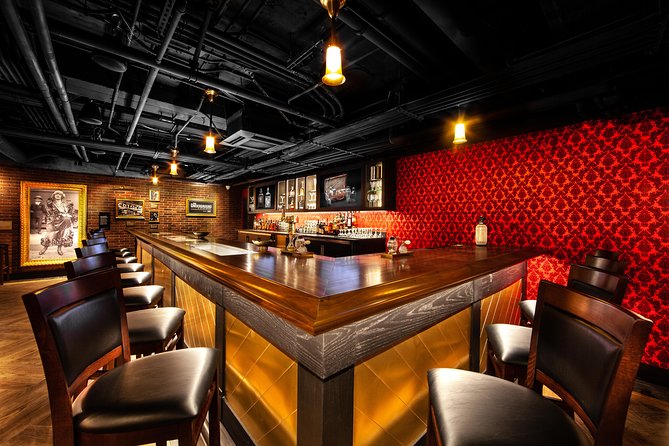
After you finish the main three floors, the basement is where the tone changes in a clever way. The Underground is a Prohibition-era speakeasy and distillery experience connected to the museum.
The big draw here is the setting. Vintage decor and a speakeasy vibe make it feel like you stepped into a time period—not just read about it. It’s also the part many people use as their reset button during a serious museum day.
A few practical notes:
- You can sip expertly crafted cocktails, but drinks are not included with the ticket.
- You can also explore the museum’s house-distilled moonshine process via the distillery experience.
- If you want to eat or drink, age rules apply later in the day. The Underground space becomes 21 and over after 5 PM for eating or drinking, and the distillery is 21 and over.
In other words: daytime visits can feel more flexible for mixed groups. Evening plans shift into bar territory.
If you enjoy Prohibition history, this is a smart pairing. The museum’s main story is about crime and enforcement; The Underground shows how that era created a market, a culture, and a whole ecosystem that criminals could exploit.
Price and value: is $34.95 worth it?
At $34.95 per person, this is not a budget impulse buy, but it also isn’t a fancy add-on experience. The ticket includes admission to the museum’s multi-floor exhibits, plus access to The Underground.
Here’s how I’d judge the value:
- You’re getting a structured visit around major themed spaces like the Wall of Infamy, the Kefauver courtroom, evidence-style displays (including FBI surveillance tapes), and the basement Prohibition program.
- The typical visit target is about 3 hours, which puts it in the zone where a museum ticket can feel like a full afternoon of learning and entertainment.
- You’re buying convenience with timed entry, which can prevent wasted time standing around in downtown crowds.
What pushes the price into “worth it” territory for me is the combination. Many experiences cover mob history only. This one adds enforcement angles, courtroom history, and then a Prohibition-era payoff in the basement. That mix reduces the chance you’ll feel like you came for one theme and got only half of it.
If you want extra hands-on upgrades, those are available as add-ons, such as a Crime Lab Experience or Use of Force Experience, but they’re not included in the base ticket price. You can treat those as optional if you’re the kind of visitor who wants more training-style content.
Practical tips that keep the visit smooth
A few details can make a big difference in how your day feels.
Parking: easy, but watch for overflow traps
Paid parking is available, and overflow lots are a thing. If you end up in overflow parking, double-check you park in the right place—getting a ticket can turn a fun day into a hassle.
Getting there: downtown transit is simple
If you want to avoid driving, the museum is near public transportation. There’s a stop right outside served by the Downtown Loop free shuttle, and you can also use the RTC Deuce bus from parts of the Strip.
Photography rules: yes, but be respectful
Photography is allowed inside as long as you don’t disrupt exhibits, block entrances, or cause bottlenecks. Flash is prohibited.
Audio and self-guided options: if you like extra layers
The museum offers self-guided tours, and there are audio tours available for a small fee. If you’re the type who wants more narration than text panels offer, this can be worth it—especially in busy hours when you might feel rushed.
Guest talks and extra time
Some days include a speaker program. One of the names tied to the courtroom and extra programming is Frank Calabrese Jr. If someone like him is speaking during your visit, plan extra time. It can add length, but it also tends to make the courtroom section feel more personal and connected to real families and real legacies.
Best fit: who will love this and who might not
I think the Mob Museum fits best if you like:
- history that’s more evidence than legend
- downtown sightseeing that isn’t just casinos and shows
- interactive exhibits, audio elements, and courtroom-style storytelling
- an adult-leaning topic with real objects, not just photos
It may not be your best bet if you’re very sensitive to graphic or heavy content. The museum is recommended for 12 and up, and the subject matter can be intense.
Also, if you prefer fewer screens and more guided narration, you might want to consider the audio tour option. One thing I’d watch for on high-demand days: you can encounter lots of video content in busy conditions, which means if you’re picky about repeats or pacing, you may want the extra narration option.
Should you book the Mob Museum ticket?
Book it if you want a Las Vegas experience that feels different from the usual Strip circuit. The value is strongest when you care about both the mob story and the enforcement story, and when you’re happy spending 3 hours walking, reading, and listening.
Skip (or rethink) if you’re shopping for a light, kid-friendly activity, or if you’re not comfortable with dark subject matter. If that’s you, pick another downtown option and save this for a later trip when the timing fits.
If you do book, my advice is simple: come hungry for details, give yourself enough time for all three floors, and don’t treat The Underground as an afterthought—it’s the most fun, human break in the whole experience.
FAQ
What are the Mob Museum hours in Las Vegas?
The museum is open from 9 AM to 9 PM daily. Hours can change, so check themobmuseum.org for the latest.
What are the busiest times to visit?
It’s typically busiest between 11 AM and 4 PM.
How long should I plan to spend at the Mob Museum?
From start to finish, it can take anywhere from one to three hours depending on how much you read, watch, and explore.
Do I need to use my ticket at a specific time?
Yes. Your ticket must be used at your selected entry time. Arrive a few minutes early to redeem your ticket.
Is there parking at the Mob Museum?
Paid parking is available for a small fee. If the lot is full, you can find additional parking within a short walk.
Can I use public transportation to get there?
Yes. There is a stop outside the museum on the Downtown Loop free shuttle, and you can also take the RTC Deuce bus from parts of the Strip.
Can I take photos inside the museum?
Photography is allowed, but you can’t disrupt exhibits or block entrances and exits. Flash photography is prohibited.
Is the museum suitable for children?
Children are welcome, but the museum is recommended for children 12 years and up because of the graphic nature of some content. Discretion is advised.
What are the Underground speakeasy hours and age rules?
The Underground speakeasy is open daily from noon until midnight. Before 5 PM, it’s open to museum guests of all ages, but after 5 PM it is 21 and over for eating or drinking. The distillery is 21 and over.