REVIEW · SEATTLE
Mt. Rainier National Park Highlights Tour
Book on Viator →Operated by Customized Tours · Bookable on Viator
Rainier hits fast once you’re outside the city. I like that this tour handles the heavy lifting with pickup in Seattle and an easy-to-follow plan, so you can focus on views and short walks. I also like the photo-and-walk rhythm: Narada Falls along the Nisqually River and the big payoff at Paradise. One consideration: in winter, weather and road closures can change what you actually reach, and Paradise access is limited starting Nov 12.
You get a real day in the park without needing to drive yourself. The bus is air-conditioned, group size max is 24, and park admission fees are included—so you’re not juggling tickets all morning. Expect a long day too: about 10 to 12 hours from Seattle round-trip.
Bring the right gear because the weather can swing hard at elevation. I strongly recommend layers and waterproof shoes (or winter boots) plus an extra pair of socks, especially Nov–Jun.
In This Review
- Key highlights that make this tour worth it
- From Seattle to Mt. Rainier: the early start and the payoff
- The guide factor: narration plus route flexibility
- Longmire Museum: the quick history-and-science stop you’ll be glad you took
- Christine Falls: quick access, classic framing
- Narada Falls along the Nisqually River: the waterfall highlight moment
- Paradise Valley at 5,400 feet: the big payoff and the winter limits
- Twin Firs Loop: short old-growth walking that feels special
- Reflection Lakes and the mirror effect: why calm moments matter
- Summer-only extras: Sunrise Visitor Center and Tipsoo Lake Loop
- Winter vs summer: snowshoeing, closures, and how the day changes
- Price and value: what $150 includes, and what you’ll still pay for
- What to pack and how active the day feels
- Who this Mt. Rainier highlights tour is best for
- Should you book it?
- FAQ
- How long is the Mt. Rainier highlights tour?
- What time does pickup start from Seattle?
- What’s included in the ticket price?
- Is lunch included?
- What happens if weather or roads affect the itinerary?
- Will I be able to visit Paradise in winter?
- Is snowshoeing available?
- Are there different stops in summer?
Key highlights that make this tour worth it
- Hotel pickup that beats the chaos: start early with convenient Seattle and airport pickups
- A narrated drive with smart stops: you’ll get guided context while the scenery changes fast
- Longmire Museum and Trail of the Shadows: more than viewpoints, with exhibits and a short nature walk
- Christine Falls and Narada Falls photo time: short-but-real opportunities to see classic waterfall angles
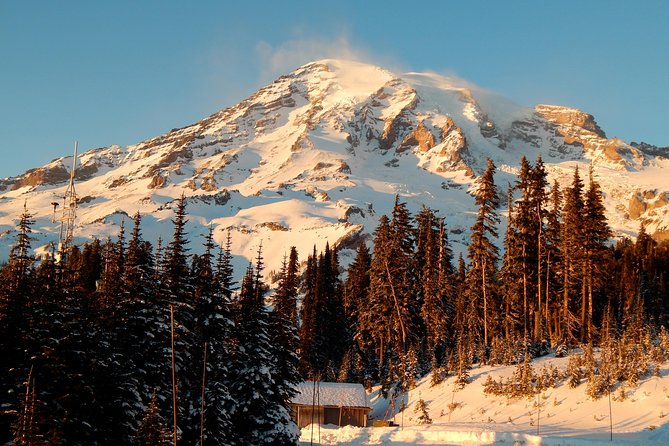
- Paradise Valley at 5,400 feet: the day’s signature viewpoints, with winter snowshoe options when conditions allow
- Seasonal substitutions: Sunrise Visitor Center or Tipsoo Lake Loop in summer, plus optional snowshoeing in winter
From Seattle to Mt. Rainier: the early start and the payoff
This is a full-day outing, and it starts with commitment. Your pickup window begins before 8:00 am, with the tour start time listed as 7:20 am. That early departure matters: it gives you a better shot at daylight, clearer views, and less congestion near the park entrances.
You’re also not stuck figuring out routes. The tour runs on a commercial bus that’s air-conditioned and fully insured, and it keeps everyone together. That translates into fewer decision points for you, especially if you’re visiting Rainier for the first time.
The schedule is built around a simple idea: you’ll spend the middle of your day higher up at the park’s most famous stops, then work outward with waterfalls and forest walks. It’s a practical way to fit a lot into one day without pretending you can see everything in a single visit.
You can also read our reviews of more tours and experiences in Seattle.

The guide factor: narration plus route flexibility
A professional guide leads the way, and the tone is group-friendly: you’re not expected to navigate, and the plan is designed to keep you moving together. The best part is how your guide adapts. The day’s exact sequence can shift based on weather and road conditions, and that flexibility is what keeps the tour feeling like it has intention instead of just rushing from stop to stop.
I’ve seen how much a good Rainier guide can change the experience. Guides are known for adding the story behind what you’re seeing—volcano and tectonic context, plus park history and what to watch for while you’re standing still at viewpoints. In the names shared by past groups, guides like Lucas, Cory, James, Joel, Kevin, and Kevin’s decision-making under unpredictable conditions come up a lot. The common thread: they work hard to make the day feel coherent even when the mountain changes the rules.
That matters on Rainier because conditions can change quickly. Cloud cover, fog, and snow can turn your plans into a choose-your-own-adventure moment. Here, that’s handled for you.
Longmire Museum: the quick history-and-science stop you’ll be glad you took
Your day begins with park-side grounding at Longmire and nearby areas. The Longmire Museum stop is short—about 15 minutes—but it’s packed with the stuff that makes later stops click. You’ll see animal exhibits, native American history content, pioneer information, volcanology details, plus a transportation exhibit. Even if you’re not a museum person, this kind of orientation helps you understand why Rainier looks the way it does.
Then you may head to the Trail of the Shadows. This one is around 30 minutes, and it’s described as involving a second-growth forest and hot springs, plus history that can shift with weather and road conditions. It’s a good balance: you’re walking enough to feel like you did something real, but you’re not committing to a long hike when conditions are uncertain.
After that, there’s typically more time around Longmire itself for optional hikes, viewpoints, a gift shop, and the lodge area. The Longmire block is about 45 minutes, and it’s your chance to stretch, take a breather, and pick up any small essentials you forgot.
One practical drawback: because Longmire and nearby access can change with road conditions, you might not get the same mix of trails every day.
Christine Falls: quick access, classic framing
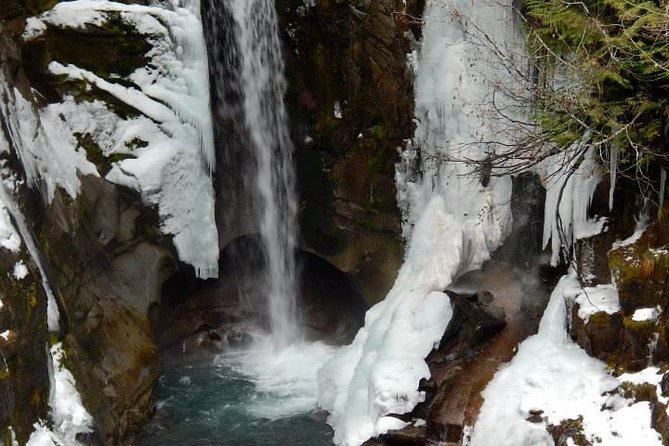
Christine Falls is a fast photo stop—about 10 minutes—and it’s famous for its framing from the road-side viewpoint, including a stone bridge look. This is the kind of stop that works for almost everyone: you can take photos, read the scene, and move on without feeling like you’re holding up the group.
If the weather is good, Christine Falls can look dramatic and clean. If it’s raining or foggy, you still get the waterfall presence, but the background views might be muted. Either way, it’s a handy transition stop that keeps the day moving.
Narada Falls along the Nisqually River: the waterfall highlight moment
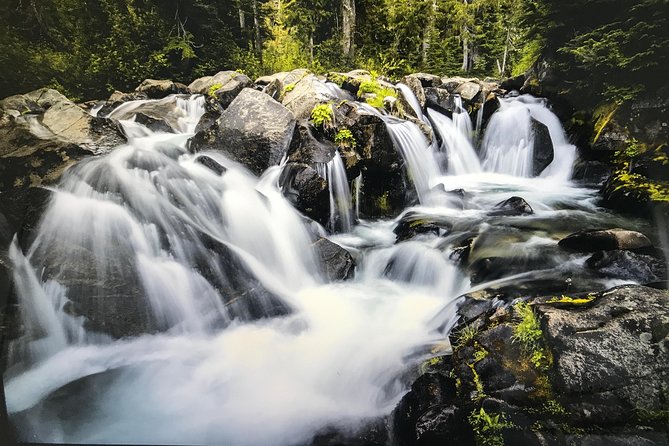
Narada Falls is often treated as the marquee waterfall in the park. The tour includes a walk along the Nisqually River up to the falls, with about 20 minutes at this stop. It’s not just an empty viewpoint—you’re moving through the river corridor, which gives you more angles and a better sense of the scale.
Narada is one of the places where timing matters. If visibility is decent, you’ll likely get standout views and more satisfying photos. In lower visibility conditions, you’ll still enjoy the sound and the waterfall force, but your photo results may depend more on light breaks.
Either way, it’s a well-paced segment: long enough to enjoy the walk, short enough that you’re not exhausted before the high-elevation moment later.


Paradise Valley at 5,400 feet: the big payoff and the winter limits
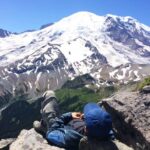
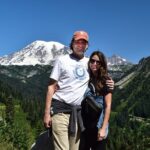
This is the moment most people came for: Paradise Valley, listed at 5,400 feet (1,646 meters). It’s generally considered the highlight of the day. You’ll get about 2 hours here, though that time can vary depending on weather and visibility.
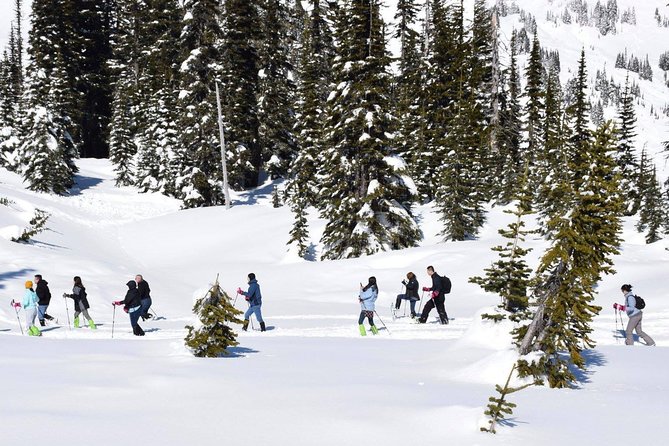
At Paradise you’ll find a visitor’s center, gift shops, and food. If you’re visiting in colder months, Paradise is also where winter fun can happen. The tour notes that during wintertime, an optional snowshoe adventure is possible if conditions allow.
Here’s the winter planning detail that matters most: starting Nov 12, access to Paradise during winter months is only Friday through Monday, based on road conditions. If Paradise is the reason you’re booking, plan your calendar around those days. If your date lands outside that window, your tour may end up reallocating time to other accessible locations.
Also note the realistic tradeoff on Rainier: even when you reach Paradise, the summit view can be hit-or-miss depending on clouds and fog. That said, the higher meadows and forest edges still make the time worth it because you’re in the park’s most iconic altitude zone.
Twin Firs Loop: short old-growth walking that feels special
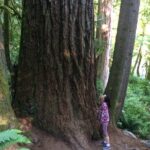
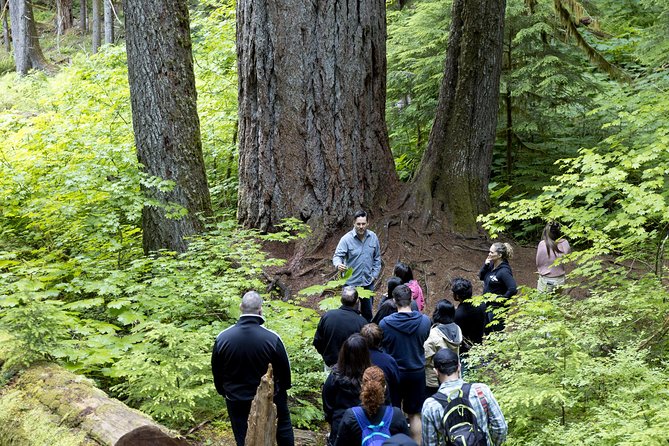
After the higher stops, you’ll get a forest walk at Twin Firs Loop Trail. It’s about a quarter-mile loop and roughly 30 minutes, moving through old-growth forest with trees that are described as hundreds of years old.
This is a different kind of Rainier experience than waterfalls. Instead of rushing to the next view, you slow down in the shade and let the forest do its thing. You can take photos, but more importantly, you get a change of pace. It’s one of the stops that fits even if you’re not trying to hike hard.
The one caution: if you’re visiting in winter, the path conditions can be slick or snowy. Your guide will adjust based on what’s safe and accessible that day.
Reflection Lakes and the mirror effect: why calm moments matter
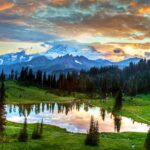
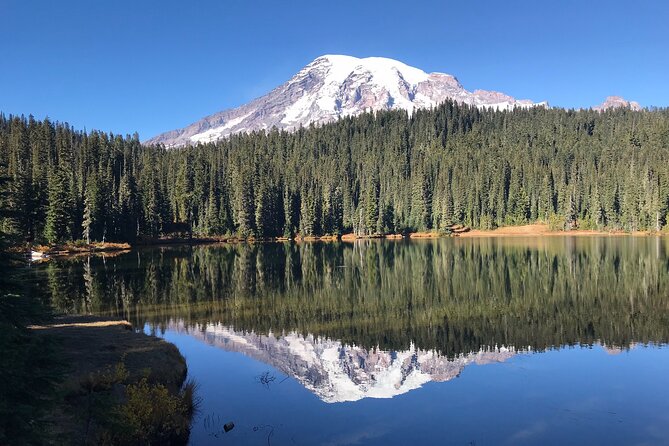
If conditions allow, you’ll get time at Reflection Lakes for about 15 minutes. This is the place people remember because when the water is calm, it can reflect the mountain and feel almost unreal.
That effect depends on weather. The tour description notes that with no breeze, reflections can look like a mirror and photos can look unexpectedly dramatic. If there’s wind or changing cloud layers, the reflections won’t look as crisp.
Reflection Lakes are also seasonal: they’re available only in season and excluded in winter time. So if you’re visiting in the colder months, you might not see them, even if you get similar stops elsewhere.
Summer-only extras: Sunrise Visitor Center and Tipsoo Lake Loop
If you visit in warmer months, your guide may incorporate some special swaps. The Sunrise Visitor Center stop is only available during summer, and it can replace the Paradise stop on your tour date. It’s listed at about 1 hour, and the road is noted as bumpy, so keep that in mind if you’re sensitive to rough rides.
Another summer optional stop is Tipsoo Lake Loop, about 30 minutes. It’s described as only available in summer and not guaranteed. Your guide decides based on conditions.
This matters because it shows the tour isn’t rigid. The plan is designed to adapt to what the park is actually allowing that day.
Winter vs summer: snowshoeing, closures, and how the day changes
Winter at Rainier can be magical, but it comes with real constraints. The tour explicitly warns that during winter months you’re taking a risk: routes and the itinerary can vary depending on weather and road closures, and no refunds are offered unless the park is closed.
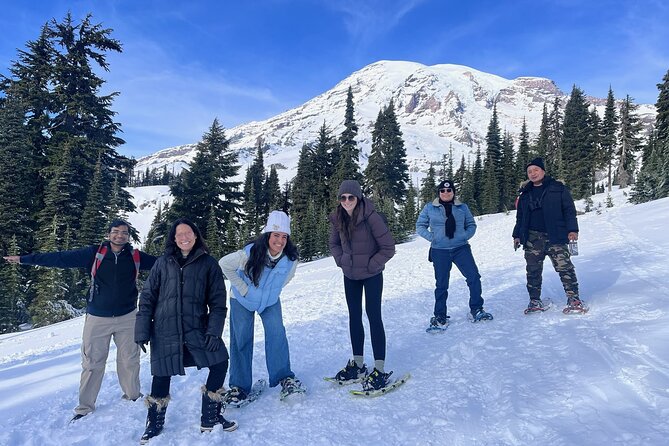
The upside is that winter can be active. The tour notes snowshoeing is an option when conditions allow. From the experiences shared by past riders, snowshoes have been treated as genuinely helpful, and guides have sometimes adjusted routes so groups still got enough time on foot even when a major area like Paradise had limited access due to snow.
In plain terms: this isn’t a sit-and-watch tour. If it’s winter, expect a day that can involve more time walking on snow, more gear decisions, and more weather watching.
In summer, you usually trade snowshoe adventures for extra lake and viewpoint time. You may get iconic morning-style viewpoints when Sunrise Visitor Center is available, plus loop trail options around lakes like Tipsoo.
Price and value: what $150 includes, and what you’ll still pay for
At $150 per person, the key value is that the tour bundles several things that can eat your time and energy if you plan solo. Included in the price are the professional guide, pickup and drop-off from select Seattle and airport hotels, transport on the insured commercial bus, and park admission fees.
That park-admission piece is easy to overlook when you’re comparing costs. If you were driving yourself, you’d still be paying entry fees plus likely spending time figuring out where to park and which routes are open. Here, those decisions are handled.
What’s not included is food and drinks: the tour states food varies based on what you choose, with an estimate of $20 per person. Lunch is available at Paradise, but be aware that food services can be limited mid October to April. The tour notes you may have an opportunity to purchase food en route during those colder months.
So your best budget approach is simple:
- budget for a meal and drinks (the tour’s estimate gives you a starting point)
- plan to buy lunch when you can at Paradise or when food service is available
You’re paying for structure, timing, and reduced hassle. If that’s your style, the $150 can feel fair. If you prefer total freedom to skip stops, then a DIY rental-car day might fit you better—but you’ll trade away the guide context and the protected logistics.
What to pack and how active the day feels
This tour mixes drive time with short walks, and the walking adds up over a long day. The tour recommends dress in layers and comfortable walking shoes, with waterproof hiking shoes preferred. For Nov–Jun, it’s more direct: wear winter boots and bring extra socks.
If you’re visiting in the wet months, bring rain protection that can handle damp trail conditions. Even on days when the rain doesn’t dominate, you’ll still want a warm layer because elevation and weather swings can chill you fast.
One comfort tip that’s worth following: plan to keep your day flexible. If road closures force a swap, your guide will adjust. You won’t be the one deciding the route in the rain or fog—just be ready for the day to feel a little different than what you hoped for when you booked.
Who this Mt. Rainier highlights tour is best for
This is a great fit if you:
- want a high-impact day from Seattle without renting a car
- like guided context, not just photos
- want classic Rainier stops like Narada Falls and Paradise, even if conditions require adjustments
- enjoy short hikes and walking, without committing to a marathon trek
It’s also a solid pick for first-timers. You’ll hit major anchors: Longmire museum and trail, waterfall viewpoints, and the most iconic high-altitude area. If you’re traveling with mixed interests or mixed walking ability, the guided pacing can help the day stay fun for more people.
If you’re an experienced hiker chasing very specific trails, this tour may feel short on route time. You’ll still enjoy the park, but it’s built as a highlights day.
Should you book it?
I’d book it if you want Rainier highlights with less stress. The bundled value—guide, bus, pickup, and park fees—makes the day straightforward. And the mix of waterfalls plus old-growth walking plus the Paradise moment gives you multiple ways to connect with the park, not just one.
I’d think twice if Paradise is non-negotiable and your dates land during winter days when access is limited. Also, if you get frustrated by weather-driven changes, keep your expectations grounded. This tour is built for real-world mountain conditions, not perfect forecasts.
If you can handle a plan that flexes with the day, you’ll probably leave feeling like you saw the Rainier “greatest hits” without the logistics headache.
FAQ
How long is the Mt. Rainier highlights tour?
The tour runs about 10 to 12 hours, depending on conditions.
What time does pickup start from Seattle?
Pickup details say your pickup time begins sooner than 8 am, and the start time is listed as 7:20 am. You’ll need to confirm the exact pickup time for your hotel location.
What’s included in the ticket price?
The price includes a professional guide, pickup and drop-off from select Seattle and airport hotels, transport on an air-conditioned commercial bus, and park admission fees.
Is lunch included?
Food and drinks are not included. Lunch options vary, and there’s a stated estimate of about $20 per person.
What happens if weather or roads affect the itinerary?
Your route and stops can vary based on weather and road conditions. The tour notes that during winter months you take a risk, and refunds are only offered if the park is closed.
Will I be able to visit Paradise in winter?
Access to Paradise during winter months is limited starting Nov 12, and it’s only accessible Friday through Monday based on road conditions.
Is snowshoeing available?
During wintertime, snowshoeing is optional if conditions allow. It’s tied to what the day’s conditions make possible.
Are there different stops in summer?
Yes. Sunrise Visitor Center (summer only) may replace Paradise, and Tipsoo Lake Loop (summer only) may be added, depending on your guide and conditions.