REVIEW · SEATTLE
Beneath The Streets Underground History Tour
Book on Viator →Operated by Beneath The Streets · Bookable on Viator
Seattle has a hidden level.
This Pioneer Square underground walk turns a normal Seattle block into a time machine, starting right at 102 Cherry St and ending near Occidental Square. I really liked two things: first, the way you compare today’s street scene with what existed more than 120 years ago, and second, the guide-led storytelling that connects Seattle’s big turning points to the spaces beneath your feet.
The second thing I love is the focus on people and events, not just bricks. You’ll hear about the Coast Salish peoples who first settled here, plus stories tied to the Klondike Gold Rush and the chaos of early boomtown life—then you’ll see how the neighborhood’s later reputation took shape around Skid Row.
One consideration: the tour includes three flights of stairs up and down during the hour, and surfaces can be uneven. If stairs or confined spaces are a deal-breaker for you, plan carefully and wear grippy shoes.
In This Review
- Key things to know before you go
- Entering Pioneer Square: start at 102 Cherry St, end near Occidental Square
- Practical rhythm: short stop, then steady walking
- Why Seattle has an underground: the 1890s Pioneer Square idea
- What you’ll actually notice underground
- The stories you’ll hear: Klondike Gold Rush, Skid Row, and early Seattle life
- Don’t expect a single continuous tunnel
- The guided difference: how the best tour guides make it click
- Training matters, too
- Stairs, uneven surfaces, and the comfort check you should do first
- If you’re claustrophobic, don’t guess
- How long you’ll be above ground vs. below
- Price and value: $29.03 for an hour of local storytelling
- Who gets the most value from this price
- Scheduling and group size: easy to fit in, not crowded
- Who should book Beneath The Streets?
- Who should think twice
- FAQ
- FAQ
- How long is the Beneath The Streets Underground History Tour?
- Where do I start and where does the tour end?
- What language is the tour offered in?
- Is a mobile ticket used?
- Does it run in bad weather?
- Are service animals allowed?
- How many stairs are involved?
- Is the group small?
- Should you book this tour?
Key things to know before you go
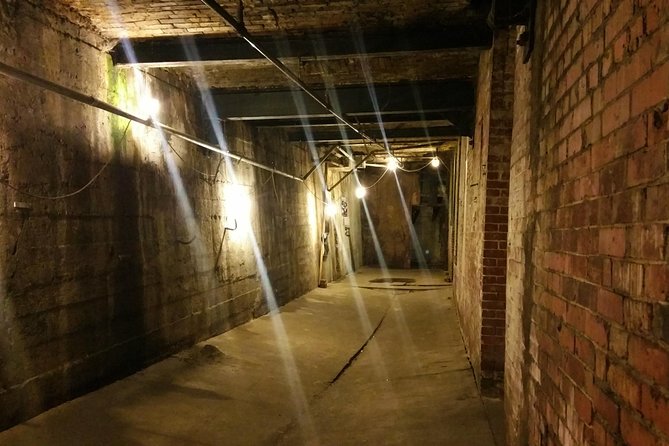
- Three blocks and multiple underground sections: you’ll see 1890s underground passageways while still moving between them.
- Not a connected underground city: you’ll go above ground to reach the next underground space.
- Guides do the work of teaching: professional guides with extra training, plus guest historians and Native tribal members as part of ongoing education.
- Humor + history: many guides are described as funny, enthusiastic, and not scripted.
- Comfort matters: expect stairs and walking for about half a mile at a leisurely pace.
- Small group feel: max 20 travelers, with frequent tour times that make scheduling easier.
Entering Pioneer Square: start at 102 Cherry St, end near Occidental Square
This tour is built for people who want Seattle context without bouncing around on their own. You meet at 102 Cherry St, Seattle, WA 98104, near Pioneer Street. The walk runs about an hour (approx.), and it finishes near the Occidental Square area, ending by the Union Trust Building (119 South Main St).
The neighborhood here matters. Pioneer Square sits in the southwest corner of the city’s early growth, so you’re walking where Seattle really started to organize itself. And you’ll be doing it with a guide who points out what to watch for, instead of you guessing what you’re looking at.
You can also read our reviews of more tours and experiences in Seattle.



Practical rhythm: short stop, then steady walking
The pacing feels like “keep moving, keep learning.” You’ll spend time at a first introduction point, then you’ll cover roughly four blocks (about 0.5 mile / 0.8 km) at a leisurely pace. Between above- and below-street segments, you’ll still be standing still often enough to absorb stories—just not so much that you lose the flow.
Also, the tour runs rain or shine, so dress for Seattle weather. If it’s wet, you’ll want shoes with traction and clothing that doesn’t mind getting a little damp.
Why Seattle has an underground: the 1890s Pioneer Square idea
The Underground you’re seeing wasn’t built for spooky vibes. It was built because people needed practical space as the city developed. In the southwest corner of Seattle, the underground passageways tied to the original neighborhood and the way streets and sidewalks changed over time.
On this tour, you get to see three blocks of historic old Pioneer Square through both lenses:
- what you can see at street level now
- what was constructed in the 1890s below street level
That “above and below” comparison is where the tour becomes more than trivia. It helps you understand why the Underground exists, not just that it exists.
What you’ll actually notice underground
Even if you’ve heard of Seattle’s Underground before, you’ll pick up details that most people miss. You’re not just walking through a single tunnel. You’re moving through historic passageways that connect to the neighborhood’s growth—and you’ll hear how the stories you associate with Seattle (boom times, hardship, reinvention) connect to these physical spaces.
There’s also a cultural layer to the tour that’s easy to overlook in a casual sightseeing loop. The guide covers the Coast Salish peoples who first inhabited the area and explains the broader relationships among ethnically and linguistically related Indigenous peoples. That context shifts the story from only “Seattle as a building project” to “Seattle as a place with deep roots.”
The stories you’ll hear: Klondike Gold Rush, Skid Row, and early Seattle life
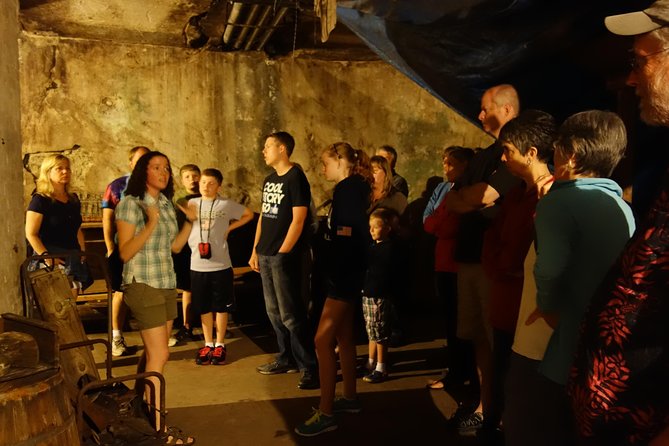
Seattle’s Pioneer Square history shows up in the tour as a sequence of cause-and-effect moments. One story leads to the next, and the Underground becomes the stage where those changes made themselves felt.
You’ll hear about the stampede to the Yukon gold fields and Seattle’s role in the lead-up to the Klondike Gold Rush. Even if you’re not a gold-rush person, the story helps you understand why a port city like Seattle mattered: people moved through it, goods moved through it, and the city’s identity changed fast.
Then you get a look at Skid Row, described here as a dilapidated urban area that served as the main street in Pioneer Square. That part helps explain how a neighborhood can go from being central to being stigmatized, and how those reputations become part of a place’s long memory.






Don’t expect a single continuous tunnel
Here’s a key reality check that affects how the tour feels: the Underground spaces aren’t one continuous system. You’ll walk above ground to move between separate underground sections. That means you spend time outdoors and sidewalks as part of the experience, not only underground.
If you’re the kind of traveler who pictures staying underground the whole hour, you might feel a bit let down. But if you accept that you’re learning how the neighborhood connects above and below, that above-ground walking starts to make sense—because it’s how you connect each historical moment to the spot where it happened.
The guided difference: how the best tour guides make it click
The tour is built around a professional guide, and this is where the experience shines. A big chunk of the most enthusiastic feedback is about guides being funny, animated, and genuinely excited to teach.
You may see names like David (one review mentions David Norman Lewis), Patti, Imogen, Sarah, Daniel, Jim, and Vanessa connected to five-star experiences. The takeaway isn’t that you’ll get the exact same person; it’s that the guides in this program tend to bring personality and humor, not a flat script.
Training matters, too
This tour isn’t only “a person with facts.” The guide team participates in workshops on cultural traditions and history, including professional development with special guest historians and Native Tribal members. That shows up in the way the guide frames the Indigenous presence in the area instead of treating it like an optional footnote.
The guides also tend to mix humor with historical accuracy. One recurring theme from the feedback is that the tour doesn’t feel memorized. You’re more likely to get side explanations and live answers to questions, which makes the hour feel less like a lecture and more like a conversation with someone who knows the neighborhood.
Stairs, uneven surfaces, and the comfort check you should do first
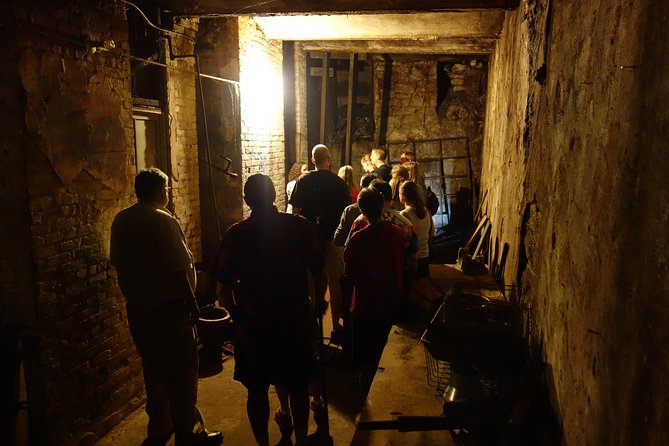
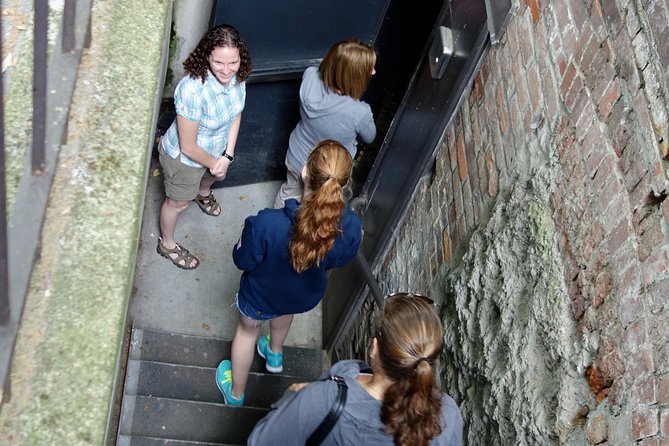
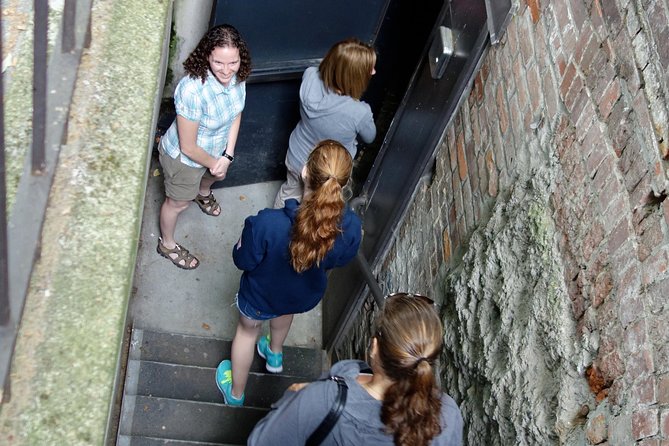
This is the most practical part of the decision. The tour includes three flights of stairs up and down across the hour. That alone doesn’t mean it’s hard for everyone—but it does mean you should plan for it.
Some feedback also notes lots of steps and uneven surfaces. So think “safe footing” more than “easy stroll.” Grippy shoes help more than you’d expect, especially if it has rained.
If you’re claustrophobic, don’t guess
One review specifically mentioned that a partner who is claustrophobic didn’t end up feeling worse during the tour. Still, that’s personal. If you’re worried about tight spaces, treat this as a “check first” situation and decide based on your own comfort level with stairwells and enclosed areas.
How long you’ll be above ground vs. below
The tour is about an hour total, and it walks roughly half a mile (about 0.8 km) at a leisurely pace. The exact time underground can vary, because the Underground spaces aren’t connected and the group has to travel between them.
Some people end up wishing there were more time spent below street level, especially at this price point. The counterpoint is that the above-ground segments are part of the story: you’re learning what changed at street level and why that made the Underground important.
So here’s a simple way to judge it for yourself:
- If you want only tunnel time, you may feel shortchanged.
- If you want the full Pioneer Square story as it connects above and below, you’ll get more out of it.
Price and value: $29.03 for an hour of local storytelling
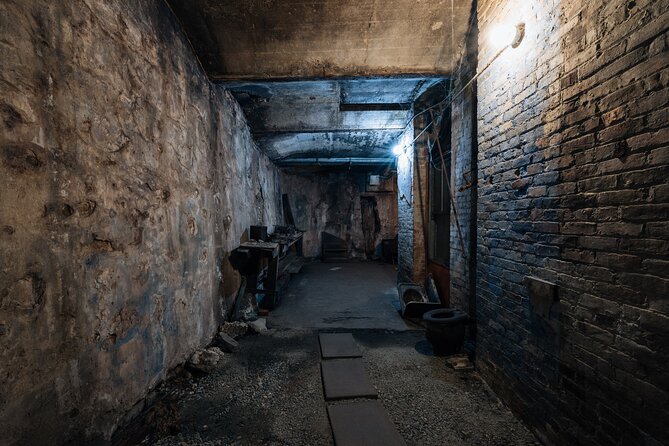
At about $29.03 per person, this tour sits in a reasonable “pay for a good guide” range. For value, the question isn’t the number—it’s what you get for the hour.
You get:
- a professional guide
- a structured route through old Pioneer Square
- stories tied to major Seattle moments like the Klondike Gold Rush
- and access to historic underground passageways linked to the 1890s neighborhood
When the guide is strong, this kind of tour becomes one of the best ways to understand Seattle quickly. You’re not just seeing places; you’re learning the logic behind them.
Who gets the most value from this price
You’ll likely feel it’s worth it if:
- you enjoy guided history that includes humor
- you want context for Pioneer Square beyond photos
- you’re okay with an experience that includes walking time outside and stair time
If you’re mainly chasing “the most underground minutes for the money,” you might compare options and decide based on your underground ratio preference. That’s a totally fair lens.
Scheduling and group size: easy to fit in, not crowded
There are numerous tour times, which makes it easier to place the tour into a day without wrecking your itinerary. On average, it’s booked about 12 days in advance, which is a hint that popular slots can fill.
The group size is capped at 20 travelers, so you’re not swallowed in a massive crowd. In practice, that often means you can hear the guide better and ask questions without feeling like background noise.
Who should book Beneath The Streets?
This tour is a strong fit for:
- first-timers who want more Seattle meaning than a basic walking loop
- locals who want the Pioneer Square story from the “how we got here” angle
- families with kids who can handle stairs and an hour of walking and listening
One review said the tour worked well for teenagers, and another mentioned a child enjoying the Underground experience—so it can work across ages as long as everyone is comfortable with steps and uneven areas.
Who should think twice
Think twice if:
- you have mobility limits that make stairs difficult
- you expect a mostly-underground, no-outdoor-walking experience
- you’re very sensitive to enclosed spaces
None of that is meant to scare you. It’s just you planning smart so the tour matches your comfort level.
FAQ
FAQ
How long is the Beneath The Streets Underground History Tour?
It runs about 1 hour (approx.).
Where do I start and where does the tour end?
You start at 102 Cherry St, Seattle, WA 98104 and the tour ends around the Union Trust Building, 119 South Main St, Seattle, WA 98104.
What language is the tour offered in?
The tour is offered in English.
Is a mobile ticket used?
Yes, the tour uses a mobile ticket.
Does it run in bad weather?
It operates rain or shine, so dress appropriately for the weather.
Are service animals allowed?
Yes, service animals are allowed.
How many stairs are involved?
The tour includes three flights of stairs, up and down each flight, throughout the hour.
Is the group small?
Yes. The tour has a maximum of 20 travelers.
Should you book this tour?
I’d book it if you want a smart Seattle history hour with a guide who mixes storytelling and humor, plus the chance to see 1890s underground passageways tied to Pioneer Square. It’s especially worth it if you care about the “why” behind how Seattle grew—from the Klondike rush energy to the neighborhood shifts that led to Skid Row and the way the Coast Salish presence is part of the area’s real story.
I’d skip it or compare first if you’re mainly chasing the most time underground with minimal outdoor walking. The Underground spaces here aren’t connected, so you’ll be going above ground between sections, and the stairs are part of the deal.
If you go in with that mindset—comfortable shoes, realistic expectations—you’ll come away with a Pioneer Square that feels new, even if you think you already know Seattle.