REVIEW · NEW YORK CITY
NYC: Contrasts Tour of Harlem, The Bronx, Queens & Brooklyn
Book on GetYourGuide →Operated by Interviajes NY · Bookable on GetYourGuide
If you want New York fast, this tour gives it to you. It’s a guided, air-conditioned circuit through four boroughs with real cultural context, not just photo stops, plus the chance to end where you’ll actually keep exploring. I especially like how the route forces big neighborhood contrasts—Manhattan’s famous stages, the Bronx’s street-art walls, Queens’ immigration energy, and Brooklyn’s Williamsburg Jewish Quarter.
I also love the way the guide turns iconic spots into stories you can remember, with stops built for cameras and walking breaks (like the Joker stairs in the Bronx). One heads-up: this is an all-day walking-light, but not walking-zero experience, and it’s not set up for people with mobility impairments or wheelchair users.
In This Review
- Key highlights that make this tour worth your time
- A four-borough contrasts tour that starts in motion
- Harlem: famous stages, then real neighborhood context
- The Bronx: Joker stairs, Yankee Stadium photos, and street art with names
- Queens by Whitestone Bridge to Flushing Meadows-Corona Park
- Williamsburg’s Jewish Quarter: the contrast part is real
- Where you end: DUMBO for views, or Chinatown and Little Italy for dinner energy
- Option A: DUMBO ending
- Option B: Chinatown and Little Italy ending
- Price and value: why $39 can actually make sense
- Who should book this (and who should skip it)
- The guide’s role: what makes the day feel personal
- How to make the most of the photo stops
- Should you book the NYC Contrasts Tour?
- FAQ
- How long is the tour?
- How much does the tour cost?
- Where does the tour start?
- What boroughs does it cover?
- What are the end drop-off choices?
- Are meals included?
- What languages is the guide available in?
- Is hotel pickup available?
- What should I bring?
- Is it suitable for wheelchair users or people with mobility impairments?
Key highlights that make this tour worth your time
- Harlem film-and-music landmarks like the Cotton Club and Apollo Theater areas, even when you’re just passing by.
- The Joker stairs in the Bronx, plus photo time at Yankee Stadium.
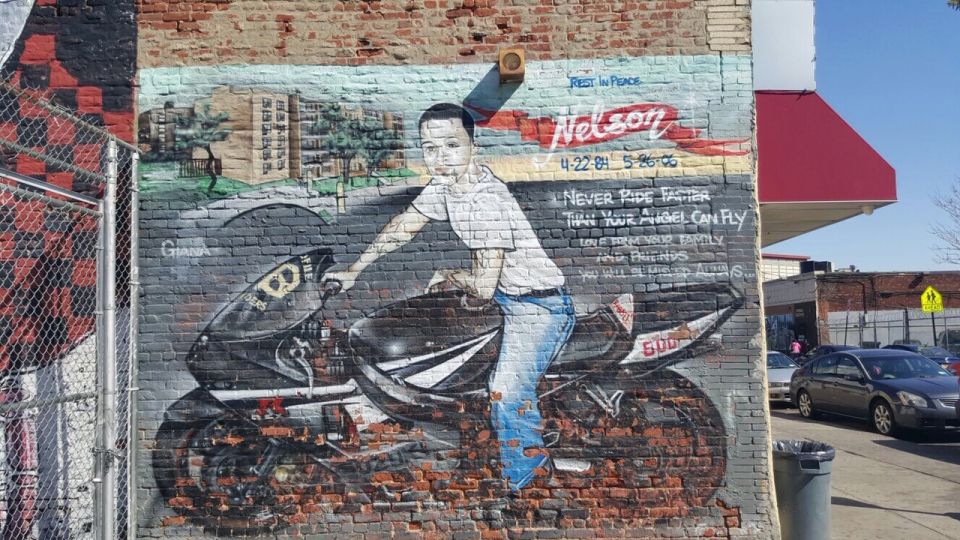
- Bronx street art with named murals, including the Big Pun mural and the I Love the Bronx mural (1970), with stories behind them.
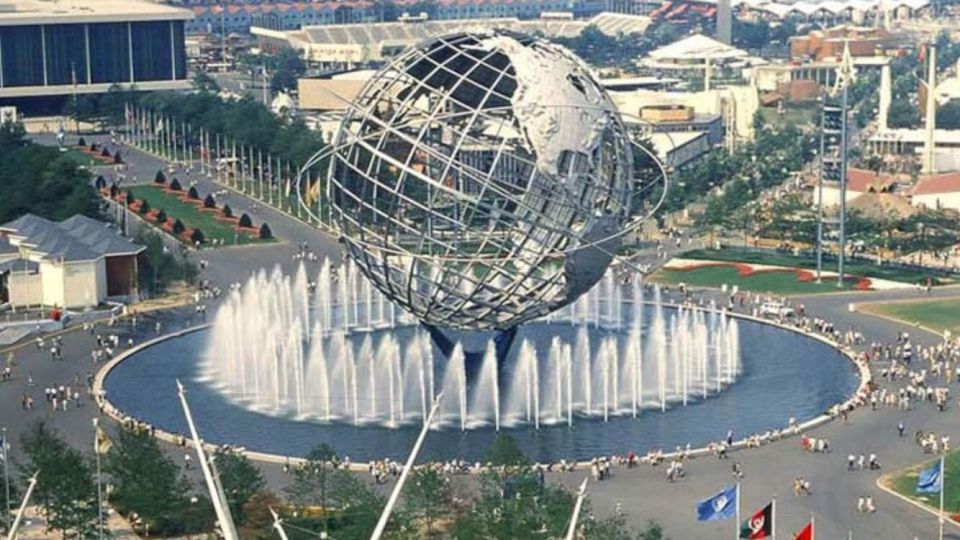
- Flushing Meadows-Corona Park stops, including the Unisphere and the movie connection at this famous park.
- Queens and Williamsburg contrasts, from Whitestone Bridge/MALBA to the Jewish Quarter in Williamsburg.
- Two ending choices: DUMBO/Brooklyn Bridge views or Chinatown/Little Italy food streets.
A four-borough contrasts tour that starts in motion
This is a “get your bearings fast” style of New York day. You start around Times Square (the pick-up setup depends on what you booked), then you head north, moving along the Hudson River before you start layering neighborhoods on top of each other. It’s not a slow sightseeing crawl. It’s more like a guided route that keeps you learning while the city changes under your window.
The whole thing runs about 270 minutes, which is long enough to cover serious territory but short enough that you don’t have to sacrifice your next day. The ride is by air-conditioned vehicle, with a bus/coach segment and then a van segment as you transition through areas.
You can also read our reviews of more tours and experiences in New York City.



Harlem: famous stages, then real neighborhood context
Your Harlem experience begins as you travel through the area rather than parking beside a single “must-see” attraction. You pass by the Cotton Club and the Apollo Theater—two names that basically define how Harlem got mapped in American entertainment. Even from the road, those landmarks matter because your guide can frame what Harlem was offering culturally at different times, and why that legacy still shows up in how people talk about the neighborhood.
If you’re the type who likes to understand places, not just stand next to them, this part works well. You get the big names early, so when you later see other boroughs with their own identities, you can compare the “why” behind each one.
The Bronx: Joker stairs, Yankee Stadium photos, and street art with names
The Bronx is where the tour starts feeling more like a conversation than a slideshow.
First comes the stop for the Joker stairs. This is one of those moments where the movie connection is obvious, but the real value is what happens around it—how the guide explains what street corners represent and why certain locations become symbols. You’ll have photo time and a chance to walk a bit without feeling rushed.
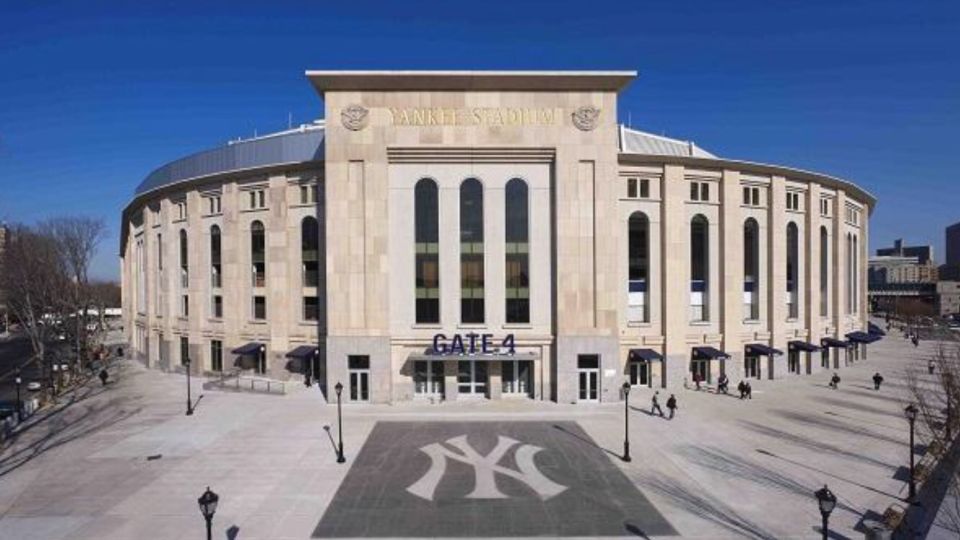
Next, you’ll do a photo stop at Yankee Stadium, plus a break. There’s time built in for a bathroom stop and more pictures. It’s a smart pause in the schedule, because the day keeps moving and you’ll want that reset before the next stretch.
After that, the tour leans into the Bronx’s urban stories. You’ll pass through key corridors like Grand Concourse Avenue and then stop at the 42nd Precinct, known from the Fort Apache film. That stop is useful even if you don’t care about the movie trivia, because it helps explain how media images connect to real community spaces.
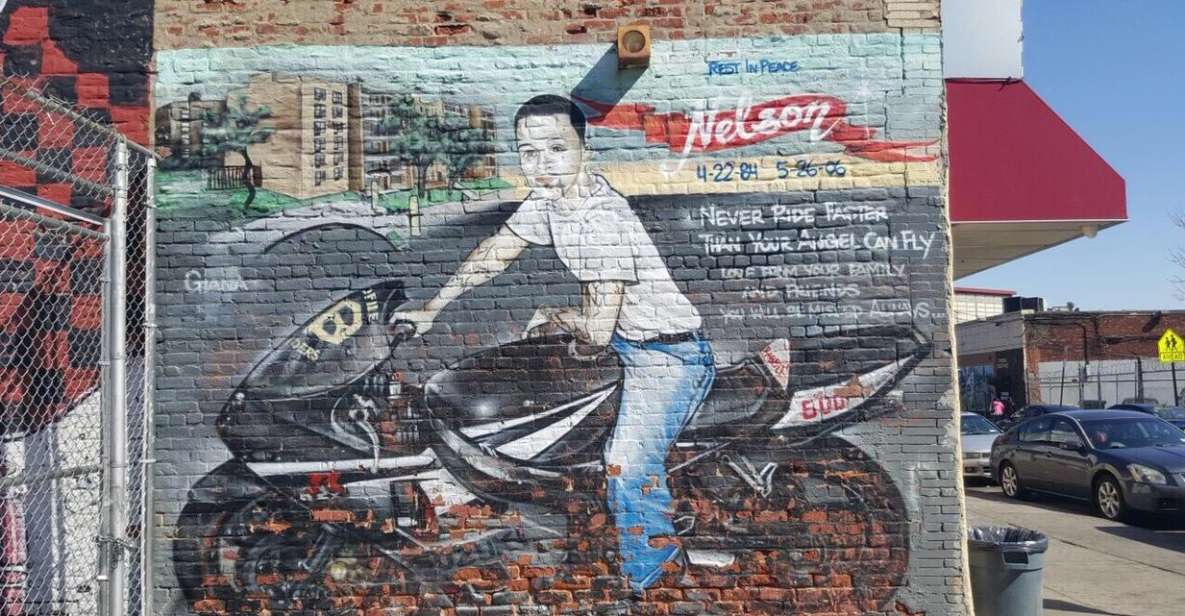
Then comes the heart of the Bronx section: street art. You’ll see named murals, including the graffiti dedicated to rapper Christopher Rios, known as Big Pun, plus the I Love the Bronx mural created in 1970, with the Tats Cru piece also part of what you’ll look for. The guide doesn’t just point and name. You’ll get the stories behind what you’re seeing and enough time to photograph the walls properly.
Practical tip: the Bronx portion involves a few stops and walking chunks. Wear comfortable shoes, because the best photo angles usually mean you’ll be moving a bit more than you expect.
Queens by Whitestone Bridge to Flushing Meadows-Corona Park
Once the Bronx energy settles, the tour heads into Queens, and you can feel the shift fast. Queens is described here as New York’s largest and most multicultural borough, and the route matches that idea: you cross the Whitestone Bridge, then continue to MALBA, a neighborhood that began with wealthy boaters and fishermen and now shows up as a mix of handsome, mansion-like homes.
From there, you land at Flushing Meadows-Corona Park, one of those places where New York history and pop culture overlap constantly. You’ll be looking at major landmarks in the park area, including the Mets stadium environment and the USTA Billie Jean King National Tennis Center. There’s also a movie connection here tied to Man in Black I, which gives you a fun way to anchor the sight in your mind.
You also get a Unisphere photo stop. If you only remember one thing from Queens on this tour, make it this: it’s a strong visual landmark that instantly tells you you’re in Flushing Meadows-Corona Park.
This section is valuable because Queens isn’t presented as a single “attraction.” It’s presented as a lived-in mosaic—immigration, languages, shops, and restaurants all changing the feel of the street.
Williamsburg’s Jewish Quarter: the contrast part is real
Brooklyn comes last, and the final borough shift is deliberate.
You’ll reach Williamsburg and visit the Jewish Quarter. This is a different kind of contrast from what you’ve already seen. It’s not just about changing boroughs—it’s about seeing how traditions and daily life stay in motion alongside the trendy Brooklyn side that shows up in TV and film.
You’ll have a mix of time for photos and guided context, plus some free time. The goal here isn’t to turn Williamsburg into a checklist. It’s to let you see how a neighborhood identity can be both visible and grounded, even when the city around it keeps changing.




Where you end: DUMBO for views, or Chinatown and Little Italy for dinner energy
This tour is flexible at the end, and that’s a big deal in a city where your best plan depends on your mood.
Option A: DUMBO ending
If you choose DUMBO, you get the classic Manhattan Bridge photo angle between buildings, and then you can head toward options like Time Out (for an easy value meal) or Grimaldi’s, described here as Brooklyn’s oldest pizzeria. If you want one of the most memorable “walk it off” moments, finishing here can also mean going across the Brooklyn Bridge into Manhattan for panoramic views and the Statue of Liberty in the background.
Option B: Chinatown and Little Italy ending
If you choose the other drop-off, the energy shifts toward food streets. The tour ends in Chinatown, with access to Little Italy, where you’ll find some of the best Italian food in New York. This ending makes sense if you’d rather keep wandering on your own and you already know you want a hearty dinner right after the tour.
Either way, your guide sets you up with a neighborhood base so you’re not stuck at the end wondering what’s nearby.
Price and value: why $39 can actually make sense
At $39 per person for about 4.5 hours across multiple boroughs, this is priced like a budget-friendly “big picture” day. The value comes from three things:
- You get a professional guide throughout, with context for what you’re seeing.
- You’re covering Harlem, the Bronx, Queens, and Brooklyn in one route, which is hard to do efficiently on your own without planning and transit stress.
- You get structured stops designed for photos and learning, not just passing roads.
You’ll notice the tour doesn’t include food and drinks, so I’d plan to eat before or after. But the schedule includes breaks at points like Yankee Stadium and the Big Pun mural area, which helps you avoid the classic “I’m starving and I don’t have time” problem.
Who should book this (and who should skip it)
This tour is best for you if:
- You want to understand New York as more than Manhattan
- You like guided storytelling with photo stops built in
- You’re curious about how identity, culture, and city design show up neighborhood to neighborhood
It’s not a great fit if:
- You have mobility challenges or use a wheelchair. The tour is listed as not suitable for mobility impairments and wheelchair users.
- You hate walking entirely. It’s not a hiking tour, but you do have photo-stops with walking.
Also keep in mind the rules: no pets, and no luggage or large bags. Bring your ID (a copy is accepted), and wear shoes you can stand in for the photo moments.
The guide’s role: what makes the day feel personal
One of the strongest reasons people rate this tour highly is how the guides handle the “why.” Names that show up in the tour experience include Stalina, Frank, Francisco, Diego, Augustine, and others—people consistently highlight strong storytelling, strong energy, and an ability to connect neighborhoods to real social and economic realities.
What that means for you: you’re not just seeing murals and landmarks. You’re learning how those places came to represent something—whether it’s street art tied to names like Big Pun, or cinematic locations like the Fort Apache precinct area, or how Queens and Brooklyn evolve through waves of residents and culture.
How to make the most of the photo stops
A few small habits will improve your photos and your comfort:
- Bring layers. The tour runs a few hours and you’ll be outside for stops, even when most of the time is riding.
- Use your break time. The tour includes breaks like at Yankee Stadium and in the Bronx street-art area. It’s when you can catch up on photos and still stay on schedule.
- Charge up early. You’ll get multiple photo moments: Joker stairs, Yankee Stadium, Big Pun and I Love the Bronx murals, Unisphere, and then the Brooklyn endings.
- Pick your ending now. If you’re hungry for food, choose Chinatown/Little Italy. If you want scenic walking and big views, choose DUMBO.
Should you book the NYC Contrasts Tour?
I’d book this tour if you want a guided, efficient way to see the big differences between boroughs without spending your whole day on transit and guesswork. At $39 and roughly 4.5 hours, it’s a good value if you care about context—especially for Harlem to Bronx street art, and Queens to Williamsburg contrasts.
Skip it if you need a fully accessible, low-walking experience. And if you’re the type who only wants one neighborhood at a time, you might find the day moves quickly. But if you’re trying to build a mental map of New York fast, this one delivers.
FAQ
How long is the tour?
The duration is listed as 270 minutes.
How much does the tour cost?
The price is listed as $39 per person.
Where does the tour start?
The meeting point can vary depending on the option you booked, but the tour is described as starting around the Times Square area.
What boroughs does it cover?
It covers Harlem, the Bronx, Queens, and Brooklyn.
What are the end drop-off choices?
You can choose where to end: DUMBO, or Chinatown and Little Italy.
Are meals included?
Food and drinks are not included.
What languages is the guide available in?
The live tour guide is available in English and Spanish.
Is hotel pickup available?
Pickup is optional if your hotel is located in Midtown Manhattan, but you must contact the provider after booking to define the pickup location.
What should I bring?
Bring comfortable shoes and an ID card (a copy is accepted).
Is it suitable for wheelchair users or people with mobility impairments?
No. The tour is listed as not suitable for people with mobility impairments or wheelchair users.