REVIEW · OAHU
Oahu Beachfront ATV Adventure and Farm Tour
Book on Viator →Operated by North Shore Stables · Bookable on Viator
Drive an ATV on Oahu’s North Shore. At North Shore Stables in Waialua, you drive your own 4-wheel ATV across oceanfront farm land and help the shoreline by planting a native Hawaiian shoreline plant. It’s not just a ride; you also hear the spiritual and physical connection of Kapukapuakea to Taputapuatea (UNESCO).
My favorite part is that the experience turns into something you can point to afterward. You’re not watching restoration from a distance—you choose one of 49 native shoreline plants and place it as part of the shoreline-building effort. One caution: this tour is more about guided movement and farm scenery than high-speed trail riding, and the route can get dusty and muddy, so plan for a workout in the elements.
In This Review
- Quick hits before you go
- North Shore Stables: The Waialua beachfront farm setting
- Your own 2022 Kawasaki ATV: What the ride is really like
- Stop 1: The shoreline farm route, history talk, and planting moment
- Animals, soil care, and the Korean Natural Pig Farming angle
- Timing, check-in, group size, and what to wear
- Photo package heads-up
- Price check: Is $130.89 worth it for an hour?
- What can go wrong (and how you can prevent it)
- Who this tour fits best
- Should you book North Shore Stables’ ATV and farm tour?
- FAQ
- How long is the Oahu ATV and farm tour?
- Where does the tour start?
- Can I drive my own ATV?
- Is a helmet provided?
- Do I need closed-toe shoes?
- Is eye protection included?
- What happens during the tour?
- Is the tour in English?
- How big are the groups?
- What if the weather is bad?
Quick hits before you go
- Drive-your-own ATV setup: You ride a 2022 Kawasaki ATV, not a UTV setup with a steering wheel and a passenger.
- Plant your own shoreline species: Choose a native shoreline plant and help restore the only restored shoreline in Hawaii.
- Kapukapuakea + Taputapuatea context: You’ll learn how this 1,000-year story connects to Polynesia and UNESCO.
- Working farm details: The tour ties the land care to soil and farming practices, including Korean Natural Pig Farming.
- Small group feel: Maximum group size is 16, so you’re less likely to get lost in the crowd.
- Wear the right gear: Closed-toe shoes are required, and you’ll want clothes you don’t mind getting dirty.
North Shore Stables: The Waialua beachfront farm setting
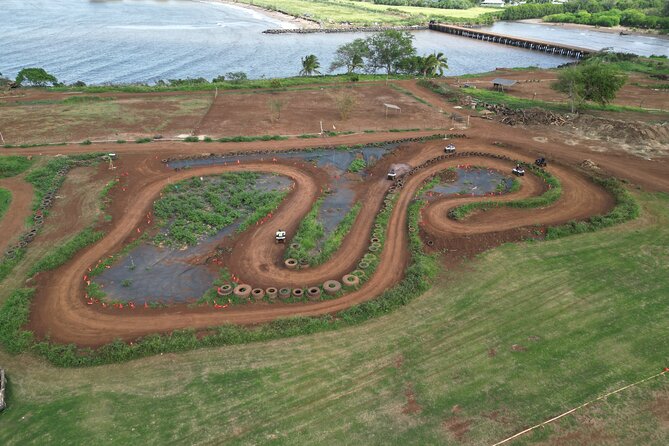
This is set on Oahu’s North Shore countryside in Waialua, at North Shore Stables, on the edge of farm land near the ocean. Even before you start riding, the vibe is built around a real working place—animals, soil care, and shoreline attention—not a staged theme park.
The “beachfront” part of the story matters here for a specific reason: the tour is tied to shoreline erosion control. When you hear about why native plants are used, it becomes easier to understand why the track, the timing, and the planting step are all part of the same plan. This isn’t just to get you muddy. It’s to connect a ride to an environmental outcome you can actually see later.
Price-wise, you’re paying for three things at once: the ATV use (you drive), the guided history and ecology talk, and the planting moment. At $130.89 per person for about 1 hour, it can feel steep—until you compare it to the common “ATV only” tours that don’t include hands-on restoration or this specific shoreline-plant focus.
You can also read our reviews of more tours and experiences in Oahu.

Your own 2022 Kawasaki ATV: What the ride is really like
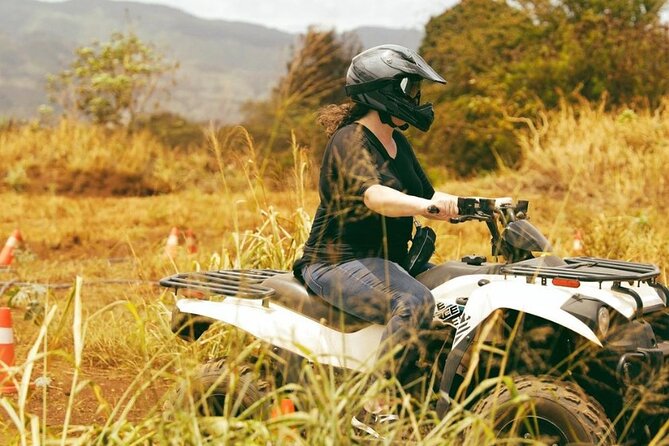
You’ll be assigned a personal ATV and drive it yourself. The operator is clear that this is not a UTV format. That distinction matters because it changes how the ride feels: you’re more in control of your motion, balance, and pacing, and you’ll also experience more of the dust and bumps up close.
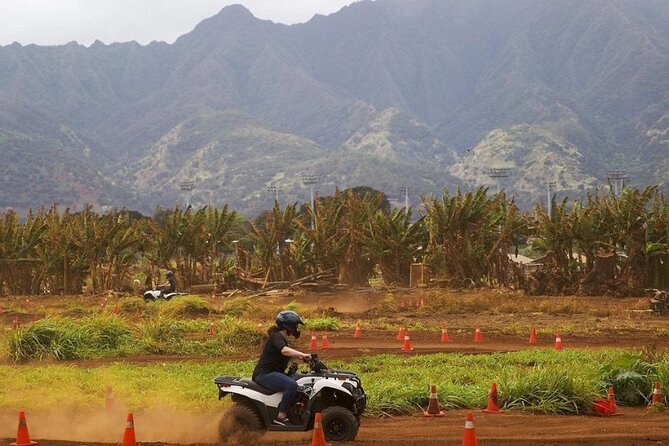
Expect a guided route through 80 acres of beachfront farm lands and onto their ATV track. A few riders have said the pace can feel more like a controlled, beginner-friendly loop than a fast, adrenaline-style trail day. So go in with the mindset of: scenic riding plus instruction, not racing or long stretches of nonstop speed.
The track is described as dusty and muddy. That matches the best advice you’ll get here: wear clothes you don’t care about. If you show up in your “vacation outfit,” you’ll regret it. Bring a plan for post-ride comfort too—some people recommend a second pair of shoes or sandals for after.
Also note the safety basics are not optional. You need a helmet, and you should plan to use their offered eye protection (goggles or safety glasses are available, or you can use your own sunglasses). Because the ride involves dust, eye comfort is a big deal.
Stop 1: The shoreline farm route, history talk, and planting moment
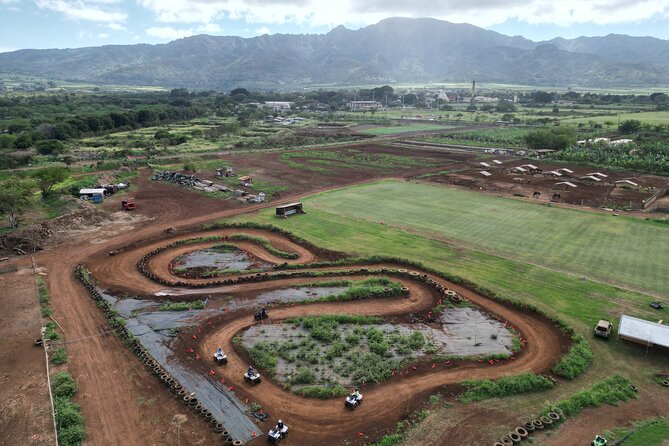
The tour’s core is essentially one big stop that runs about 45 minutes on the ATV after you’re fitted and briefed. That means the experience moves quickly: check in, get helmet and safety instructions, then get rolling.
Before you hit the track, they emphasize being on time. They leave promptly at your reservation time, and early arrival helps you get fitted with helmets and take part in the safety demonstration before the ride starts. If you hate scrambling, arrive early and treat this like a scheduled activity, not a casual drop-in.
Once you’re out driving, you’ll learn about Kapukapuakea, described as a 1,000-year place, and its spiritual and physical connection to Taputapuatea, a Polynesian world heritage site recognized by UNESCO. This is one of the reasons this tour can feel different from a generic ATV excursion. You’re not just told to look around—you’re given a story that connects the land you’re on with the wider Polynesian network and values.
Then comes the part most people remember: you choose a native Hawaiian shoreline plant and personally plant it. The goal is erosion prevention and healthier shoreline development, including building sand dunes. You’ll also learn about the role of 49 native Hawaiian shoreline plants used for shoreline protection. For me, that turns the whole hour into something with a clear “why,” not only a “fun how.”
Animals, soil care, and the Korean Natural Pig Farming angle
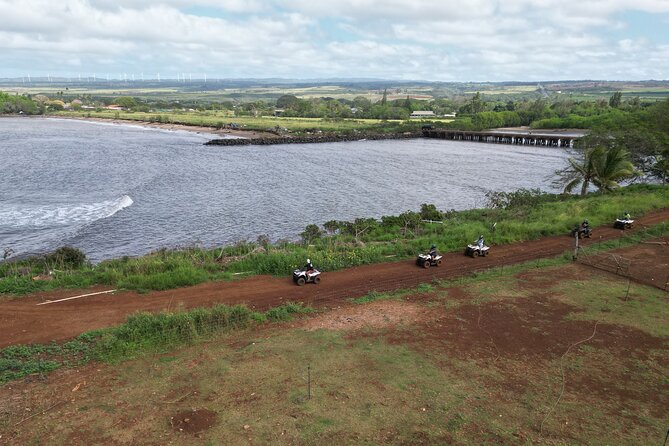
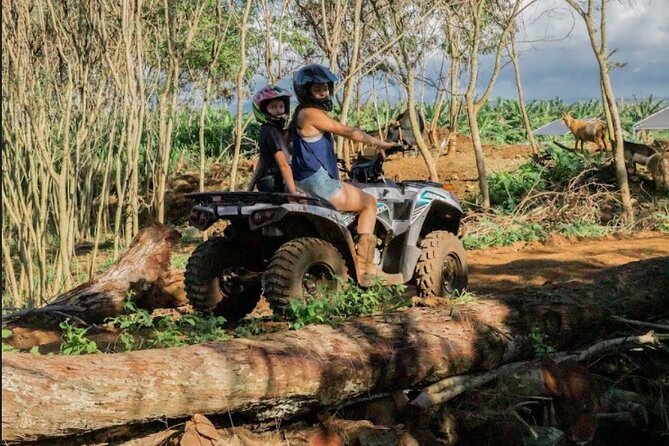
The tour includes a meet-and-learn component with the farm’s animal family. People often get a kick out of seeing goats and other animals up close during the route, and some report feeding opportunities (the key point is that animals are part of the experience, not an afterthought).
One detail that makes this feel more grounded is the talk about soil rejuvenation through Korean Natural Pig Farming. Even if you don’t know much about the method, it’s helpful context: the land restoration story here is broader than just planting shoreline species. It’s about working with the soil ecosystem so the shoreline plan has a chance to succeed.
If you’re the type who likes to ask questions, this is a good setting for it. Guides are there to connect the practical farm work with the bigger cultural message. One guide name that comes up in real experiences is Shavel, described as friendly and part of a smooth, safe ride.
Timing, check-in, group size, and what to wear

This tour operates on a tight schedule. You’ll receive a confirmation at booking, and you’ll get a mobile ticket. Check in online ahead of time to maximize riding time, and show up at least 15 minutes early so you’re fitted and briefed.
Group size is capped at 16, which helps keep the experience from feeling chaotic. Still, you’re riding an ATV in a dust-and-mud environment, so expect a bit of a “hands-on” atmosphere: helmet up, safety rules, then movement.
What to wear is not just a suggestion—it’s required:
- Closed-toe shoes are required for all riders.
- The track is dusty and muddy, so wear clothes you don’t mind getting dirty.
- Goggles or safety glasses are available; sunglasses work too.
- Rubber boots are not included. If you want extra protection for your shoes, there’s mention of boot needs for shoe protection.
One extra tip based on common friction: some people report needing an additional face covering under the helmet if the provided ones weren’t to their standards. If you’re sensitive to dust or you want cleaner gear, bring your own face covering so you’re not making an add-on decision at the start.

Photo package heads-up
There’s a Polaroid photo package option. Some riders feel it’s pricey. If you’re trying to keep costs under control, ask what’s included in the photo package before you commit. If you want the keepsake anyway, plan for it so it doesn’t pop up as a surprise after the ride.
Price check: Is $130.89 worth it for an hour?
At $130.89 per person for about 1 hour, you’re paying for more than ATV time. You’re buying:
- a drive-your-own 4-wheel ATV (not a passenger setup),
- required safety gear like helmets and offered eye protection,
- a guided history and ecology lesson tied to Kapukapuakea and Taputapuatea,
- and the hands-on planting experience using native shoreline plants.
That combo is why the value can be strong for people who want more than “ride and leave.” If your ideal Oahu day is cultural learning plus active outdoors, this price starts to make sense.
But if your main goal is high-speed trail riding or a long stretch right along the open ocean like you’d expect from the word beachfront, you might find the route disappoints you. Some riders describe the ride as relatively slow and more “guided” than wild. In that case, compare the cost to other ATV or ranch experiences that lean harder into speed and longer tracks.
What can go wrong (and how you can prevent it)
The biggest mismatch I see people make is expecting this to feel like a racing course. It’s a working farm and restoration site. The goal is controlled riding, safety, and education, not a long high-speed playground.
Second, the environment is messy. Dust and mud are part of the deal, and that can turn a fun activity into an annoying one if you plan your outfits around looking pristine in photos. Bring the right shoe type, and don’t skip the “second pair of shoes” idea.
Third, gear quality expectations. Helmets and eye protection are provided, but if you’re picky about face coverings, plan ahead with your own. If you dislike add-ons, keep an eye on the photo package and any optional protective items.
Finally, because this involves restoration, land conditions can change. If you’re booking on a dry season day, you’ll likely feel more dust. If you’re booking after wet weather, you might get more mud. Either way, your clothing choice matters more than you think.
Who this tour fits best
This tour is a strong match if you:
- want an ATV but also want a guided story you can connect to real places,
- like hands-on environmental action like planting a shoreline species,
- prefer smaller groups and a calmer, safety-first pace,
- and enjoy a working ranch environment with animals and land care practices.
It may feel like the wrong choice if you:
- only want fast, technical off-road trails with big action,
- expect a long, continuous beachfront ride right at the shoreline edge,
- or need a spotless, dry, fully polished experience.
A practical way to decide: if you’d be excited to come home knowing you helped plant shoreline species, book it. If you just want maximum throttle time, shop around.
Should you book North Shore Stables’ ATV and farm tour?
Yes, with clear expectations.
Book it if you’re excited to drive your own ATV, get a guided history lesson tied to Kapukapuakea and Taputapuatea, and take part in shoreline restoration by planting a native species. The small group size helps, the setting is different from the more crowded areas, and the restoration focus gives the hour real meaning.
Skip or reconsider if you want nonstop speed, a long, fully ocean-front riding route, or a very clean, dry experience. Also consider bringing extra gear for dust and comfort so the day stays fun instead of irritating.
If you do book, go in prepared: arrive early, wear closed-toe shoes, expect mud and dust, and keep one eye on the optional photo and face-covering items. Do that, and you’re likely to walk away thinking this was a smart North Shore activity with more heart than most ATV tours.
FAQ
How long is the Oahu ATV and farm tour?
It runs for about 1 hour. The ATV ride segment is listed as about 45 minutes.
Where does the tour start?
The meeting point is North Shore Stables, 67-221 Waialua Beach Rd, Waialua, HI 96791.
Can I drive my own ATV?
Yes. This tour provides individual ATVs and you will drive your own 4-wheel ATV.
Is a helmet provided?
Helmets are required, and helmets are included.
Do I need closed-toe shoes?
Yes. Closed-toe shoes are required for all riders.
Is eye protection included?
Yes. Eye protection is available (goggles or safety glasses), and you can also use your own sunglasses.
What happens during the tour?
You’ll ride through 80 acres of oceanfront farm land, learn about Kapukapuakea and its connection to Taputapuatea, and choose and plant a native shoreline plant.
Is the tour in English?
Yes, it is offered in English.
How big are the groups?
The tour/activity has a maximum of 16 travelers.
What if the weather is bad?
The experience requires good weather. If it’s canceled due to poor weather, you’ll be offered a different date or a full refund. Cancellation is free up to 24 hours in advance for a full refund.