REVIEW · PAGE ARIZONA
Page: Lower Antelope Canyon Entry and Navajo Guided Tour
Book on GetYourGuide →Operated by National Park Express · Bookable on GetYourGuide
Lower Antelope Canyon changes every few steps. This Navajo-guided tour takes you into the slot canyon for a close-up look at water-carved sandstone, with light and shadow that shift as the sun moves. If you’re chasing great photos, a guide can also help you find phone-friendly angles fast, like the help you might hear people credit to guides such as Shoshana or Omar.
What I like most is the combination of up-close access and story from a local Navajo guide. The canyon has the Navajo name Hasdeztwazi, often described as Spiral Rock Arches, and your guide’s context makes the rock formations feel less random and more meaningful.
One drawback to plan for: the walk involves a 10-minute hike to the entrance plus stairs (with uneven footing and steps up to 25 ft). It’s not set up for people who can’t walk unassisted on slopes and uneven surfaces.
In This Review
- Key things you’ll notice on this Lower Antelope Canyon tour
- Lower Antelope Canyon: the spiral arches you’ll actually walk through
- Where you meet: the two common starting points and how that affects your timing
- Stop 1: check-in and getting ready for tight canyon stairs
- Stop 2: the 1-hour Navajo guided walk through the Lower Canyon
- What the walk feels like
- How the guide improves your photos (even if you just have a phone)
- Photography rules: what you can bring and what you must leave behind
- The Navajo guide factor: why Hasdeztwazi feels more than a viewpoint
- Timing and light: when to go for the best canyon color
- Price and value: is $78 worth it?
- Who this tour is best for (and who should skip it)
- You’ll likely love it if:
- You should think twice if:
- What to bring (and what to wear) so you don’t feel stressed
- Weather and closures: a small risk you should plan around
- Should you book the Lower Antelope Canyon guided tour?
- FAQ
- How long is the Lower Antelope Canyon entry and Navajo guided tour?
- Are there set start times?
- How big is the group?
- What language is the tour guide?
- What should I bring for the tour?
- Are selfie sticks, tripods, or flash photography allowed?
- Can I bring bags or a backpack?
- Is this tour wheelchair accessible?
- What happens if the canyon closes due to weather?
- Can I cancel for a full refund?
Key things you’ll notice on this Lower Antelope Canyon tour
- Small group size (up to 10) means you spend more time seeing and photographing, less time waiting around.
- Navajo-guided context (including the Hasdeztwazi meaning) adds depth to what you’re seeing.
- Constant light changes as the sun angle shifts through the narrow canyon walls.
- Tight stairs and narrow paths make this feel intimate and close, not panoramic and distant.
- Photo rules are strict (no selfie sticks, tripods, flashes, or professional gear), so you’ll plan around smartphone shooting.
Lower Antelope Canyon: the spiral arches you’ll actually walk through
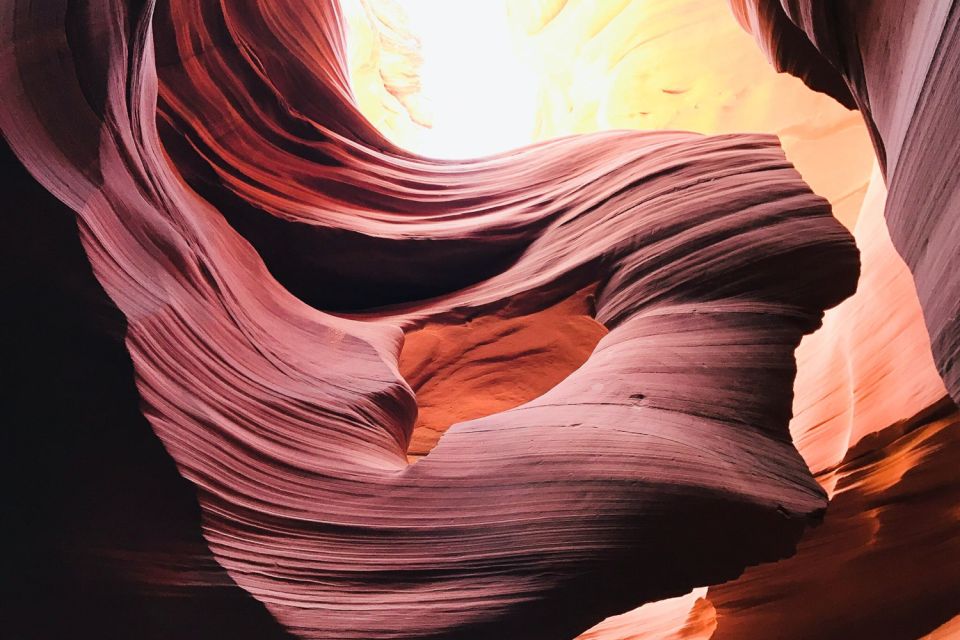
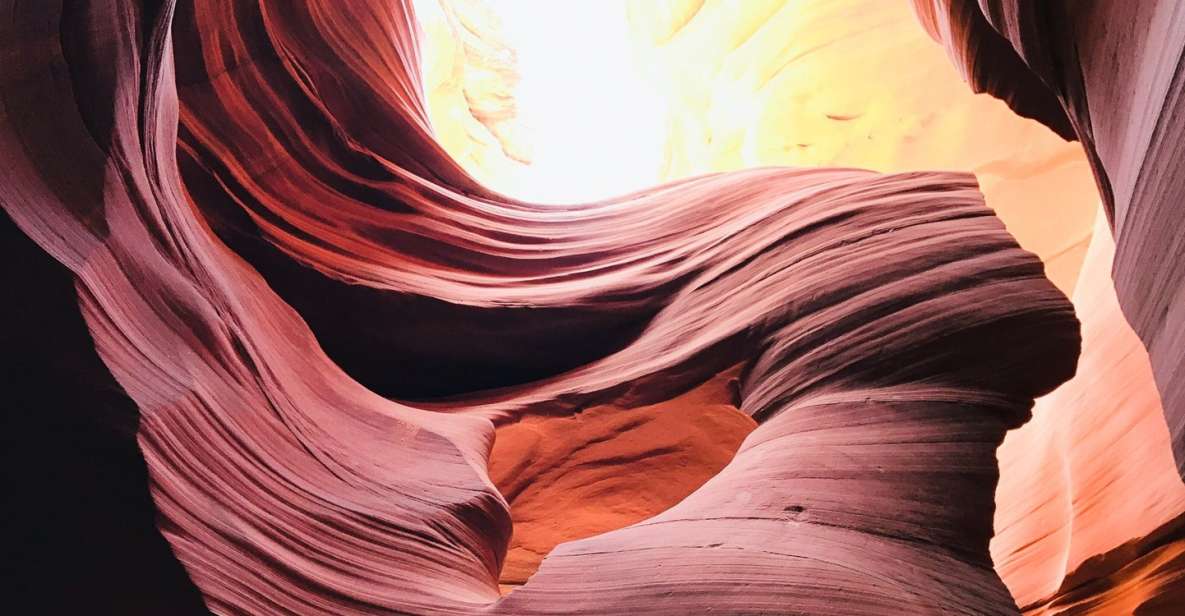
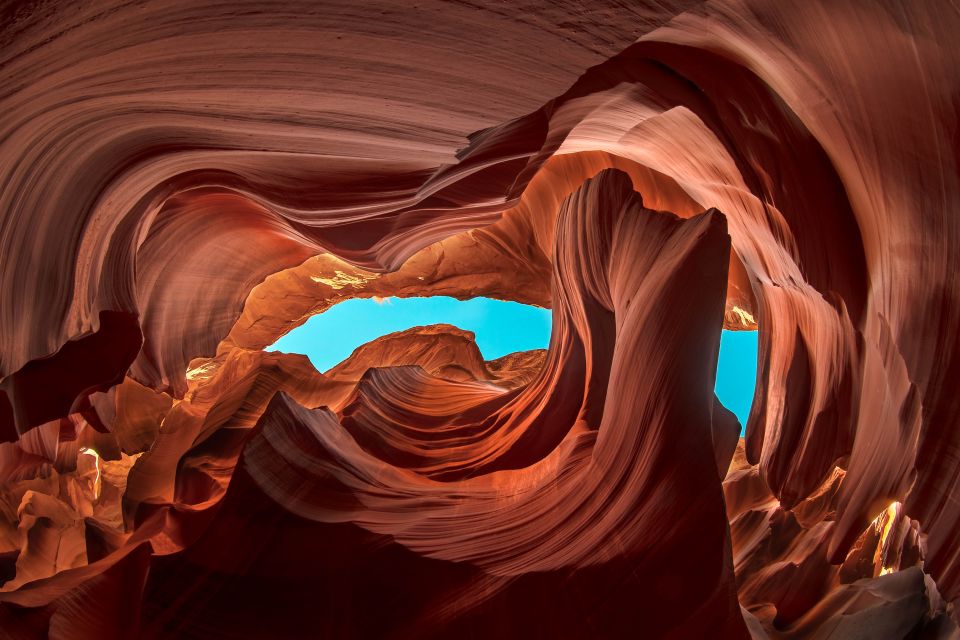
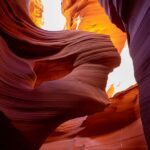
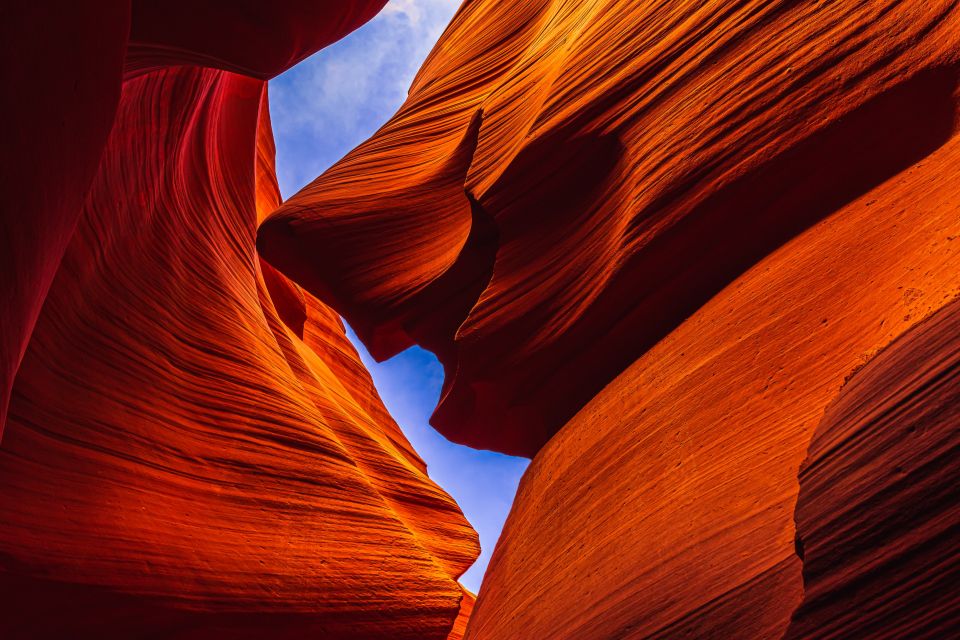
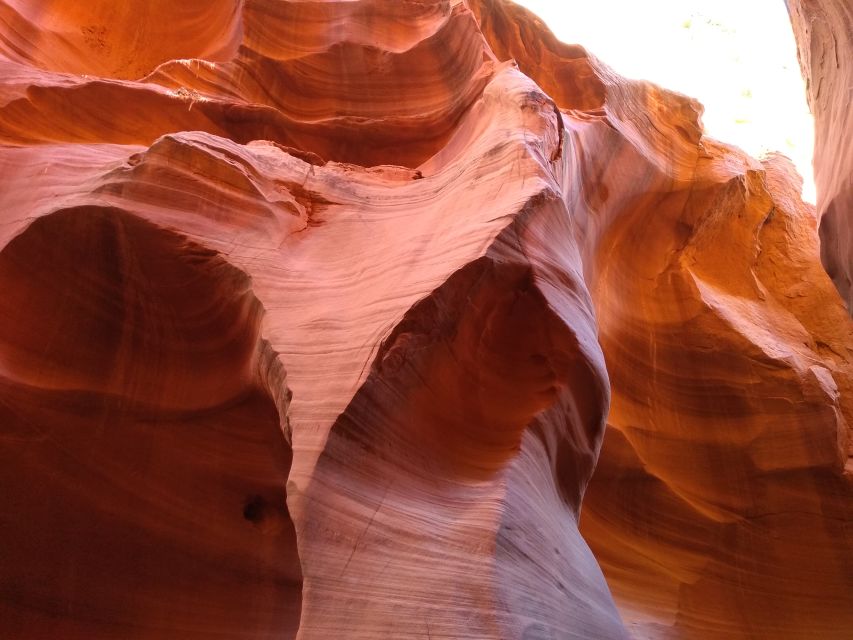
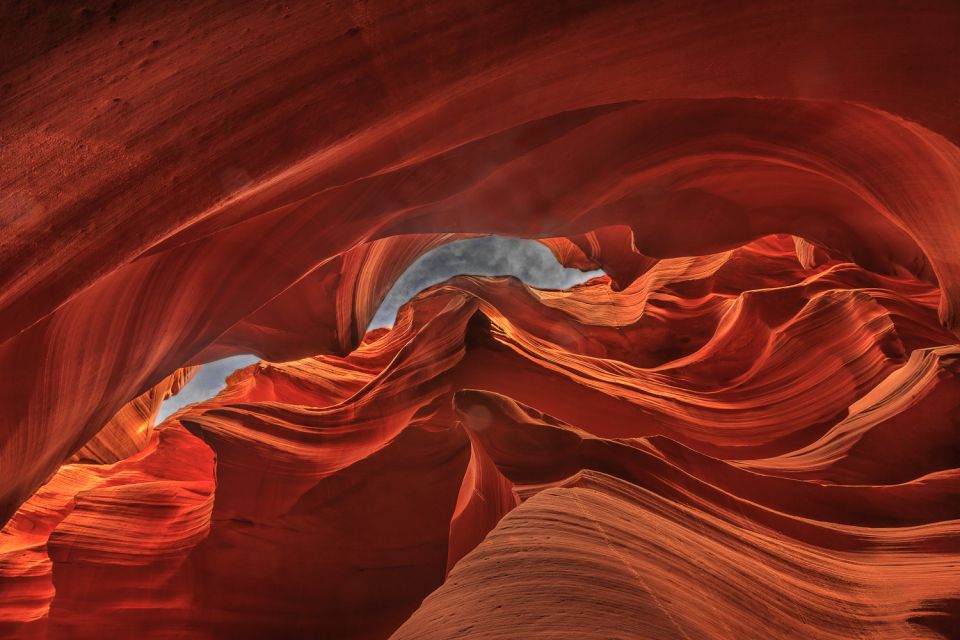
Lower Antelope Canyon is one of those places where “famous” doesn’t feel like hype. You’re not just looking from a distance. You’re inside a narrow slot canyon where the sandstone walls show textures you’d miss elsewhere: ripples, striations, and smooth curves shaped over thousands of years by water and wind.
There’s also a local name you’ll hear: Hasdeztwazi, often translated as Spiral Rock Arches. When your guide explains it while you’re walking, the canyon stops being a collection of pretty photos and starts feeling like a single sculpted space. The spiral look isn’t only artistic. It connects to how erosion and water flow shaped these corridors into flowing forms.
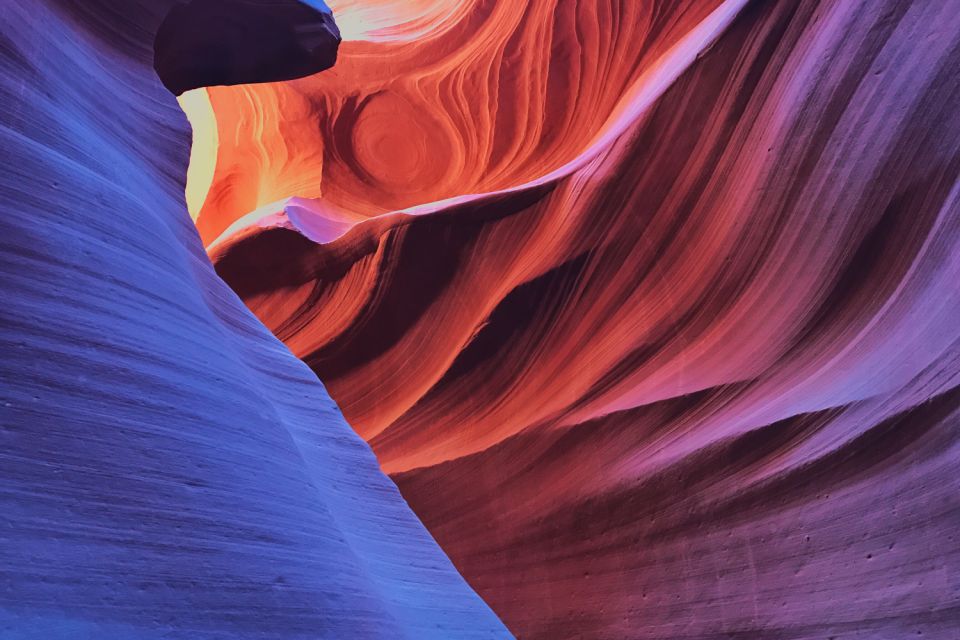
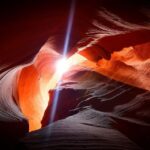
And yes, the light is a big deal. As you move, the sun angle changes, filtering and bouncing back across the walls. Colors and contrasts shift through the narrow passages, so the canyon can look different minute to minute. If you’ve ever tried to photograph that effect on your own, you’ll appreciate having a guide help you hit the best spots.
You can also read our reviews of more tours and experiences in Page Arizona.



Where you meet: the two common starting points and how that affects your timing
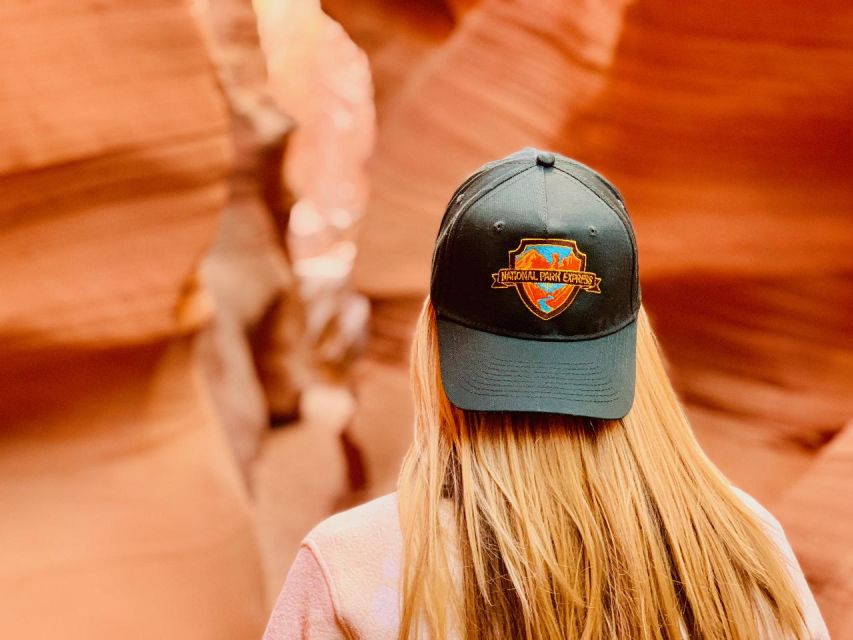
Your meeting point can vary based on the option you book. Two of the listed starting locations are Dixie’s Lower Antelope Canyon Tours and Ken’s Tours Lower Antelope Canyon. In all cases, the activity ends back at the meeting point, so you’re not dealing with a one-way transfer.
Here’s why the starting point matters to your day: you’re not just stepping into the canyon from the parking lot. There’s a 10-minute walk to the entrance, and then you’ll handle stairs. That means arriving late can squeeze your actual time inside, and you’ll feel rushed for the photo moments.
Also, starting times depend on availability. The tour is listed as 1.5 hours total, so build in buffer time for check-in and the walk to the canyon entrance.
Stop 1: check-in and getting ready for tight canyon stairs
Stop 1 is essentially your setup phase: meet your group, get oriented, and get ready for the canyon walk. Even though this isn’t the dramatic part, it can decide how smooth your time inside feels.
You’ll also get the reality check about what’s allowed. Lower Antelope Canyon tours are strict because the canyon is narrow and the footing is uneven. That’s why rules are so specific about bags, devices, and even certain footwear. Before you go, I’d treat the rules as part of the experience design. They keep the canyon from becoming a cluttered bottleneck.
Stop 2: the 1-hour Navajo guided walk through the Lower Canyon
The main event is a guided walking tour for about 1 hour in the canyon itself. This is where the “up close” part becomes real.
What the walk feels like
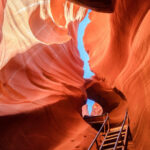
You’ll move along narrow sections where the sandstone walls feel close enough to frame your shots. The canyon includes stairs ranging from 3 ft up to 25 ft in length. Handrails are present for stairs over 8 ft, which helps, but it’s still a step-by-step situation. You’re walking on uneven surfaces with elevation changes, and you need to be able to walk unassisted.
This is the part that makes the guided experience worth it. Even if you know where you’re going, you can easily miss angles or spend too long at one spot while sunlight shifts. A Navajo guide helps you keep the flow so you see more of the canyon’s variety.

How the guide improves your photos (even if you just have a phone)
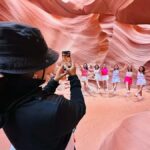
You’ll often hear guides described as helpful with photography, and the structure of the tour supports that. You’re encouraged to photograph, but the canyon rules limit what you can bring—so your success comes from picking the right place and timing.
A smartphone works well here because the tour doesn’t require heavy gear. Some guides are especially good at pointing out “hit these angles now” moments, which matters because the canyon light changes as you move.
Practical thought: plan to shoot in short bursts. With changing light and narrow passages, you’ll get better results by grabbing multiple frames quickly instead of trying to perfect a single shot for a long time.
Photography rules: what you can bring and what you must leave behind
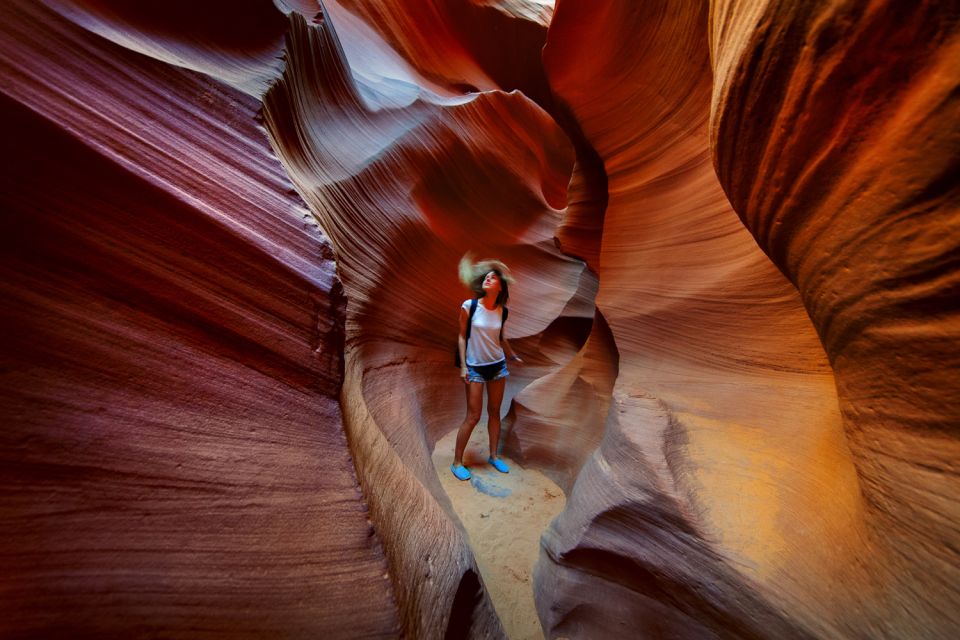
Lower Antelope Canyon is a photographer magnet, but it’s also a controlled environment. The rules are there to keep the canyon safe and to prevent trip hazards in tight spaces.
Here’s what you should expect you can’t use:
- Selfie sticks are not allowed.
- Tripods are not allowed.
- Flash photography is not allowed.
- Professional cameras are not allowed.
- Video recording is not allowed.
- No bags/backpacks and no large items like backpacks, fanny packs, hydration packs, or similar carry options.
What this means for you: travel light. If your camera plan depends on tripods or bulky supports, you’ll need a new approach. Stick to a smartphone or the allowed camera setup you’re carrying in, and focus on composition and timing.
Also, come with closed-toe shoes. The canyon is a place where footwear matters because you’ll be on stairs and uneven ground.
The Navajo guide factor: why Hasdeztwazi feels more than a viewpoint
It’s easy to treat Antelope Canyon like a stop on a photo list. The Navajo guided format is what changes the vibe.
The guide isn’t just there to herd people safely through steps. You’ll hear explanations that connect the rock shapes to long-term natural forces and to the Navajo name Hasdeztwazi (Spiral Rock Arches). That context helps you notice details you might otherwise treat as random. For example, you start looking for the way the canyon’s curve guides your eye and how the light hits those textures at different points.
If you get a guide like Shoshana, Kaylem, or Lamar, the general pattern is similar: friendly, photo-helping, and focused on showing you the best moments without losing the flow. Your guide will also watch group safety constantly, which matters more in tight canyon stairs than it does on a normal walking tour.
Timing and light: when to go for the best canyon color
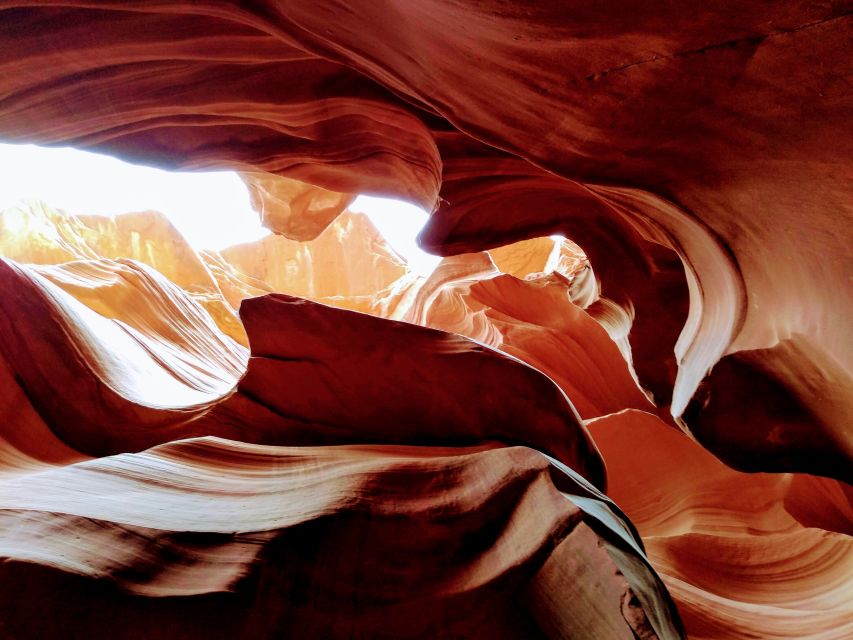
The tour itself is short—about 1.5 hours total—so light timing is everything. One review detail that lines up with what the canyon does naturally: people recommend an afternoon time slot for great light.
Here’s the practical takeaway: if your schedule gives you options, choose a time that matches your goal.
- If you want dramatic contrast and color shifts, pick an afternoon slot when you can.
- If you’re more focused on comfort and avoiding heat, pick whichever time lets you arrive calm and not sprinting through check-in.
Either way, remember the canyon light changes as the sun moves. The best moment often arrives while you’re still walking.
Price and value: is $78 worth it?
This tour is listed at $78 per person, and the price structure matters for value. It includes a Navajo national permit fee of $8 per person plus the Lower Antelope Canyon entry ticket (if that option is selected), along with the guided walking tour.
So you’re paying for three things:
- Permission and access to the canyon (the permit and entry are real costs).
- The guide who helps you navigate narrow passages and photo spots within a short time.
- A group format capped at 10 participants, which usually makes the experience feel more controlled and less chaotic.
If you’re the type of traveler who likes to wander without a plan, you might wonder if you can do this on your own. But Lower Antelope Canyon is the kind of place where guidance improves results quickly. With strict limits on gear and only about an hour inside, the guide’s ability to direct you to the best photo angles on a schedule you can actually manage is a strong value driver.
Who this tour is best for (and who should skip it)
This experience is designed for people who can handle short walking distances, stairs, and uneven surfaces. It also isn’t set up for everyone.
You’ll likely love it if:
- You want iconic slot-canyon photos with a guide helping you time angles.
- You like guided context from a Navajo local guide.
- You prefer a small group (max 10) where everyone can keep moving.
You should think twice if:
- You have mobility challenges. The tour is not suitable for wheelchair users and isn’t suitable for people with mobility impairments.
- You have heart problems (listed as not suitable).
- You’re pregnant (listed as not suitable).
- You can’t walk unassisted on uneven surfaces and elevation changes.
Also consider this: the rules are strict about what you can bring, including no large bags and no walking aids like hiking sticks or canes.
What to bring (and what to wear) so you don’t feel stressed
Keep your packing simple. The canyon rules basically force a minimalist approach.
Bring:
- Weather-appropriate clothing
- Closed-toe shoes
Plan on leaving behind anything that could become a trip hazard or create clutter in narrow passages—especially bags and tripods.
And do yourself a favor: check your outfit against the stair reality. You’re going down and moving through tight sections. Comfortable shoes matter more than fashion here.
Weather and closures: a small risk you should plan around
Antelope Canyon can close due to bad weather. That means your visit isn’t just about showing up. If your trip has multiple activities that depend on the same weather window, keep flexibility.
Should you book the Lower Antelope Canyon guided tour?
I think you should book this tour if your priority is seeing the canyon with good timing and getting practical photo help without lugging gear. The combination of small group size, a Navajo guide, and a structured walk through tight canyon spaces is exactly the kind of format that helps you get more out of a short visit.
If you’re comfortable with stairs, uneven ground, and a strict no-gear environment, this is a high-value way to experience Lower Antelope Canyon. If you need wheelchair access or walking aids, skip it and look for options that match your mobility needs.
FAQ
How long is the Lower Antelope Canyon entry and Navajo guided tour?
The total duration is listed as 1.5 hours. The guided walk inside the canyon is about 1 hour, with additional time for the walk to the entrance.
Are there set start times?
Starting times vary. You’ll need to check availability to see what times are offered.
How big is the group?
This is a small-group tour limited to 10 participants.
What language is the tour guide?
The live tour guide is listed as English.
What should I bring for the tour?
Bring weather-appropriate clothing and closed-toe shoes.
Are selfie sticks, tripods, or flash photography allowed?
No. Selfie sticks, tripods, and flash photography are not permitted.
Can I bring bags or a backpack?
No. Bags, backpacks, and other carry items like fanny packs and hydration packs are not permitted.
Is this tour wheelchair accessible?
No. It is not suitable for wheelchair users and is not suitable for people with mobility impairments.
What happens if the canyon closes due to weather?
Antelope Canyon is subject to closures due to bad weather.
Can I cancel for a full refund?
Yes. Free cancellation is available up to 2 days in advance for a full refund.