REVIEW · PALM SPRINGS
San Andreas Fault Jeep Tour from Palm Desert
Book on Viator →Operated by Desert Adventures - Palm Springs · Bookable on Viator
Earthquake country, minus the lecture. On this San Andreas fault Jeep tour from Palm Desert, you roll through the Coachella Valley in an open-air vehicle while a naturalist connects geology, desert plants, and Cahuilla history into one 3-hour outing. You’ll also get an easy walk to a slot canyon plus time at a green oasis fed by underground water.
I especially love the stop at the spring-fed oasis, where clear water bubbles up year-round and you can actually see how life hangs on here. I also love that the tour stays small-group (up to 14), so you’re not just riding past facts—you’re getting answers as you go.
One consideration: it’s not extreme, but you will travel on dirt trails and washes, so the ride has bumps. If you have neck or back issues (or are in the 2nd/3rd trimester of pregnancy), it’s smart to check with your doctor first and plan for a bit of jostling.
In This Review
- Key highlights to clock before you go
- A 3-hour San Andreas Fault Jeep Tour from Palm Desert: what it feels like
- Metate Ranch start: show up ready for open-air desert weather
- What the Jeep ride delivers (and what it won’t)
- Stop 1: the San Andreas Fault walk that explains why the rocks look wrong
- The spring-fed oasis: how water makes a living here
- Recreated Cahuilla village: survival skills you can picture
- The slot canyon and the “close look” at fault geology
- Your guide and why small-group matters on this tour
- Price and value: is $175 for 3 hours worth it?
- What to pack and how to make it comfortable
- Morning vs afternoon and the sunset timing detail
- Who should book this San Andreas Fault Jeep Tour
- Should you book this tour from Palm Desert?
- FAQ
- How long is the San Andreas Fault Jeep Tour from Palm Desert?
- What does the $175 price include?
- Is the tour group small?
- Do I need to bring my own food and water?
- Where does the tour start and end?
- Are there different tour times?
- What’s the cancellation cutoff?
Key highlights to clock before you go
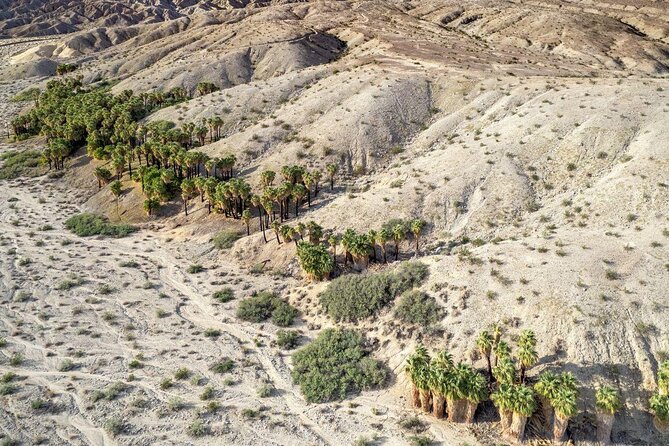
- Spring-fed oasis walk where underground water surfaces and supports plants and animals
- Cahuilla village stop showing how desert plants fed, healed, and built a life here
- Slot canyon + fault viewing for close-up photos and plate tectonics talk
- Small-group Jeep eco-tour with a naturalist guide and plenty of chances to ask questions
- Snacks and bottled water included so you can focus on the day, not the shopping
A 3-hour San Andreas Fault Jeep Tour from Palm Desert: what it feels like
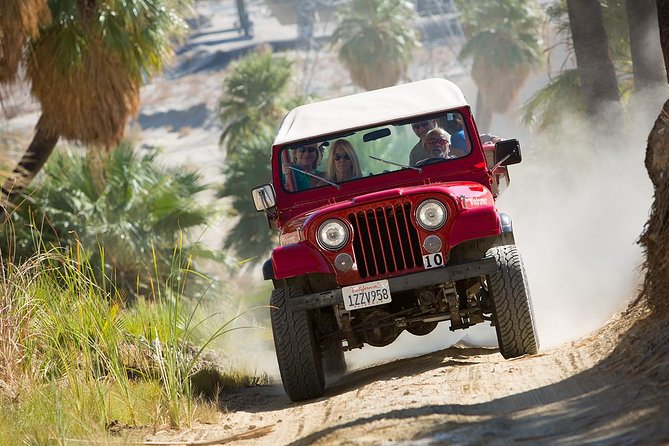
This tour is built for people who want real desert geology without a long day of driving and hiking. In about 3 hours, you get a tight loop that mixes Jeep travel with short walks, so you’re moving through the Coachella Valley and stopping where the story is strongest: fault geology, water, plants, and human survival.
The format matters. You’re not stuck listening the whole time from a bus seat. The naturalist guides you from one viewpoint to the next, then you step out for an easy walk or a quick exploration. It’s very doable, even if you’re not an all-day hiker.
If you’re visiting Palm Springs or Indio and want something more grounded than a scenic drive, this one gives you the “how did this place form?” answer—then backs it up with things you can see in person.
You can also read our reviews of more tours and experiences in Palm Springs.
Metate Ranch start: show up ready for open-air desert weather
Your tour begins at Metate Ranch, 38635 Monroe St, Indio, CA 92203. This is a real desert outing, so expect open-air riding plus sun and temperature shifts.
A few practical tips based on how these desert tours work:
- Wear closed-toe shoes with decent grip. You’ll be walking on uneven desert ground.
- Bring a hat and sunscreen even on cloudy mornings.
- Dress in layers. Conditions can change quickly, and being able to add/remove a layer keeps the whole day comfortable.
Also, plan to carry your own comfort mindset. Since hotel transfers aren’t included, you’ll want to be set on getting to the ranch meeting point on time.
What the Jeep ride delivers (and what it won’t)
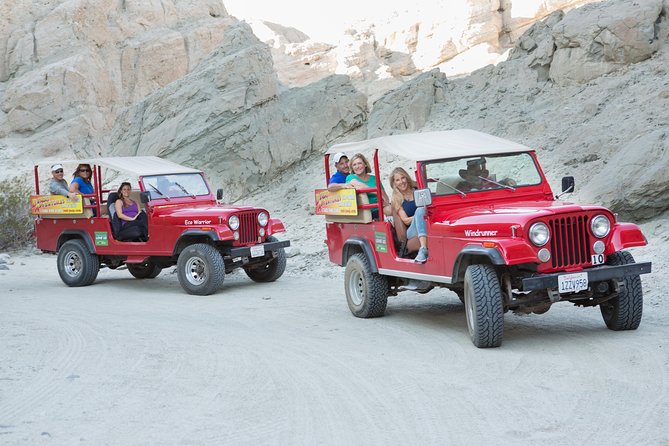
This is an open-air Jeep eco-tour on dirt trails and washes. That means two things at once: you’ll get those wide desert views, but you should also expect a little shake.
The good part: it’s not described as extreme. People of most abilities can participate, and the walks are easy enough to fit into a 3-hour plan. It’s the kind of day where you can stay engaged without needing to train for it.
The trade-off: it’s still bumpy. If you’re sensitive to rough rides, you’ll want to sit where you feel most stable and consider bringing something small for comfort (like a light layer for the back of your seat).
One more thing: there’s a maximum group size of 14 travelers, which is a big deal in the desert. Smaller groups mean less waiting, fewer people crowding the same photo spot, and more room to ask questions when the naturalist points out rock formations, plants, or animal clues.
Stop 1: the San Andreas Fault walk that explains why the rocks look wrong
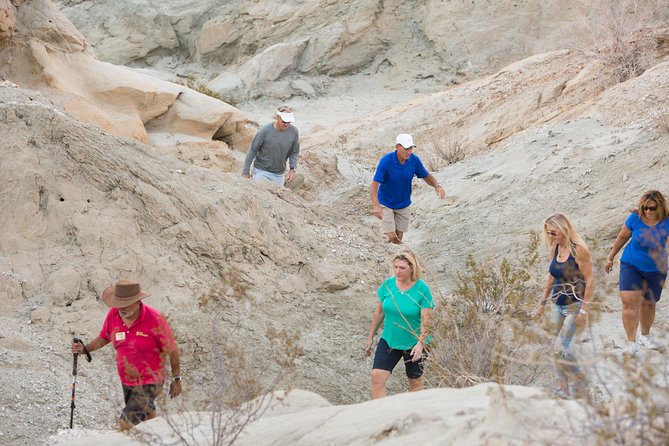
The star of the day is the San Andreas fault system and the twisted terrain that fault activity helped create. Early on, your guide explains how plate tectonics and geologic forces shaped this area, then you explore viewpoints where you can see the “bones of the earth.”
You’re going for understanding, not just pictures. You’ll walk between steep canyon walls carved and shaped over time by plate tectonics, water, wind, and time. The goal is to connect what you see—fractures, shifts, rugged forms—with what it means for earthquakes in California.
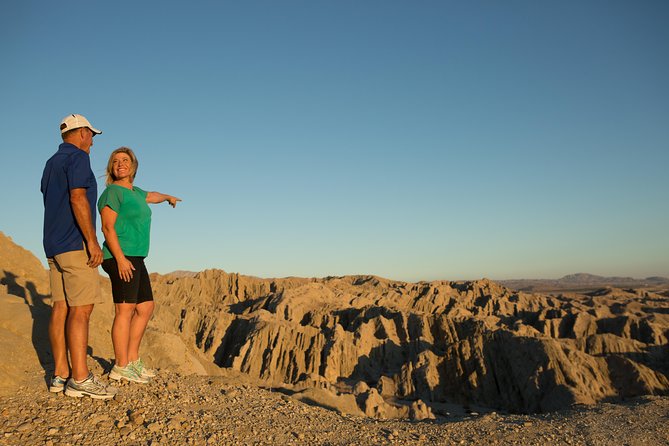
This is also where the photo opportunities really show up. The terrain tends to look dramatic from multiple angles, and you’ll have stops designed for seeing rock features up close rather than only from a distance.
What to watch for while you’re on the walk:
- The guide will point out areas of rock tied to the region’s geology.
- You’ll get the collision story between the Pacific and North American plates, explained in tour-friendly terms.
If earthquakes are your thing, this part scratches the itch. If you’re more of a “teach me while we move” person, this is also a win because you’re not stuck in one place.
The spring-fed oasis: how water makes a living here
Next comes one of the tour’s most memorable stops: a natural palm oasis where clear water bubbles up from an underground source year-round.
This is the moment the tour shifts from “rocks and cracks” to “how life survives.” The guide shows you the underground creek forced up to the surface by fault lines, and suddenly the desert stops feeling like empty space. You can see why plants cluster here and why animals can make a go of it too.
If you like nature education that feels practical, this oasis stop is that. It’s not just a pretty break. It’s a living example of how geology controls water, and water controls everything else.
What I’d do if I were planning your photo stops:
- Take a few wide shots first (the whole oasis setting).
- Then slow down for details (the water, the plants around it, the way the area changes compared to nearby ground).
That contrast is the lesson.
Recreated Cahuilla village: survival skills you can picture
After the oasis, you’ll visit a recreated Native American site connected to the Cahuilla people. This isn’t just a history mural. You’ll see examples like homes, a sweat lodge, and artifacts, and you’ll hear how Cahuilla families used desert plants for food, medicine, tools, weapons, and shelter.
This section works because it’s tied to what you just experienced in the oasis and around the fault country. You’re not learning facts in a vacuum. The desert ecology you saw earlier makes the survival story feel logical.
Key idea to keep in mind: in a harsh climate, survival isn’t about forcing the environment to change. It’s about reading it and using what it already gives. The guide’s explanations help you understand how plants that look tough or ordinary can still be practical resources.
If you’re traveling with kids, this part often lands well because it turns “desert” into something human and relatable. If you’re traveling solo, it adds meaning beyond geology.
The slot canyon and the “close look” at fault geology
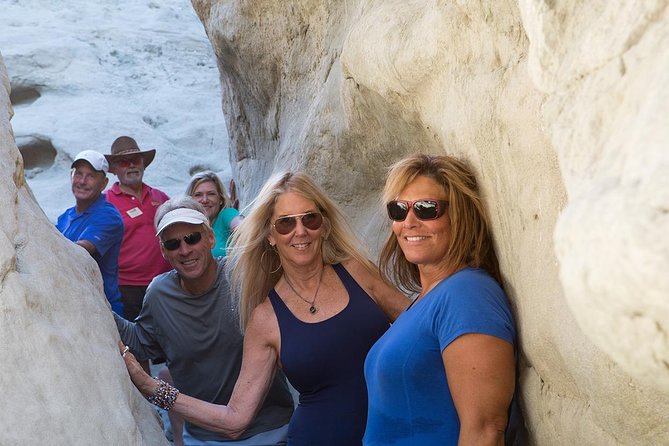
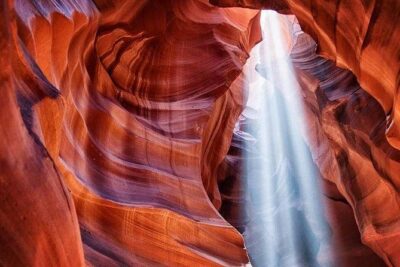
Later, you get a close look at the San Andreas fault again, this time paired with an easy walk into a slot canyon. The route is designed for moving through a narrow canyon setting where the rock and water-worn shapes make the geology easier to visualize.
You’ll also get guided pointing out of features that reveal the region’s geology—plus the earthquake context behind the fault system and why this area behaves the way it does.
Why this portion is so effective:
- Slot canyons compress your sense of scale. You can see more texture and detail in the same time.
- You get movement and sightlines, so it doesn’t feel like a single viewpoint lecture.
And yes, the canyon stop is also one of the highlights people remember. It gives the tour a physical payoff after the talking stops, without turning it into a strenuous hike.
Your guide and why small-group matters on this tour
One of the most repeated strengths of this experience is the quality of the naturalist guidance. In the names that pop up again and again, you’ll hear about guides like Jennie, Ron, Bill, Pace, Michael, Jenny, Kelly, Gary, Don, Craig, Leroy, Black Feather, and Rick, all described as friendly and clear.
I like this mix of traits because it changes how you experience the day:
- You can ask questions when something doesn’t make sense.
- You’ll get explanations that match what you’re looking at right then, not a general talk with no tie-in.
Small-group size is part of that. With a maximum of 14, you can actually hear the guide and still have space to take photos when the group stops. In a big crowd, those moments get messy fast.
Price and value: is $175 for 3 hours worth it?
At $175 per person for about 3 hours, this isn’t a cheap add-on—but it’s also not trying to be a long, high-cost expedition. Here’s what you’re really paying for:
Included value
- Naturalist guided open-air Jeep eco-tour
- Granola snacks and bottled water
- Land use fees
- Entry-style access tied to the tour stops
When tours include both transportation (the Jeep) and a guide who connects multiple themes (geology + desert ecology + Cahuilla history), the price usually makes more sense. You’re not just buying gas-and-a-view. You’re buying interpretation, plus the ability to reach spots that aren’t as simple to explore on your own in the same time window.
Also, this is the kind of tour that tends to sell out or get booked early (it’s commonly booked about 24 days in advance on average). If you see dates that work, snag them rather than assuming you can decide later.
What to pack and how to make it comfortable
The tour provides bottled water and granola snacks, so you don’t have to scramble for food. Still, you’ll want to show up smart for the desert.
Plan on:
- Closed-toe shoes (you’ll walk outside)
- Hat and sunscreen
- Layers for temperature swings
- A camera, because the fault terrain and oasis views are genuinely photo-friendly
- Comfort if you’re prone to motion discomfort, since dirt trails can be bumpy
Light snacks are covered, but food and drink aren’t included beyond that unless specified for a specific departure. If you’re doing a full day in Palm Springs, eat a real meal before or after, depending on whether you take the morning or afternoon tour.
Morning vs afternoon and the sunset timing detail
You can choose either a morning or afternoon tour. There’s also a sunset angle: tours departing after 1:00 PM are treated as sunset tours.
If you’re the type who wants cooler light and warmer vibes, pick the afternoon option. Desert canyon walls and rock textures can look different when the sun sits lower, and a sunset slot often makes the scenery feel more dramatic without adding time or effort.
Who should book this San Andreas Fault Jeep Tour
This tour is a great match if you:
- Want San Andreas fault geology explained with real stops and short walks
- Like your outdoor time guided, not just self-driven
- Want a desert education that includes water, plants, animals, and human survival
- Prefer a small-group format (max 14)
It may be less ideal if you:
- Need a very smooth, mostly seated experience (the ride can be bumpy)
- Are dealing with significant neck or back problems, or are pregnant in the 2nd/3rd trimester without medical approval
It’s not marketed as extreme, but it is still an outdoors-and-trails day.
Should you book this tour from Palm Desert?
If you want one activity that makes the Coachella Valley feel understandable—fault geology, oasis water, Cahuilla survival skills, and a canyon walk—this is a strong pick. The combination of Jeep access, guided explanation, and multiple high-interest stops is what gives it the value, even at $175.
I’d book it if your calendar can handle the 3-hour slot and you’re comfortable with a short hike into a slot canyon plus a bumpy dirt ride. If you want a purely lounging scenic drive with minimal walking, you might feel this one is too educational and too active.
FAQ
How long is the San Andreas Fault Jeep Tour from Palm Desert?
It runs about 3 hours.
What does the $175 price include?
The tour price includes a naturalist guided open-air Jeep eco-tour, granola snacks, bottled water, and land use fees.
Is the tour group small?
Yes. The tour has a maximum size of 14 travelers, which keeps it more personal.
Do I need to bring my own food and water?
No. The tour includes granola snacks and bottled water. Food and drink beyond that are not included unless otherwise specified.
Where does the tour start and end?
It starts at Metate Ranch, 38635 Monroe St, Indio, CA 92203, and ends back at the meeting point.
Are there different tour times?
Yes. You can choose a morning or afternoon tour. Departures after 1:00 PM are sunset tours.
What’s the cancellation cutoff?
You can cancel for a full refund up to 24 hours in advance. If you cancel within 24 hours, the amount is not refunded.