REVIEW · PAGE
Upper Antelope Canyon Ticket
Book on Viator →Operated by Scenic Bend · Bookable on Viator
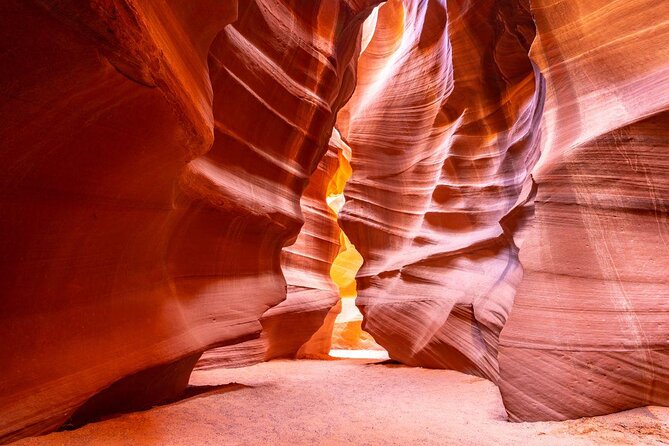
Sunlight pours through rock like stage lighting. This Upper Antelope Canyon ticket locks in an entry slot on Navajo Nation private land, so you spend less time guessing and more time looking. It also comes with a Navajo guide who keeps the walk moving through timed photo windows.
I especially like the way the tour is built around the canyon’s look: Upper Antelope’s A-shape creates that classic geometry where light can stream down from the top openings. You’ll also get real help with photography from guides such as Nizhoni, Diquan Atene, and Nate Isaac, who focus on angles and settings so your pictures don’t come out as dark sand tunnels.
One thing to watch is timing and weather. You must arrive at least 1 hour early, and if clouds roll in you may miss the iconic sun beams that people chase online.
In This Review
- Key things you should know before booking
- Upper Antelope Canyon’s A-Shape: Why This Ticket Looks Better Than Most
- Highway 98 check-in: what your schedule needs to protect
- Walking through Upper Antelope: what the 1.5-hour experience feels like
- Photo rules that actually affect your results
- What the Navajo guide adds: stories plus hands-on camera help
- Value and cost: why $125 can still mean extra out-of-pocket
- Timing for sun rays: when Upper Antelope looks like the famous photos
- Practical comfort tips (that prevent day-of stress)
- Who should book Upper Antelope Canyon, and who might choose another plan
- Should you book this Upper Antelope Canyon Ticket?
- FAQ
- Is hotel pickup included in the Upper Antelope Canyon ticket?
- Is parking available?
- What is Upper Antelope Canyon known for?
- How strenuous is this canyon walk?
- How much walking is inside the canyon?
- Are there restrooms inside the canyon?
- Are there any additional fees besides the ticket price?
- Can I bring a stroller or wheelchair?
- Can I bring a backpack or large bag into the canyon?
Key things you should know before booking
- Timed entry, not open wandering: You’ll be guided through set photo points within your time window.
- Arrive early (seriously): The canyon operation expects you at least 1 hour before your slot.
- Light is weather-dependent: Cloudy skies can dramatically reduce sun-ray effects.
- No big gear inside: Selfie sticks, tripods, and monopods are prohibited; backpacks/large bags aren’t allowed.
- Guides matter a lot: Many guides (like Dequan and Orvid) focus on storytelling plus hands-on camera tips.
- Your final fee can vary by time: Some time slots include the Navajo Nation permit fee; others add a $16 per-person fee.
Upper Antelope Canyon’s A-Shape: Why This Ticket Looks Better Than Most
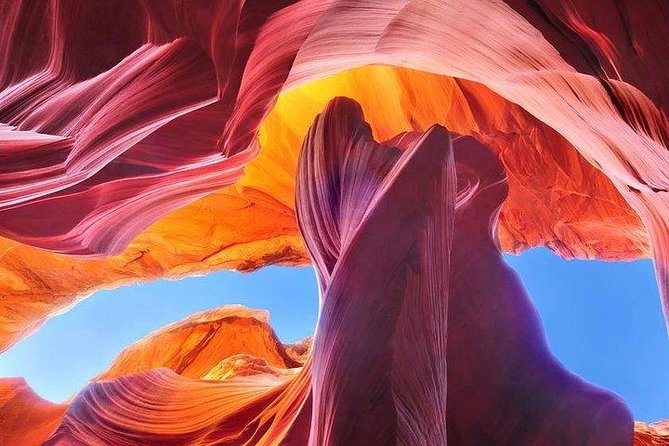
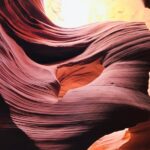
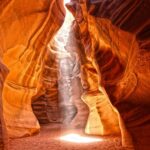
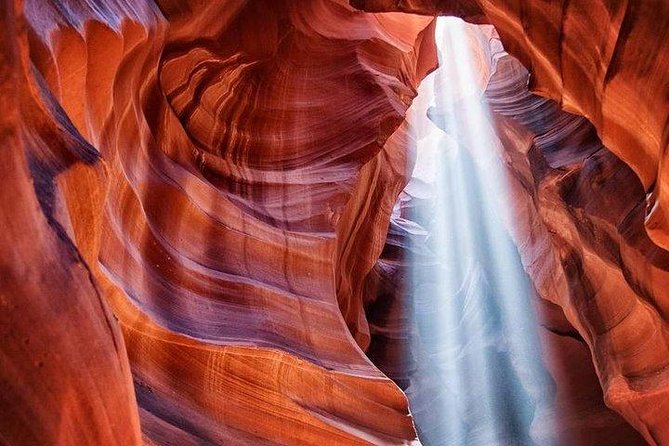
Upper Antelope Canyon is famous for an effect you can’t fake in post-processing. The rock forms an A-shape: it’s wider down low and narrows toward the top. That matters because the narrow top openings can act like a light funnel when the sun hits at the right angle.
What you’re really buying is access to the exact corridor where those light beams can reach the sand and stone. The canyon is formed from Navajo Sandstone erosion over long stretches of time, creating those smooth, flowing edges that photographers love. The Navajo name for the canyon is often translated as the place where water runs through rocks, and even if you’re visiting on a dry day, the canyon’s shape still looks sculpted by water’s past power.
You may hear people describe Upper Antelope as a more spacious, open-feeling slot than Lower Antelope. That difference can affect how you experience the walk and how easy it is to take photos without blocking others. If you’re after the classic canyon drama, this is the slot people usually picture first.
You can also read our reviews of more tours and experiences in Page.
Highway 98 check-in: what your schedule needs to protect
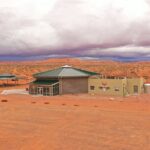
This tour is based just outside Page, Arizona, on HWY 98. Your redemption/check-in point is at Highway 98, Milepost 299, 8, Page, AZ 86040. When navigating, search for names like Antelope Canyon Navajo Tours or Navajo Tours, and you should be able to find the right meeting spot quickly.
Here’s the part that can make or break the day: you must arrive at least 1 hour before your selected entry time. The canyon’s visitor limits and timed photography windows mean late arrivals don’t just mean you’re a few minutes behind. The canyon operation can shift access, and late arrival can cause you to miss your slot with no refund.
Your voucher will also reflect the local time zone and your specific entry timing. The information provided includes multiple pickup/check-in time blocks for 2025 and 2026, which signals one key reality: different operators and time slots run on tight schedules. Use what’s printed on your voucher, not what you assume from ticket language.
Also note: hotel pickup and drop-off are not included. You’re driving in yourself and meeting at the canyon tour staging area a few minutes outside Page. If you’re staying in Page, that’s usually convenient. If you’re coming from farther out, build buffer time because Arizona driving is fast but schedules here are not forgiving.
Walking through Upper Antelope: what the 1.5-hour experience feels like
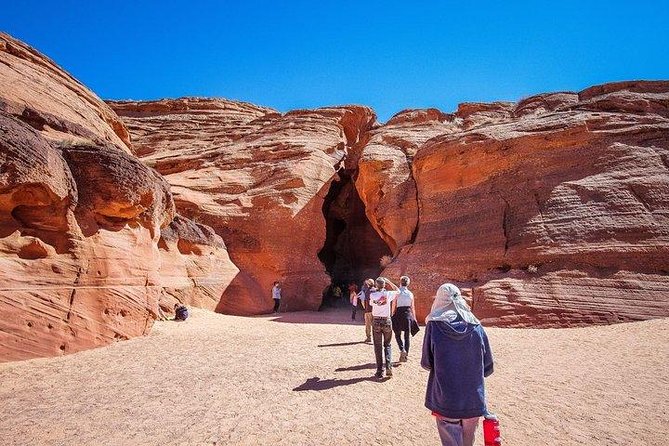
Once you’re checked in, you head into Upper Antelope Canyon with your Navajo guide. The walk itself is relatively straightforward. There are no stairs or ladders inside the canyon, and the route is generally described as flat.
You’ll travel about 1,335 feet inside the canyon. That distance sounds specific for a reason: the walk isn’t a quick drive-by photo stop, but it’s also not a long hike. Plan on about 1–2 hours total for the experience, with the canyon portion running around 1 hour 30 minutes depending on how your time window is managed.
The canyon experience is paced by the guide’s timing. You don’t just stroll down a trail and pause whenever you want. Instead, you’ll move through the corridor while your guide directs where groups can stand for photos and when it’s time to move on. That’s a big deal for anyone who hates the feeling of being herded. The pacing can feel busy, but it also keeps the visit fair for everyone sharing the space.
Photo timing is built into the route. The guides lead the group from one scenic point to the next, and each group has a specific photo window. If you’re the type who wants to linger for 10 minutes in one spot, you’ll feel the constraint here. The flip side: the structure helps you avoid the worst “crowded hallway” feeling and gives everyone a chance at the good angles.
Photo rules that actually affect your results
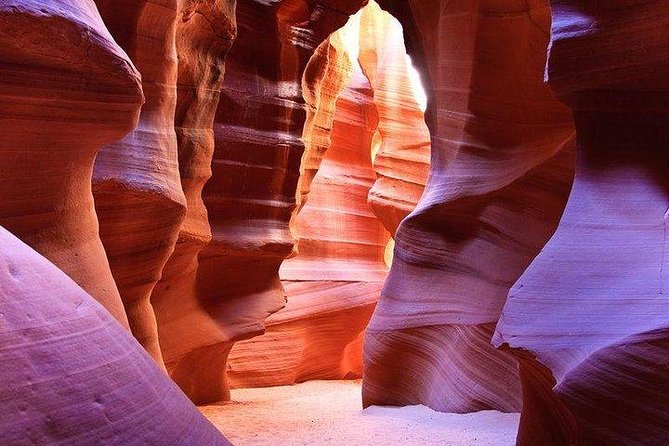
Upper Antelope Canyon is one of those places where rules aren’t fussy, they’re physics. The walls are close, the walkways are tight, and the light beams only work when groups aren’t blocking each other.
Keep these rules in mind:
- No selfie sticks, tripods, or monopods. If you’re used to long-lens tripod setups, you’ll need to switch to hand-held shooting.
- Small bags only. Backpacks and large bags aren’t allowed in the canyon. You’ll want essentials in a small personal bag that you can manage while moving.
- Follow the guide’s photo flow. Your guide may restrict how long you can stop at a given spot and sometimes limits photos at one scene point to keep traffic flowing.
This is also why guides can make such a difference. People who have had great days with guides such as Orvid and Dequan often talk about practical coaching: where to stand for the best light, how to angle your camera, and how to avoid underexposure when the canyon gets darker below.
If you want your pictures to look like the ones that made you book this trip, focus on timing and positioning more than gear. The canyon does the heavy lifting. Your job is to be in the right place when the light reaches the stone.
What the Navajo guide adds: stories plus hands-on camera help
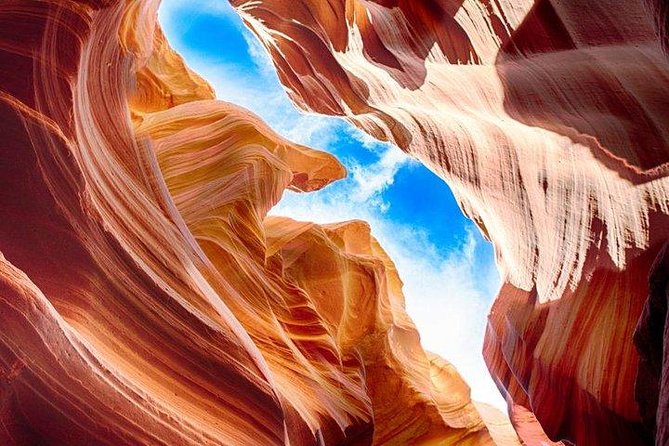
The canyon itself is stunning, but the tour becomes memorable when the guide connects the place to people and teaches you how to see it.
You’ll hear formation and meaning as you walk. Many guides share the canyon’s erosion story in ways that help the shapes click, not just as pretty rock but as a record of time. Guides also bring cultural context about the Navajo Nation land and how visitors should behave in a sacred, privately held space.
On the practical side, guides frequently help with photography. Some are especially known for helping first-time photographers get better shots by suggesting camera angles and settings. Names that show up in the strongest positive experiences include Diquan Atene, Mike, Caleb, Dylan A, Richardson, Jan, and Nate Isaac.
One pattern stands out: when the guide teaches you how to photograph while you’re inside, you leave with more than a handful of blurry silhouettes. Even if you’re not a serious photographer, it’s the difference between “I saw it” and “I captured it well.”
Value and cost: why $125 can still mean extra out-of-pocket
Let’s talk money in a way that helps you plan. The listed price for this experience is $125.00 per person, and it includes a Navajo tour guide, parking fees, a booking brokerage fee, and a Navajo Nation permit fee for many (but not all) time slots.
Not included: hotel pickup/drop-off. Also not included for certain scheduled entries is an additional Navajo Nation permit fee of $16 per person. The times listed for the extra permit fee are 7:05am, 9:10am, 11:15am, 1:20pm, and 3:25pm. If your chosen entry time matches one of those, your total will be higher than $125.
So is it worth it? For me, the value comes from one simple fact: Upper Antelope Canyon is heavily restricted by timed access. The price includes the real cost of entry into a slot canyon on Navajo Nation private land, plus the guide and the structure that makes photography possible without chaos. If you show up without a reservation, you’ll waste time—or you’ll miss the chance entirely—because these slots sell out fast.
That’s also why booking in advance is smart. A slot canyon with strict visitor limits rarely stays flexible on day-of availability. If you’re planning a tight Page itinerary, paying for the confirmed time window is usually the cheapest way to buy certainty.
One more value note: tips are not included for guides. The FAQ suggests $2–$5 per person for guide tipping. If this is a family trip, that tip budget is small compared with the canyon admission itself, but it’s still worth planning for.
Timing for sun rays: when Upper Antelope looks like the famous photos
Here’s the reality check that keeps expectations fair. The canyon’s famous sun beams depend on sun angle and weather. The canyon openings allow direct sunlight to radiate down from the top, but you need clear conditions for that dramatic effect.
If your goal is those iconic columns of light, plan for midday summer conditions when the sun angle is most favorable. On a cloudy day, you might get less light penetration and more even dimness inside the canyon. That doesn’t make the canyon ugly; it just changes the mood from dramatic light show to textured shadows.
Also, the tour is remote. You won’t find stores inside the canyon area. Bring water because you won’t be able to buy it once you’re out there. Hydration sounds basic, but at Page you can feel it fast in the desert sun—even during a short walk.
Practical comfort tips (that prevent day-of stress)
This tour is mostly easy walking, but it’s still outdoors and still desert terrain. A few practical items make your visit smoother.
Wear closed-toe shoes you don’t mind getting dusty. The route is sand, dirt, and dust, and you’ll appreciate grip and ankle protection on uneven ground. Dress in layers: you might be warm outside, then cooler in the canyon shade.
Bring sunscreen and sunglasses. Also bring a hat. One helpful trick from past visitors: use your hat as part of your walking strategy too, since it can keep sun off your face and can be handy while moving in and out.
Don’t bring expectable “canyon day” convenience items into the canyon. Expect restrictions: no large bags, no tripods, and no selfie sticks. If you’re bringing a child, strollers and wheelchairs can’t be accommodated. A chest or backpack-style carrier is a more realistic option for getting your kid through the route.
And finally, remember there are no restrooms at the canyon. Use restrooms at the meeting location before you go in, then plan to come out before you need a break.
Who should book Upper Antelope Canyon, and who might choose another plan
This tour suits you if you want:
- a classic Upper Antelope experience with A-shaped geometry,
- a guided visit that helps you photograph without needing advanced gear,
- an easy walk without stairs or ladders,
- a timed entry that removes guesswork in a high-demand place near Page.
You might hesitate if:
- you’re sensitive to tight photo timing and group flow,
- you’re arriving late or running on a rushed schedule,
- you’re hoping for maximum light beams on a cloudy day,
- you need stroller/wheelchair accommodation (those aren’t supported in the canyon).
If you’re focused on the absolute most famous light-column photos, many people find Lower Antelope Canyon gives stronger results in the right conditions. Upper still has its own charm, but it’s not the same lighting show in every situation.
In other words: Upper Antelope is a must for many first-timers, but you’ll get the most satisfaction if you treat it as a timed photography walk through a remote slot canyon, not an unlimited stroll.
Should you book this Upper Antelope Canyon Ticket?
Book it if you value certainty and guided photo support. The price mostly reflects the real cost of timed entry on Navajo Nation land, plus the guide and the pacing that keeps the canyon visit fair and photo-friendly. If your dates align and you can arrive early, it’s a strong way to see one of the most photographed slots in the U.S. Southwest.
Skip or reconsider if weather is looking grim and you’re mainly chasing sun beams, or if your schedule can’t handle the requirement to show up at least 1 hour early. This canyon rewards preparation: bring water, dress for dust and sun, pack light, and follow your guide’s photo cues.
If that sounds like your style, you’ll likely feel like you got exactly what you paid for: a structured, short, unforgettable walk through Upper Antelope Canyon, with the right timing doing most of the magic.
FAQ
Is hotel pickup included in the Upper Antelope Canyon ticket?
Hotel pickup is not included. You make your own way to the departure point just a few minutes outside of Page, AZ, on HWY 98.
Is parking available?
Yes. Complimentary parking is available at the meeting location. Check your ticket for the exact location details.
What is Upper Antelope Canyon known for?
Upper Antelope Canyon is more A-shaped, and it’s famous for light beams that can appear depending on the time of day.
How strenuous is this canyon walk?
It’s relatively flat with no stairs or ladders, so it’s generally considered easier than many other hikes in the area.
How much walking is inside the canyon?
About 1,335 feet.
Are there restrooms inside the canyon?
No. There are no restrooms at the canyon. You can use restrooms at the meeting location before and after.
Are there any additional fees besides the ticket price?
Entry fees are included. Navajo guide tips are not included (suggested $2–$5 per person). Also, a $16 per-person Navajo Nation permit fee may apply for specific time slots listed in the details.
Can I bring a stroller or wheelchair?
No. Strollers and wheelchairs cannot be accommodated. A chest or backpack-style child carrier may be a better option.
Can I bring a backpack or large bag into the canyon?
You can only bring a small personal bag. Backpacks and large bags are not allowed in the canyon.