
REVIEW · LAS VEGAS
Shark Reef at Mandalay Bay Hotel and Casino
Book on Viator →Operated by MGM Resorts - Attractions · Bookable on Viator
A shark tank in the middle of Vegas sounds odd. That is exactly why Shark Reef at Mandalay Bay works. I love how you get close-up shark viewing without needing a boat, and the aquarium is built for easy wandering even if you only have a short window. One thing to think about: it is not a huge place, so if you are expecting a marathon aquarium day, plan for a quick visit.
The best part for me is the two underwater tunnel route and the huge Shipwreck tank with dozens of sharks. You feel like you are inside the exhibit, not just looking at it. Another big win is the Undersea Explorer VR Experience with a motion-platform theater, which adds something different from the usual glass-and-fish routine.
My main caution is value and crowd reality. The space can get loud and busy with kids, and a few displays feel brief in practice, so aim to go when you can enjoy it at a relaxed pace.
In This Review
- Key takeaways
- Shark Reef at Mandalay Bay: the desert-to-sea switch you actually feel
- Ticket-to-tank flow: what happens when you arrive at Mandalay Bay
- Shipwreck tank plus the acrylic tunnels: the shark viewing route that sells itself
- Touchpool and the interactive saltwater zone: the hands-on payoff
- Beyond sharks: reptiles, piranhas, octopus, and the unexpected stops
- Undersea Explorer VR Theater: motion-platform 360° 3-D with real limits
- Timing, crowds, and how long the visit really takes
- Price and value at $29.75: who it is perfect for
- Should you book Shark Reef at Mandalay Bay?
- FAQ
- How much is the Shark Reef ticket at Mandalay Bay?
- How long should I plan to spend at Shark Reef?
- What is included with admission?
- Can I enter if I arrive a little late for my ticket time?
- Is the Undersea Explorer VR Experience included for everyone?
- Is the Touchpool part of the ticket?
- What is the main tank called, and how big is it?
- Is parking included, and what about refunds if plans change?
Key takeaways
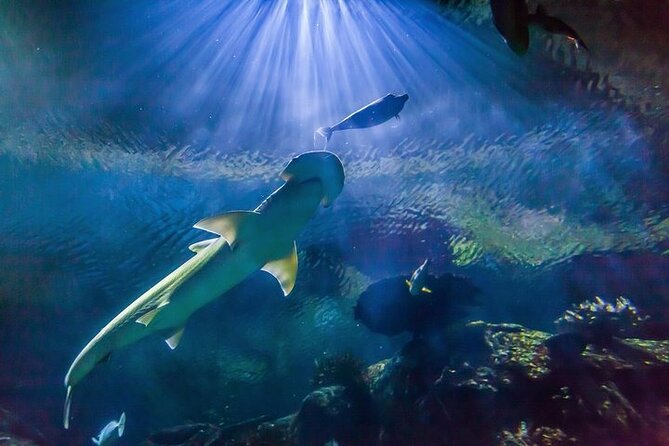
- Shipwreck main tank: 1.3-million gallons (plus a massive scale that many people find the highlight)
- Two underwater tunnels: a great way to watch sharks from a closer, more dramatic angle
- Touchpool is included: stingrays and horseshoe crabs give you a hands-on moment
- 14 exhibits with lots of animals: not just sharks, but reptiles and other predators too
- Undersea Explorer VR is included: 36-seat 360° 3-D motion theater, good for all ages with rules for young kids
- Most visits are fast: you can often finish within about an hour, sometimes less
Shark Reef at Mandalay Bay: the desert-to-sea switch you actually feel
Shark Reef is inside Mandalay Bay, which means you get the classic Las Vegas combo: controlled indoor weather, easy navigation, and that moment when you stop thinking about the heat outside. It is built around dangerous-looking aquatic life, but in a family-friendly way. You are not just hunting for sharks. You are walking through themed rooms that keep the pace steady.
The aquarium layout is designed for a smooth flow, with multiple exhibits that overlap in style: big tank viewing, acrylic tunnel time, and interactive stops. And yes, there really are a lot of sharks. Mandalay Bay’s Shark Reef is described as having more than 100 sharks, including about 30 in the Shipwreck’s main exhibit.
The value angle is the real question. At $29.75 per person, it is priced like a “special stop” on the Strip. For many families, it lands as worth it because it is easy, clean, and kid-friendly. For adults chasing a bigger aquarium experience, it can feel short, especially if you rush.
You can also read our reviews of more tours and experiences in Las Vegas.



Ticket-to-tank flow: what happens when you arrive at Mandalay Bay
This is a straightforward plan: show up at Mandalay Bay and enter during normal operating hours. Your ticket is mobile, which helps you avoid paper hassles. You can enter up to 59 minutes after your selected ticket time, so you have some slack if you are working around Vegas traffic, lines, or a late lunch.
Inside, you are essentially doing a self-paced walk through the exhibits. The VR experience is part of the deal too, so think of your visit as two parts: aquarium time first, then VR theater time when it fits. Many people finish the aquarium portion quickly and spend extra time lingering near the big tank and tunnels.
One small detail that matters: it can be crowded and loud, with groups of children moving through. If you care most about calm viewing and photography, go earlier in the day or aim for a less busy time slot. If you love the energy, then go whenever your schedule lines up and enjoy the chaos.
Also, note the practical heat factor. A few people reported it felt hot inside, so bring light layers and plan to drink water like you would anywhere in Vegas.
Shipwreck tank plus the acrylic tunnels: the shark viewing route that sells itself
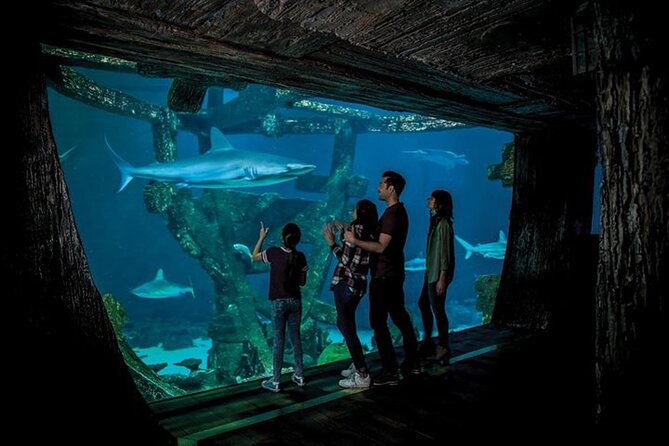
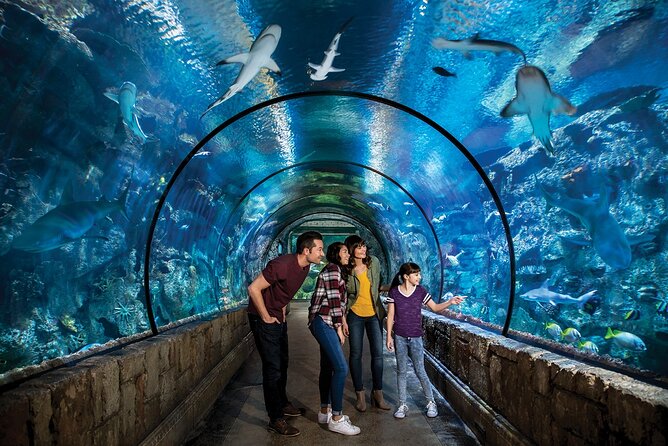
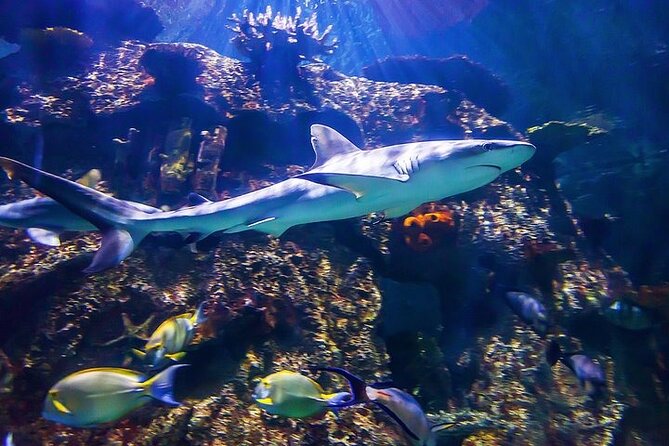
If you do this for the sharks, start by orienting yourself toward the main exhibit. The biggest headline is the 1.3-million-gallon Shipwreck tank, and it is where you get the most dramatic scale. With 30-plus sharks in that main space, it is the best place to see them in motion and in groups, not just one at a time.
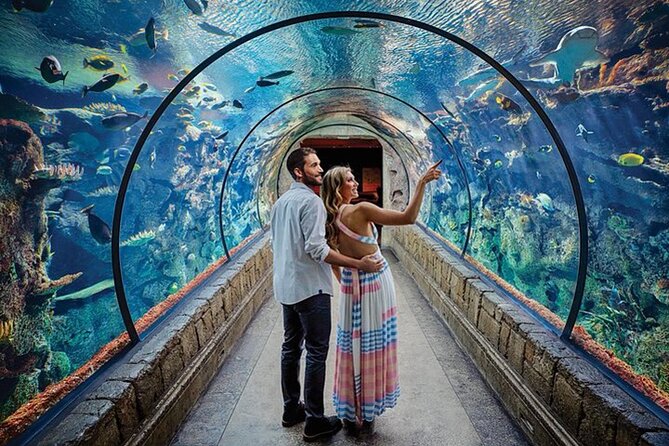
Next, you will want to aim for the tunnel experience. Shark Reef gives you the chance to walk through two underwater tunnels, with acrylic viewing that puts you closer to the animals. The effect is simple and effective: you are at eye level with the waterline drama, and you get the feeling the sharks are above and around you. That is the kind of viewpoint you usually only get on a boat trip, except here it is indoors.
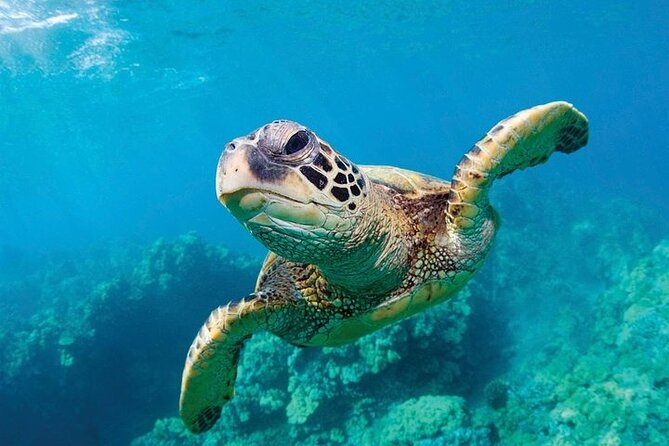
You also see a mix of other species around that main shark focus. The description includes sharks like Galapagos sharks, grey reef sharks, and zebra sharks, plus sea turtles, stingrays, sawfish, and lots of other fish. If you like variety, the aquarium is not limited to one animal type. It gives you multiple chances to spot movement and different shapes without needing a guide.
One realism check: some visitors felt the lighting was darker than expected for reading signs. If you rely on text labels for species names, give yourself time at each station and keep your expectations flexible.
Touchpool and the interactive saltwater zone: the hands-on payoff
The Touchpool is a major reason families rate this highly. It is an interactive saltwater exhibit that includes stingrays and horseshoe crabs in a 2,500-gallon setup. You are not just watching marine life. You are getting the tactile experience, which is what kids usually remember long after the rest becomes blurry.
This is also where I think the best “Vegas sanity” trick lives. If your group has different interests, the touch element gives everyone a shared moment. Shark fans can still go back to the tunnels and main tank, while non-shark fans get the hands-on stop that keeps them engaged.
Because it is interactive, expect some crowding at peak times. That is not unique to Shark Reef, but it changes your visit strategy. If you want the best chance at calm interaction, time your touchpool visit when the lines are shorter.
And if you have kids, this is one of the few indoor attractions where they can feel like participants instead of spectators, which helps the whole day feel like it was planned, not just passed.
Beyond sharks: reptiles, piranhas, octopus, and the unexpected stops
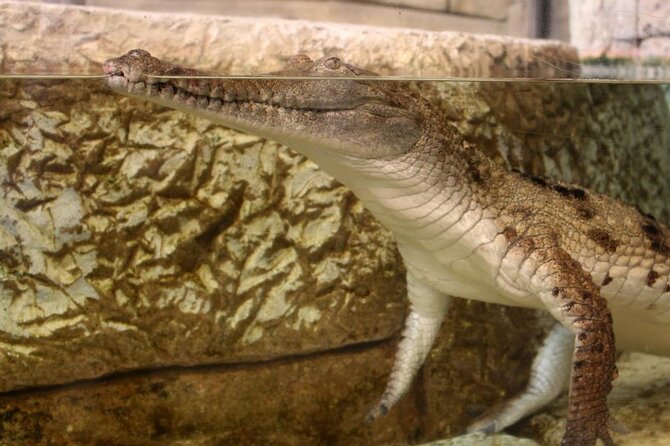
Shark Reef is marketed as a predator-focused aquarium, and it really does go beyond sharks. The exhibits include a wide mix of aquatic animals and reptiles, with notes like a rare golden crocodile and Komodo dragon mentioned as part of the experience. You will also see reptiles such as Burmese pythons, and fish categories like cichlids (described as one of the largest families of fish).
Some of the species you may notice as you move through the exhibits include:
- piranhas and Moray eels
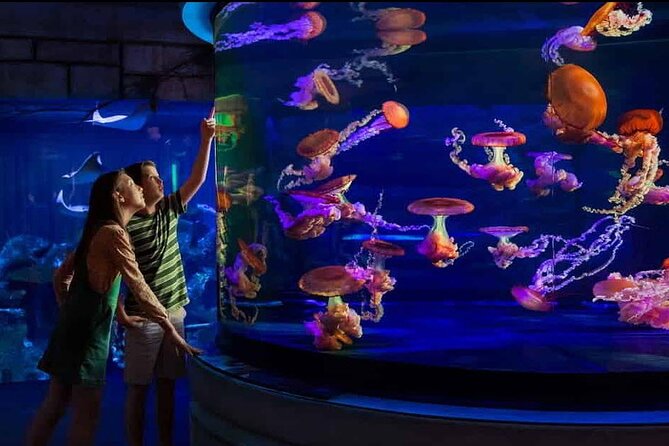
- jellyfish and moon jellies
- a giant Pacific octopus
- an Amazon-themed area with animals like giant arapaima, arrowana, pacu, and freshwater stingrays
- a Caribbean reef area with fish like parrotfish and pufferfish
This matters because it changes how your brain reads the visit. If you only chase sharks, you might miss the fact that the aquarium is built around variety and repetition: sharks in one moment, octopus in another, then venomous fish and jellies elsewhere. That keeps the energy up even if you are not a lifelong marine nerd.
One more practical point: exhibits are described as 14 different exhibits and more than 2,000 animals, so there is enough going on to avoid feeling like you are paying for just one tank. Still, the place can be small in how quickly you move through it, which is why your pacing matters.






Undersea Explorer VR Theater: motion-platform 360° 3-D with real limits
The Undersea Explorer VR Experience is included with admission, and it is the big add-on that makes Shark Reef feel more than a plain aquarium. You get a pre-theater area for learning, then you sit in a 36-seat motion-platform theater. The VR uses 360° 3-D, with the motion platform designed to match what you see.
The setup works well for mixed ages. The VR films are suitable for ages 5 and older. Younger kids can enter the exhibit, but they must be accompanied by an adult for the VR portion rules. For children under 5, you rotate with a guardian or parent, so plan on sharing the VR moment.
The main drawback is also pretty clear from the general feedback pattern: the VR experience is short. People often describe it as too simple, but still enjoyable. I treat it as a nice bonus, not the main event. If you go expecting it to be a long, multi-scene production, you might feel let down.
For seat confusion, one review noted it could get messy when people were finding their assigned spots. If you want a smooth VR start, keep an eye out for signage, and ask staff if you are unsure before the doors close.
Timing, crowds, and how long the visit really takes
Most people do this in about an hour or so, and the self-paced nature makes it easy to stretch to up to 2 hours if you are taking photos and lingering by the biggest exhibits. The most common practical range you will hear is roughly 30 to 45 minutes for the aquarium plus VR time, with some groups finishing closer to 20 minutes if they move quickly.
That is why your timing strategy matters. For families, it can be a great “one-hour indoor break” on the Strip. For adults without kids, it can feel like a quick detour unless you truly love shark viewing and want that tunnel perspective.
Crowds are the swing factor. On busy periods, you will have kids moving through touchpoints and tunnels, which can make viewing feel rushed. Some visitors described it as clean and well staffed, while others pointed out staff can be dismissive during certain ticketing moments. That is not something you can control, but you can protect your experience by arriving with enough time, staying calm, and asking for help early if you get turned around.
Also, keep in mind this is an indoor attraction in a casino resort. That means it is easy to plan around shows and meals nearby. If you are building a day on the Strip, treat Shark Reef like a solid in-and-out stop rather than a whole-day anchor.
Price and value at $29.75: who it is perfect for
At $29.75 per person, the math only works if you get at least two things you care about: shark close-ups and a hands-on or visual add-on like tunnels and VR. If you just want a big aquarium with dozens of hours of browsing, you may think it is pricey for the size.
But if you have kids, the value jumps. Families repeatedly highlight the tunnels, the amount of shark activity, and the touchpool moment. It is also relatively easy to manage with different ages because there are multiple ways to engage: watching, walking, touching, and then sitting down for VR.
Adults can absolutely enjoy it too, especially if you like predators and you want an atmospheric, Vegas-friendly version of an aquarium visit. Still, go in with the right expectations. It is not a remote natural-history museum. It is a compact aquarium inside a resort, with short-and-sweet momentum.
My “book it” advice is simple:
- Book if sharks, tunnels, or the touchpool are on your list, and you want an indoor break that does not chew up the whole day.
- Skip or downshift expectations if you want a large aquarium marathon or quiet adult-only viewing time.
Should you book Shark Reef at Mandalay Bay?
I think Shark Reef is a smart pick if you want an easy, family-friendly shark experience with real close-up tunnel time and an included VR add-on. The price can feel steep if you are comparing it to bigger aquariums, but the Shipwreck scale and the tunnel viewpoint help justify it.
If you go expecting a quick, clean, well-focused stop, you will likely have a great time. If you go expecting hours of wandering in a massive facility, you may feel it is too short for the cost.
FAQ
How much is the Shark Reef ticket at Mandalay Bay?
The price is $29.75 per person.
How long should I plan to spend at Shark Reef?
Plan on about 1 to 2 hours. Many visits run closer to 30 to 45 minutes for the aquarium portion, with extra time for VR.
What is included with admission?
Admission includes entry to Shark Reef and the Undersea Explorer VR Experience (plus a box office fee).
Can I enter if I arrive a little late for my ticket time?
Yes. You can enter up to 59 minutes after your selected ticket time.
Is the Undersea Explorer VR Experience included for everyone?
VR films are for ages 5 and older. Children under 5 need to rotate with a guardian or parent.
Is the Touchpool part of the ticket?
Yes. The Touchpool is part of the Shark Reef exhibits and includes stingrays and horseshoe crabs in an interactive saltwater area.
What is the main tank called, and how big is it?
The biggest exhibit is the 1.3-million-gallon Shipwreck tank.
Is parking included, and what about refunds if plans change?
Parking/valet fees are not included. You can cancel for a full refund up to 24 hours in advance of the experience start time.