REVIEW · LAS VEGAS
Vegas: Grand Canyon, Hoover Dam, Lunch/Skywalk Options, WiFi
Book on GetYourGuide →Operated by National Park Express · Bookable on GetYourGuide
A glass bridge over a canyon changes you. This day trip whisks you from Las Vegas to Grand Canyon West on the Hualapai Reservation, then strings in a few high-impact stops like Guano Point and a Hoover Dam photo moment. It is a classic Vegas-to-outer-space swap: desert light, big canyon scale, and an easy coach ride.
Two things I really like are the option to try the Skywalk (when you want that full wow factor) and the sheer viewpoint time at Grand Canyon West, especially the 360-degree views from Guano Point. Guides matter on a day like this, and names like Gia and Milton, plus Carlito and Paul, keep showing up for clear directions and good energy.
One possible drawback: if you choose the Skywalk, you cannot bring bags, phones, or cameras onto the glass. That means you’ll want to travel light and accept that your Skywalk moment is mostly for your eyes, not for constant filming.
In This Review
- Key things to know before you go
- Las Vegas to Grand Canyon West: the day-trip rhythm
- Choosing Eagle Point vs Guano Point (and why both matter)
- Eagle Point: the classic rim views and the Skywalk choice
- Guano Point: 360-degree views from the highest viewpoint
- The Hualapai Reservation experience: culture in the middle of the scenery
- The Skywalk decision: thrill, rules, and how to plan
- Hoover Dam photo stop: quick views, big scale
- Bonus stops: Joshua Tree Forest and the bighorn-hope moment
- Lunch and the value play: what $84 buys you
- Coach comfort and real-life pacing (including WiFi)
- What to pack so the day feels easy
- Who this tour is best for
- Should you book this Grand Canyon West + Hoover Dam day trip?
- FAQ
- How long is the tour?
- What part of the Grand Canyon do we visit?
- Is the Skywalk included?
- Are phones and cameras allowed on the Skywalk?
- Is WiFi available during the ride?
- Do we stop for Hoover Dam?
- Is lunch included?
- What other stops are included?
- What do I need to bring?
- Does the tour run year-round?
Key things to know before you go
- Grand Canyon West is the closest canyon section to Las Vegas, so you trade fewer hours in transit for more time on viewpoints.
- Eagle Point + Guano Point give you two very different angles of the canyon, including a high viewpoint with wide sightlines.
- Skywalk is optional, but it comes with strict rules: no bags, phones, or cameras on the bridge.
- Hoover Dam is a photo stop, not a long visit, so set expectations for quick views and back on the road.
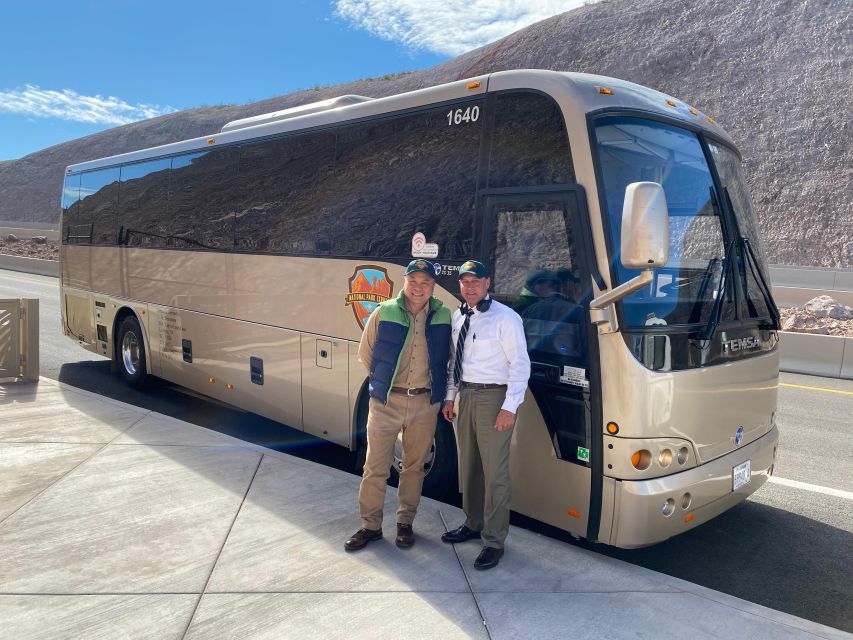
- Free WiFi and charging are part of the coach setup, which helps on a long day.
- Photo stops at Joshua Tree Forest and Hemenway Park add variety, with a chance for bighorn sheep sightings.
Las Vegas to Grand Canyon West: the day-trip rhythm
This is a longish day, but it is built for first-timers. You leave Las Vegas by luxury motor coach and you stay on a tight track: quick detour photos, then the main event at Grand Canyon West, then a Hoover Dam stop on the way back. The total time is about 10.5 hours, so plan your day around it.
What makes this itinerary work is the balance of “big stops” and “fast stops.” You get a real chunk of canyon time (about 4 hours at Grand Canyon West), then short photo moments elsewhere so you do not burn the whole day sitting on a bus. And yes, there’s free WiFi and charging stations on board, which sounds small until you’re staring at a desert horizon for hours.
If you’re the type who hates guessing logistics—where to park, how early to arrive, how to avoid bottlenecks—this kind of guided structure is a real plus. And based on guide names that keep popping up in real-world feedback (Gia, Milton, Paul, Wayne), the experience tends to be more than just transportation. The best guides help you know where to stand for better photos and how to pace yourself.
You can also read our reviews of more tours and experiences in Las Vegas.
Choosing Eagle Point vs Guano Point (and why both matter)
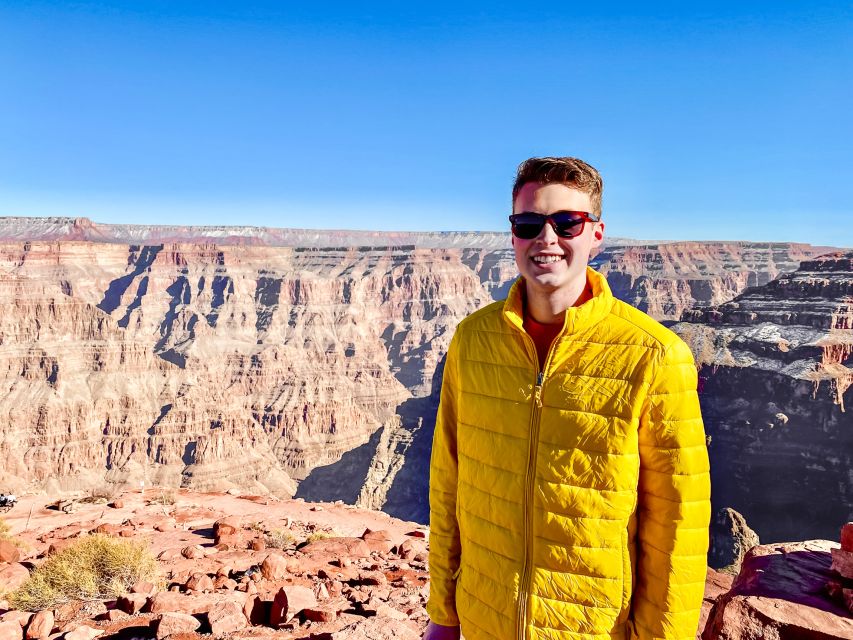
Grand Canyon West is split into key areas, and the tour focuses on two: Eagle Point and Guano Point. If you only knew one, you might miss the other. Together, they make the canyon feel bigger and more dramatic.
Eagle Point: the classic rim views and the Skywalk choice
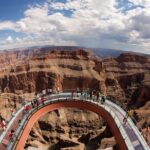
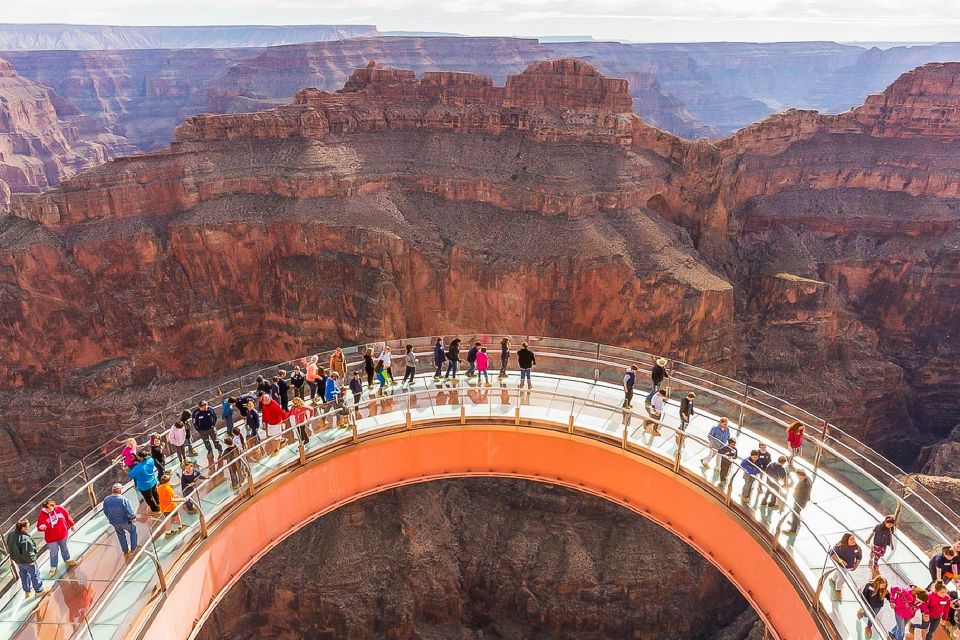
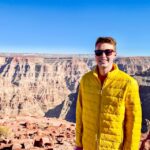
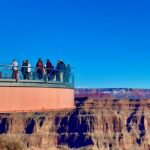
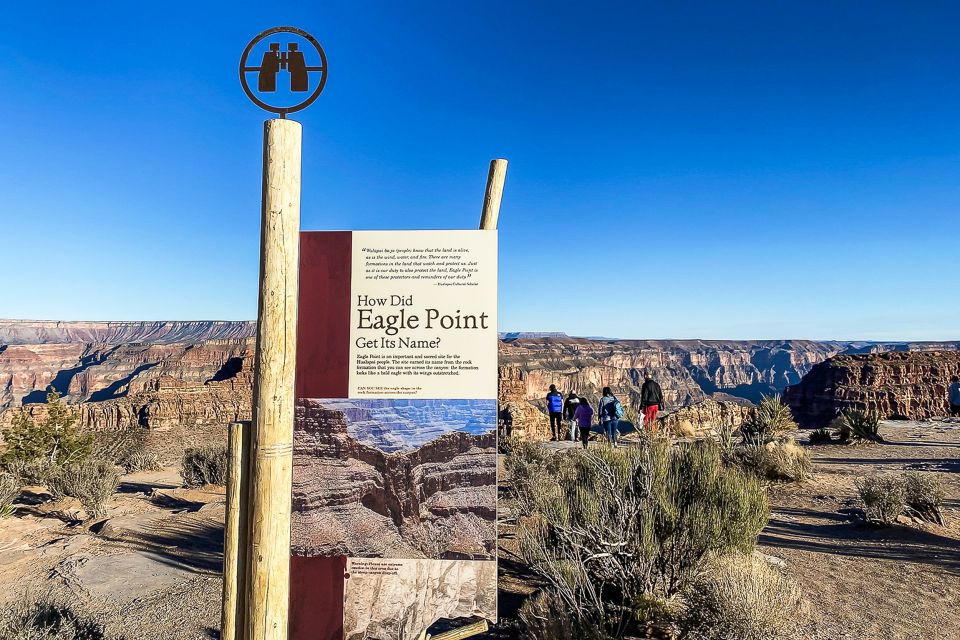
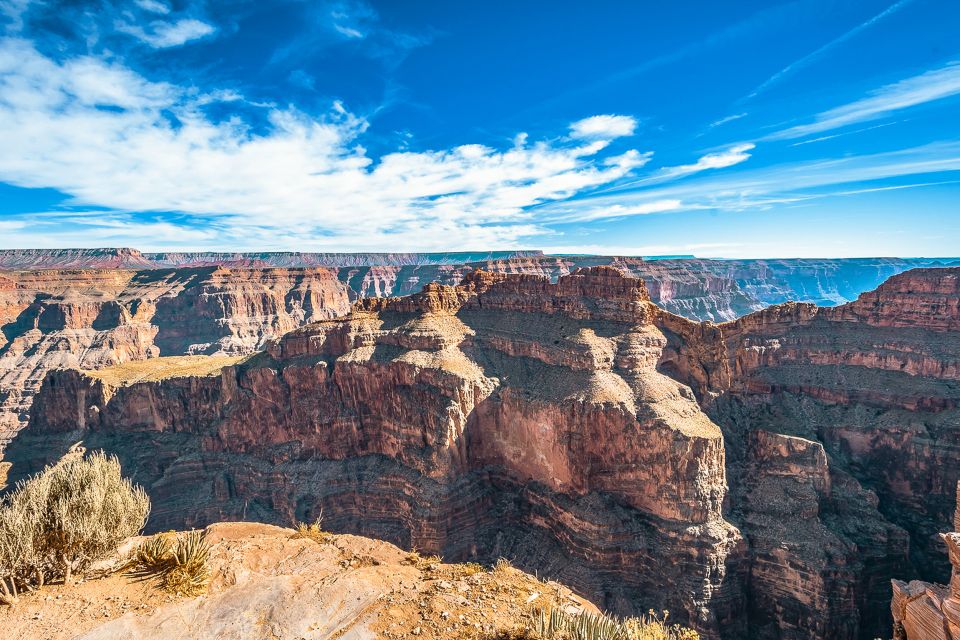
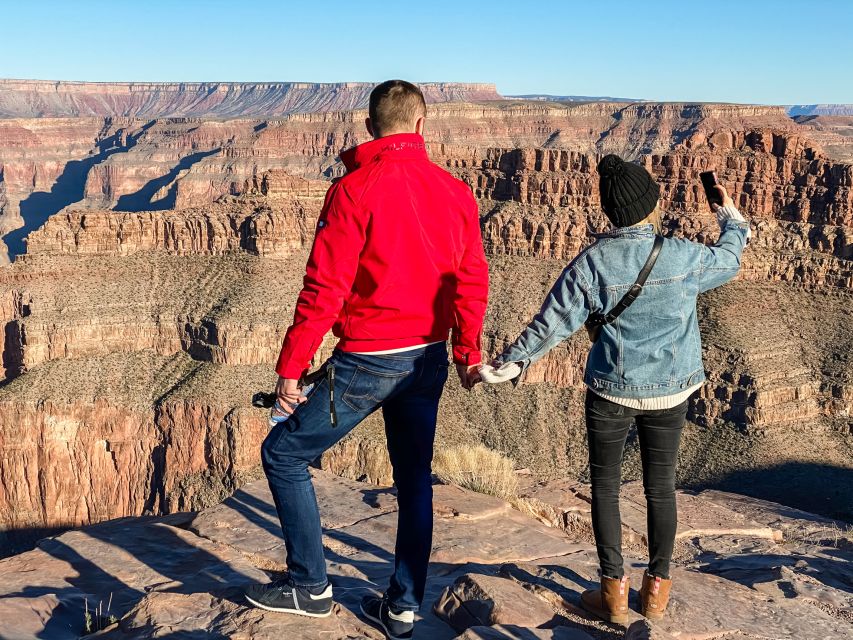
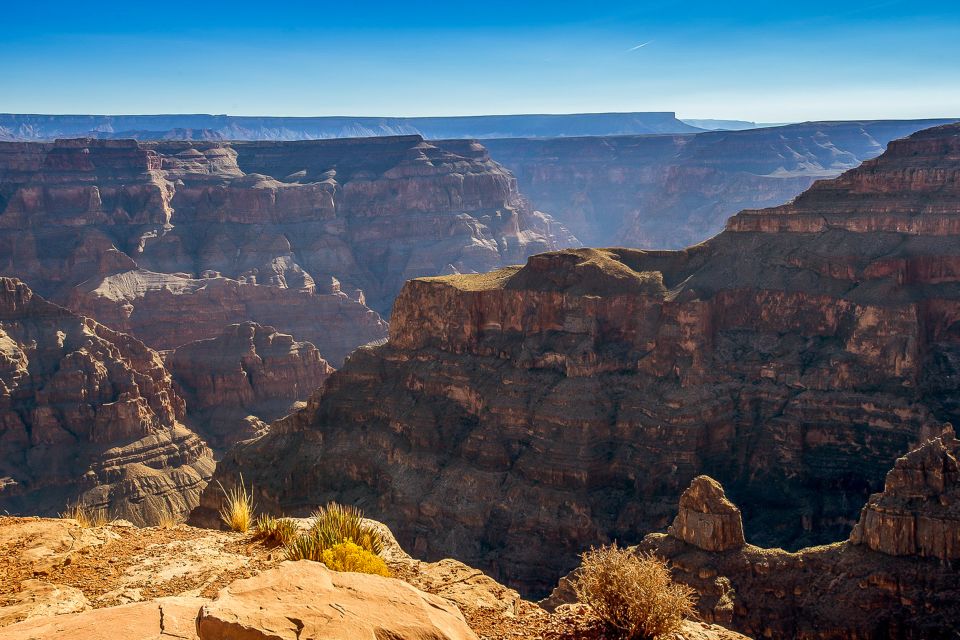
At Eagle Point, you’ll get majestic views from near the rim and the canyon’s scale hits right away. This is also where the natural stone formation of a giant eagle spreading its wings is a signature sight. Nearby is the Skywalk, a glass walkway that extends out over the edge of the canyon.
You have the option to upgrade to Skywalk. If you do, here’s how to think about it: it’s not just a thrill ride, it’s a viewpoint that changes how you experience depth. For a lot of people, that’s the best “one-minute decision” of the day.
But remember the Skywalk restrictions: no bags, phones, or cameras on the glass. That’s not a minor detail. It affects what you bring into the moment, how you manage essentials, and whether you’re okay not capturing video.
Guano Point: 360-degree views from the highest viewpoint
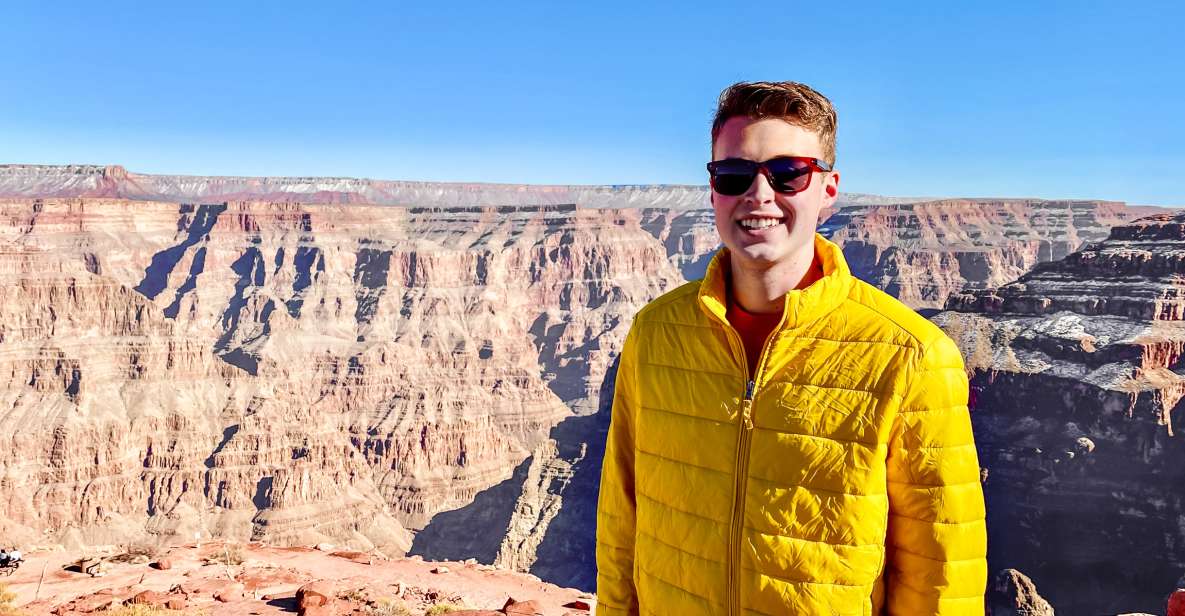
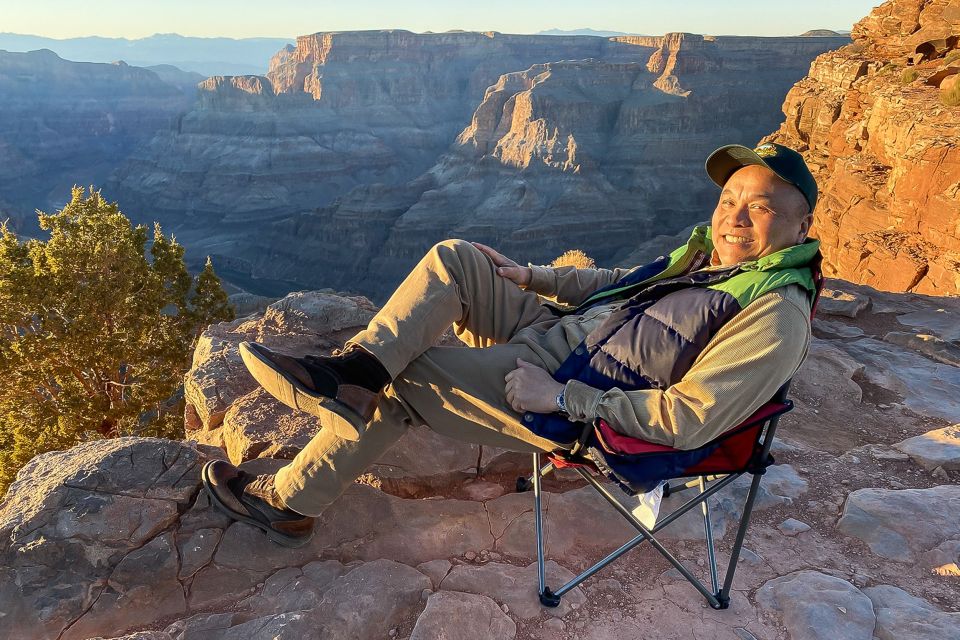
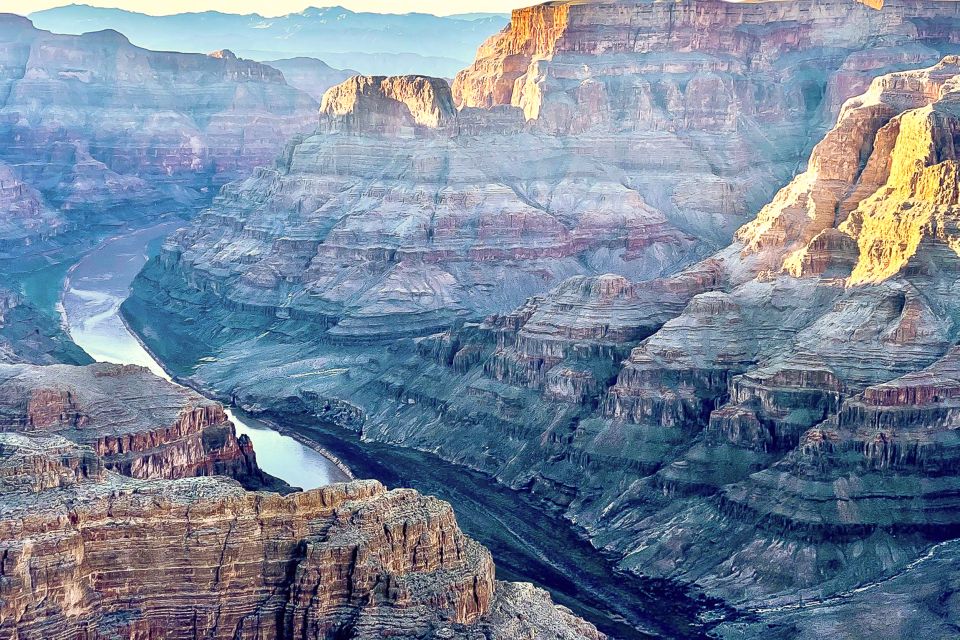
Guano Point is where the day stretches into wow territory. You can walk up the trail to the highest point, then enjoy 360-degree views. From here, you can see down toward the canyon bottom and all the way to the Colorado River area.
I love that Guano Point gives you a different kind of awe than Eagle Point. Eagle Point is more about the rim-and-edge feeling. Guano Point adds sweep—horizon to horizon—and it helps you understand how the canyon sits in the larger desert world.
The practical tradeoff is time. You’ll want comfortable shoes because you’re doing a hike to reach the top viewpoint. Also, bring sun protection and water if you’re going in warmer months—heat at canyon edges adds up fast.
The Hualapai Reservation experience: culture in the middle of the scenery
One of the more grounded parts of this tour is the stop framed around the Hualapai Tribe and local Native American culture. At Grand Canyon West, there are examples of Native American dwellings to show how people have lived on the land.
This matters because the canyon can otherwise feel like just a backdrop. A good guide will help you connect the views to the place—where the land is, how the canyon connects to the tribe’s history, and why these viewpoints are not random tourist stops.
If you’re picking between multiple “canyon tours” and you care about more than a photo opportunity, this cultural component is a small but meaningful upgrade.

The Skywalk decision: thrill, rules, and how to plan
Skywalk is optional, so you can tailor the day. Here’s how I’d make the call.
Choose Skywalk if you:
- Want a one-of-a-kind view experience that feels different from standard rim walking
- Like high-adrenaline moments where the canyon drops away beneath you
- Are okay bringing less into the Skywalk area since phones and cameras are not allowed
Skip Skywalk if you:
- Prefer to keep your hands free for your own pacing and photos
- Get stressed by restrictions, lines, or carrying logistics around the moment
- Want more time walking and lingering at Guano Point instead
Also, keep your head in the game. The best guides tend to give quick, clear instructions so everyone knows what to do next without chaos. In past experiences with guides like Gia and Milton, that kind of organization is exactly what makes the day feel smooth instead of rushed.
Hoover Dam photo stop: quick views, big scale
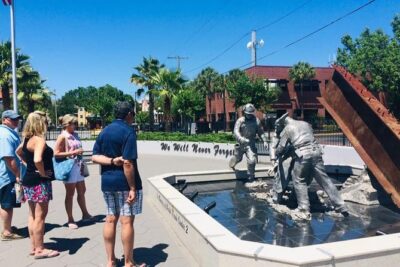
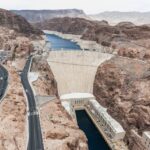
After the canyon, you’ll make a photo stop for Hoover Dam and the Colorado River. It’s not a long on-your-own visit; it’s a stop where the goal is to see the dam’s scale from the right angles and get your photos before moving on.
Even with limited time, this stop adds contrast. Grand Canyon West is about vertical depth and desert geology. Hoover Dam is about engineering and water in motion—Lake Mead, the river corridor, and the dam’s footprint in the desert.
If you already visited Hoover Dam before, you might find this part more “nice to see again” than “must do.” If you haven’t, the photo stop can be enough to say you saw it in person without sacrificing your main canyon time.
Bonus stops: Joshua Tree Forest and the bighorn-hope moment
This tour includes a photo stop at Arizona Joshua Tree Forest—about 10 minutes—plus a short stop at Hemenway Park in Boulder City where you might spot bighorn sheep.
These stops are small on paper, but they do a useful job. They break up the day so the drive doesn’t feel like one long stretch of “almost there.” And they give you a sense of what Southern Nevada and northern Arizona look like beyond just canyon walls.
At Hemenway Park, it’s a “possibly see bighorn sheep” moment. That’s not a guarantee, so come with curiosity, not disappointment. The bigger win is the chance of a real wildlife sighting without needing extra planning.
Lunch and the value play: what $84 buys you
The price is listed as $84 per person, and the value really depends on whether you add the optional lunch and Skywalk.
Here’s what you get built in:
- Grand Canyon West admission
- A deli-style box lunch if the lunch option is selected
- Granola bar and bottled water
- Free WiFi and charging stations on board
- A guided day with live English commentary
- Skip the ticket line (for smoother entry)
Then you can add:
- Optional Skywalk
- Optional lunch upgrade (if you didn’t already select it)
When you compare this to doing it all with a rental car, the math can swing your way fast. You’re paying for convenience and time efficiency. In a day-trip situation, those two things are worth something—especially if you’re juggling limited vacation time.
From real-world feedback patterns, people repeatedly praise the “enough time” at the canyon and the way guides and drivers keep things organized. Names like Carlito, Wayne, Brandon, and Orlando show up for smooth routing and good pacing. That pacing is what makes the tour feel like value, not like a rushed bus ride.
Coach comfort and real-life pacing (including WiFi)
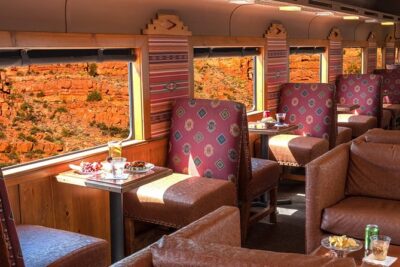
This is a luxury motor coach setup, and it’s designed for long-distance comfort. You’ll spend time on the road—some segments are longer, with a few stops along the way for photos or transitions.
WiFi helps more than you’d think. If your phone battery drains, you’ll appreciate knowing WiFi exists on board. Charging stations also make it easier to save battery for maps, photo timing, and later posting.
One pacing note: the itinerary includes several coach segments between stops. If you hate waiting, focus on using that time for water and snacks, and save your energy for Eagle Point and Guano Point, where you’ll walk and stand.
What to pack so the day feels easy
You’ll want to show up with the practical basics:
- Comfortable shoes (you’ll do walking at Guano Point, plus rim-side movement at Eagle Point)
- Passport or ID card
- Sun protection (hat, sunscreen)
- A light jacket if you’re visiting in winter, since you may want extra comfort outdoors
- Your own water plan—the tour includes bottled water, but canyon heat can surprise you
And for anyone choosing Skywalk: you should plan for the fact that bags, phones, and cameras are not allowed on the glass bridge. Bring what you truly need, and accept that Skywalk is mostly an in-person experience.
Also note the tour rules: no intoxication and no alcohol or drugs, including marijuana. Alcoholic drinks are not allowed in the vehicle.
Who this tour is best for
I think this works best if you:
- Are based in Las Vegas and want a canyon day without renting a car
- Want the convenience of a guided schedule and on-board comfort
- Like a “main event with extras” format: Grand Canyon West first, Hoover Dam second, bonus photos in between
- Want an option to add Skywalk without committing to it from the start
It may be less ideal if you:
- Want lots of free time to explore outside the main rim viewpoints
- Strongly prefer South Rim-style experiences (this is Grand Canyon West, not a National Park South Rim visit)
- Need to carry and use a phone or camera during the Skywalk moment (the rules are strict there)
Should you book this Grand Canyon West + Hoover Dam day trip?
I’d book it if you want an efficient, organized day that gets you to the canyon closest to Vegas, with big viewpoints and a clean plan. The optional Skywalk is a genuine add-on for people who want that extra “I can’t believe I’m here” moment, and the rest of the day still works beautifully even without it.
If you’re a planner who hates surprises, this tour tends to fit that personality. Between the coach comfort, the free WiFi, and the way guides like Gia and Milton (and drivers like Carlito and Paul) keep things moving, it’s the kind of trip where you spend less time worrying and more time looking.
One last decision tip: pick your canyon priorities in advance. If Guano Point views are your goal, you’ll likely enjoy the day even if you skip the Skywalk. If you want that glass-bridge adrenaline, commit to Skywalk—but travel light so the rules don’t stress you out.
FAQ
How long is the tour?
The total duration is about 10.5 hours.
What part of the Grand Canyon do we visit?
You visit Grand Canyon West on the Hualapai Reservation, with time in the Eagle Point and Guano Point areas.
Is the Skywalk included?
Skywalk is optional. It’s included only if you choose the upgrade.
Are phones and cameras allowed on the Skywalk?
No. Bags, phones, and cameras are not allowed on the Skywalk.
Is WiFi available during the ride?
Yes. The coach includes free WiFi and charging stations.
Do we stop for Hoover Dam?
Yes. You’ll have a photo stop at the Hoover Dam area with views of the Colorado River and Lake Mead.
Is lunch included?
A deli-style box lunch is included if you select the lunch option. You’ll also receive a granola bar and bottled water.
What other stops are included?
There is a photo stop at Arizona Joshua Tree Forest and a brief stop at Hemenway Park in Boulder City, where you may see bighorn sheep.
What do I need to bring?
Bring a passport or an ID card, plus wear comfortable shoes and bring sun protection (and a light jacket in winter).
Does the tour run year-round?
Yes. It operates year-round through seasonal weather.