REVIEW · BIG ISLAND OF HAWAII
Big Island Manta Ray Night Snorkel
Book on Viator →Operated by Hang Loose Boat Tours · Bookable on Viator
Manta rays glow in Kona night. This Big Island night snorkel turns a simple boat ride into an up-close, in-the-dark encounter with gentle giants, timed around Kona’s sunset. I like two things a lot: the manta rays can come insanely close, and the crew keeps you moving with live commentary plus light snacks while you’re waiting to get in the water. One real consideration: if the ocean is rough, seasickness can hit hard, and the night snorkeling depends on holding position and staying steady.
You meet at Hang Loose Boat Tours at Keauhou Bay Harbor, cruise out for a short stretch, then put on your snorkel gear and get down to the floating viewing area. The company caps group size at 48, provides flotation options and jacket-style wetsuit tops, and includes a live guide in the mix—so even the nervous moments tend to be managed.
In This Review
- Key takeaways before you go
- Kona Night Mantas: what makes this snorkel different
- From Keauhou Bay Harbor to the manta spot: your 2.5-hour rhythm
- Gear you get (and why it matters in the dark)
- What you’ll see: mantas up close, often under you
- Safety on a moonlit snorkel: what the crew actually does
- Who this tour is best for (and who should think twice)
- Price and value: what $84.60 buys you on the Big Island
- When the ocean gets rough: seasickness and comfort fixes
- The little details that make it smoother
- Names you’ll hear aboard (the crew vibe)
- Should you book Hang Loose Boat Tours for Big Island manta rays?
- FAQ
- Where do I meet, and where does the tour end?
- How long is the Big Island manta ray night snorkel?
- Is snorkeling gear included?
- Do I have to know how to swim and snorkel?
- What happens if I do not see manta rays?
- What should I bring for after the snorkel?
- What’s the cancellation window for a full refund?
Key takeaways before you go
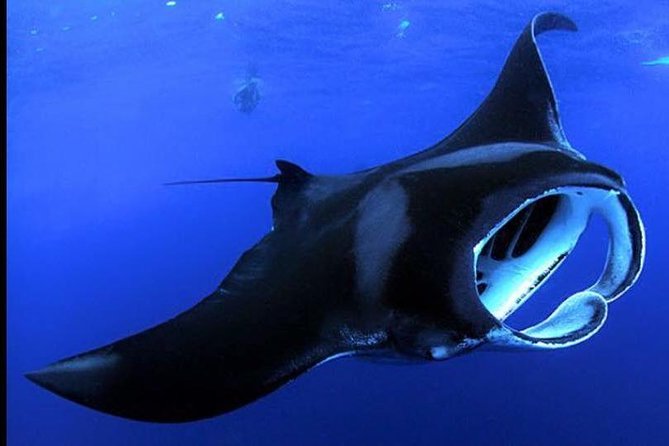
- Night timing + lights: you watch manta rays feed and cruise right under the surface
- Short cruise, then water: plan for a fast shift from boat to ladder to snorkeling
- Gear included: snorkel setup plus optional floatation and a jacket wetsuit top
- Safety support in the water: staff help with get-on and get-off, and there are safety divers/lifeguards
- If you miss the mantas: you can book a complimentary return trip
- Bring warm layers: after dark, you’ll be glad you packed a towel and change of clothes
Kona Night Mantas: what makes this snorkel different
This isn’t a “see them from far away” kind of outing. The whole point is getting in the water at night and letting the mantas come close enough that you’re watching them at breathing distance—not from a distance, not through glass.
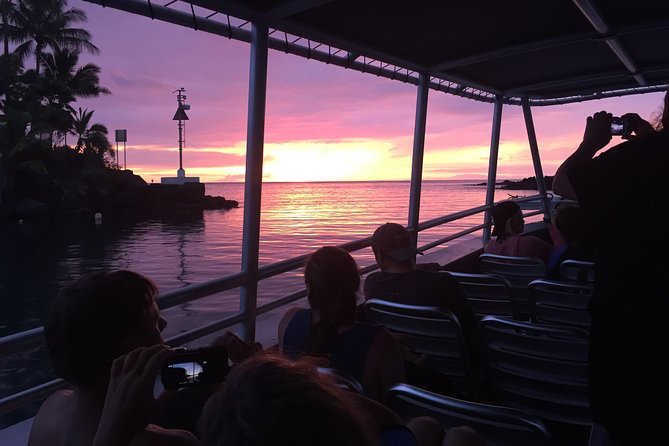
What really sells it for me is the combo of timing and setup. You get a sunset moment from the boat in Kona, then the lights and the floating viewing positions help bring the action right to you. It’s also practical: you don’t have to source gear, and you’re not stuck hungry out there because snacks and bottled water are part of the package.
You can also read our reviews of more tours and experiences in Big Island of Hawaii.
From Keauhou Bay Harbor to the manta spot: your 2.5-hour rhythm
The tour runs about 2 hours 30 minutes and follows a simple, efficient flow. You make your own way to Hang Loose Boat Tours at 74-381 Kealakehe Pkwy, Kailua-Kona. Then you check in with your guide and the crew gets everyone ready.
Next comes the cruise out to the snorkeling site. This is where you see Kona’s sunset before you gear up. After that, you climb down the ladder (it’s described as a short ladder), use the flotation support if you want it, and settle onto the viewing positions.
At the end, you return back to the harbor and the same meeting point. The whole thing moves fast on purpose—nighttime opportunities don’t wait around, and the schedule is built around getting as much manta time as possible.
Gear you get (and why it matters in the dark)
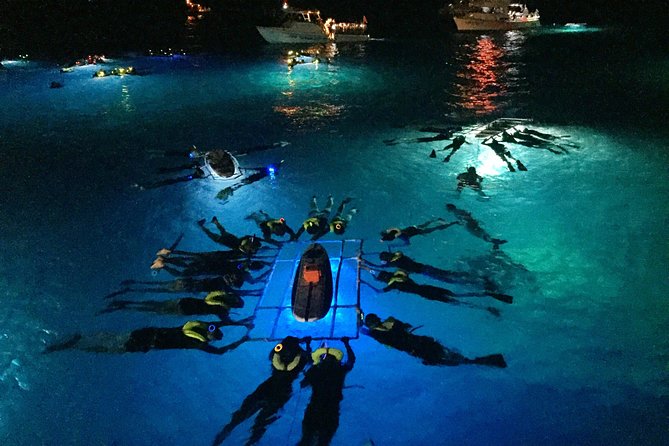
You’re provided with snorkeling gear and (for those who want it) a jacket-style wetsuit top plus flotation devices. That matters because it’s one less thing to worry about when you’re getting in at night, in cooler water, with limited daylight to judge what you’re doing.
The flotation devices are especially important if you’re not fully confident in open-water snorkeling. The rules do require prior swimming and snorkeling experience to get in the water, but the operator notes there’s a Ride Along option for non-swimmers. So if you’re unsure, it’s worth planning around that rather than forcing it.
Bring a towel and clothes for a change. Reviews also point out that a sweatshirt or light jacket is a smart move for the boat ride back and the moment you’re out of the water.
What you’ll see: mantas up close, often under you
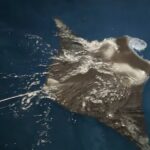
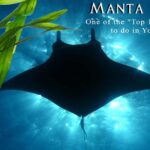
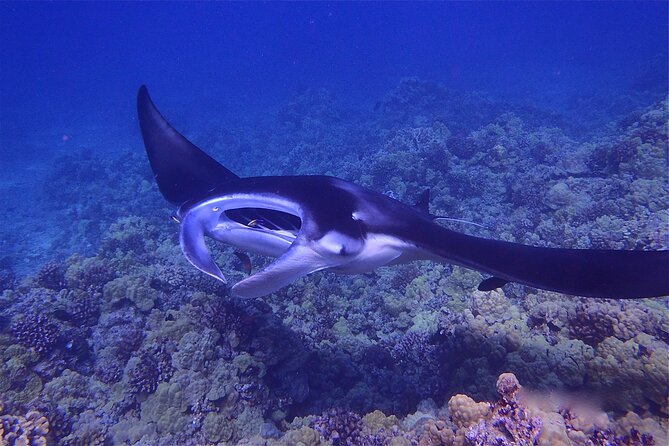
This is the part that makes the tour famous. The manta rays aren’t just present—you’re set up where rays can loop close, glide overhead, and cruise right beneath the viewing area. In multiple accounts, people describe rays swimming very near, sometimes with several rays in the same view at once.
You should also go in with the right expectation: you’re not trying to chase the mantas. You’re holding your position and watching where they pass. The crew runs guidance so you know what to do once you’re in the water, and there are staff in the water to support guests during the session.
One more practical note: this is about observing, not touching. Even though some experiences sound almost like they could be touched, the animals deserve distance, and the guides will steer you toward safe behavior.
Safety on a moonlit snorkel: what the crew actually does
Safety is the backbone of this tour. The operator requires you to be in good health and fit condition, and you must be able to climb the ladder. You’ll also be briefed before you get in, and the company reserves the right to refuse service to anyone showing signs of intoxication.
The most reassuring thing is the hands-on support. Reviews mention lifeguards/safety staff in the water and a crew that helps people who need assistance getting back. That support shows up in how you’ll be guided onto the platform and how help is provided when conditions are rough.
The tone also matters. Several people praise crew members for humor and calm reassurance, especially when someone is nervous about entering black water at night. If you get anxious, that gentle encouragement can be the difference between freezing in place and finally enjoying the moment.

Who this tour is best for (and who should think twice)
This is not a first-time snorkel experiment. The rules clearly say you must have previous swimming and snorkeling experience to get in the water. If you don’t, use the Ride Along option instead of trying to “power through.”
You also need to feel comfortable in the water and comfortable using flotation if needed. The tour notes a moderate physical fitness level, and it’s not recommended for people with back or neck problems or injuries within the last three years. Advanced pregnancy is also not recommended.
Age-wise, it’s set with a minimum age of 2 and a maximum age of 70 (unless the supplier approves otherwise). Service animals are allowed, which can help some travelers plan with more confidence.
If you’re prone to motion sickness, plan hard for that risk. Some nights are smoother, but rougher conditions show up in reviews as a major issue for a chunk of the boat—so it’s not something to ignore.
Price and value: what $84.60 buys you on the Big Island
At $84.60 per person, you’re paying for a bundle: guided night instruction, live commentary on board, snorkel gear, a jacket-style wetsuit top and/or flotation support, plus light snacks and bottled water. That’s not just “rent gear and hope”—it’s a guided, managed water activity.
The other value lever is the complimentary return trip if you don’t see manta rays. That’s a big deal in an animal encounter where conditions and animals don’t follow a human schedule. You’re paying into a high-variance experience, and the operator offers a safety net.
One thing I’d do: make sure you understand what you’re booked for. There’s mention of an observation-only situation versus the full snorkeling experience on similar bookings, and that can change the experience for your group. Before you go, confirm you have the full snorkeling option if that’s what you want.
When the ocean gets rough: seasickness and comfort fixes
Night water can be calm, but it can also be rough. Several reviews call out large swells and heavy rocking on some nights, with many people getting sick. Even if you’ve handled boats before, this is a good place to take seasickness seriously.
Here’s my practical advice:
- Bring your motion sickness plan. If you normally use medication, take it as directed before you board.
- Wear layers you can manage. Reviews also suggest it’s not that cold on the way back if you dress right, but you still want warm clothes ready.
- Pack light. You’ll be shifting between boat and gear fast, and you don’t want a bunch of loose items.
If you’re already very sensitive to waves, consider that this tour depends on you staying steady in the water. In rough conditions, holding onto the viewing boards/platform can feel tiring, and you may feel the whole outing as a struggle rather than a thrill.
The little details that make it smoother
This tour is set up for real-world comfort, but you still have to do your part. Use your pre-trip prep to show up ready for a ladder and a night swim. Bring a towel and change clothes, plus a sweatshirt or light jacket.
On the equipment side, don’t overpack. You don’t need to bring snorkel gear since it’s provided. If you want footage, there is a note that GoPro rental may be available upon request (calling to reserve). So if video matters to you, ask ahead.
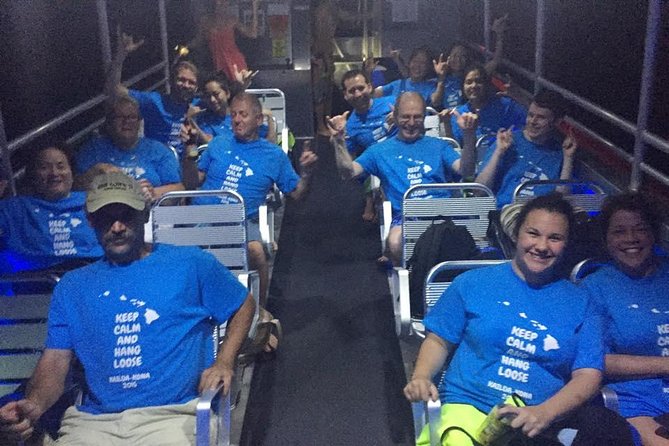
Also note the tour size is capped at 48 travelers. That’s a meaningful “feel” factor. You’re not in a huge cattle line, which helps you get assistance faster if you need it.
Names you’ll hear aboard (the crew vibe)
A lot of the positive energy comes from the crew’s personality and organization. Reviews mention captains and staff such as Bryce, Noah, Vince, Aden, Jordan, and Bruno, plus other crew members like Jacob. The common thread is active support—keeping people comfortable, giving guidance in a way that helps you focus, and helping anxious guests relax enough to climb down into the water.
If you’re worried about the night element, that kind of calm, encouraging leadership is a huge part of why people call this a must-do.
Should you book Hang Loose Boat Tours for Big Island manta rays?
Book it if you want the rare experience where manta rays come close enough to feel real. This is the kind of activity that becomes a core memory, especially if your group includes kids or first-time snorkelers who can use flotation and still meet the experience requirement. The combination of gear + guide + safety support + snacks gives you a smooth structure for something that could otherwise feel intimidating.
I’d think twice if you’re very prone to seasickness, hate the idea of holding steady in open water at night, or don’t meet the prior swim/snorkel requirement. In those cases, the Ride Along option may be the smarter way to be on the boat without pushing your limits.
If you go, go prepared: warm layers, towel, and a plan for motion sickness. Then give the tour your full attention once you’re in the water—because when the mantas arrive, it’s brief, it’s magical, and it happens right under you.
FAQ
Where do I meet, and where does the tour end?
You meet at Hang Loose Boat Tours at 74-381 Kealakehe Pkwy, Kailua-Kona, HI 96740. The activity ends back at the same meeting point.
How long is the Big Island manta ray night snorkel?
It runs about 2 hours 30 minutes, approximately.
Is snorkeling gear included?
Yes. You get snorkeling gear, and for the snorkeling option you also receive a jacket-style wetsuit top and flotation device.
Do I have to know how to swim and snorkel?
Yes. You must have previous swimming and snorkeling experience to get in the water. If you’re not a swimmer, there is a Ride Along option available.
What happens if I do not see manta rays?
In the rare event you don’t spot manta rays, the operator offers a complimentary return trip.
What should I bring for after the snorkel?
Bring a towel and clothes for change. A sweatshirt or light jacket is recommended for after the tour.
What’s the cancellation window for a full refund?
Free cancellation is available up to 24 hours in advance of the experience start time for a full refund. If you cancel less than 24 hours before the start time, you won’t get a refund.