REVIEW · BIG ISLAND OF HAWAII
KONA Manta Ray Night Snorkel – FREE re-ride if no Sightings
Book on Viator →Operated by My Kona Adventures · Bookable on Viator
Manta rays in the dark are one of Hawaii’s strangest, most calming wildlife shows. I like that this trip runs on a small 23-foot RHIB with a max of 11 people, so your water time feels organized instead of chaotic. I also like the guided manta ray biology and behavior talk—plus the fact that the snorkeling gear is provided, and wetsuits are optional to rent at check-in. One thing to consider: this is for experienced swimmers with basic snorkeling skills, and if the ocean is rough or there are no sightings, you won’t get a refund (you’ll get a free re-ride instead).
The whole outing is quick: about 1 hour 20 minutes total, with roughly 25–30 minutes in the water and about 50 minutes for the full loop including the short boat ride. Night snorkeling also lets you keep your daytime on the Big Island for beaches, Kona coffee, or whatever else you planned. It starts at 78-7138 Kaleiopapa St in Kailua-Kona and goes right back to the same meeting point, with no hotel pickup.
What happens in the water is the star of the show. You’ll ride out on a small Zodiac-style boat, then enter the ocean at night to watch these gentle giants. The guides keep commentary going so you’re not just staring—you’re learning what you’re seeing and how to stay respectful of the rays.
In This Review
- Quick High-Impact Details Before You Go
- How the 1.2-Hour Night Snorkel Actually Works
- Kona’s Small Boat Rhythm: Zodiac-Style, 11 People Max
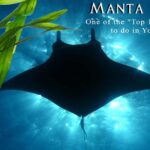
- What You’ll See in the Water: Mantas at Night Up Close
- The Guides’ Teaching: What Makes It Feel Worth $49
- Wetsuits, Snorkel Gear, and the Night Comfort Check
- Safety Reality: Life Jackets, Age Rules, and Motion Sickness Math
- Tickets, Sightings, and the Free Re-ride Catch
- Price and Value: Is $49 Reasonable for Night Mantas?
- Who Should Book This Kona Manta Ray Night Snorkel?
- Should You Book It or Skip It?
- FAQ
- How long is the manta ray night snorkel tour?
- How many people are on the boat?
- Is snorkeling gear included?
- Do I need to be an experienced swimmer?
- Are wetsuits available?
- What happens if there are no manta ray sightings?
- Is hotel pickup included?
- Can kids go, and are service animals allowed?
- Are life jackets provided?
Quick High-Impact Details Before You Go
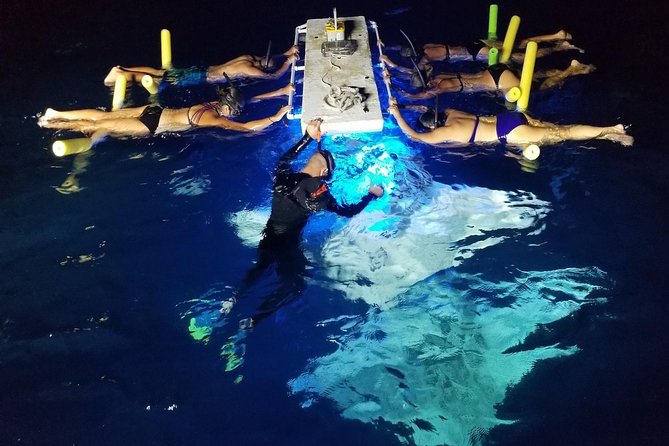
- Small-group RHIB (max 11): Less crowding, more control in the water, and faster moving from boat to action.
- 25–30 minutes of water time: Enough time to get comfortable and actually enjoy the encounter, not just rush through it.
- Gear included: Snorkel equipment is provided, so you can pack lighter.
- Wetsuits optional: Rent at check-in if you want extra warmth for the night air and water.
- No sightings = no refund: You’ll get a free re-ride instead, since these are wild animals.
- Night viewing uses surface lighting: The tour would not run without it, so this is built for nighttime manta spotting.
How the 1.2-Hour Night Snorkel Actually Works
This is a tight, focused experience built around one goal: manta ray viewing at night from Kona. The schedule is simple. You check in, get your snorkel setup (if you selected snorkeling), then you head out on the boat to the viewing area. After that, you gear up for the water time and follow the guide’s rhythm.
The time breakdown matters because it shapes how the trip feels. You’re not spending half a day traveling. In the water, you’re in for about 25–30 minutes, which is long enough to settle, swim comfortably, and watch behavior change as the rays circle and return. On top of that, the full departure-to-return loop is about 50 minutes, so if you’re the kind of person who gets motion-sick, this short transit helps.
One more practical point: this tour uses a mobile ticket, and it ends back at the meeting point. So plan your parking and your return on your own. Also, bring only what you truly need. There’s no office on site, and you’re asked not to bring valuables because you’ll keep belongings in your car.
You can also read our reviews of more tours and experiences in Big Island of Hawaii.
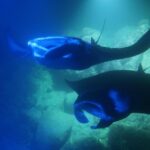
Kona’s Small Boat Rhythm: Zodiac-Style, 11 People Max
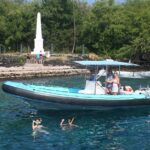
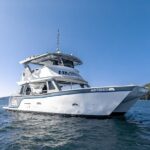
You’ll be on a 23-foot RHIB (Zodiac-style) that carries up to 11 passengers. That small count is a big deal at night. More people means more moving parts in dark water, and more chances for masking up at the wrong moment. Here, the operator keeps it smaller so the guide team can manage the group without turning it into a free-for-all.
The boat ride itself is also short. Multiple people mention it feels quick compared with other manta tours from farther out, and that’s a plus for comfort. If you’re sensitive to choppy conditions or you just don’t like sitting on a boat, a short run can make the whole experience feel calmer.
Still, ocean conditions can change fast. You can get swell, and sometimes the ocean will be choppier than you expect. That’s why the tour has a swimming/snorkel skill requirement. In other words: you’re not doing a sightseeing cruise. You’re doing a nighttime ocean activity with real conditions.
What You’ll See in the Water: Mantas at Night Up Close
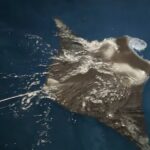
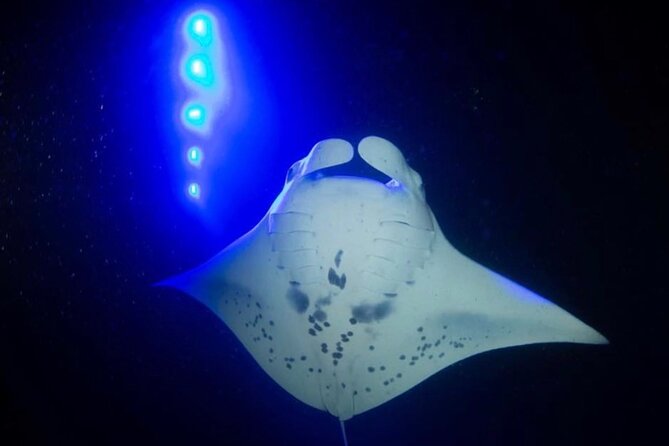
Night is when manta ray behavior turns into something you can actually watch like a living light show. You’re not just seeing a ray from far away. When the conditions and animals line up, you can experience those slow, deliberate passes where the ray comes in close and glides right near you.
One theme that comes through strongly is closeness—people describe rays coming in very near, with some saying they were within inches. Another common note: you may see multiple manta rays at once, and some encounters include several rays returning repeatedly during the water time.
This is also why the guides give instruction. At night, your job is mostly simple: stay calm, keep your snorkel gear working, and follow directions so everyone stays safe and the rays keep behaving naturally. You’re in their habitat, and the best viewing tends to happen when you aren’t panicking and churning the water.
A practical tip that comes from what people said: if you get nervous about getting in, take a breath and do it slowly. Some folks felt anxious right at the start and then relaxed the moment they were in the water and the mantas were actually showing up. That first minute can be the hardest.
The Guides’ Teaching: What Makes It Feel Worth $49
A manta ray tour is a special kind of investment: you’re paying for an encounter that’s partly nature and partly guidance. This one does well on the guidance side because the staff doesn’t just point out animals—they explain what you’re seeing and how to behave around them.
Names that come up in real-world accounts include Taco, Peyton, Keyo, Max, Nick, Mike, and Greg. People talk about guides staying attentive and giving clear instructions on what to do before and during the water time. Some even describe the guide’s energy as infectious—like the person is genuinely excited to help you see what’s happening.
You’ll also get commentary about manta ray biology and behavior. That transforms the experience from a random wildlife sighting into something that feels meaningful. When you understand what you’re watching, you can tell when the ray is cruising, when it’s circling, and when it’s slowing down near the group.
It’s also why the guide-to-water ratio matters. With small group size and trained support, you’re not left drifting on your own in a dark ocean.
Wetsuits, Snorkel Gear, and the Night Comfort Check
The tour provides all snorkeling equipment if you selected the snorkeling option. That’s a real value point. It means you don’t have to hunt down a snorkel and mask on short notice or deal with gear that doesn’t fit right.
Wetsuits are optional and available to rent at check-in. Night snorkeling can feel cooler than daylight water, and you’ll be in the ocean after dark. A wetsuit top rental cost of around $10 was mentioned by one person, but rental pricing can change—so treat that as a rough indicator, not a promise.
If you run cold easily, I’d plan on renting something. The water time is only 25–30 minutes, but being cold for even a short span can make it harder to enjoy what matters: watching the rays.
Also note the requirement: you must be an experienced swimmer and have basic snorkeling experience. If you’re brand-new to snorkel masks and breathing control, the dark conditions won’t give you much room for error. If you’re worried, practice a bit beforehand in a safe place, ideally before nightfall.


Safety Reality: Life Jackets, Age Rules, and Motion Sickness Math
This is the section that you should not skip.
First: the tour requires good health and strong swimming ability. That matches what you’ll feel once you’re in the water at night—no matter how gentle manta rays are, the ocean is still the ocean.
Next: life jacket rules. The tour information says casual use life jackets are not provided unless 13 years of age and under. At the same time, a safety response from the operator states they use U.S. Coast Guard-approved life vests on board at all times, and pool noodles are optional for extra comfort flotation.
So here’s my practical advice: don’t assume anything on day-of. Ask at check-in what will be available for your age group and what flotation options you can count on. If you’re a weaker swimmer, consider whether this tour is the right choice. You’re required to be comfortable in the water.
Age and animal rules matter too. Children must be 5 and over to board. Service animals aren’t allowed on board because of the boat type.
Finally, motion and cold are your two main comfort variables. Because the boat ride to the viewing area is short, people who are prone to motion sickness often find this easier than longer-departure manta trips. Bring your own sea-sickness plan if you use one.
Tickets, Sightings, and the Free Re-ride Catch
Let’s talk about the policy that actually affects your vacation plans.
Manta rays are wild ocean animals. Sightings are not guaranteed. If there are no sightings, there is no refund—but you get a FREE RERIDE. That’s a generous concept, but it depends on your schedule. If you can’t return the next day, you might end up eating the cost anyway. So when you book, treat your itinerary like this is a fun night adventure, not a guaranteed manta meeting.
There’s also an important note about ticket types. If you purchase a not snorkeling ticket, there’s no guarantee you’ll see manta rays from the boat. That makes sense: the animals respond to what’s happening in the water, not your desire to stay dry.
Cancellation is handled like a lot of weather-dependent Big Island activities. This tour needs good weather. If it’s canceled due to poor weather, you’ll be offered another date or a full refund. If you cancel in advance, there’s a full refund if you meet the timing rules (24 hours).
One more timing thing: tour times can change, and ocean conditions can shift without warning. Plan buffer time around the activity so you’re not racing a later dinner reservation.
Price and Value: Is $49 Reasonable for Night Mantas?
At $49 per person, the cost isn’t just for “seeing animals.” You’re paying for a small-group, nighttime operation with a trained team in the water, plus provided snorkeling equipment and a structured experience.
The biggest value drivers are:
- Small group size (max 11) which improves safety and reduces confusion.
- Guided instruction so you don’t miss what you’re seeing.
- Included gear so you don’t pay extra or struggle with fit.
- Free re-ride if there are no sightings.
You’ll still want to weigh the main risk: no sightings means no cash refund. The free re-ride is meaningful if you’re flexible, but less helpful if your schedule is locked. If your trip has only one night in Kona, you’re taking a bigger gamble. If you have a little flexibility, your odds feel better.
So I’d call this good value—especially if you genuinely swim well, you want the in-water viewing, and you can handle a free re-ride if nature doesn’t cooperate.
Who Should Book This Kona Manta Ray Night Snorkel?
This tour fits best if you meet the requirements and you’re okay with night ocean conditions.
It’s a great match for:
- Strong swimmers who already have basic snorkel comfort
- People who want an organized, small-group night experience
- Anyone who wants to learn about manta ray behavior, not just take photos
- Families with kids 5+ who can handle snorkeling basics and follow instructions
It’s a weaker fit if you:
- Feel uneasy in open water at night
- Are new to snorkeling and still working out breathing and mask confidence
- Can’t be flexible in your schedule if you need the free re-ride
- Rely on a service animal on board (not allowed for this boat type)
For value, prioritize booking snorkeling tickets rather than not snorkeling tickets. The not snorkeling option doesn’t promise viewing from the boat.
Should You Book It or Skip It?
If you’re comfortable swimming and snorkeling, this is an easy “yes” for most people. Small group size, provided gear, and guided learning make it feel like more than a random wildlife moment. When mantas show up, the closeness and calm vibe are exactly the kind of Big Island memory you remember for years.
But don’t book this as if it’s guaranteed. Manta rays are wild, and the tour is clear about that: no sightings means no refund, only a free re-ride. If your travel dates are tight, give yourself at least some flexibility so the re-ride option is actually usable.
My bottom line: if you can meet the swimming/snorkel requirement and you can adapt your schedule a bit, this is one of the smarter ways to spend a Kona night.
FAQ
How long is the manta ray night snorkel tour?
Total time is about 1.2 hours, with 25–30 minutes in the water. The full departure-to-return portion is about 50 minutes, which includes boat travel time.
How many people are on the boat?
The tour uses a 23-foot RHIB and has a maximum of 11 travelers.
Is snorkeling gear included?
Yes. Snorkel equipment and related gear are provided for the snorkeling option.
Do I need to be an experienced swimmer?
Yes. Participants must be experienced swimmers and have basic snorkeling experience, and they should be in good health.
Are wetsuits available?
Wetsuits are optional. They are available to rent at check-in.
What happens if there are no manta ray sightings?
There’s no refund if there are no sightings, but you’re offered a FREE re-ride.
Is hotel pickup included?
No. There is no hotel pickup or drop-off. You’ll meet at 78-7138 Kaleiopapa St, Kailua-Kona and return there.
Can kids go, and are service animals allowed?
Children must be 5 and over to board. Service animals are not allowed on board due to the boat type.
Are life jackets provided?
Casual use life jackets are not provided unless the participant is 13 years old or under, but the operator states U.S. Coast Guard-approved life vests are on board. Pool noodles may be offered for comfort flotation.