REVIEW · KETCHIKAN
Ketchikan Electric Bike and Rain Forest Hike Ecotour
Book on Viator →Operated by Ketchikan Kayak Company · Bookable on Viator
Bike to nowhere, then into the forest. Ketchikan’s Road to Nowhere e-bike tour pairs an easy electric-assisted ride with a real guided walk in the lush Tongass National Forest, where salmon streams, waterfalls, and beach views all show up along the trail. I love that you’re not just watching nature from town—you’re getting out to the edge of the paved road system first, then switching to hiking when the forest gets serious.
I also love the small-group feel, usually capped at a dozen, plus the way the guides keep things paced for real people, including first-time e-bike riders. One possible drawback: you’ll still need moderate fitness for the biking hill and the down-up walking on steps, and infants aren’t accommodated.
Key Points at a Glance
- Road to Nowhere on an e-bike: pedal-powered assist gets you farther with less strain.
- Guided Tongass rainforest hike: stops include waterfalls, an active salmon-spawning stream, and coastal views.
- Wildlife spotting on foot and from shore: deer, salmon, and sometimes marine mammals from the beach.
- Small-group max: you’ll get hands-on help without feeling like you’re in a crowd.
- Snack stop included: smoked salmon plus local vegan options and beverages.
In This Review
- Why This Ketchikan E-Bike + Rain Forest Combo Works
- The E-Bike Ride: Quiet Assist, Real Pedaling, and a Hill That Matters
- Road to Nowhere: The Paved Finish Line Before the Trail Gets Wild
- Transition Time: From Bike to Guided Nature Walk
- The Tongass Hike: Wet Forest, Steps, and Coastal Views
- Waterfalls, Wildlife Odds, and How to Actually Spot Things
- Food, Pace, and the Small-Group Advantage
- Price and Value: Is It Worth $161?
- Meeting Points and Timing: How to Avoid the Usual Cruise Day Stress
- Who This Tour Fits Best
- Should You Book the Ketchikan Electric Bike and Rain Forest Hike Ecotour?
- FAQ
- How long is the Ketchikan e-bike and rain forest hike tour?
- What does the tour cost, and what’s included?
- Where do I get picked up for this tour?
- Do I need to pedal the e-bike?
- What kind of fitness level is required?
- Is the tour stroller or infant friendly?
- Does the tour cancel if it rains?
- What food is provided during the tour?
- What language is the tour offered in?
Why This Ketchikan E-Bike + Rain Forest Combo Works
This is one of those Ketchikan tours that makes your cruise day feel less like a sprint and more like an actual outing. You start with a quiet, pedal-assist ride that gets you out of town and toward the island’s most unusual section—the Road to Nowhere—then you swap gears into a guided nature hike in the Tongass. The result is two different kinds of scenery in one go: engineered coastal views by bike, then real rainforest walking on foot.
For the price, what I like is that it bundles the whole “day on the land” package: bikes, guide-led hiking, roundtrip transportation from cruise areas, and food. At $161 per person for about four hours, it’s not just a transfer and a stroll. You’re paying for guided interpretation and the logistics that keep you from losing time hunting down trailheads.
The other big win is that the forest here is not a generic green backdrop. Southeast Alaska rain forest has a way of feeling alive—wet moss, steep little draws, and streams that can connect directly to salmon activity. If you care about ecology, this tour is aimed at people who want to understand what they’re seeing, not just take photos and move on.
The E-Bike Ride: Quiet Assist, Real Pedaling, and a Hill That Matters
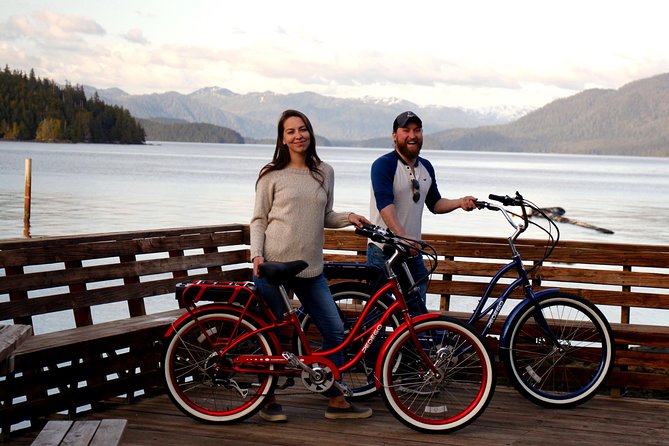
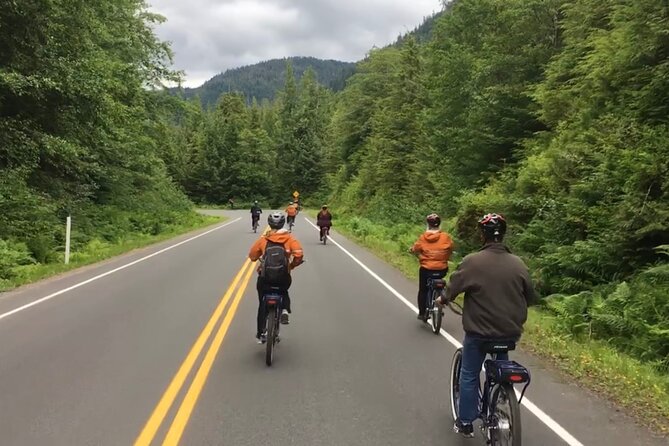
The e-bike portion is the “easy on paper, real in practice” part of the day. The bikes are electric-assist, but they’re still bikes: you pedal, you shift gears like normal, and the assist works in multiple levels so you choose how much effort you want. That means you do get help—but it’s not a sit-and-go ride. Also, the bikes are described as quiet in operation and not classified as motorized vehicles.
You’ll appreciate the bike design if you’re worried about getting on and off. Multiple riders in the groups I’m basing this on noted the step-through frame, which makes mounting feel straightforward instead of awkward. Many first-timers also needed a few minutes to get used to the feel of the bike when you start pedaling, especially after resting or when you head downhill—so plan to follow the guide’s tutorial closely and give yourself time to settle in.
One practical tip: the road to the trail is along a sealed route with cars nearby. That doesn’t make it scary or traffic-heavy, but it does mean you should be comfortable riding in a real environment, not a closed park path. If you’re extra sensitive to bikes around drivers, you may want to mentally treat this as a countryside bike ride with company, not a dedicated cycling lane.
You can also read our reviews of more tours and experiences in Ketchikan.

Road to Nowhere: The Paved Finish Line Before the Trail Gets Wild
Ketchikan has that famous paved stretch people talk about—the Road to Nowhere—and the tour uses it in a smart way. You bike to the end of the paved road system, which gives you a clear before-and-after: man-made road views first, then the moment you dismount and step into the Tongass.
What makes this portion feel worth it is the pacing. You’re not dropping straight into a hike. You’ve already warmed up, seen the water from the marina and shoreline, and had a chance to understand the local geography from a low, moving viewpoint. That helps once you’re on the trail, because the coastline and forest edge start to make sense as a connected system.
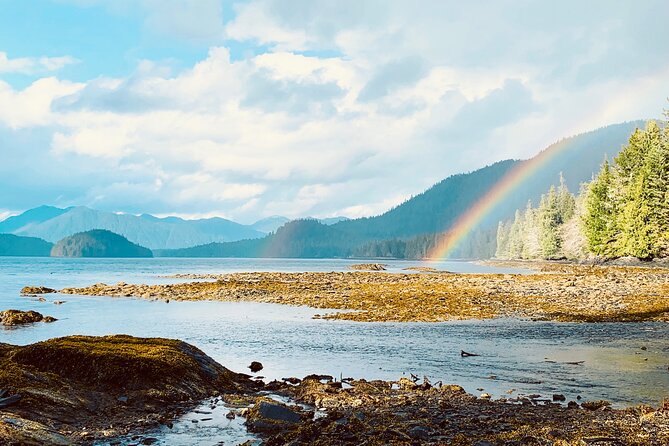
This is also a good segment for wildlife odds. From the sea shoreline, marine life sightings can be part of the day—porpoises, seals, and sea lions are often spotted, and sometimes bigger surprises happen from the beach area such as humpbacks or orcas (it’s not guaranteed, but it’s the kind of place where they can show up). Even when you don’t see animals, the shoreline views and waterfall sounds are a real bonus.
Transition Time: From Bike to Guided Nature Walk
At some point, you’ll dismount and your guide leads you on foot. This is where the rainforest stops being scenery and starts being a guided experience. The route is designed to move through a wildlife-rich stretch of the Tongass National Forest, including a trail that passes an active salmon-spawning stream and a waterfall.
The guide portion matters more than you might think. In a rain forest, a lot of the interesting stuff is small and specific: plants adapted to heavy rainfall, stream systems that change across seasons, and signs of animal activity. Guides for this tour—names that show up in past groups include Chandler, Raven, Sophie, Koda, Cory, Reivon, Dana, and others—are typically focused on interpretation and pace. People often mention that guides ride behind on the bike side and keep the group together without rushing.
You may also find there’s some flexibility in hike route choice. One group mentioned having two hiking options, with one shorter and easier. If that matters to you, it’s worth asking at the start of the day which route fits your comfort level, because the walking includes steps and some up-and-down.
The Tongass Hike: Wet Forest, Steps, and Coastal Views
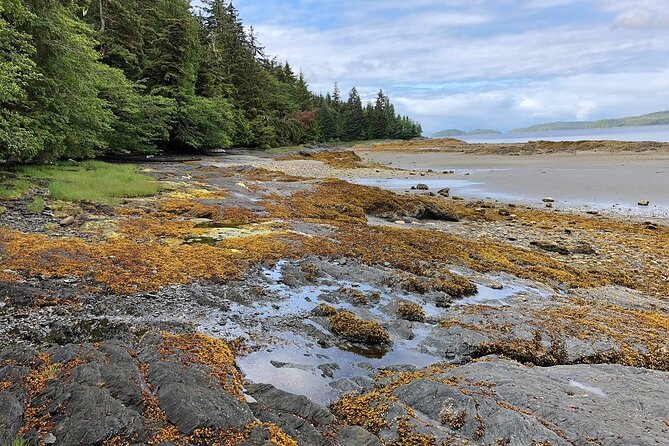
The tone of the hike is “short but not flat.” It’s often described as not overly strenuous, yet it includes steps and a bit of walking up and down, especially as you move between forest sections and down toward the coastal shoreline. If you’ve got average mobility, the e-bike helps set you up for the day, but you’ll still want stable shoes and a calm attitude about stairs.
As you hike, you’re following a trail that brings you to several signature moments:
- A salmon-spawning stream area, which can be a big deal seasonally.
- A waterfall stop, where you’ll feel the rainforest humidity and hear the water well before you see it up close.
- Beach views and a rocky shoreline segment, where you can pause and look out over the water.
Season changes the wildlife odds. The tour description points to the chance of seeing salmon moving in certain seasons, and past groups also highlighted September timing as especially good for salmon coming home to spawn. If you’re traveling in early fall, this is one of those tours where the calendar can make a noticeable difference.
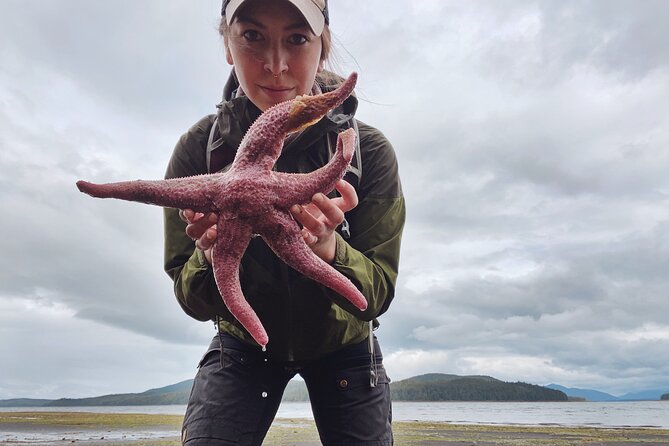
The forest itself is dense and damp, with big red cedars mentioned in past groups as a standout visual. You’ll also want to watch for small signs of life: deer tracks, stream activity, and birds that call from cover. It’s the kind of place where the guide’s explanations can turn a wet walk into an actual story you can remember later.
Waterfalls, Wildlife Odds, and How to Actually Spot Things
Let’s talk about wildlife without fantasy promises. You’re in a habitat with real activity, and the hike is timed to pass through spots where animals make sense. That includes the stream and beach areas where marine mammals may show up offshore or close to shore.
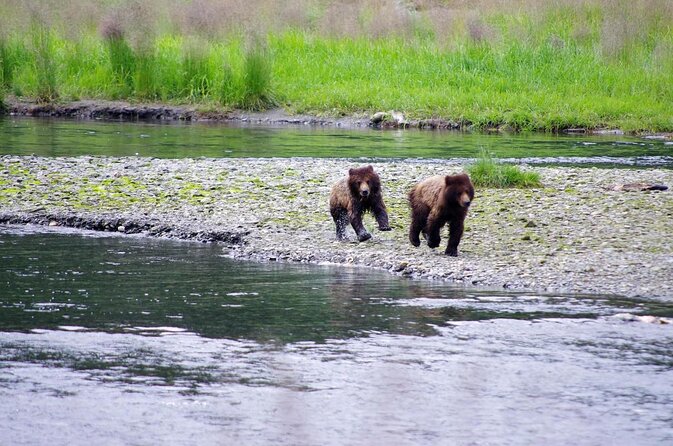
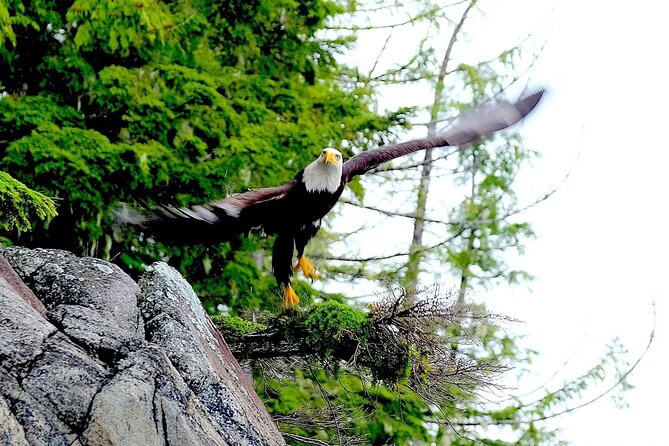
On the land side, deer sightings can happen, and salmon activity can be seasonally strong. On the water side, porpoises, seals, and sea lions are often mentioned as possibilities. A few groups even reported bear sightings during the hike, including people seeing multiple bears at once. Again: not a guarantee. But it’s clearly a route that can deliver serious wildlife moments when conditions line up.
How you improve your odds is mostly about behavior:
- Slow down when your guide stops explaining. Don’t rush to the next photo spot.
- Keep your eyes on motion near streams and shoreline edges.
- Use the sound cues. Waterfall noise and stream babble can help you find where the activity is happening.
And one more practical thing: if it’s raining or misty, your visibility might be lower, but animal activity often increases. Don’t let gloomy weather convince you to treat this as a “just walk around” day.
Food, Pace, and the Small-Group Advantage
The included food plan is simple but smart for a cruise day. You’ll have smoked salmon as part of the snack/refuel stop, along with beverages, and local vegan options are available. That matters because after biking and hiking, you don’t want to hunt for a snack while everyone else is also trying to beat the ship’s departure clock.
Pace is one of the most praised elements of this tour, and you feel it most during transitions. Guides keep the group moving, but they’re not trying to turn your day into a training session. People specifically noted that guides let you ride at your own pace on the e-bike and don’t pressure you to keep up.
The rain gear angle is also practical. Several groups mentioned that rain pants were provided and helpful when showers picked up. Even if you think you’re tough enough to “power through,” bring layers and expect wet conditions. Southeast Alaska weather can change fast, and rainforest trails get slick.
Finally, the group size is capped (commonly mentioned as up to 12). That small size helps with safety, bike instructions, and the ability to stop quickly for wildlife without a long line forming behind you.
Price and Value: Is It Worth $161?
At $161 per person for about four hours, you’re paying for more than a hike. You’re also paying for:
- E-bike time with assist levels and a step-through design for easier mounting
- Guided interpretation on rainforest ecology and local wildlife
- A prepared food stop (smoked salmon, vegan options, beverages)
- Roundtrip transport from downtown cruise docks and Ward Cove areas
- A small-group setup that keeps the experience from feeling crowded
If you tried to stitch this together on your own, you’d likely spend time coordinating bikes, finding a safe route out to the Road to Nowhere area, and matching a trail to your available hours. This tour removes that friction. You show up at the correct meeting point, get onboarded quickly, and spend the day outdoors doing the two things Ketchikan does best: water views and rainforest walking.
Where the value can feel weaker is if you’re only looking for a light sightseeing ride with no steps at all. This is still a bike-and-walk experience, not a lounge-on-a-bus excursion.
Meeting Points and Timing: How to Avoid the Usual Cruise Day Stress
Because you’re dealing with cruise ship schedules, timing and pickup location matter. The tour offers pickup from two main cruise areas: downtown cruise docks and Ward Cove. For downtown passengers, you’re directed to a shelter at Cruise Berth 3 near the Visitors Information restrooms building and Sockeye Sam’s Store, with a short walk across the street from the tunnel. Ward Cove pick-ups are at The Mill at Ward Cove, where your driver is looking for a red sign that reads KETCHIKAN KAYAK CO.
A few groups also reported that meeting instructions can be confusing if you rely on a map pin from your phone. The practical fix is easy: double-check the described shelter/building details, and if you’re early, confirm with the driver signage on site.
One more cruise-day tip: keep your phone ready for communication and don’t stay in airplane mode when you’re in port. That reduces the chance of a last-minute scramble if your ship detours or docking times shift.
Who This Tour Fits Best
This tour fits best if you want a Ketchikan day that actually leaves town and uses your time well. It’s a great option for:
- People who want an easier bike outing but still want real effort through pedaling
- Visitors who enjoy nature interpretation and want context for what they see
- Travelers who want both coastline views and rainforest walking in one trip
- Anyone who would rather do a small-group tour than fight for space in a crowd
It’s less ideal if:
- You’re avoiding stairs or uneven footing
- You need a stroller-and-infant friendly setup (infants aren’t accommodated)
- You’re not comfortable riding near cars at all, even on a road that isn’t busy
Should You Book the Ketchikan Electric Bike and Rain Forest Hike Ecotour?
I’d book it if your dream Ketchikan day looks like this: ride out on an e-bike with assist that helps you climb, then spend real time walking in Tongass rain forest where streams, waterfalls, and coastal wildlife odds come together. The small-group size, the included snacks, and the fact that the guides keep the pace friendly make it feel like a well-run outdoor day rather than a rushed checkbox.
Skip it if you want an ultra-low-effort experience, if you can’t handle step walking, or if you’re traveling with an infant. Otherwise, this is a strong value pick for people who want authentic Southeast Alaska nature without giving up their limited cruise time.
FAQ
How long is the Ketchikan e-bike and rain forest hike tour?
It runs about 4 hours (approx.).
What does the tour cost, and what’s included?
The price is $161.00 per person. Smoked salmon, local vegan options, and beverages are provided, plus local guides and return transport from the cruise ship docks downtown and at Ward Cove.
Where do I get picked up for this tour?
Pickup is offered at the Downtown Cruise Docks and at Ward Cove Cruise Ship Docks. Specific meeting spots are provided for downtown Cruise Berth 3 and for The Mill at Ward Cove.
Do I need to pedal the e-bike?
Yes. The bikes are electric-assist bicycles, and you pedal and shift gears like a regular bike. Pedaling is necessary.
What kind of fitness level is required?
Moderate physical fitness is recommended.
Is the tour stroller or infant friendly?
No. This tour does not accommodate travelers with infants.
Does the tour cancel if it rains?
The tour does not cancel for rain. You should still expect wet conditions.
What food is provided during the tour?
There are snacks including smoked salmon, refreshments, and local vegan options.
What language is the tour offered in?
The tour is offered in English.