REVIEW · CHICAGO
Chicago: Mob and Crime Bus Tour
Book on GetYourGuide →Operated by Chicago Crime Tours and Experiences LLC · Bookable on GetYourGuide
Chicago’s most notorious criminals lived in plain sight, and this tour points you right to the places. I like the mix of iconic true-crime stops with architecture and Prohibition-era landmarks, and I like the hands-on feel of the mini mob museum with Frank Nitti’s safe and address book. One catch: the whole experience is in English only, and a couple of sound complaints show that if the bus is loud, it can be harder to catch every word.
The ride is on a luxury, enclosed, temperature-controlled coach, so the weather doesn’t run the show. On past departures, the vibe often comes down to the guide, and names like Jay, Katie, Dane, and Ethan show up in reviews for being funny and energetic while still staying respectful. If you prefer lots of long walking time, note that the tour is mostly bus time with targeted photo stops and a few short get-off-and-look moments.
For $49 and 90 minutes, this is a good “first taste” option: you cover major neighborhoods fast, hit the St. Valentine’s Day Massacre site, and even walk part of the route John Dillinger and Hymie Weiss followed. It’s not a slow museum day, but it is a focused sampler of Chicago’s criminal past, with photos, video snippets, and a crime quiz to lock in the details.
In This Review
- Key things to know before you go
- Entering Chicago’s mob era in 90 minutes
- Pickup at Water Tower and the “rolling classroom” feel
- From Water Tower to Lincoln Park: the architecture parts that matter
- Biograph Theatre and the moment the story tightens
- Dillinger and Hymie Weiss: walking the final steps
- St. Valentine’s Day Massacre and Prohibition-era characters
- Drive-by courtroom drama and what to watch for
- Inside the mini mob museum: Frank Nitti’s safe and address book
- The quiz, pamphlet, and why the details stick
- Price and value: is $49 worth it?
- Who this tour fits best (and who should think twice)
- So, should you book Chicago Mob and Crime Bus Tour?
- FAQ
- How long is the Chicago Mob and Crime Bus Tour?
- Where do I meet the bus?
- Is the tour in English?
- Is the bus wheelchair accessible?
- Can I bring food and drinks on the vehicle?
- Can I record video during the tour?
- What’s included with the tour besides the bus ride?
- Is gratuity included in the price?
- Can I cancel and get a full refund?
Key things to know before you go
- St. Valentine’s Day Massacre site plus the big names tied to it, explained live on the ride
- A walk tied to Dillinger and Hymie Weiss right before their deaths
- Frank Nitti’s safe and address book inside the mini mob museum
- Photo stops at major landmarks like the Biograph Theatre and Harry Caray’s Italian Steakhouse
- A quick, structured format with historic video footage and an included crime quiz
- Expect an English-only tour and a bus sound system that may vary by day
Entering Chicago’s mob era in 90 minutes
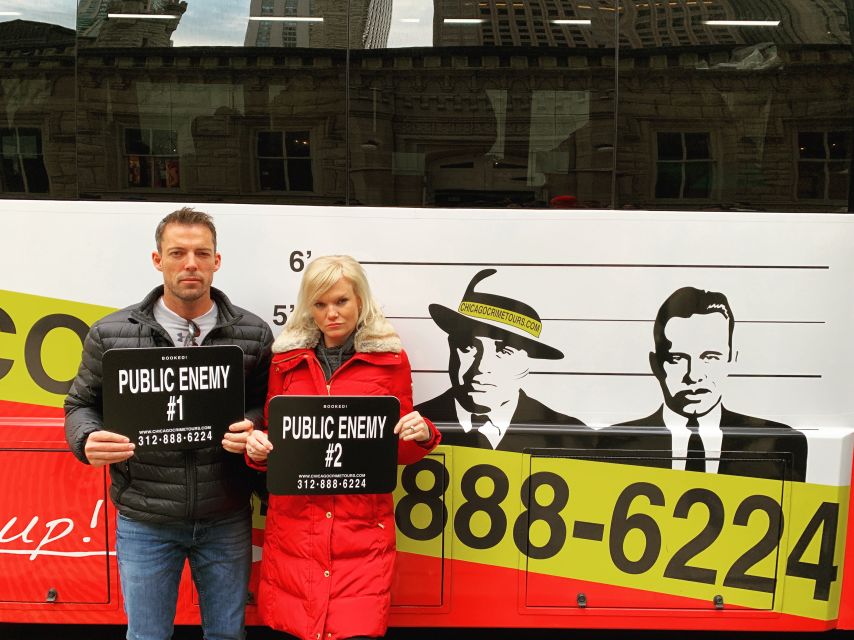
This is the kind of tour that works because it respects your time. In about 90 minutes, you get a clear path through Chicago’s crime story—from older cases to more modern headlines—without needing to connect a dozen subway lines or plan a heavy self-guided route.
I also like that the tour doesn’t only chase the worst moments. You spend real time looking at Chicago’s big visual identity—lakefront views, skyscrapers, and landmark buildings—so the crime story has a real “where it happened” feeling, not just a list of names.
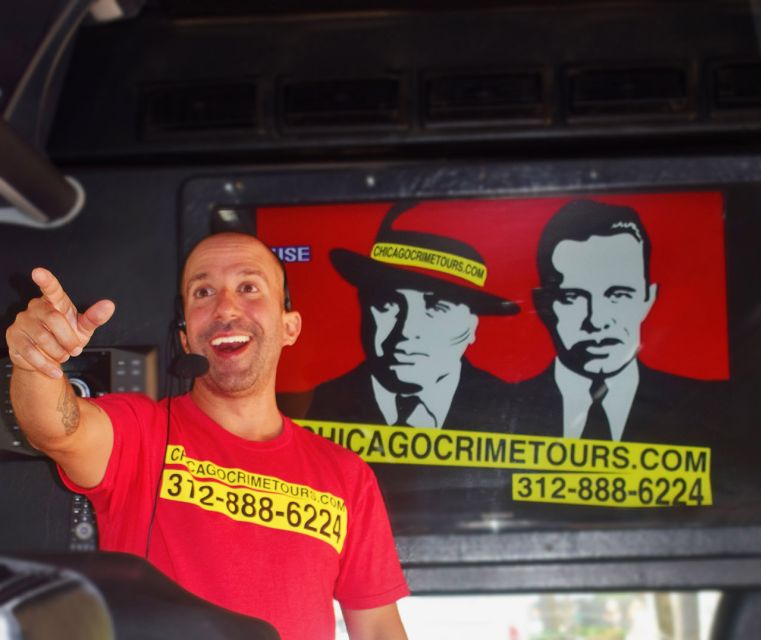
The tone tends to be upbeat, too. Reviews repeatedly point to guides who keep the energy high and the storytelling easy to follow, with humor and quick pacing, which matters when you’re learning a lot in a short window.
You can also read our reviews of more tours and experiences in Chicago.


Pickup at Water Tower and the “rolling classroom” feel
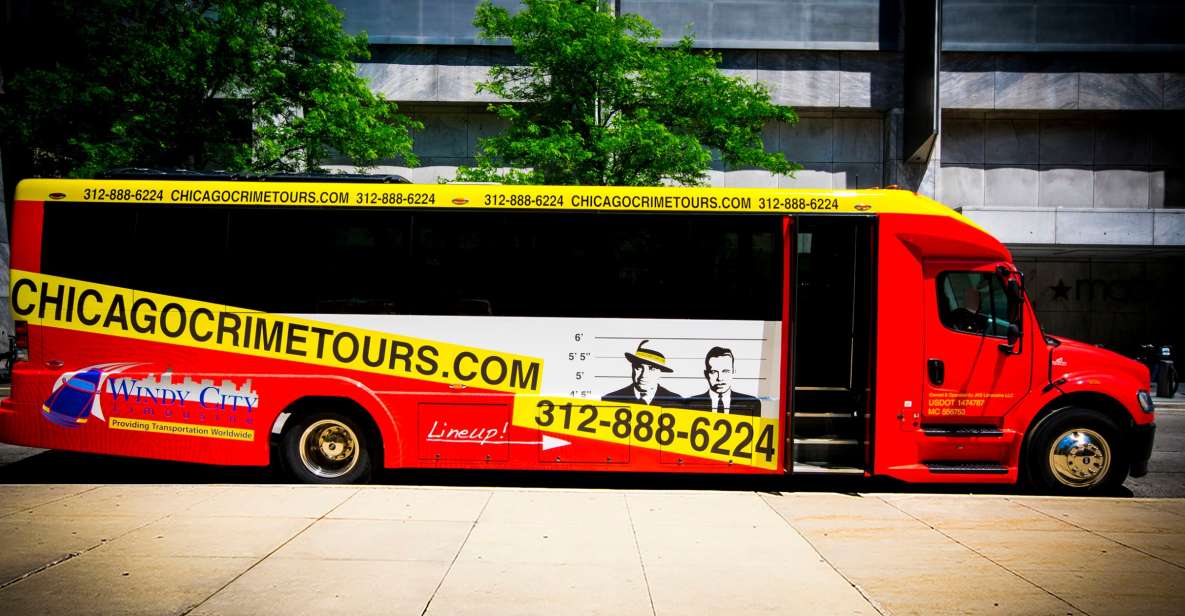
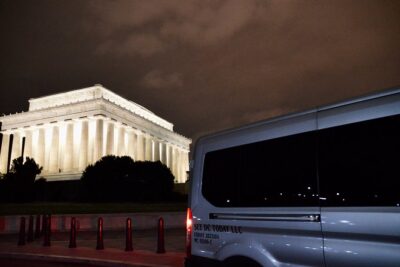
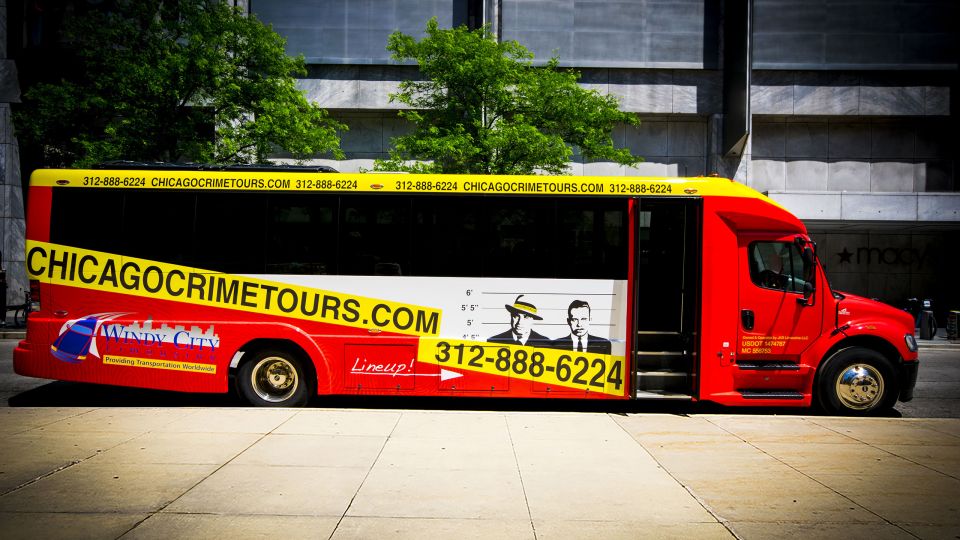
You start at 163 E Pearson St, with the bus loading outside on the southeast side of Pearson and Michigan Avenue, across from the Water Tower Mall. The departure is on time, and you can’t join after the bus leaves, so I’d arrive early rather than play timing roulette.
The coach is enclosed and temperature-controlled, which is a real win in Chicago. You’re not wrestling with wind, cold, or summer heat while trying to listen to a guide explain St. Valentine’s Day Massacre history or the street-level meaning of Prohibition-era gangs.
Seating is first-come, first-served. And based on what people wrote, sound quality may vary depending on bus noise. If your goal is to hear every detail, I’d pick a spot where you feel closest to the guide’s delivery and clear the audio—not just the nearest seat.
Accessibility is something to plan around. The bus has five steps, some stops include stairs, and it’s not wheelchair accessible because there’s no electronic lift. There is limited storage for a folding wheelchair or stroller, but it’s not the same as step-free access. If that’s your situation, you’ll want to double-check practical fit before you book.
From Water Tower to Lincoln Park: the architecture parts that matter
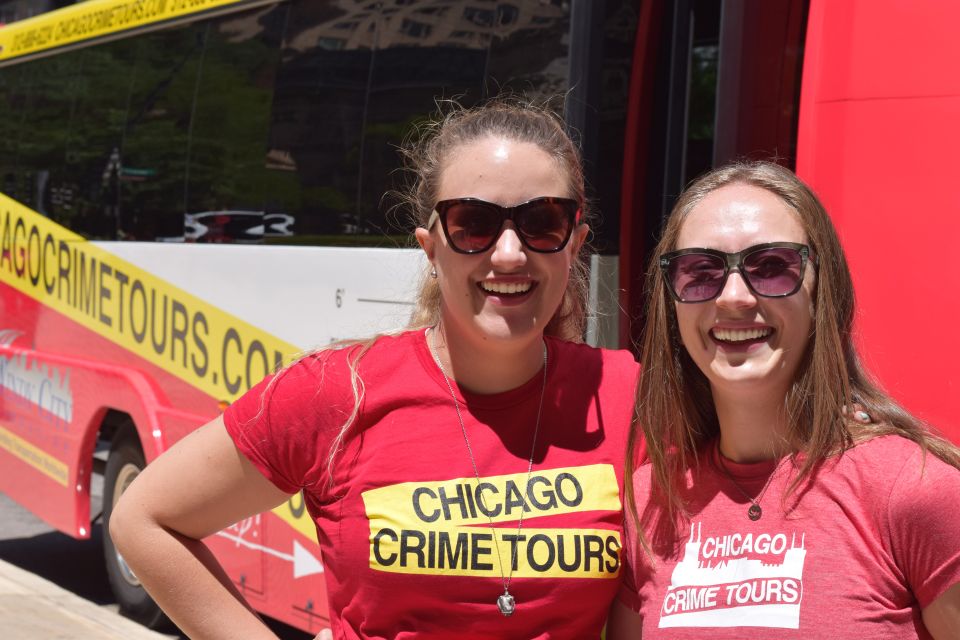
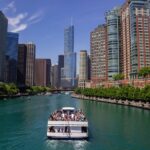
Even if true crime is your main reason for going, the bus route keeps you grounded in Chicago geography. You pass by the Water Tower Place, the Magnificent Mile, and the John Hancock Center, then head toward Lincoln Park. That matters because a lot of the mob story is about neighborhood power—who controlled which streets, which locations, and which routes.
The tour also threads in major landmarks as visual anchors. For example, you’ll pass the Chicago River and Holy Name Cathedral, and you stop for photos around key points along the way. When you’re hearing stories about bank robberies, Prohibition-era operators, and courtroom drama, it’s helpful to see the city’s layout and scale.
If you like quick photo planning, the layout helps. There are photo stops built in, not just drive-by views, so you get a chance to frame a shot of the city while also listening.
One small tip from reviews: if you care about the view, I’d choose your side of the bus thoughtfully. One person noted that sitting on the right side when facing forward was a better pick for what they could see, so don’t treat seating like an afterthought.
Biograph Theatre and the moment the story tightens
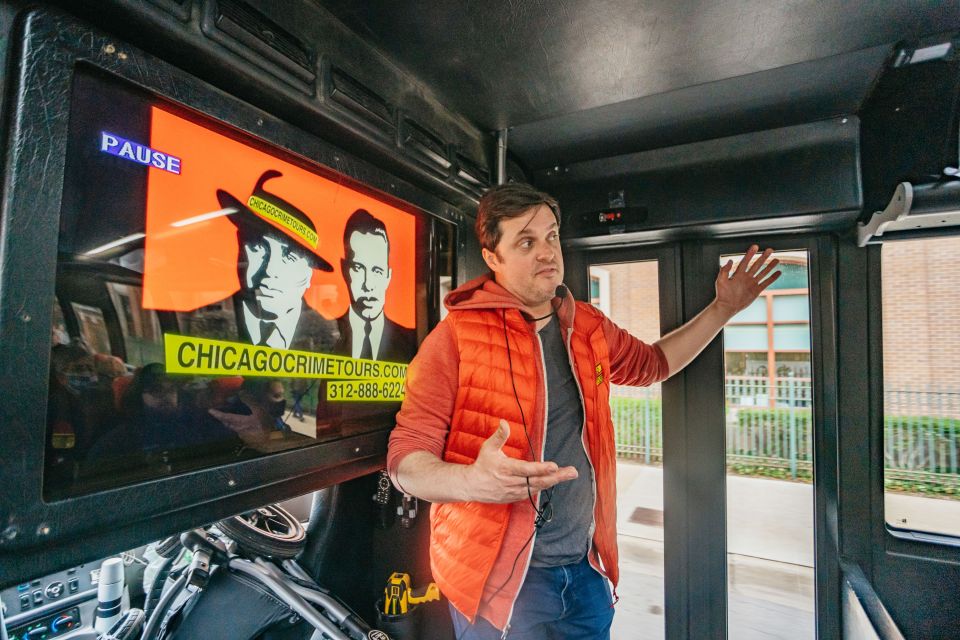
One of the most recognizable stops is the Biograph Theatre, with a photo stop built in. This is where many people’s pop-culture mind connects to the real-world Chicago setting. You’re not just hearing names—you’re being shown where key moments were staged, and the theatre becomes a “scene,” not a vague reference.
From there, the narrative tends to shift into the sharper, street-level storyline. The tour keeps moving, but the guide’s job is to help you connect what you see from the bus with the crime events you’re learning about.
I like this structure because it prevents information overload. You’re not stuck in a single location for a long time, but you also don’t feel like you’re driving past everything. The tour’s mix of pass-by scenery and targeted stops keeps the story from feeling abstract.
Dillinger and Hymie Weiss: walking the final steps
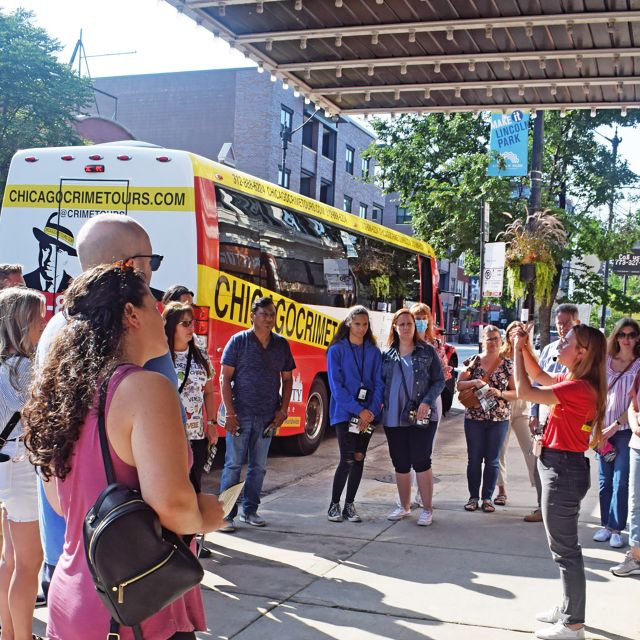
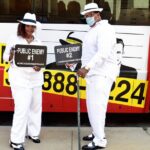
The standout “get-off-and-look” moment is the walk tied to John Dillinger and Hymie Weiss—the final steps of their route before their deaths. This is the part that turns a bus tour into something more personal, because you’re not just looking at a plaque from a window.
Walking a route like this also changes how you listen. On the sidewalk, you naturally notice street turns, sightlines, and proximity—details that are hard to “feel” from a seat. It’s one thing to hear that a famous robber moved through Chicago. It’s another thing to follow a portion of the path and notice how close buildings and corners are.
There’s no heavy hiking here. Still, you’re using your legs briefly, and some stops include stairs, so comfortable shoes are a practical idea even for a short walking segment.



St. Valentine’s Day Massacre and Prohibition-era characters
If you came for one single event, this tour has it: you’ll see the site of the St. Valentine’s Day Massacre, one of Chicago’s most notorious crime scenes. The value of this stop is not just the name recognition—it’s how the guide connects it to the bigger mob machine around Al Capone and Prohibition-era power.
You also get a Prohibition Era personality profile, which helps turn the era into a set of recognizable roles instead of a fog of dates. The guide’s interactive style matters here. Live commentary keeps the story moving, and you’re not waiting through long lecture stretches.
The tour also references a lineup of figures and cases, including names tied to the Untouchables and other notorious Chicago crime stories. Even if you only know a couple of those names from movies and books, you’ll likely come away with a clearer sense of who was involved and why Chicago gained its true-crime reputation in the first place.
Drive-by courtroom drama and what to watch for
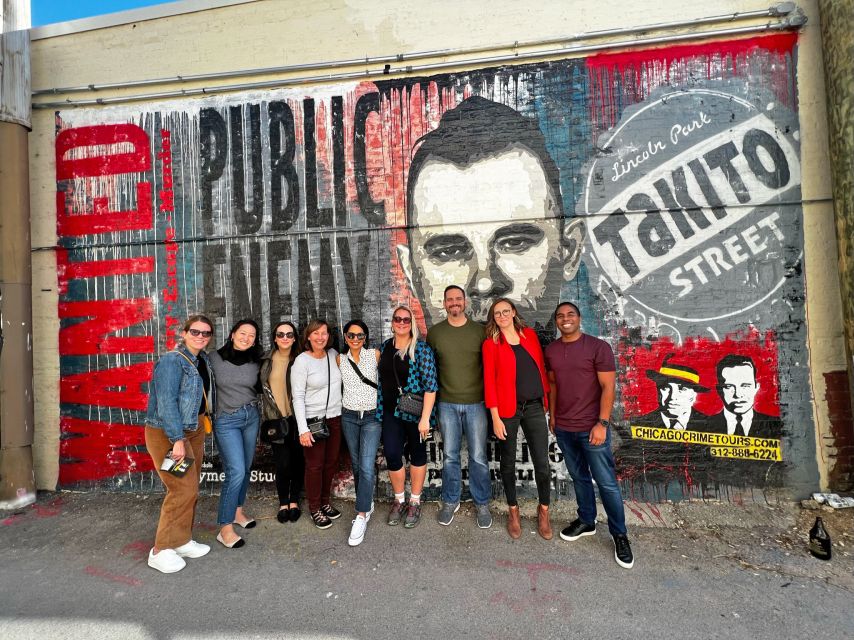
A highlight for camera lovers is the drive-by of the historic criminal courthouse, where notorious cases were tried. Even from the bus, the courthouse feels like a turning point in the story: it’s the moment crime stops being street-level gossip and becomes legal battle.
This is also where the tour’s “scene-building” technique shows. You get the video footage, then you look at the architecture. The guide uses that contrast to help you connect evidence, trials, and outcomes to the people you’ve been hearing about.
If you plan to take photos, I’d be ready before the bus reaches the best angles. The stops are short, and you’re sharing space with everyone else who also wants a clear shot.
Inside the mini mob museum: Frank Nitti’s safe and address book
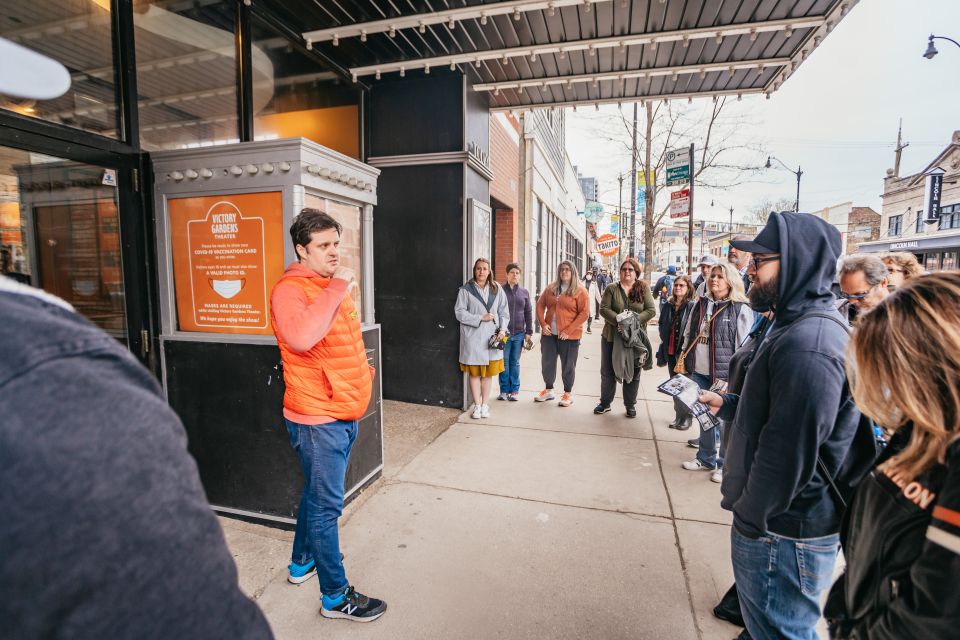
The mini museum stop is where the tour earns its name beyond simple storytelling. You’ll see Frank Nitti’s safe & address book, which turns a gangster myth into an object you can actually look at.
Reviews specifically call out the Nitti material as a memorable moment, including mentions of a Nitti secret room. Even if you don’t care about the fine details of mob bureaucracy, seeing a real “mob tool” like a safe and address book makes the criminal world feel less like fantasy.
This is also one of the easiest parts to get value from if you’re traveling with limited time. In a short period, you see something tangible, not just a photo stop and a lecture. It’s a strong reason to choose this tour over a purely self-guided option.
There’s also a peek at secret gangster-era tunnels. The tour presents it as a window into how criminals moved and operated, which adds a new layer to what you already saw on the streets and at the courthouse.
The quiz, pamphlet, and why the details stick
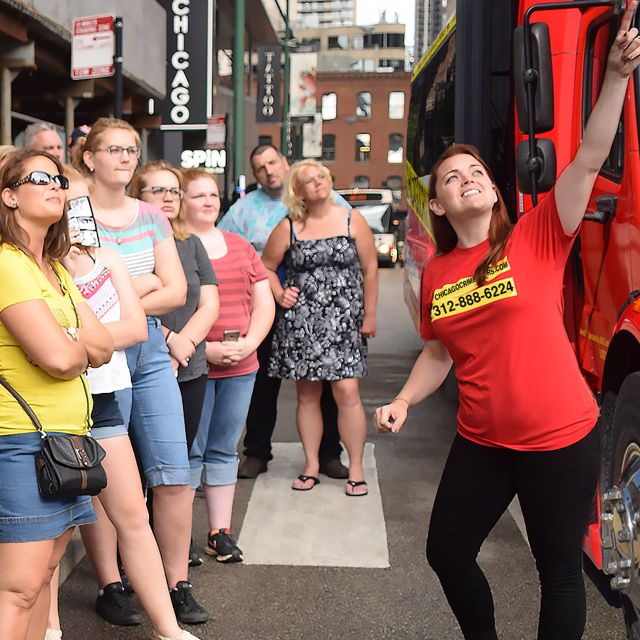
The tour doesn’t end when you get back on the bus. You receive a souvenir pamphlet with photos and special offers, and you participate in an exclusive crime quiz.
That quiz part sounds small, but it helps you remember. When you’re learning a fast chain of robberies, disguises, gang rivalries, and courtroom drama, the brain needs a “check.” The quiz acts like that reset button.
You also get historic video footage, which helps break up the ride. If you’re the kind of person who learns better when visuals support the story, this is a helpful structure. It also gives the guide a chance to point to what you’re seeing rather than only talking.
One practical thing: the vehicle rules say no food or drinks, and video recording isn’t permitted. So plan to use your phone camera for photos only if allowed at the stops, and keep your battery charged for the photo opportunities.
Price and value: is $49 worth it?
At $49 per person for 90 minutes, the price feels fair for a few reasons.
First, you’re buying the guide’s live storytelling plus a “guided by design” route. Getting around Chicago to all the relevant spots on your own is possible, but it’s time-consuming, and you’d still need someone to connect the names like Capone, Dillinger, and other figures to the exact neighborhoods and landmarks you’re looking at.
Second, you’re getting multiple formats: photo stops, drive-bys, a mini museum moment, and video plus a quiz. For a short stay, that mix is what makes the value work.
Third, the bus is described as luxury and climate-controlled, so you’re paying for comfort and not just transport. One review even called out that the bus felt comfortable and clean, which aligns with that expectation.
The main “value risk” is the sound. A few reviews mention bus noise or squeaks covering the guide, making it harder to hear when English isn’t your first language. If hearing every word matters a lot to you, pick seating early, position yourself for the clearest audio, and understand the tour is not designed with headphones or translations.
Who this tour fits best (and who should think twice)
This is a strong fit if you want a high-impact first look at Chicago’s true-crime story without planning a full day. It also works well for people who enjoy stories with energy—reviews repeatedly mention guides who are entertaining, funny, and respectful while covering serious topics.
It can also suit families with older kids. One review noted it felt family friendly for a parent traveling with a 17-year-old. The content is still about violent crime, so you should judge based on your household.
Think twice if you need non-English support. The tour is English only, and there are no translations, audio guides, or headphones. If your goal is to understand every detail, plan ahead with your own strategy for following along.
Also think twice if you dislike bus-heavy tours. This one has bus time for sure, with short, purposeful stops. You’ll walk at least one key route segment, but it’s not a long walking tour.
So, should you book Chicago Mob and Crime Bus Tour?
Yes—if you’re in Chicago for a short trip, want a guided way to see major mob-era locations, and you like true crime told with personality. The St. Valentine’s Day Massacre site, Dillinger walk route, and Frank Nitti safe and address book are the kind of moments that justify paying for someone else to do the planning.
I’d book this sooner rather than later if you know you want the mini museum and quiz format, since that’s harder to replicate on your own in a tight schedule. If you’re sensitive to not hearing perfectly, choose your seat wisely and arrive early, because a few sound complaints suggest you might struggle on a louder bus day.
If you want, tell me your travel dates and what you know about Chicago crime already, and I’ll suggest whether this should be your first true-crime stop or a follow-up to something else.
FAQ
How long is the Chicago Mob and Crime Bus Tour?
It runs for 90 minutes.
Where do I meet the bus?
You’ll pick up outside 163 E Pearson St, Chicago, IL 60611, across from the Water Tower Mall on the southeast side of Pearson and Michigan Avenue.
Is the tour in English?
Yes. Tours are given by live, interactive tour guides in English, and there are no translations.
Is the bus wheelchair accessible?
No. The bus has five steps, some stops off the bus include stairs, and it is not wheelchair accessible because it does not have an electronic lift. There is limited storage available for a folding wheelchair or stroller.
Can I bring food and drinks on the vehicle?
No. Food and drinks are not allowed in the vehicle.
Can I record video during the tour?
No. Video recording is not permitted.
What’s included with the tour besides the bus ride?
You get interactive live commentary, historic video footage, a souvenir pamphlet with photos, memorable photo opportunities at infamous crime scenes, a mini mob museum stop, and access to an exclusive crime quiz (plus a few other listed additions subject to availability).
Is gratuity included in the price?
No. Gratuity is not included. The recommended amount is $5 per person, paid by cash or Venmo.
Can I cancel and get a full refund?
Yes. You can cancel up to 24 hours in advance for a full refund.