REVIEW · KETCHIKAN
Ketchikan Kayak Eco-Tour
Book on Viator →Operated by Ketchikan Kayak Company · Bookable on Viator
Paddle out with real wildlife energy in Clover Pass. This small-group kayak eco-tour mixes easy paddling with hands-on nature watching, from shoreline inter-tidal critters to bald eagles nesting on nearby islands. Two guides lead the fun at a relaxed pace, so the route can shift when sea lions feed or humpbacks show up.
The biggest thing to consider is simple: you’re kayaking in open water, so weather and wildlife set the pace. You’ll be wearing rain gear (provided), and you can still get a bit wet; plus the tandem sit-inside kayak cockpit has a hip/waist limit of 52 inches while seated.
In This Review
- Key highlights worth planning around
- Clover Pass kayaking: why this feels like true Ketchikan nature time
- Price and value: what $125 buys you (and what to expect)
- Getting there: pickup that actually matters in Ketchikan ports
- Downtown cruise ship pickups (Cruise Berth 3)
- Ward Cove cruise pickups (The Mill at Ward Cove)
- One small “don’t skip this” tip
- Fit, clothing, and the tandem kayak setup (so you stay comfortable)
- The first 30 minutes: instruction without the pressure
- What you do out on the water: the route that’s shaped by sea life
- Inter-tidal critters: the stop that turns shorelines into classrooms
- Bald eagles and a nest you can actually watch up close
- Sea lions feeding: when paddling turns into close-up wildlife time
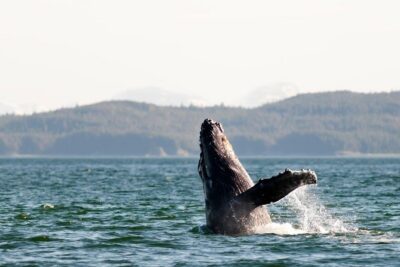
- Humpback whales: bubble-net feeding and a slower kind of excitement
- Meet the guides: how instruction and personality shape the day
- The return: salmon snack, drinks, and photo sharing
- Who should book this kayak eco-tour—and who should hesitate
- Should you book Ketchikan Kayak Eco-Tour?
- FAQ
- FAQ
- How long is the Ketchikan Kayak Eco-Tour?
- Do I need kayaking experience?
- Where do you pick up cruise passengers?
- Is rain gear provided?
- What is the minimum age for children?
- Is there a weight or size limit for the kayak?
- How many people are in a group?
- What is the cancellation policy?
Key highlights worth planning around
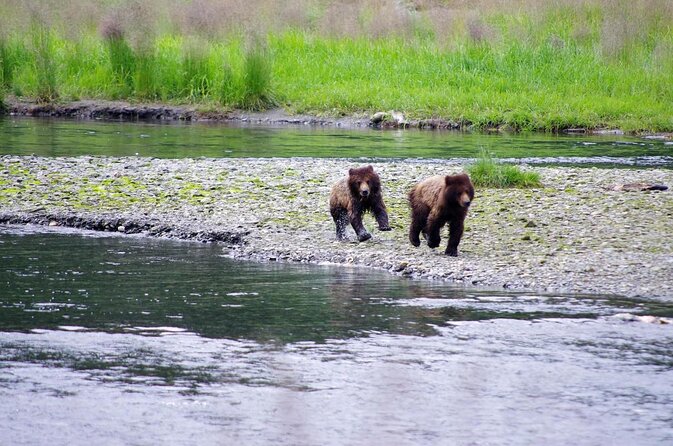
- Clover Pass wildlife in a protected setting where Tongass National Forest meets the ocean
- 12 guests max with a 6:1 guide-to-guest ratio for real attention on the water
- Inter-tidal viewing for sea stars, urchins, sea cucumbers, limpets, chitons, nudibranchs, and more
- Eagle nest island stop (and the summer eaglet story) built into the typical route
- Route flexes for whales and sea lions instead of forcing you down a fixed checklist
- Hot and cold refreshments plus a local smoked salmon snack after your paddle
Clover Pass kayaking: why this feels like true Ketchikan nature time
Clover Pass is the kind of place where the forest doesn’t just sit nearby—it meets the sea. You’ll paddle through protected waterways off Ketchikan with thick coastal greenery from the Tongass National Forest coming right down to the shoreline. That mix matters because it creates habitat for both marine life and birds.
What I like most is that the tour is not just about getting from dock to dock. The guides time the experience to what you can actually see along the rocky edges—especially during low-tide moments when inter-tidal animals are easier to spot. The payoff is that you’re not hunting wildlife through binoculars alone. You’re learning what’s living where, and why.
You can also read our reviews of more tours and experiences in Ketchikan.

Price and value: what $125 buys you (and what to expect)
At $125 per person for about 4 hours dock-to-dock, this isn’t a budget activity. But it’s priced like a guided small-group nature tour, not a “pickup and good luck” excursion.
You’re getting a lot bundled in:
- Pickup and drop-off from the cruise docks or nearby hotels
- Rain pants and jackets provided
- Kayak + instruction, even if you’ve never paddled before
- Two guides working with a small group (up to 12 total)
- Hot and cold refreshments plus a local smoked salmon snack after
Also, you’re paying for time on the water—usually 2 to 2.5 hours paddling—at a pace that isn’t rushed. When the day’s wildlife is active, that slow, patient approach is exactly what makes the experience feel worthwhile.
Getting there: pickup that actually matters in Ketchikan ports
Logistics in Ketchikan can get annoying fast, mostly because cruise ships can dock at different berths. This tour handles that with clear pickup procedures, but you still need to read them carefully.
Downtown cruise ship pickups (Cruise Berth 3)
If you’re coming from a downtown cruise dock, you’ll move to the shelter at Cruise Berth 3. It’s on the dock by the Visitors Information – Restrooms building and Sockeye Sam’s Store, across the street from the tunnel. Your driver will be there about 15 minutes before departure holding a red sign that says KETCHIKAN KAYAK CO.
Ward Cove cruise pickups (The Mill at Ward Cove)
If you’re docked at Ward Cove (Norwegian Cruise Lines and some others), you’ll go to The Mill at Ward Cove, then through the building to the right. The tour team greets you near the restrooms and the large overhead door.
Important timing detail: your driver typically meets you 15 minutes after the scheduled downtown departure time. Ward Cove is halfway between downtown and the marina, so the schedule shifts slightly. If you need a downtown meeting instead, you must contact the company before your tour time.

One small “don’t skip this” tip
When you pull into port, turn off airplane mode. Delays happen, and you’ll want communication to work if anything changes.
Fit, clothing, and the tandem kayak setup (so you stay comfortable)
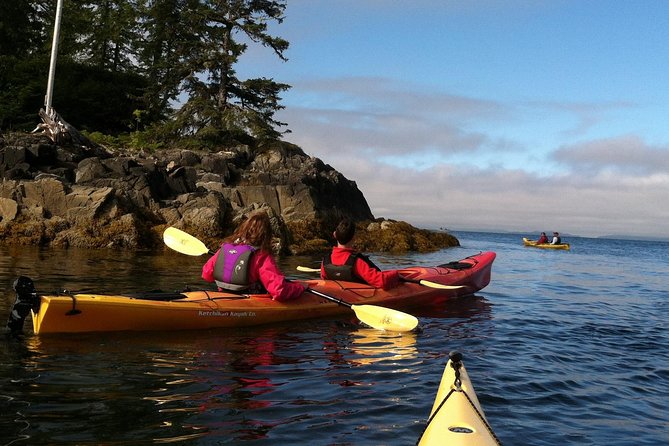
You’ll paddle tandem sit-inside kayaks—they’re roomy and built for stability, which is great for first-timers. But there’s one real body-fit rule you should take seriously: due to the cockpit openings, your hip/waist size can’t exceed 52 inches (137 cm) while seated.
Clothing should be like you’re getting ready for an outdoor hike in the forest: layers that handle damp air, plus footwear that fits inside the kayak space. Large bulky boots and high heels aren’t recommended.
The good news: rain pants and jackets are provided. That’s a big deal in Ketchikan, where rain can be constant even when the day still feels beautiful.
And yes, there’s a clear boundary: no swimming on this tour.
The first 30 minutes: instruction without the pressure
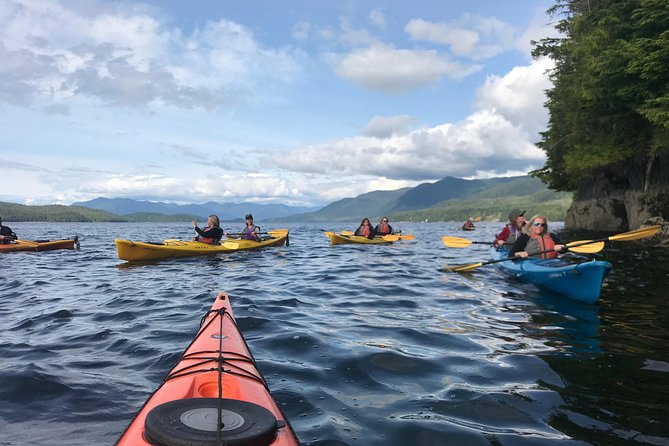
This tour runs on a simple idea: you don’t need experience, but you do need comfort. After pickup and gearing up, you’ll get a quick lesson on paddle technique and kayak handling.
What you’ll notice right away is the pace. The tour isn’t trying to “cover ground” as fast as possible. It’s built around wildlife viewing and education, and the guides keep stopping to show you things you’d miss on your own.
If you’re a nervous paddler, that matters. Groups are small—up to 12—and there’s a 6:1 guide-to-guest ratio, so you’re not getting lost in the crowd if you need a little extra help.
What you do out on the water: the route that’s shaped by sea life
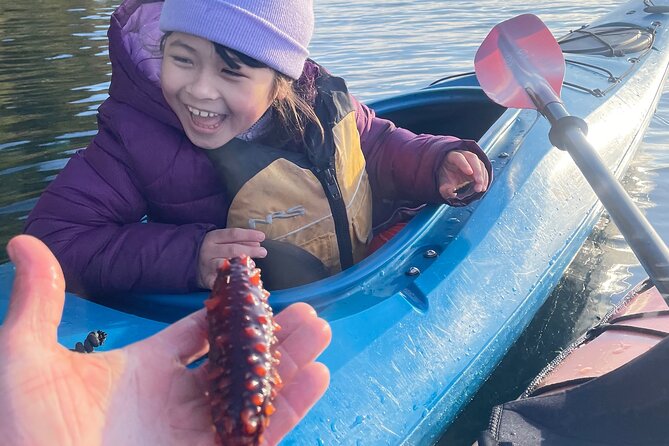
Your route is based on conditions and sightings, not a rigid script. The typical tour features a protected wildlife corridor in Clover Pass, and the guides can paddle around up to 3 small islands depending on weather and where animals are active.
A key detail: you might be on one continuous trip as a full group, or the group may split into two separate groups on the water. Either way, the day stays flexible. The goal is to keep you where the action is, not where the calendar says it should be.
Inter-tidal critters: the stop that turns shorelines into classrooms
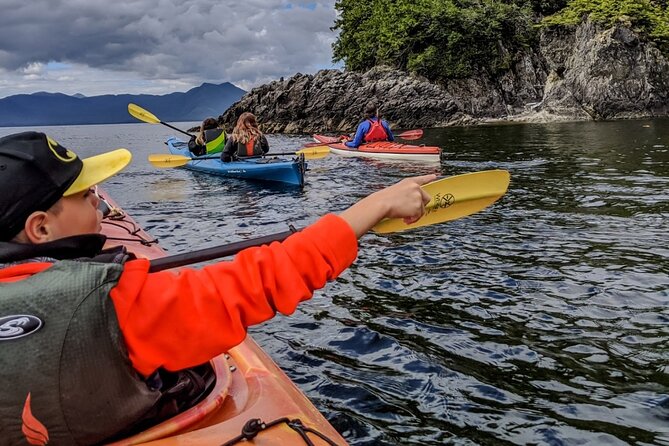
One of the tour’s strongest selling points is the shoreline education. The guides focus on what’s living in the ebb and flow of the tide along rocky edges. This is not “look and guess” sightseeing.
Expect time spent spotting inter-tidal animals like:
- sea stars
- sea urchins
- sea cucumbers
- limpets and chitons
- nudibranchs (often tiny but fascinating once you know what you’re seeing)
The timing is practical: when the tide creates the right conditions, you can see more than smooth wet rocks. You see a whole living system, and the guides explain what the animals are doing and how they interact. If you like photography, bring a camera you’re not afraid to get a little splashed during handling breaks.
Bald eagles and a nest you can actually watch up close
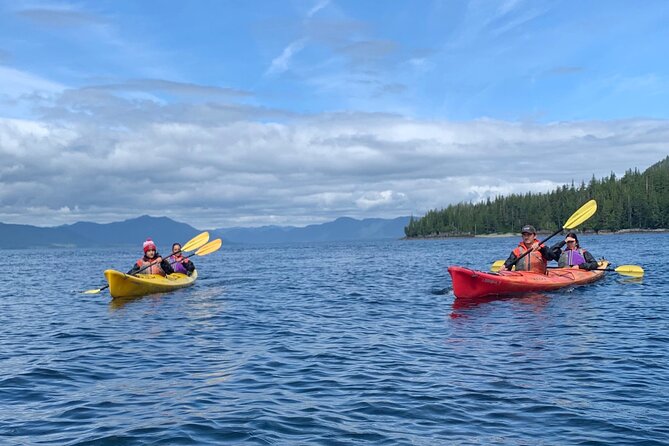
A typical paddling route includes a small island with a large bald eagle nest. In summer, the nest has eaglets, and watching them grow and learn to fly is a highlight of the guides’ summers.
Even if you’ve seen eagles before, this is a different kind of moment because you’re not just spotting from a distance. You’re in the same area where the nest activity is part of the day’s rhythm—quiet, focused, and constantly interesting.
Weather and wildlife sightings still dictate the exact path, but eagle habitat is usually part of the plan.
Sea lions feeding: when paddling turns into close-up wildlife time
When sea lions are feeding, the guides adjust the route and pace. And when conditions line up, the encounters can be extremely close—paddlers have reported being within about 10 to 20 feet of sea lions.
That closeness isn’t about rushing. It’s about understanding how animals behave and positioning safely. The value here is that you’re not just seeing a wildlife icon on a tour poster. You’re watching real behavior—movement, feeding, and timing.
If you’re visiting Ketchikan for wildlife, this stop is often the one people remember most.
Humpback whales: bubble-net feeding and a slower kind of excitement
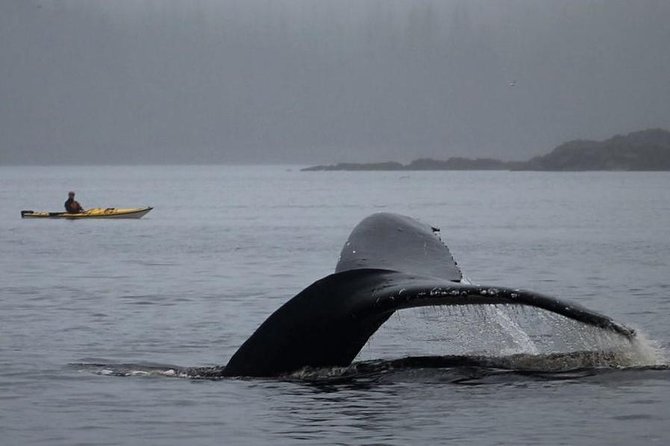
Humpback whales are another reason people pick this eco-tour over a more general sightseeing option. When whales show up, they can dictate the route and how long you spend watching.
On days with whale activity, groups have experienced bubble-net feeding with paddlers positioned around 25 feet away, with whale time lasting around an hour and a half in some cases. It’s the kind of experience that changes how you think about “wildlife watching,” because the animals are doing something active and complex.
That said, a whale sighting can also mean time is spent waiting. The tour is designed to be flexible, but if you’re the type who hates slowing down, that’s the tradeoff for letting whales set the schedule.
Meet the guides: how instruction and personality shape the day
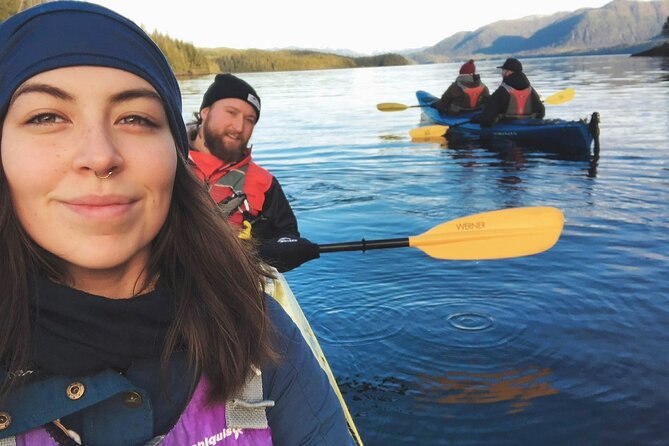
Two guides go with you, and their presence matters. People consistently mention guides like Dana, Zach/Zac, Chris, AJ, David, and Sophia for keeping the group safe, explaining what you’re seeing, and adjusting based on wildlife.
You’ll also notice something practical: guides help you feel ready. That includes fitting the rain gear properly, making sure your paddle grip feels right, and giving you breaks when you’re learning.
In some situations, the group experience gets even more personal. There are cases where fewer people showed up, turning the trip into a smaller, more one-on-one feeling outing—still with the same focus on safety and nature learning.
The return: salmon snack, drinks, and photo sharing
The tour finishes with dock-to-dock timing of about 4 hours. Most groups spend 2 to 2.5 hours on the water, so you’re not trapped in a long outdoor shuffle.
When you get back, you’ll find hot and cold refreshments plus a local smoked salmon snack. People also mention dips, veggies, and crackers as part of that after-paddle spread.
One more thoughtful touch: guides sometimes take photos during the trip and share them afterward, so you’re not stuck with only what you captured between rain drops.
Who should book this kayak eco-tour—and who should hesitate
This tour fits best if you want:
- wildlife plus education, not just scenic paddling
- a small group with lots of guide attention
- first-time-friendly kayaking that still feels like you earned the experience
- a day that stays flexible when the animals show up
It’s also a good match for families with kids—children must be at least 6 years old and go with an adult. There are also some exceptions listed, but if your child is close to the cutoff, it’s worth calling first.
Who should pause before booking:
- If you’re bigger than the 52-inch hip/waist limit while seated, this won’t work.
- If you really dislike rain or don’t want to be on the water for 2+ hours, the Ketchikan weather reality will test you.
- If you’re chasing a strict checklist of wildlife and hate waiting, remember that whales and sea lions can set the schedule.
Should you book Ketchikan Kayak Eco-Tour?
If you’re aiming for an Alaska day that feels hands-on—tidal life, eagle nests, and the chance for close wildlife encounters—this is a strong choice. The value comes from small-group attention, provided gear, pickup convenience, and the fact that the guides slow down for what’s actually happening out there.
Book it if you can handle damp weather and you want the day shaped by nature rather than a fixed itinerary. I’d also pick a time that gives you the best chance at calmer water—some folks recommend going earlier for that reason. If you want guaranteed whales or you need fully predictable timing, then it might be smarter to choose a different kind of tour.
FAQ
FAQ
How long is the Ketchikan Kayak Eco-Tour?
The total tour time is about 4 hours dock-to-dock. Most groups spend around 2 to 2.5 hours actively on the water.
Do I need kayaking experience?
No experience is necessary. You’ll get a quick lesson after gearing up, and the guides go at a relaxed pace.
Where do you pick up cruise passengers?
Pickup is offered at Downtown Cruise Docks and Ward Cove Cruise Ship Docks. Downtown pickups use Cruise Berth 3 (near Visitors Information – Restrooms and Sockeye Sam’s Store). Ward Cove pickups use The Mill at Ward Cove, near the restrooms and the large overhead door.
Is rain gear provided?
Yes. Rain pants and jackets are provided, and you’re advised to dress for outdoor hiking conditions.
What is the minimum age for children?
Children must be at least 6 years old, with some exceptions noted by the provider. If you’re unsure whether your child qualifies, you should call.
Is there a weight or size limit for the kayak?
There is a fit limit based on hip/waist size. Due to kayak cockpit openings, hip/waist size should not exceed 52 inches (137 cm) as measured while seated.
How many people are in a group?
Eco-tours are limited to a maximum of 12 guests per departure. The guide-to-guest ratio is 6:1.
What is the cancellation policy?
You can cancel up to 24 hours in advance for a full refund.