REVIEW · MAUI
Maui Whale-Watching Tour by Raft from Kihei
Book on Viator →Operated by Redline Rafting · Bookable on Viator
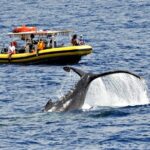
Whales hit fast in Maui. This Kihei raft tour aims for the southern waters where humpbacks cruise, and you get narration plus onboard listening gear so the experience feels more like a guided wildlife lesson than just sightseeing. I love the marine naturalist onboard for turning spouts and flukes into real explanations, and I love that the hydrophone lets you hear whale vocalizations during the ride.
The main thing to plan for is motion. A raft moves quickly, and the water can get bumpy and wet, plus the tour is not recommended for people with bad backs or neck injuries (and it also lists pregnancy as a no-go).
In This Review
- Key takeaways before you book
- Why a Kihei raft beats the big-boat whale-watching vibe
- Getting started: Kihei Boat Ramp check-in and timing that actually works
- Pass by Wailea: using the scenery time well
- Keawakapu stretch and the southern-coast search for humpbacks
- The marine naturalist and hydrophone: more than spouts and luck
- What the raft ride feels like: speed, spray, and staying comfortable
- Price and value of $84.14 for a 90-minute whale hunt
- Who should book this tour, and who should skip it
- Should you book Redline Rafting’s Maui Whale-Watching Tour from Kihei?
- FAQ
- How long is the Maui Whale-Watching Tour by raft from Kihei?
- Where does the tour start?
- Do I need hotel pickup?
- Is the whale sighting guaranteed?
- What are the age limits?
- Can I get a full refund if I cancel?
Key takeaways before you book
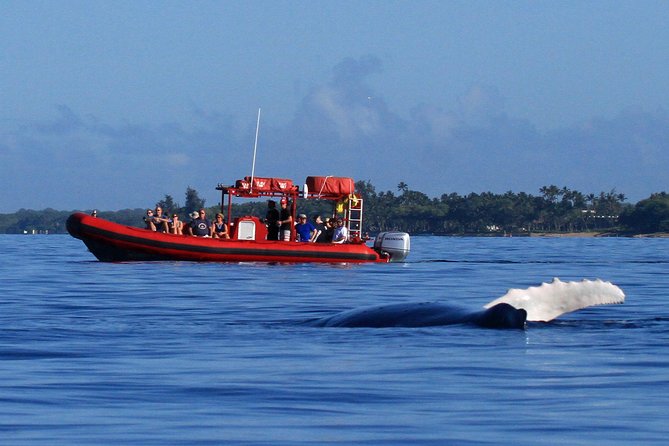
- Guaranteed humpback sightings: the tour is sold with a whale guarantee, which cuts down on the usual whale-watch stress.
- Small-raft feel (max 22 people): it’s not the huge-boat cattle call, so you’re more likely to stay engaged and see what’s happening.
- Marine naturalist onboard: you’ll get straight answers about behavior, not just generic facts.
- Hydrophone whale song: you may hear whales through the water, not just see them break the surface.
- Sunshade + nonalcoholic drinks: real comfort for a short 1.5-hour outing.
Why a Kihei raft beats the big-boat whale-watching vibe
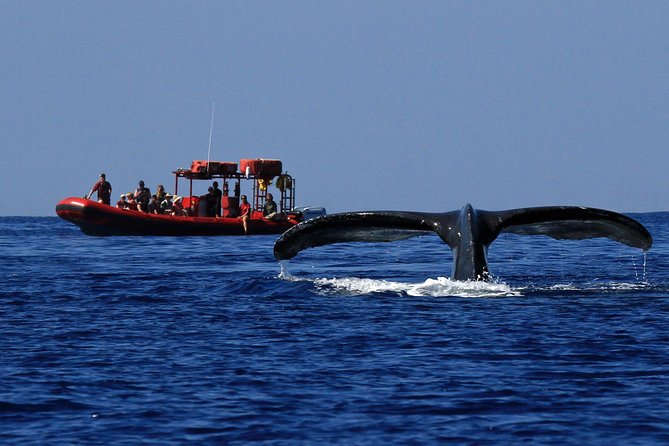
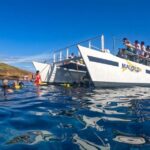
If your goal is close-up viewing and real action, the speed-raft style makes sense. You’re on a sturdy raft that can move fast enough to reposition when whales surface. That matters, because humpbacks don’t stay in one spot for long. The small group limit (22 people) also helps the atmosphere. You feel like part of the crew’s search, not a passenger pressed against a railing.
I also like the mix of entertainment and education. The onboard naturalist isn’t just there to name species; the format is built around what you’re seeing in real time. In the crew rosters from recent outings, names like Tony, Emma, Jake, Jordan, Jamie, Josh, Tim, Aly, and Capt. Jamie show up often. You can expect an active guiding style—quick safety talk, lots of movement, and a focus on whale behavior.
One more reason I’d choose this over a larger vessel: you’re not stuck waiting out time. The tour is short (about 1 hour 30 minutes), so every minute is meant to count.
You can also read our reviews of more tours and experiences in Maui.


Getting started: Kihei Boat Ramp check-in and timing that actually works
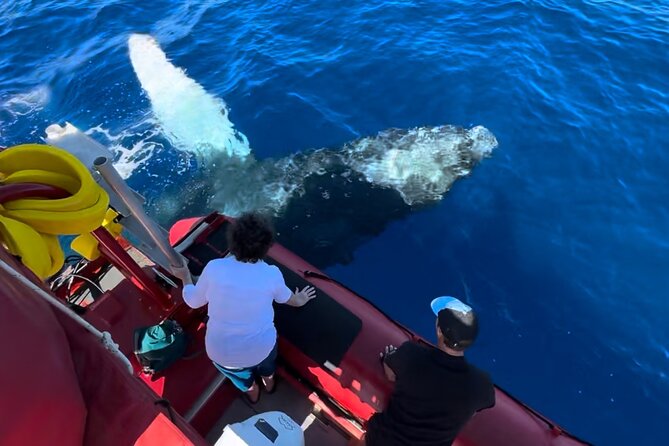
This is a no-hotel-pickup experience. That’s not a drawback if you’re already staying in or near Kihei, but it does mean you should plan your transportation accordingly.
Here’s the flow you should expect:
- You’ll check in at the Kihei Boat Ramp area, and the guidance is to arrive about 30 minutes early.
- Parking is listed as free.
- Then you meet at the boat ramp, where the crew gets you oriented before heading out.
Because the check-in window is built into the plan, you’ll want to arrive on time rather than cutting it close. A raft departure is rarely a slow process—once you’re on board, you’re focused on scanning the water and being ready for sudden spouts.
Also note the practical side: the tour is in English, and you’ll have a mobile ticket. If you like being organized on vacation, that setup is simple.
Pass by Wailea: using the scenery time well
On the whale watch you’ll pass Wailea Beach while you’re out on the water (about a 15-minute slice). Even if whales are the main event, I like that the schedule includes coastline time instead of feeling like you’re just racing blind to a far-off spot.
Wailea is famous for its coastline views, and from the water you often get a different sense of Maui’s scale—cliffs, surf lines, and the contrast between calm-looking beaches and the choppy reality of open ocean conditions. It’s also a useful moment for the crew to reset focus: binoculars up, water watching, and listening for cues.
The tradeoff is simple: there’s no guarantee that the best action will line up exactly with that pass-by moment. But in a short tour, the plan still keeps you visually engaged while the search continues.
Keawakapu stretch and the southern-coast search for humpbacks
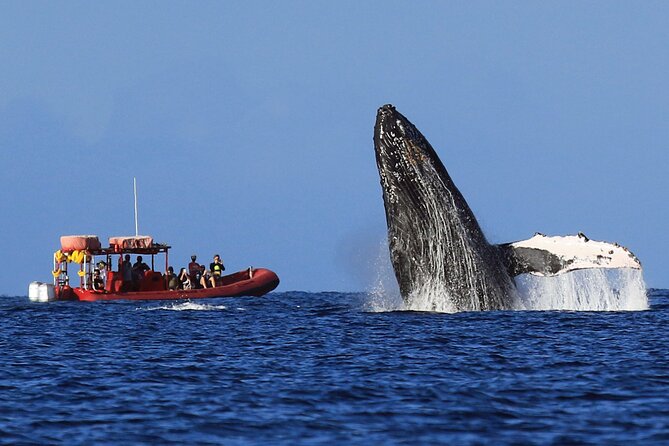
You’ll also pass Keawakapu Beach during the whale watch (again, about 15 minutes). This is where the “southern coastline” strategy shows up. The idea is to position where humpback activity is most likely, then stay responsive as whales surface.
The southern Maui waters are a big reason this tour exists. The tour description frames the area as one of Hawaii’s highest whale-population regions. In plain terms: you’re not just taking a sightseeing cruise; you’re targeting a zone where the odds are better.
In real-world terms, the crew’s job is to keep moving to find fresh surfaces. Many recent outings highlight that whales can show up quickly—sometimes almost immediately after leaving the dock—and that sightings can last a big chunk of the short ride. That’s the value of using a fast raft and a compact route plan: when whales surface, you’re positioned to actually see them.
The marine naturalist and hydrophone: more than spouts and luck
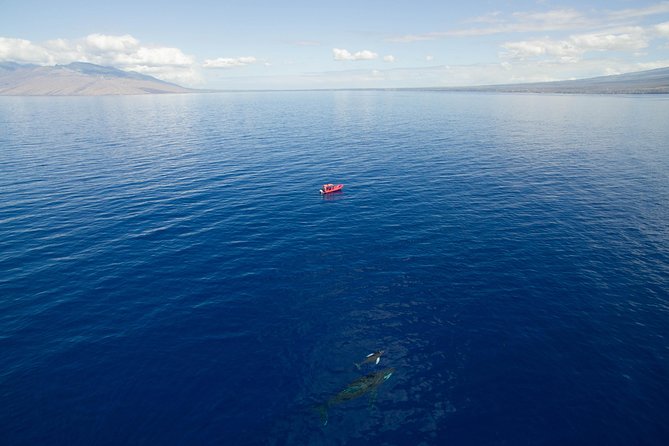
This is where the experience earns its money. You’re not only watching; you’re also listening and learning.
Two specific features matter:
- On-board marine naturalist: You get commentary designed to connect what you’re seeing (spouts, slaps, tail action) with whale behavior.
- On-board hydrophone: You can listen to whales through the water.
If you’ve only ever experienced whale watching by sight, the hydrophone changes the whole feel. You’re not waiting for a breach to confirm whales are nearby. You can sometimes hear whale song/vocal activity while they’re below the surface. One of the most memorable feedback points from recent trips is that the hydrophone moments can be magical—worth paying attention during the ride rather than treating it like a novelty.
Because the tour is short, the best approach is mental too: stay ready. When the crew cues up attention, don’t drift into autopilot. If they point out whale behavior or tell you what to watch next, it’s usually because something is about to happen.
And yes, the crew tends to be funny and upbeat on board. That matters more than you might think on a fast-moving water tour. Good pacing helps you stay focused during bumpy seconds.





What the raft ride feels like: speed, spray, and staying comfortable
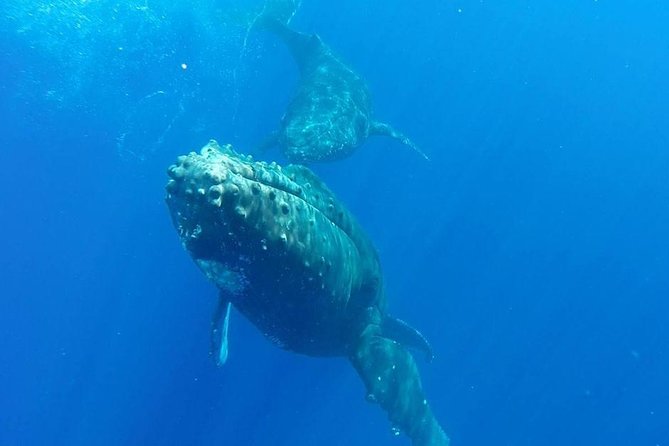
A raft tour is not a calm lake cruise. The upside is speed and repositioning. The downside is motion.
Expect:
- Faster travel between viewing areas, which can make it feel like the captain is always chasing the best chances.
- Bumpy water and spray at times. Recent feedback includes a clear warning that you might get wet, and some people mention the ride can be more active than they expected.
- Sunshade and nonalcoholic drinks, which are genuine comfort wins on a sunny Maui day.
If you’re someone who gets motion sickness easily, consider that raft + chop combo. You can’t change the ocean, but you can prepare. Wear secure footwear, use sunscreen, and keep a dry layer in a waterproof bag if you have one. Even if you only get a little spray, the difference between comfortable and irritated is often that small.
Also, this tour has strict physical guidance. It’s explicitly not recommended for bad backs or neck injuries, and it lists pregnancy and those conditions as not allowed. The raft style can involve quick movement and bracing yourself. Don’t force it—choose a different tour type if you need more stable seating.
Price and value of $84.14 for a 90-minute whale hunt
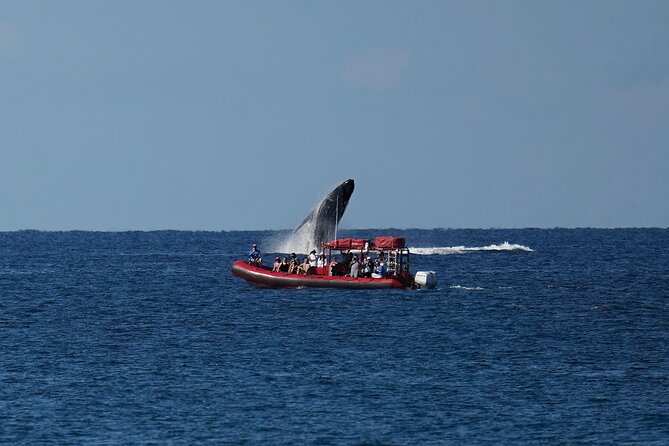
At $84.14 per person for about 1 hour 30 minutes, you’re paying for four things that usually cost extra elsewhere:
- a compact route built around whale activity,
- an onboard naturalist,
- a hydrophone for whale listening,
- and a guarantee to see whales.
The whale guarantee is a big part of the value story. Whale watching often comes with the risk you’ll spend money and time without the payoff. Here, the product is structured to reduce that uncertainty.
The other value lever is the group size cap of 22. Small groups can cost more per person because there’s less capacity. But you tend to get better attention and easier viewing.
The main “price trade” is that it’s not bundled with hotel pickup. If you’re staying close to Kihei or you’re comfortable driving/parking, that can actually be a plus—less waiting, more time on the water. If you’re far from Kihei and need a taxi, the overall cost can creep up.
One more practical note: this tour is often booked ahead (on average about 21 days in advance). If your Maui dates are firm, book sooner rather than later.
Who should book this tour, and who should skip it
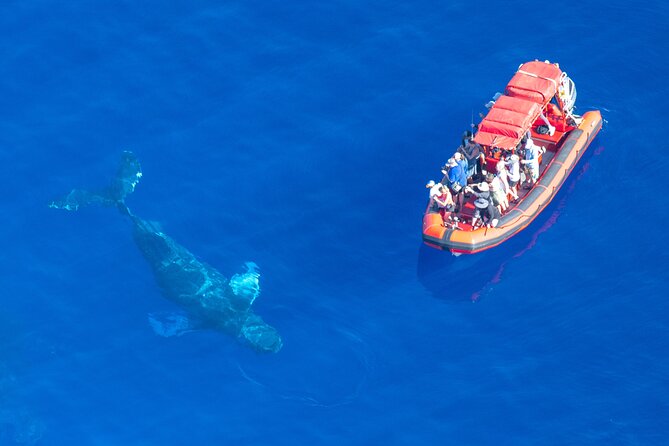
This tour is a strong fit for:
- couples and families who want real whale sightings in a short window,
- people who prefer a small, active crew over a slow, big-boat experience,
- anyone who enjoys learning while watching—especially if you like connecting animal behavior to what you see.
It may not be the best fit for:
- anyone with bad backs or neck injuries, since it’s not recommended and has clear restrictions,
- people who struggle with bumpy motion on the water,
- anyone outside the listed guidance: minimum age is 8, and the tour lists a maximum recommended age of 65 due to the tour’s adventurous nature.
If you’re unsure, read the health notes carefully and match them to your own limits. This is one of those rare tours where the “right fit” matters more than whether the whales are out.
Should you book Redline Rafting’s Maui Whale-Watching Tour from Kihei?
I’d book this if you want a short, high-action whale watch with actual tools and explanations. The combination of a marine naturalist, a hydrophone, a small raft group, and a guaranteed whale sighting makes it feel purpose-built. It also sounds like the crew runs with energy—names like Tony, Emma, Jake, Jordan, Jamie, Josh, Tim, and Aly appear often, and the pattern is consistent: safety first, then move fast to maximize viewing.
I wouldn’t book it if you need a very gentle ride or if your body isn’t compatible with raft motion. The tour’s restrictions around back and neck issues aren’t suggestions.
FAQ
How long is the Maui Whale-Watching Tour by raft from Kihei?
It runs for about 1 hour 30 minutes.
Where does the tour start?
The meeting point is 2800 S Kihei Rd, Kihei, HI 96753, USA.
Do I need hotel pickup?
No. Hotel pickup and drop-off are not included, and the activity ends back at the meeting point.
Is the whale sighting guaranteed?
Yes. The tour includes a guarantee to see whales.
What are the age limits?
The minimum age is 8 years. There’s also a maximum recommended age of 65.
Can I get a full refund if I cancel?
Yes, you can cancel for a full refund up to 24 hours before the experience starts. The policy also notes that if the tour is canceled due to poor weather, you’ll be offered a different date or a full refund.