REVIEW · MAUI
2 Tank Lanai Cathedral Scuba Dive Via Boat for Certified Divers
Book on Viator →Operated by Dive Maui · Bookable on Viator
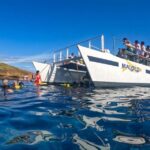
Lanai’s cathedrals feel like a different planet. This morning boat trip sends you to underwater caves, arches, lava shoots, and swim-throughs around Lanai, often with whales or dolphins spotted on the way out. I love the Lanai Cathedrals for the visuals and the variety of tunnels and openings, and I love the small-group attention from the guide. One possible drawback: the boat is small, and choppy water can make some people feel nauseous.
With an overall rating of 4.9 from 548 reviews and a 98% recommendation rate, it’s clearly a favorite for people who want their time on the water to feel organized and personal. The day starts early—check in at 6:30 AM at 1223 Front St in Lahaina—so you’ll beat the crowds and often get more wildlife action in the morning.
In This Review
- Key points before you go
- Why Lanai’s Cathedral sites are worth the early start
- The 6:30 AM flow from Lahaina to the water
- A practical tip for the crossing
- Two tanks on Lanai: what your underwater timing really looks like
- Why the two-run format is a plus
- Cathedrals, caverns, and the kind of “structure swim” you can’t fake
- If you’re chasing wildlife, time on the surface matters
- Small-group touring: what “max 14” means day-of
- What I’d watch for in the briefing
- Visibility and conditions: when the water cooperates and when it doesn’t
- My take on “worth it” days
- Equipment and what’s really included (and what to double-check)
- Price and value: is $306.89 a fair deal?
- The main value question to ask yourself
- Who should book this trip (and who should skip it)
- A quick note for first-timers
- Should you book the 2-tank Lanai Cathedral boat trip?
- FAQ
- What time does the experience start, and where do I meet?
- How long is the trip?
- Do I need scuba certification?
- Is there a minimum age?
- How deep will we go?
- How many tanks are included, and how long are the underwater sessions?
- Are dolphins or whales likely to be seen?
- Is scuba equipment included?
- What happens if the weather is bad?
- What if the operator cancels because of low bookings?
Key points before you go
- Morning wildlife chances: The boat crossing is set up to look for dolphins and whales, and the crew stops when they spot them.
- Two tank sessions, not just one long one: You’ll typically do two underwater runs with a surface snack break between.
- Cathedrals plus a second site: Often you’ll see the Cathedrals on one or both runs, plus another strong location depending on conditions.
- Small group (max 14): You’re less likely to get “lost in the crowd,” and guides can give real-time coaching.
- Real cavern features: Expect swim-throughs, arches, and caverns rather than open-ocean boredom.
- Visibility varies with sand and currents: Some days are crystal clear; others can be hazier if sand gets kicked up.
Why Lanai’s Cathedral sites are worth the early start
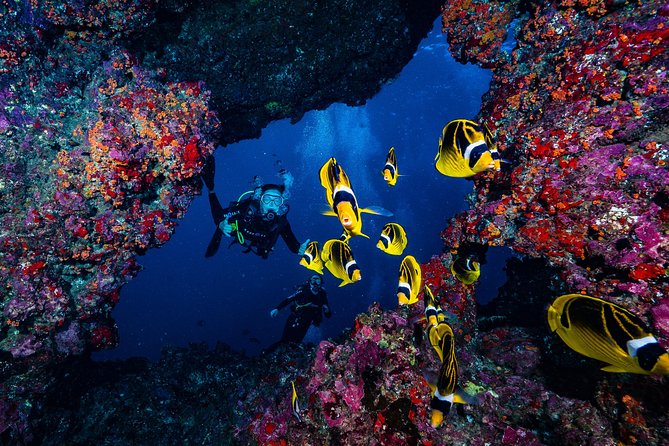
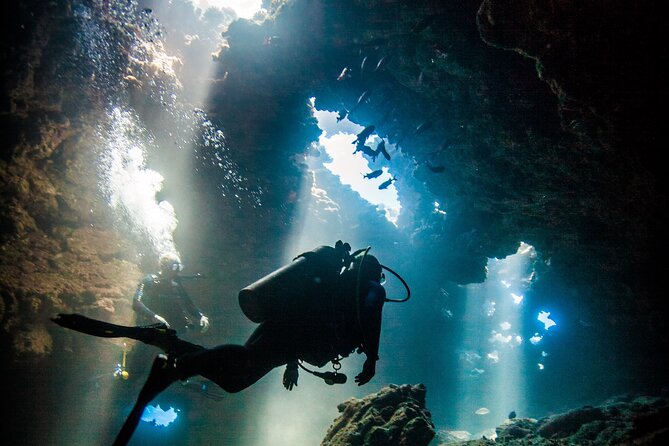
The big reason to book this outing is simple: Lanai’s underwater “cathedral” formations are built for people who like structure. You’re not just watching fish pass by—you’re moving through caverns, arches, and openings that look like nature built a maze.
On top of that, the morning timing helps. You’re out early from Lahaina and crossing toward Lanai before the day gets busy. That lines up with why so many people talk about wildlife sightings on the way out and again during the return.
You can also read our reviews of more tours and experiences in Maui.


The 6:30 AM flow from Lahaina to the water
Check in happens at 6:30 AM at 1223 Front St, Lahaina. You’ll get fitted with rental gear there, then you’ll head to the boat for the crossing to Lanai.
Once you’re on the water, the captain makes the call on where you’ll go based on conditions. The plan usually includes diving one of the Cathedral areas and then another spectacular site, but it’s not rigid. That flexibility matters because water conditions around Lanai can change, and the operator is clearly set up to pick the best option for safety and visibility.
A practical tip for the crossing
If you’re prone to motion sickness, consider bringing your own solution. One traveler specifically mentioned feeling nauseous on a small, crowded boat when the water got rough. It doesn’t mean the trip will be miserable—but it does mean you should plan for the possibility of chop.
Two tanks on Lanai: what your underwater timing really looks like
This is a 2-tank experience with two separate underwater runs. The first one is commonly around 60 minutes depending on your air, with typical depth ranges landing around 50–75 feet. The overview also notes you may reach up to 85 feet (26 meters), so you should be comfortable with deeper profiles that can come up based on the chosen site and your plan.
After the first run, you’ll have a surface interval and a light snack. Some people are also able to add an optional lunch. Then you head back down again for the second run, typically around 50–70 feet and up to about an hour.
Why the two-run format is a plus
A lot of people think the best part is the second run, and for good reason. After the first tank, you usually have better control of your breathing and buoyancy. That helps you spend more time enjoying the swim-throughs instead of fighting your gear or your nerves. It’s also when guides can help you adjust to the site features you’re seeing in real time.




Cathedrals, caverns, and the kind of “structure swim” you can’t fake
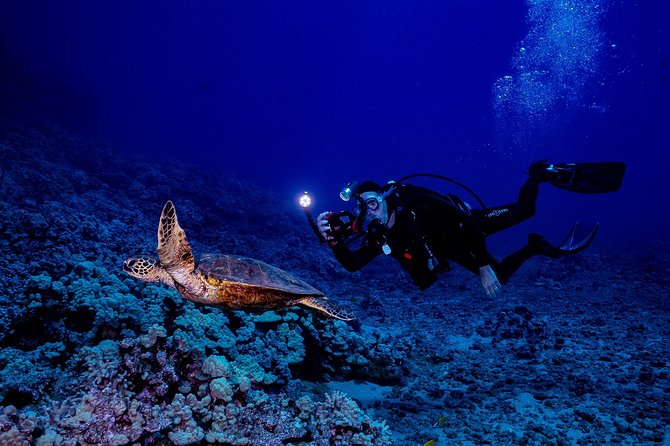
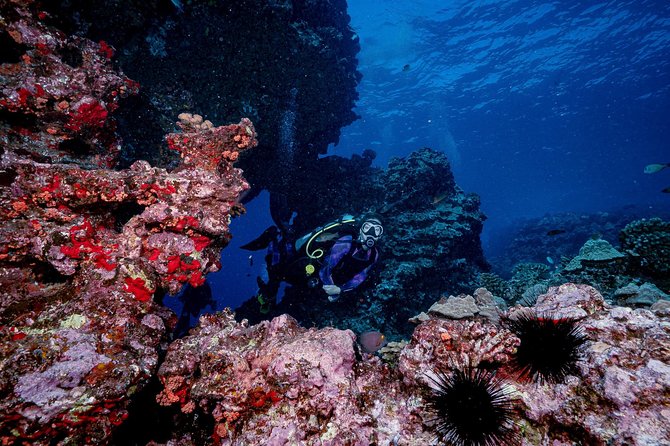
When the conditions line up, you’ll target one of Lanai’s Cathedral formations. Underwater, that means you’re looking for:
- openings and arches
- caverns and “room-like” spaces
- swim-through routes that connect areas
- lava-formed features (often described as lava shoots)
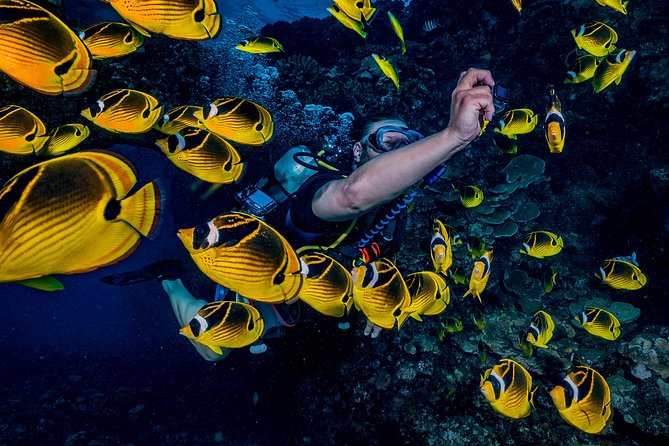
People who go on this trip tend to talk about the feeling of moving through something engineered by geology rather than just hovering over reef. One traveler highlighted the second Cathedral as the highlight, describing many caves and swim-throughs rather than a literal cathedral interior. Another person pointed out eels emerging from hiding spots, plus species like octopus, lobsters, moray eels, and puffer fish.
If you’re chasing wildlife, time on the surface matters
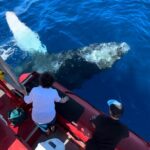
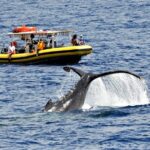
It’s not only about what you see underwater. The boat portion is part of the day. Many trips include dolphins and whales, and the crew stops to watch them when they appear. That tops off the day even if underwater visibility changes.
Small-group touring: what “max 14” means day-of
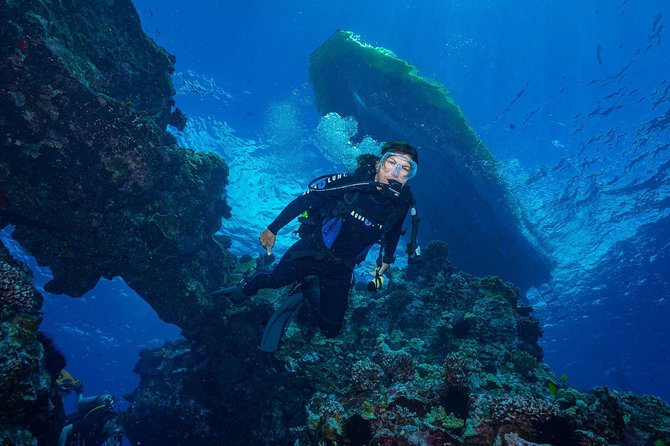
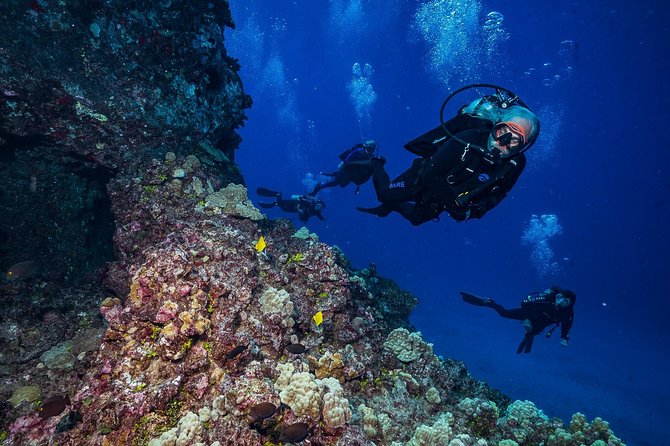
A maximum of 14 travelers keeps the experience from turning into a conveyor belt. In practice, that tends to lead to clearer briefings, less waiting around, and better attention from the guide when you’re setting up.
This is also where the guide quality shows. Multiple guides get named by divers—Jess, Brian, Abby/Abbi, Maya, Scott, Nick, and Joe/Abbey—and the praise is consistent: organized safety checks, gear help, and pointing out critters and features so you actually know what you’re looking at.
What I’d watch for in the briefing
Good briefings do two things fast:
1) They make your route feel predictable (where you’ll go and what to expect).
2) They set expectations about current and visibility.
On days with strong current, one traveler said the guide kept everyone safe with careful instruction. Another mentioned sand kicked up affecting visibility. In both cases, the message is the same: listen closely and follow the guide’s plan. It keeps the day smooth and your energy focused on the underwater features.
Visibility and conditions: when the water cooperates and when it doesn’t
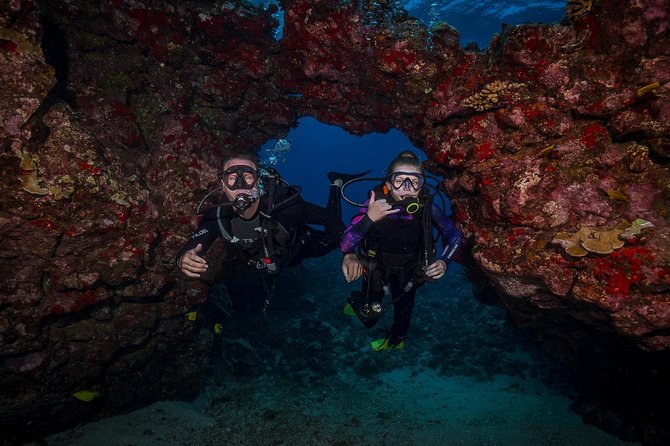
Lanai can be spectacularly clear. One traveler reported visibility around 50–80 feet, which is excellent for structure and swim-through routes. Others still enjoyed the trip even when conditions weren’t perfect.
If sand gets disturbed, visibility can drop. One person noted visibility was not great due to sand being kicked up, but they still had standout moments like eels and other wildlife. Another traveler mentioned rougher water on the surface but still felt safe and well supported by the crew.
My take on “worth it” days
Even when visibility dips, cathedral features don’t stop being cool. You just adjust your expectations: slow down, trust your buoyancy, and let the guide manage the route so you spend your attention in the right place.
Equipment and what’s really included (and what to double-check)
The day includes rental gear availability, plus water and a light snack. Since the listing wording is slightly mixed (it says equipment is available to rent, but also lists scuba equipment as not included), I strongly suggest you confirm what’s covered in your exact booking.
Here’s what you can plan on:
- you’ll get fitted with rental gear at check-in
- you’ll have water and snacks during the surface interval
- you’ll need to bring your own certification proof and meet the experience requirements
Price and value: is $306.89 a fair deal?
At $306.89 per person for about 6 hours, this isn’t a budget add-on. But it’s also not just paying for “being in the water.” You’re paying for:
- a morning boat crossing timed for wildlife chances
- two separate underwater runs with a snack break
- rental gear handling and a structured setup
- a small group size that keeps the day manageable (max 14)
- access to Lanai’s Cathedrals, which are the main reason you’re traveling off Maui for this purpose
If you compare it to the cost of doing a single-site trip, the two-tank format usually makes the price feel more reasonable. You get more total underwater time, plus the surface time isn’t wasted because the boat often offers wildlife viewing.
The main value question to ask yourself
Do you want structure (caves, arches, swim-throughs) and a guide-led route? If yes, the price starts to make sense. If you only want a shallow, relaxed reef experience, you might find a simpler outing better matched to your style.
Who should book this trip (and who should skip it)
This works best for you if you:
- have Open Water (or higher) certification
- have logged a scuba session in the previous 18 months (this is required)
- are at least 14 years old
- can handle a moderate physical level for a boat day and equipment setup
It’s not a fit if you’re pregnant, and you shouldn’t go if you don’t meet the certification rules.
A quick note for first-timers
The trip is for certified people, but many named guides are praised for making newish divers feel comfortable through careful organization and safety briefings. That said, this is still an open-ocean type environment, with potential current and deeper profiles depending on conditions.
Should you book the 2-tank Lanai Cathedral boat trip?
I think you should book this if your Maui trip has room for an early morning and you want the best odds of seeing the Cathedral formations plus a second strong site. The small-group approach and the consistent praise for safety, gear quality, and guide coaching are exactly what you want when the underwater world includes caves and swim-throughs.
I’d reconsider if:
- you’re very sensitive to boat motion and small boats
- you don’t meet the certification timing rule (18 months)
- you want a strict, single-site plan with no variation based on conditions
If Lanai’s Cathedral theme is on your must-do list, this one is set up to deliver.
FAQ
What time does the experience start, and where do I meet?
You check in at 6:30 AM at 1223 Front St, Lahaina, HI 96761. The activity ends back at the meeting point.
How long is the trip?
The total time is about 6 hours (approx.).
Do I need scuba certification?
Yes. You must be certified at Open Water level or higher.
Is there a minimum age?
Yes. The minimum age is 14, and there are no participants younger than 14.
How deep will we go?
You can reach up to 85 feet (26 meters), and typical depths during the two tank sessions are around 50–75 feet for the first run and 50–70 feet for the second run.
How many tanks are included, and how long are the underwater sessions?
This experience includes two tanks. Each underwater session is typically around 60 minutes (air permitting), and the second is up to about an hour, depending on air.
Are dolphins or whales likely to be seen?
They’re commonly seen. The operator often spots dolphins and whales during the crossing and will stop the boat to observe.
Is scuba equipment included?
Scuba equipment is available to rent, but the listing also notes scuba equipment is not included. Check your booking details so you know exactly what you’re paying for.
What happens if the weather is bad?
The experience requires good weather. If it’s canceled due to poor weather, you’ll be offered a different date or a full refund.
What if the operator cancels because of low bookings?
If the minimum number of travelers isn’t met, the trip can be canceled. You’ll be offered a different date or experience, or a full refund.