REVIEW · PHILADELPHIA
Philadelphia: Double-Decker Hop-on Hop-off Sightseeing Tour
Book on GetYourGuide →Operated by Philadelphia City Sightseeing · Bookable on GetYourGuide
A big, fast loop beats wandering in circles. This Philadelphia hop-on hop-off bus tour is a practical way to see the Founding-era landmarks and the city’s modern favorites without committing to one long museum day. I like the combination of live guided narration and multilingual audio so you can follow the story while you take photos from the top deck. You’ll also get a lineup that hits the Independence orbit fast, plus the Rocky steps climb viewpoint.
One thing to keep in mind: the bus schedule can slip with traffic. Some riders report longer gaps than planned at certain stops, so if your day is tightly timed, treat this as a flexible orientation tool—not a stopwatch service.
In This Review
- Key things to know before you ride
- Getting Oriented Fast on a Double-Decker Open-Top Loop
- Price and Value: What $39 Buys (and What It Doesn’t)
- The Route Starts at the Bourse Building, Then Goes Straight for the Independence Story
- Betsy Ross House and the Founding-Era Stops
- Chinatown and Reading Terminal Market: Philly Beyond the Monuments
- Love Park, City-Style Architecture, and the Cathedral Basilica
- Museums on Benjamin Franklin Parkway: Rodin, Franklin Institute, Mutter, and More
- Rodin Museum and the Art Stops
- Franklin Institute and Family-Friendly Options
- Mutter Museum: Classic Philly Personality
- One Liberty Observation Deck and Avenue of the Arts
- Antique Row and Headhouse Square: Streets With Character
- Eastern State Penitentiary and the Rocky Steps: The Two Most Photo-Forward Excursions
- Eastern State Penitentiary
- Rocky Steps and the Philadelphia Museum of Art Area
- Philadelphia Zoo and the Family Break
- South Philly: War Memorials, Penn’s Landing, and the American Revolution Focus
- Christ Church and the Liberty Bell: The Final Push
- How to Plan Your Day So You Don’t Feel Rushed
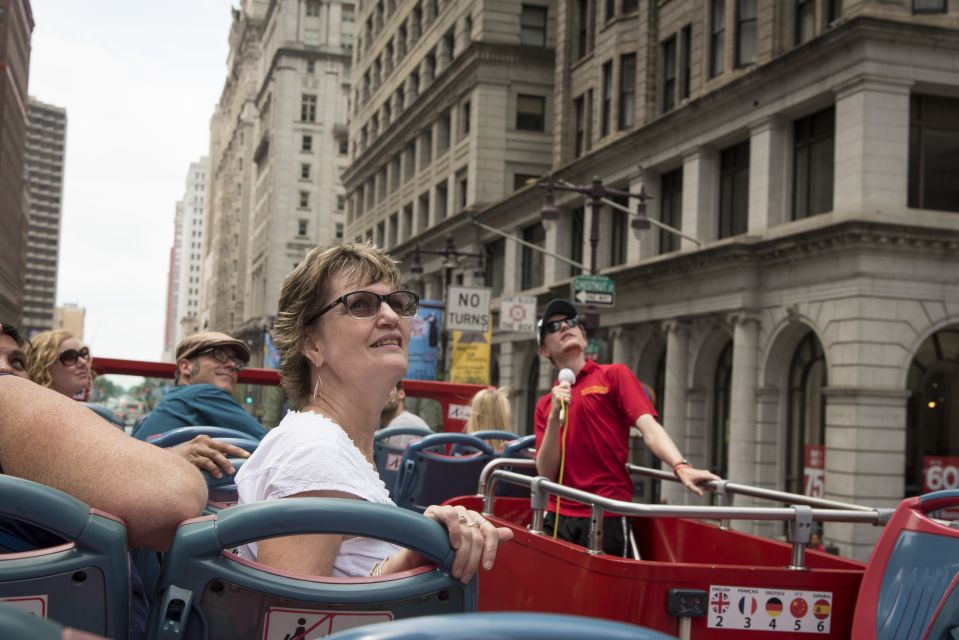
- Guides, Humor, and Why the Live Narration Matters
- Who This Tour Fits Best
- Should You Book the Philadelphia Double-Decker Hop-On Hop-Off Tour?
- FAQ
- How long is the hop-on hop-off tour?
- When do tours depart?
- Where does the tour start and end?
- Is there a live guide or only audio?
- What languages are available for the audio commentary?
- Are attraction entrance fees included in the price?
- Is the tour wheelchair accessible?
- Are pets, smoking, or luggage allowed?
Key things to know before you ride
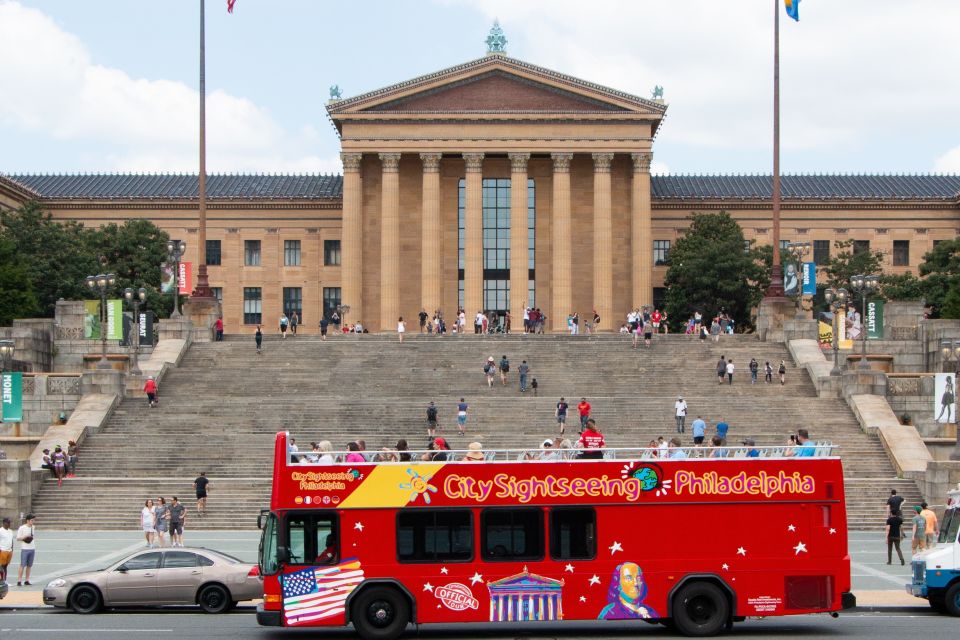
- Live guide + multilingual audio: English live narration, with audio available in Spanish, French, German, Chinese, Korean, Portuguese, Japanese, Hindi.
- Open-top photo time: Great vantage points from the upper deck, especially around the Independence-area buildings.
- Big-name stops, many directions: You’ll pass and/or stop at major sites like the Liberty Bell, Betsy Ross House, Eastern State Penitentiary, and the Philadelphia Museum of Art area.
- 90-minute loop cadence: Tours run for 90 minutes and depart every 30 minutes between 10:00 AM and 4:30 PM (from stop 1).
- 1, 2, or 3-day ticket value: The longer your ticket, the easier it is to plan museum entrances that aren’t included.
- Not wheelchair friendly: This isn’t suitable for wheelchair users.
Getting Oriented Fast on a Double-Decker Open-Top Loop
Philadelphia can feel like two cities: the grand, founding-era core on one side, and the neighborhoods and institutions that fill out the rest. This tour helps you sort it out fast. You’ll start near the historic center and ride the upper deck for an overview of what’s where, then hop off to actually explore the places you care about most.
The format is simple. You buy a 1–3 day ticket, then you take the bus as many times as you want during that window. The ride itself is designed as a loop—about 90 minutes per tour—so you’re not stuck on one stretch for your whole day. If you’re visiting for a short trip, that matters. You get a lot of “first look” value before you decide where to spend time on foot.
I also appreciate that the narration isn’t only audio. There’s a live tour guide in English, and riders also get multilingual audio (Spanish, French, German, Chinese, Korean, Portuguese, Japanese, Hindi). In real terms, that means you can follow along even when a guide’s voice gets swallowed by wind or street noise. And if you’re traveling with a mix of languages, the audio coverage helps everyone keep up.
You can also read our reviews of more tours and experiences in Philadelphia.


Price and Value: What $39 Buys (and What It Doesn’t)
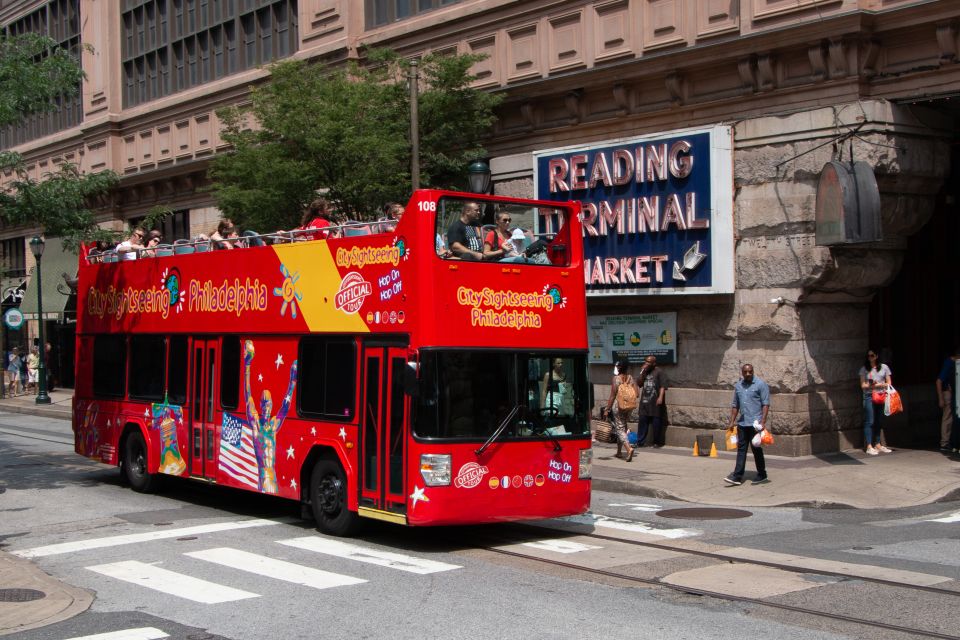
The price is listed as $39 per person, and tickets come in 1, 2, or 3-day options. The part that makes it good value is the flexibility: you’re not just buying a ride. You’re buying time-saving navigation across a spread-out city.
Here’s the realistic breakdown:
- Included: bus transportation, a guide (English live), and multilingual audio.
- Not included: entrance fees to attractions and museums.
So if you plan to walk into places (or climb steps, tour historic interiors, etc.), your day will cost extra. Still, the tour can save you money indirectly because you’ll know where to go next. In other words, you pay $39 to avoid guessing wrong on where to spend your limited time.
If you have only one day in Philly, I think a full loop first is smart. You can ride all the way around, then hop back off at the stops that grab you. If you have two or three days, the value ramps up because you can spread museum time across different days instead of trying to fit everything into one tight window.
The Route Starts at the Bourse Building, Then Goes Straight for the Independence Story
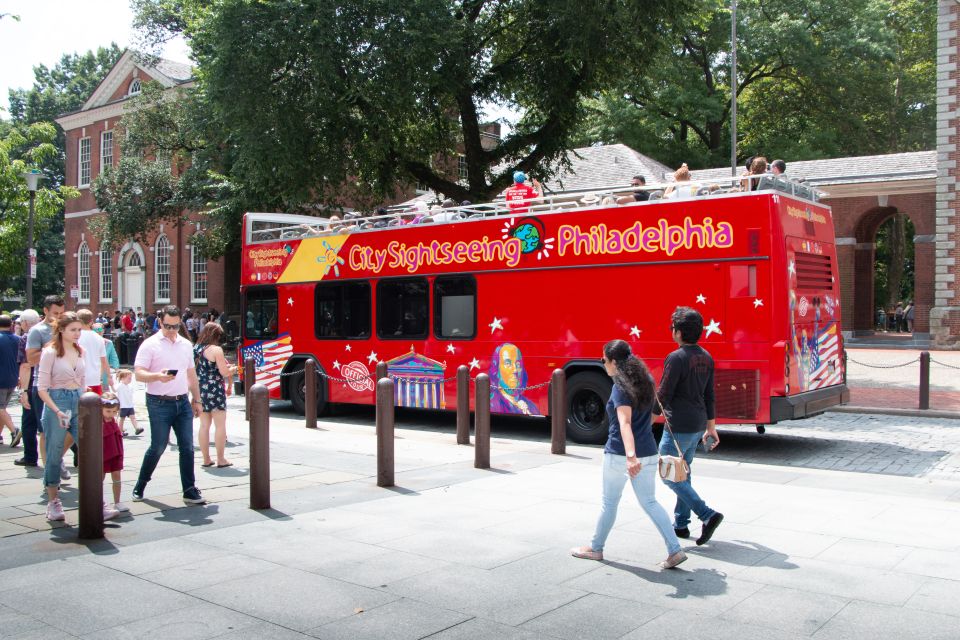
Most riders begin at the Bourse Building area, positioned across from the Liberty Bell and Independence Hall. That positioning is the whole point: you don’t start with parking-lot views and drive time. You start with the stuff you came for—then the bus turns your overview into a guided sweep of the founding era.
From there, you’ll pass or stop at key landmarks tied to the birth of the country. The vibe here is “learn the setting first, then explore.” The open-top deck gives you a chance to frame the big buildings before you ever step onto the sidewalk.
Betsy Ross House and the Founding-Era Stops
One of the early highlights is the Betsy Ross House stop. If you want to connect Philly landmarks to the early American story, this is one of those stops that makes the city feel like it has a storyline, not just a skyline. Even if you don’t go inside, the bus narration helps you see why it matters.
Right after that, you hit the National Constitution Center area. This is where the tour shifts from landmark spotting to American “how it works” history. It’s a useful pivot stop because it connects the Declaration era to the Constitution era—two big chapters that often blur together when you only read a pamphlet.
Chinatown and Reading Terminal Market: Philly Beyond the Monuments
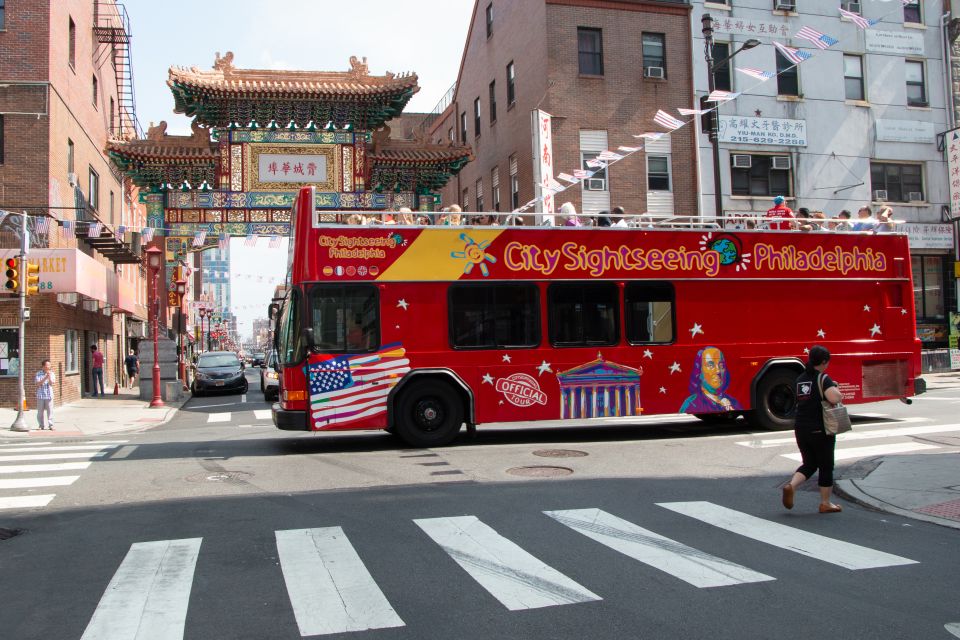
Then the bus swings into parts of the city that make Philly feel like a working city. You’ll pass Chinatown and the Friendship Gate area, then you reach Reading Terminal Market.
Reading Terminal Market is one of those places you’ll feel even if you only stand nearby. It’s a hands-on break from historic interiors: you can hop off and grab food, snacks, or small souvenirs. And because it’s a market, it’s easy to make your schedule work. You don’t need a timed ticket to enjoy the experience—just shoes and appetite.



Love Park, City-Style Architecture, and the Cathedral Basilica
The tour includes Love Park and passes major civic architecture along the way, including views of Philadelphia City Hall. If you’re the type who likes to photograph buildings, this is a good stretch—lots of angles and a clear sense of scale.
You’ll also pass the Cathedral Basilica of Saints Peter and Paul. This is one of the stops that makes the city feel bigger than just Independence Square. It adds a different tone: religious architecture, older stone, and a sense of place that feels rooted.
Museums on Benjamin Franklin Parkway: Rodin, Franklin Institute, Mutter, and More
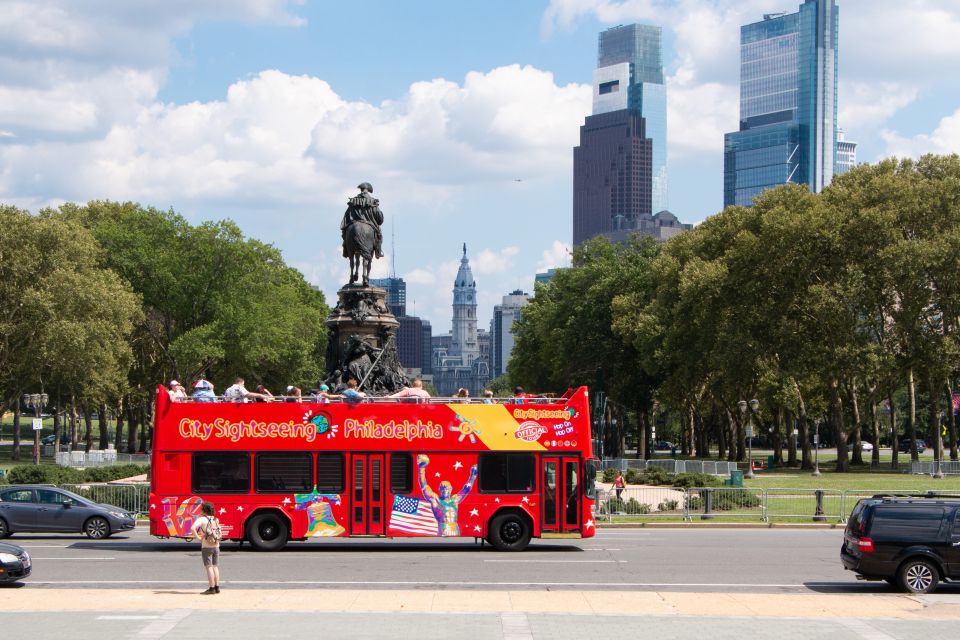
As the bus reaches the Benjamin Franklin Parkway corridor, it becomes a museum-and-institution showcase. The value here is that you can choose your level of commitment. If you want lots of stops and entrances, hop off at a few. If you’re tired, you can stay on board for the ride portion and just soak up the exterior views.
Rodin Museum and the Art Stops
The Rodin Museum stop is useful if you want art without planning your whole day around it. It’s also a natural entry point to the Parkway’s cultural identity—this is where the city puts its emphasis on institutions.
Franklin Institute and Family-Friendly Options
The Franklin Institute is another major stop along this stretch. If you’re traveling with kids (or you’re just curious), this is a spot that can make your day feel less like homework and more like play.
You’ll also see Please Touch Museum. One rider noted that there can be a shuttle connection to make it easier to reach the museum area. That’s a good reminder to expect a little walking or a short transfer at some stops—nothing extreme, but worth planning for with comfortable shoes.
Mutter Museum: Classic Philly Personality
The Mutter Museum has a reputation for being unusual. If you like science, odd medical history, or human anatomy stories, this is the kind of stop that feels like Philly. Even if you don’t go inside, the bus narration usually helps explain why it’s known.
One Liberty Observation Deck and Avenue of the Arts
You’ll pass One Liberty Observation Deck and also ride through the Avenue of the Arts stretch. This is a “different Philly” feeling—less colonial story, more city identity and modern institutions. For photography, observation-deck stops can be useful even if you don’t go up, because you can gauge what kind of views the city offers from that height.
Antique Row and Headhouse Square: Streets With Character
The tour brings you to Antique Row and Headhouse Square. If you’re the type who loves browsing, these street-level stops are a nice counterbalance to the heavier museum blocks. They also help you understand the city’s rhythm: monuments are only part of the story.
Eastern State Penitentiary and the Rocky Steps: The Two Most Photo-Forward Excursions
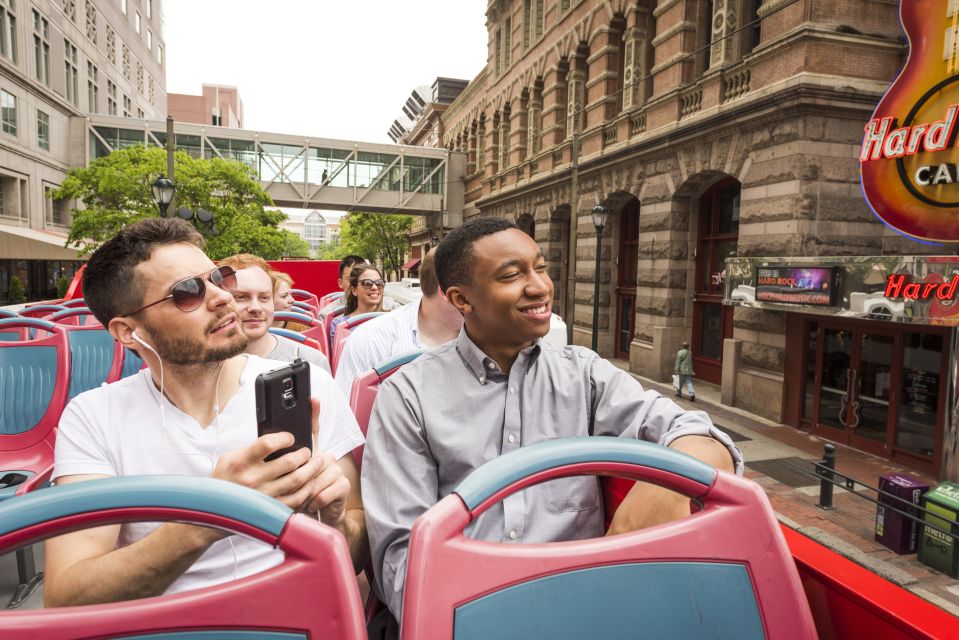
Two stops tend to bring the same reaction: you don’t just see them—you recognize them.
Eastern State Penitentiary
The Eastern State Penitentiary stop is where Philadelphia feels cinematic and heavy. The tour route puts it in your day so you can choose to explore if that topic interests you. It’s also a good break from the Independence area because it shifts you into a different era of American life.
Some riders also described waiting longer than expected at certain stops, especially when it’s hot. If you plan to hop off here for a longer visit, build in extra time for reboarding, not just museum time.
Rocky Steps and the Philadelphia Museum of Art Area
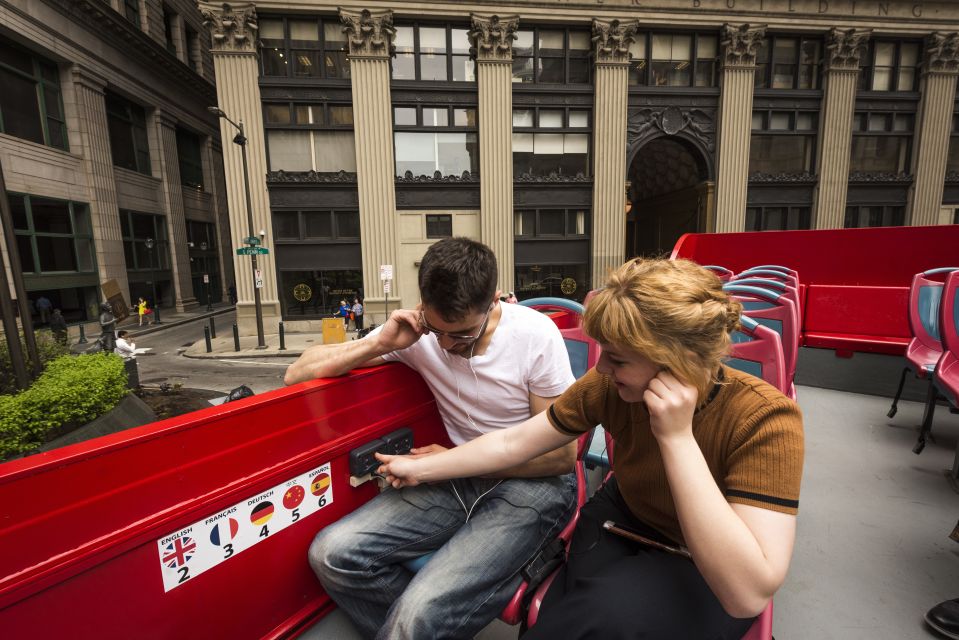
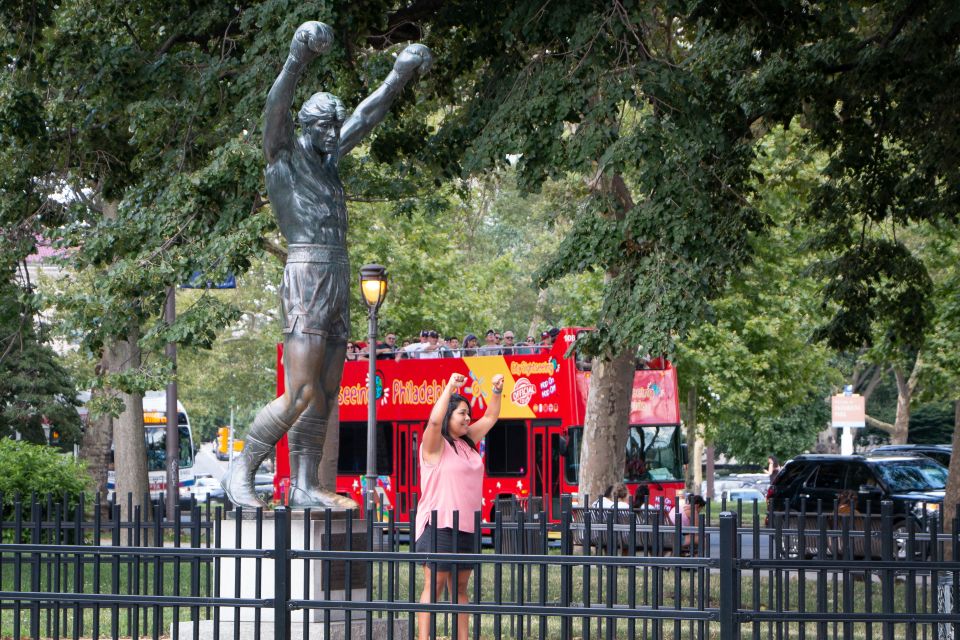
Then comes the most famous walk-up: the Rocky Steps and statue area at the edge of the Philadelphia Museum of Art. The tour specifically calls out the 72 stone steps that Rocky once climbed, and that alone makes it a must-visit stop for a lot of people.
Even if you’ve seen photos before, standing where people film the iconic shots gives you a better sense of scale. The open-top bus is also excellent for getting the shot from a distance if the weather doesn’t cooperate. One hilarious rider story mentioned almost running into overhead power lines—so yes, be mindful of low clearances around sightseeing hotspots, and don’t assume every route is made for “look up” selfies.
Boat House Row is also in this area, and that’s a nice add-on if you like riverside views.
Philadelphia Zoo and the Family Break
The route includes Philadelphia Zoo as well. If you’re traveling with kids, it’s a convenient stop to reassess your priorities mid-day. If not, you can mostly treat it as a perspective stop—what kind of city amenities Philly offers beyond the center.
South Philly: War Memorials, Penn’s Landing, and the American Revolution Focus
After the museum loop stretches, the tour takes you toward the Delaware River side. This is where you can feel the city open up.
You’ll pass Vietnam & Korean War Memorials and then reach Penn’s Landing. Penn’s Landing is a practical stop because it’s tied to waterfront energy and lots of open-air walking options. It’s also a great place to reset after an earlier concentration of indoor or stone-heavy sites.
Then you get Museum of the American Revolution, which is another key chapter in Philly’s Founding narrative. In real life, it helps break up the storyline so you’re not only relying on exterior monuments and names on plaques.
Christ Church and the Liberty Bell: The Final Push
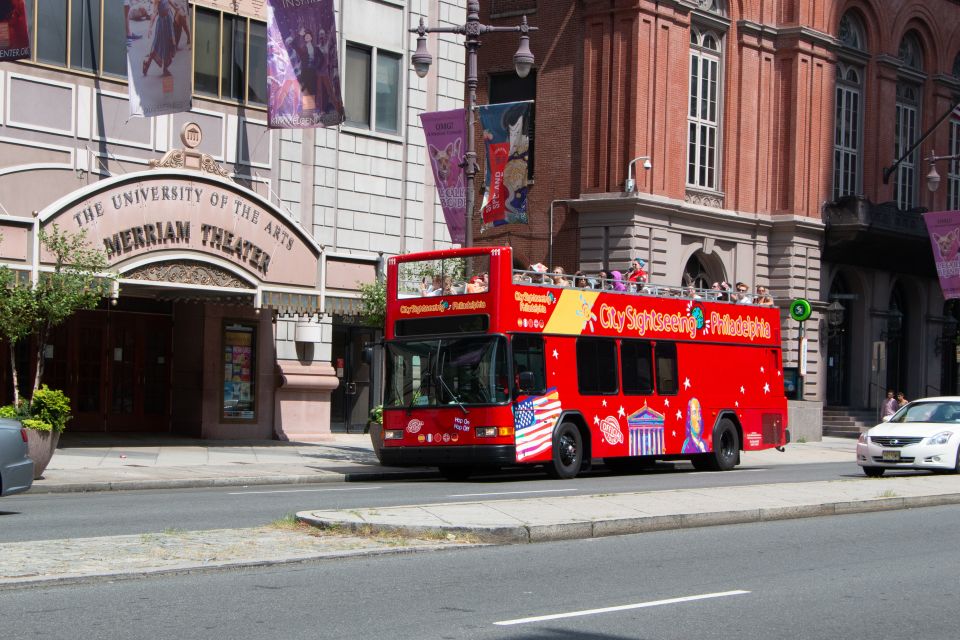
As the day winds down, you return toward the core historic stops. Christ Church is on the route, followed by the Liberty Bell.
I like this end structure for one simple reason: the Liberty Bell is easy to feel emotional about, but it’s best when you’ve already seen its context. By the time you arrive at the Liberty Bell stop, you’ve been through the narration arc—Constitution, culture, streets, institutions, and the city’s evolution. So the site lands more than just a photo opportunity.
Also, if you’re doing a multi-day ticket, this can be your “return” stop. You can hop off earlier and then come back later when you’ve already decided which details mattered most.
How to Plan Your Day So You Don’t Feel Rushed
This tour is flexible, but you still need a strategy.
If you have one day:
- Do a full loop first.
- Take note of which stops you want to actually enter.
- Hop off only at the top 2–4 priorities so you don’t lose time waiting for buses.
If you have two or more days:
- Use day one for orientation and photos.
- Use day two or day three for museum time at the stops you care about (especially the Parkway corridor options).
A practical note: riders have reported longer-than-advertised intervals at some stops due to traffic and occasional delays. So if you’re trying to hit a reservation, don’t schedule it like the bus is always “on the minute.” Treat this as a moving base that helps you get to places, not a strict timetable.
Guides, Humor, and Why the Live Narration Matters
A big theme from rider experiences is the quality of the live guides. Names that came up include Harris, John, Mike, Jim, Sebastian/Sébastian, and Matt/Matthew. The common thread is energy and city familiarity. The best guides don’t just recite facts—they help you understand why certain streets and buildings exist where they do.
You’ll also notice a difference between stops where the guide clearly announces details and stops where it’s less pronounced. If you want to catch every stop name, stay alert early in the ride and check your audio channels.
One more tech point: some riders had trouble with the multilingual audio system outlets. If outlets are important to you (for charging or device power), be ready with a charged phone and a backup plan.
Who This Tour Fits Best
This works especially well if:
- You have limited time and want the big Philly sights in one pass.
- You like to choose your own pace by hopping off where you want.
- You want a guided story without spending your day reading every plaque.
- You’re traveling with a group where not everyone wants the same kind of museum.
It’s less ideal if:
- You need wheelchair access (the tour is not suitable for wheelchair users).
- You want a strict schedule with no tolerance for traffic-based delays.
- You’re expecting entrance fees to be included.
Should You Book the Philadelphia Double-Decker Hop-On Hop-Off Tour?
I’d book it if you’re trying to get a reliable overview of Philadelphia fast and you’re open to using the stops like a planning tool. At $39, the best value comes when you use a 1–3 day ticket to match your priorities—ride the loop once, then hop off for the places you actually want to enter.
Skip it if you already know your exact museum list and you’re the kind of traveler who prefers point-to-point planning without bus rerouting or waiting. Also, if accessibility needs are part of your trip, this isn’t the right fit.
If you want a practical way to see Philly and then decide, this tour delivers exactly that: bus comfort, major landmarks, and enough built-in story to make the city feel like more than a checklist.
FAQ
How long is the hop-on hop-off tour?
The tour duration is listed as 1–3 days depending on the ticket you choose, and the loop itself runs for about 90 minutes per departure.
When do tours depart?
Ninety-minute tours depart every 30 minutes between 10:00 AM and 4:30 PM, starting from stop 1.
Where does the tour start and end?
The meeting point can vary based on the option booked. The tour begins at stop 1 near the Bourse Building area, and there are two listed drop-off locations.
Is there a live guide or only audio?
There is a live tour guide in English, and multilingual audio commentary is included as well.
What languages are available for the audio commentary?
Audio is available in Spanish, English, French, German, Chinese, Korean, Portuguese, Japanese, and Hindi.
Are attraction entrance fees included in the price?
No. Transportation and narration are included, but entrance fees to attractions are not included.
Is the tour wheelchair accessible?
No, the tour is not suitable for wheelchair users.
Are pets, smoking, or luggage allowed?
Pets are not allowed. Smoking is not allowed. Luggage or large bags are not allowed.