REVIEW · CHICAGO
Chicago: Mob and Crime Bus Tour
Book on GetYourGuide →Operated by Chicago Crime Tours and Experiences LLC · Bookable on GetYourGuide
Chicago’s mob legends hit the streets fast. This 1.5-hour crime bus tour turns famous underworld stories into real-world stops across the city. You get live commentary plus photo moments, all from a climate-controlled coach that keeps the focus on the sights and the stories.
Two things I really like: first, you get to walk the path tied to John Dillinger and Hymie Weiss right before their deaths, not just hear about it. Second, the tour builds in hands-on stops like the mini mobster museum with Frank Nitti’s safe and address book, plus a look at secret Prohibition-era tunnels.
One consideration: the bus includes steps and stairs and it is not equipped with an electronic lift. So if mobility is an issue, you’ll want to plan around that and use the included storage options if you’re bringing a stroller or folding wheelchair.
In This Review
- Key takeaways
- What You’re Really Buying in This Mob and Crime Bus Tour
- Starting at 163 E Pearson St: Your Launch Point and Tour Flow
- Picking Up the Visual Thread: Magnificent Mile, Lincoln Park, and Lakefront Views
- The Photo Stop Strategy: Biograph Theater and Other Real Landmarks
- St. Valentine’s Day Massacre Stop: Prohibition Era Crime on Display
- Walking John Dillinger’s Final Steps (and Hymie Weiss Too)
- The Historic Courthouse and Courtroom Drama You Drive By
- Mini Mobster Museum: Frank Nitti’s Safe and Address Book
- Historic Video Footage, Pamphlets, and the Crime Quiz
- Practical Tips for Getting the Most From 1.5 Hours
- Who This Tour Fits Best
- Should You Book the Chicago Mob and Crime Bus Tour?
- FAQ
- How long is the Chicago Mob and Crime Bus Tour?
- How much does the tour cost?
- Where do I meet the tour?
- Is the tour guided in English?
- Can I record video during the tour?
- Is the bus accessible for wheelchairs or strollers?
Key takeaways
- St. Valentine’s Day massacre site plus Prohibition-era landmarks tied to famous names
- Walk-on stop for John Dillinger and Hymie Weiss, not just a drive-by
- Mini mobster museum featuring Frank Nitti’s safe and address book
- Photo stops at major crime-scene landmarks like Biograph Theater and Harry Caray’s Italian Steakhouse
- Historic video footage and an exclusive crime quiz to keep things interactive
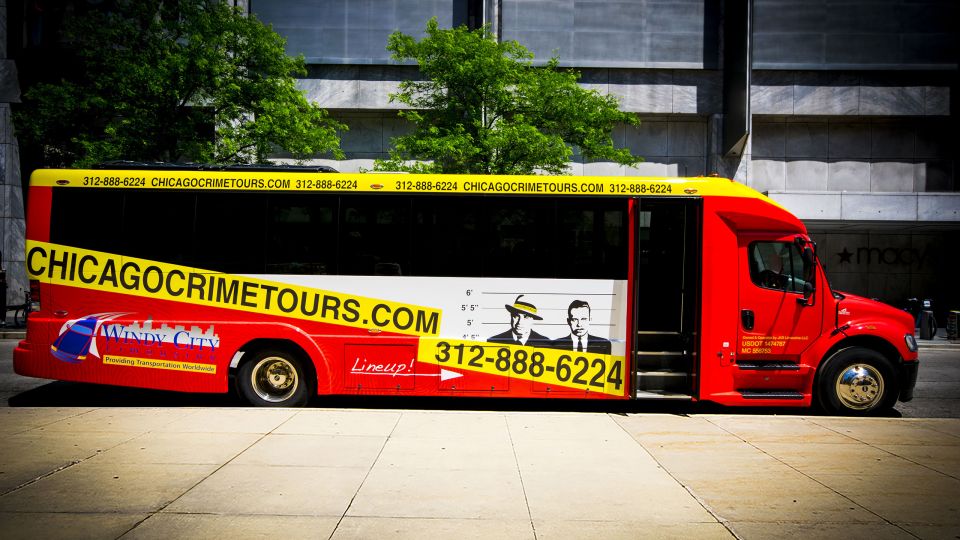
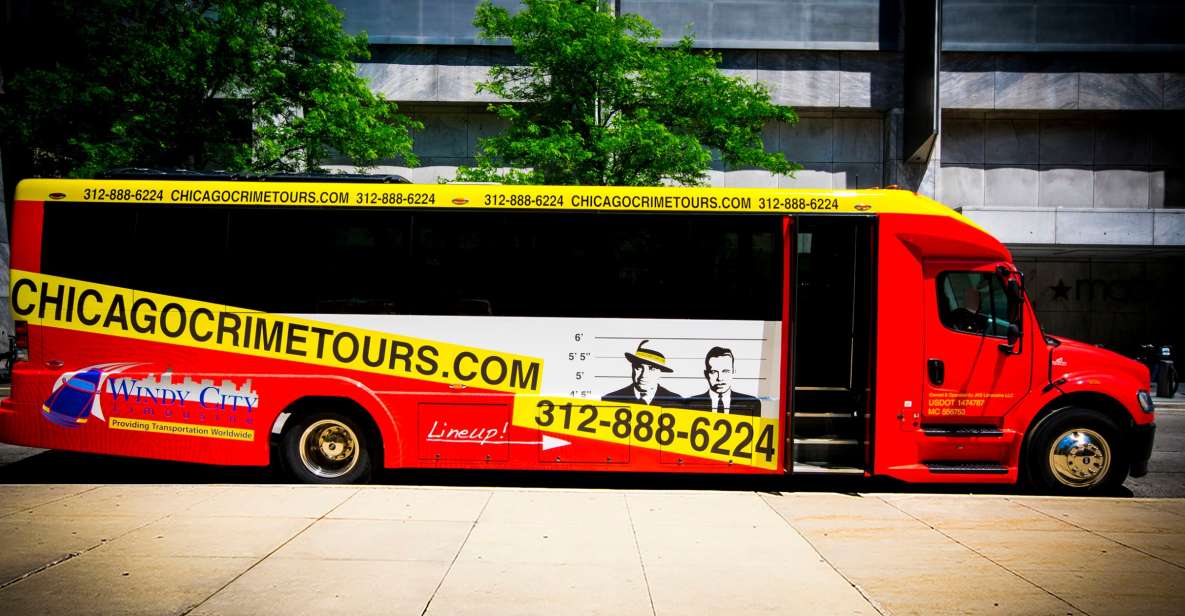
- Luxury, enclosed, temperature-controlled bus for a comfortable 1.5 hours
What You’re Really Buying in This Mob and Crime Bus Tour
For $49, you’re not just paying for a ride. You’re paying for a guided map of Chicago’s criminal past, with a local expert telling the stories in a way that connects names to places. In 1.5 hours, that matters. You’ll see more than you could easily piece together on your own, especially if you only have a day or two in town.
You also get a mix that feels smarter than a pure true-crime lecture. The tour threads together gangsters like Al Capone and John Dillinger, courtroom and courthouse drama, and the city’s architecture and famous landmarks. That blend is a good value because it keeps the tour from becoming one-note.
One more practical win: the “get on, look around, get off, take photos, get back on” rhythm keeps momentum. You’ll still spend plenty of time seated on the bus, but there are enough stops to make the time feel earned.
You can also read our reviews of more tours and experiences in Chicago.


Starting at 163 E Pearson St: Your Launch Point and Tour Flow
The tour starts outside 163 E Pearson St, Chicago, on the southeast side of Pearson and Michigan Avenue, across from Water Tower Mall. It’s a convenient meeting point if you’re near River North, Streeterville, or the Magnificent Mile corridor. After that, the ride pattern is simple and efficient: pass by major sights, make a few targeted photo stops, and then do a couple of more involved moments off the bus.
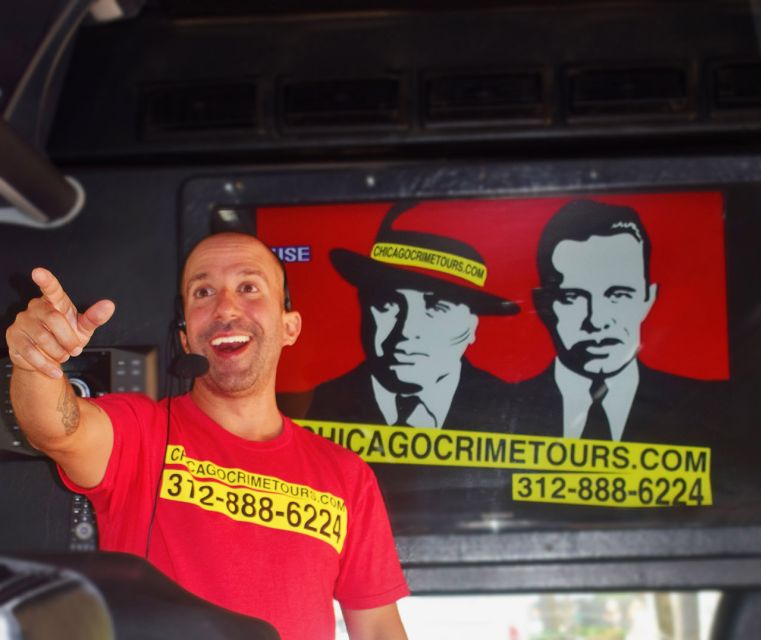
This is an English-only, live-guided experience with interactive commentary. That means you’re not just watching a screen—you’re hearing stories in real time as the guide points out what you’re seeing outside.
Comfort is handled well for a short tour. The bus is enclosed and temperature-controlled, so you’re not trapped in wind or summer heat. You’ll also see and stop along a route that covers multiple neighborhoods, from places near the lakefront to central areas like the Loop.
Picking Up the Visual Thread: Magnificent Mile, Lincoln Park, and Lakefront Views
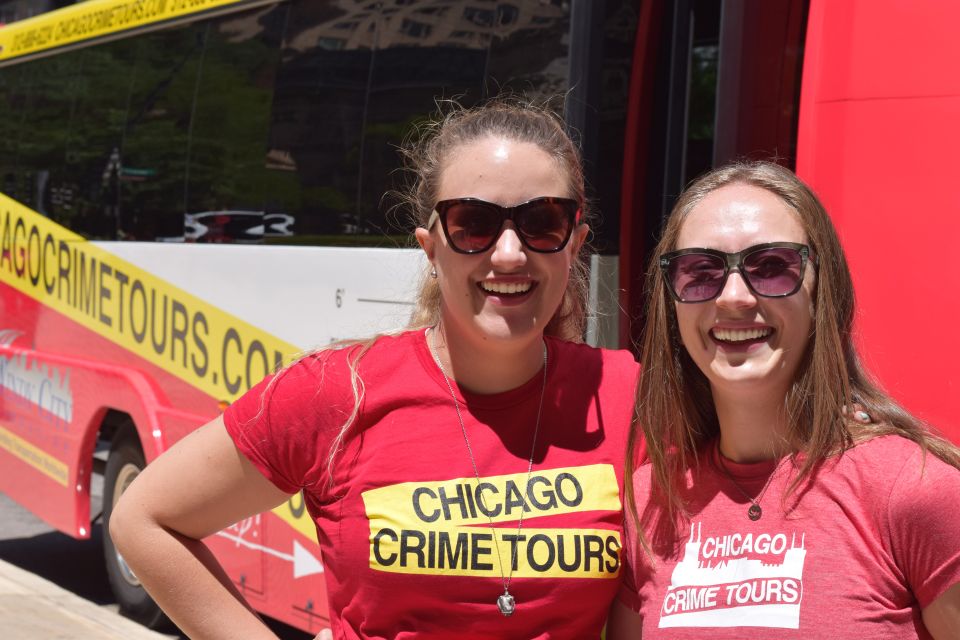
A big part of the value here is the way the tour uses Chicago’s layout to frame the crime stories. You start near Water Tower and then work your way through the city’s most recognizable areas.
You’ll pass Water Tower Place and head toward the Magnificent Mile, with views that help you understand why this city became such a magnet for power, money, and, yes, criminal schemes. As you continue, you’ll also pass landmarks like the John Hancock Center and head toward Lincoln Park.
Even if you came for the mob part, the architecture and city geography help the stories land. Chicago’s big streets, dense blocks, and prominent public spaces make sense when you’re actually seeing them from a moving bus. You also get lakefront and skyline angles as the route moves through areas like River North and Streeterville.
If you care about photos, a small tip can help: one visitor recommended choosing the right side when facing forward for better sightlines. That’s not a rule, but it’s an easy thing to try when you’re booking a seat.
The Photo Stop Strategy: Biograph Theater and Other Real Landmarks
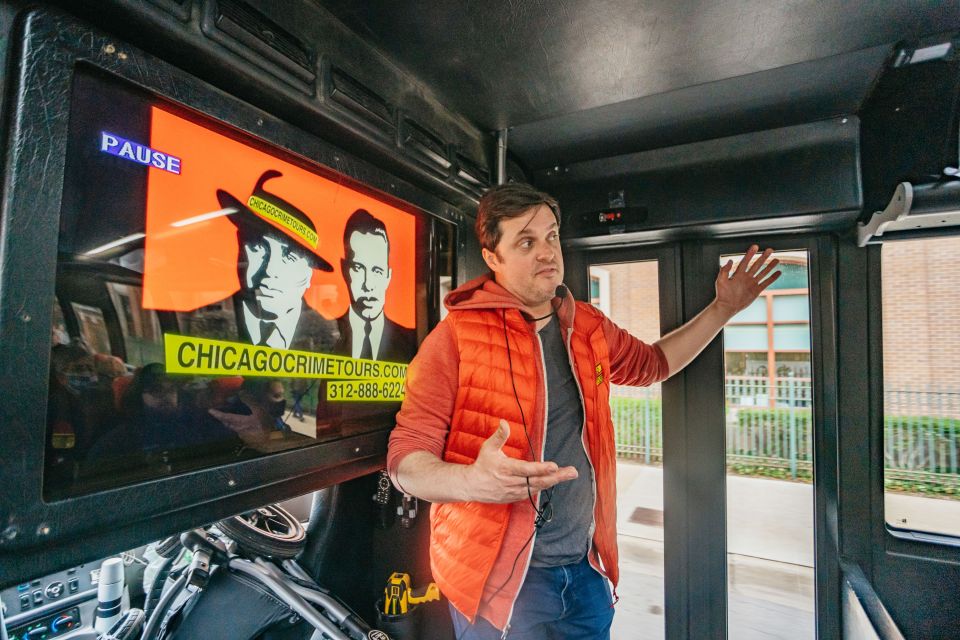
This tour does a thoughtful job of mixing “drive-by views” with real photo stops. You’re not expected to photograph everything from the window like a tourist on a checklist. Instead, you get specific moments where the guide steers you toward the right spot.
One of the key stop points is the Biograph Theater for a photo stop. The name comes up often in Chicago crime conversations, and seeing the exterior helps you connect the story to a location you can point to later.
You’ll also get photo opportunities at places like Harry Caray’s Italian Steakhouse and you’ll see the Holy Name Cathedral area as part of the tour route. Even the moments that are only “pass by” aren’t wasted, because the guide’s narration keeps tying what you see outside the bus back to the underworld.
Here’s the drawback to know ahead of time: because the tour is only 1.5 hours, you can’t linger. If you want to spend long minutes at every site, this isn’t that kind of tour. It’s designed for efficient learning and quick, high-impact stops.
St. Valentine’s Day Massacre Stop: Prohibition Era Crime on Display
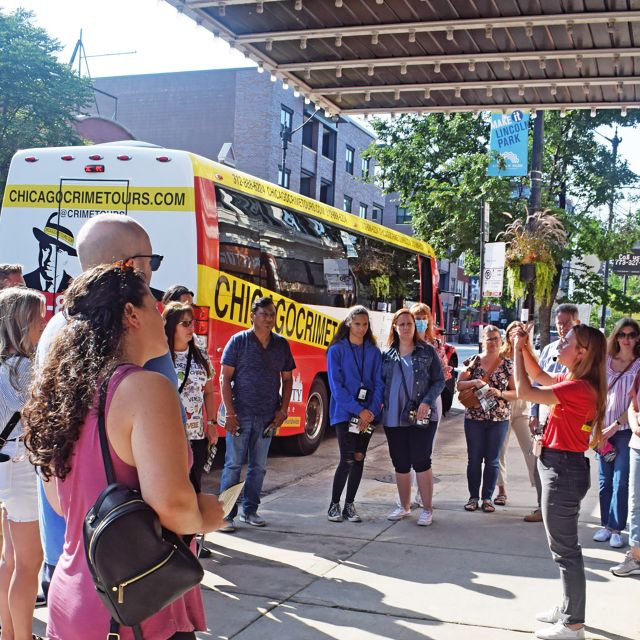
The St. Valentine’s Day massacre is the kind of story that lives in pop culture. Here, you get to see the world famous massacre site as part of a guided route through Prohibition-era Chicago.
The guide connects the event to the broader world of gangs and power struggles that were racing through the city during the Prohibition years. That matters, because without context, it’s easy to remember names and dates but miss how the system worked.
This part of the tour also weaves in major figures and themes you’ve probably heard before, including Al Capone and the wider mob and gangster world often associated with that era. You’ll hear interactive commentary that covers not just one incident, but a chain of influence across neighborhoods.
A nice bonus is that the tour is not only streets and stories. You’ll also have museum-style components later that help fill in details you might miss if you only stayed outside.


Walking John Dillinger’s Final Steps (and Hymie Weiss Too)
If you like true crime, this is the moment that feels most real. The tour includes a stop where you get off the bus and walk the path that John Dillinger and Hymie Weiss followed just before their deaths.
That walking moment changes the experience. A bus tour can make everything feel like scenery. But walking forces your brain to slow down for a minute. You’re not just seeing points on a map. You’re moving through the space where the story happened.
The surrounding narration adds meaning too. The guide keeps the focus on how these events unfolded and how Chicago became internationally known for its mob and crime networks. You’re still moving through the city, but at this part of the day, you feel like you’re stepping into a scene rather than just driving past one.
The Historic Courthouse and Courtroom Drama You Drive By
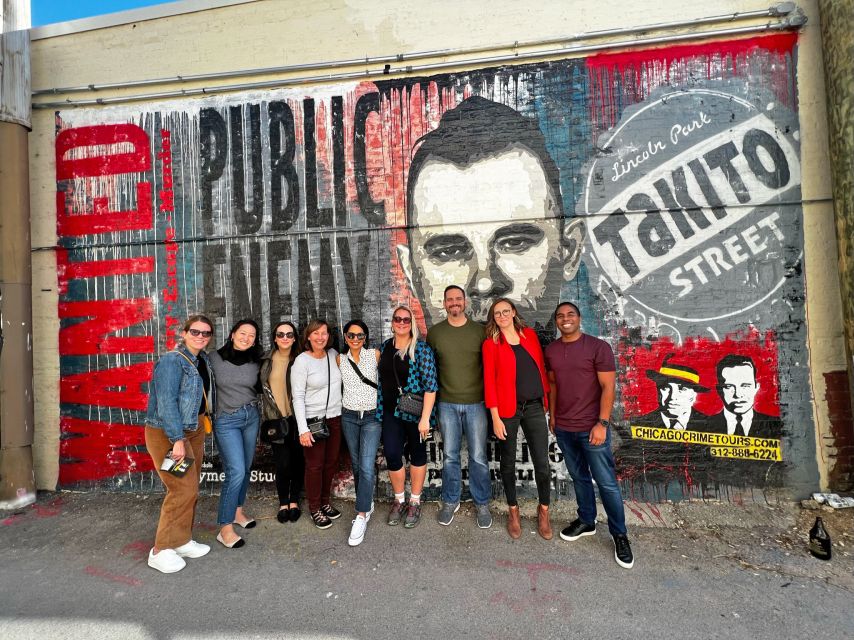
You also get a drive-by shooting of the historic criminal courthouse, described as a Chicago architectural landmark connected to some of the city’s notorious cases that were tried there.
This is one of those “Chicago does it best” elements. Courthouses and civic buildings are built to impress, and Chicago’s massive, old-school architecture makes the legal side of the crime story feel tangible. From a bus, you can’t go inside for a long visit, but you still get the visual impact and the guide’s explanation.
The guide’s live commentary helps connect the dots between street-level crime and the legal system that chased it. That is a major reason to take a guided tour like this instead of trying to self-tour just with Google Maps.
Mini Mobster Museum: Frank Nitti’s Safe and Address Book
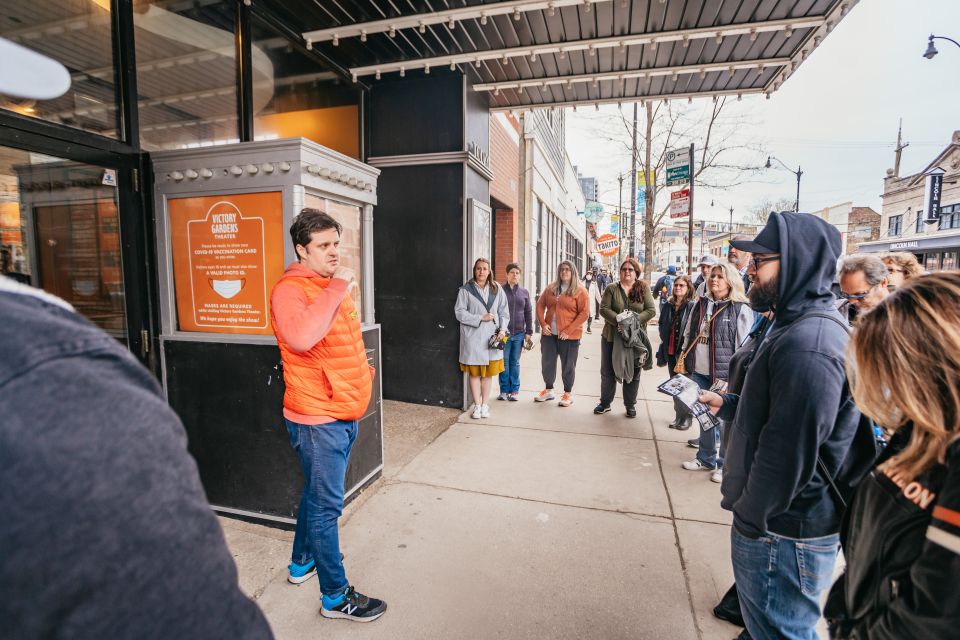
The tour includes a mini mobster museum, which is a smart move in a short itinerary. It gives you a place to slow down for a bit and take in objects and details that would be hard to understand from street-level context alone.
A standout described item is Frank Nitti’s safe and address book. That’s the kind of detail that makes gangster stories feel less like myth and more like real, messy human operations: contacts, information, and the behind-the-scenes side of organized crime.
You also get an included look at a spy of secret Prohibition Era tunnels. Even if you’re not an architecture or engineering person, tunnels and hidden spaces fit the Prohibition era vibe. They help you understand how criminals adapted to the city’s infrastructure.
This combination—objects, a museum setting, and a glimpse into hidden spaces—helps the whole tour feel more rounded than a narration-only experience.
Historic Video Footage, Pamphlets, and the Crime Quiz
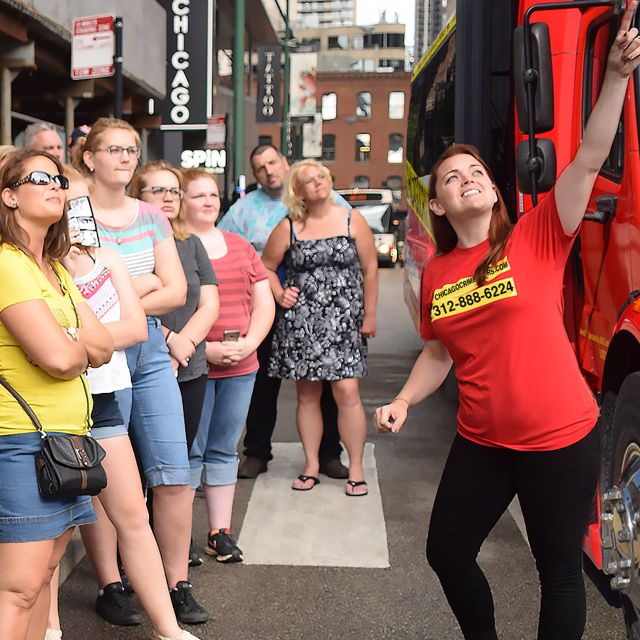
A lot of bus tours stop at stories. This one adds more learning tools.
You’ll be shown historic video footage, which helps when you’re working through real names like Al Capone and John Dillinger. The visuals can make the narration click faster, especially if you don’t know the full timeline.
You’ll also receive an informative souvenir pamphlet with photos and special offers. Even if you’ve been to Chicago before, a good photo-and-summary handout helps you remember what you saw, and it gives you a jumping-off point for exploring on your own after the tour.
Then there’s an exclusive crime quiz. That’s the kind of fun, low-pressure interactive element that keeps people paying attention. It also reinforces the themes the guide hits throughout the bus ride.
One more thing: there’s no video recording allowed. That’s not just a policy detail. It keeps everyone present and watching the guide’s moments and the provided footage.
Practical Tips for Getting the Most From 1.5 Hours
Because the tour is short, your best strategy is to show up ready to move fast and focus on the guide’s cues.
Bring your camera, and use it when you’re allowed to step out for photo stops. The tour includes multiple photo opportunities, so you don’t want to waste effort photographing only street corners through the glass.
Dress for Chicago weather since there are off-bus walking moments. Also plan around stairs. The bus includes steps and stairs, and it is not equipped with an electronic lift. If you’re traveling with a stroller or a folding wheelchair, storage is included, but you should still expect the steps during boarding and walking stops.
A small seating tip can matter. As mentioned earlier, one visitor recommended the right side when facing forward for better sightlines. If you can choose your side, it’s an easy way to improve your odds of better angles for photos.
Finally, the experience is guided in English only. So if you prefer translation or need captions to follow along, this might be a mismatch.
Who This Tour Fits Best
This tour is a strong match if you fall into any of these buckets:
- You like true crime and want Chicago locations connected to famous cases.
- You want a short, efficient activity that still covers multiple neighborhoods and landmark types.
- You enjoy architecture and civic buildings as part of the story, not just as scenery.
- You’re okay with a guided pace where you don’t linger at every stop.
It may be less suitable if you dislike true crime subject matter, or if you need full accessibility support beyond stairs. Also, if you prefer a totally silent, self-paced outing, the interactive live narration is part of the package.
Should You Book the Chicago Mob and Crime Bus Tour?
I think you should book this if you want a guided way to see Chicago’s crime story landmarks without doing the heavy planning yourself. The value is strong for what you get: luxury transport, real photo stops, a walk tied to Dillinger and Hymie Weiss, and an actual mini museum component with Frank Nitti’s safe and address book.
If you’re the kind of traveler who remembers cities by their places, not just their headlines, this tour helps you do that. You’ll leave with a clearer mental map of where these stories unfolded, plus enough visual and printed material to keep the details straight afterward.
If stairs are a concern, check whether you can handle the off-bus walking moments. And if video recording is important to you, note that it’s not permitted. With those two points in mind, this is a fun, focused way to see Chicago through the lens of its most famous underworld chapters.
FAQ
How long is the Chicago Mob and Crime Bus Tour?
The tour lasts about 1.5 hours.
How much does the tour cost?
The price is $49 per person.
Where do I meet the tour?
You meet the bus outside 163 E Pearson Street, Chicago, across from Water Tower Mall, on the southeast side of Pearson and Michigan Avenue.
Is the tour guided in English?
Yes. The tour is guided by a live interactive guide in English only.
Can I record video during the tour?
No. Video recording is not permitted.
Is the bus accessible for wheelchairs or strollers?
The bus includes steps and stairs and is not equipped with an electronic lift, but there is storage for folding wheelchairs and strollers.