
REVIEW · NEW ORLEANS
New Orleans City and Cemetery 2-Hour Bus Tour
Book on Viator →Operated by VIP City Tours · Bookable on Viator
New Orleans has a way of moving fast, even when it is standing still. This 2-hour, air-conditioned city + cemetery tour is a great way to get oriented fast—French Quarter views, famous neighborhoods, and an actual cemetery walk. I like how the ride gives you big-picture context, then the guided stop at St. Louis Cemetery No. 3 gives the kind of detail you can’t easily DIY in one afternoon.
Two things I especially like: the bus keeps you comfortable in the heat, and the guide storytelling tends to connect architecture, neighborhoods, and major moments like Hurricane Katrina. You may even hear guide voices you recognize from recent tour guides in the mix—names like Chris, Justin, Henry, Jared, and Lee show up repeatedly in the feedback. That’s a good sign for a tour that really depends on narration.
One drawback to consider: the schedule is tightly packed, and the bus ride can feel a bit rough on the way around town. Also, there is no restroom on board, so plan on using the facilities at City Park and Cafe du Monde during the stops.
In This Review
- Quick Take: What Makes This Tour Worth Your Time
- The 2-Hour Loop That Gets You Oriented Fast
- Pickup, Ride Comfort, and How to Not Miss Your Start
- French Quarter Drive: Decatur, French Market, and Esplanade Views
- Garden District: Mansions, Oak-Lined Streets, and Celebrity Odds
- Treme: Jazz Roots and the Streets That Hold Stories
- St. Louis Cemetery No. 3 Walk: The Part That Makes It Real
- City Park: Mossy Shade, Wildlife, and a Break from the Bus
- Cafe du Monde: Beignets, Cafe Au Lait, and Restroom Timing
- Katrina Rebuild and Musician’s Village: How the City Moves Forward
- Passing the Superdome, the French Market, and Lake Pontchartrain Facts
- Price and Value: Is $54.98 a Good Deal?
- Who Should Book This Tour (and Who Might Skip It)
- Should You Book This New Orleans City and Cemetery Tour?
Quick Take: What Makes This Tour Worth Your Time

- St. Louis Cemetery No. 3 walk with a real on-foot portion, not just a drive-by
- Air-conditioned bus + hotel pickup from select French Quarter and Business District hotels
- Neighborhood contrast in one outing, from Garden District mansions to Treme’s roots
- City Park break with time to see the grounds before grabbing beignets
- Cafe du Monde stop for cafe au lait and beignets, plus restrooms
- Katrina-area context through a rebuild-focused stop and passing views tied to the city’s past
The 2-Hour Loop That Gets You Oriented Fast
If it is your first time in New Orleans, this is the kind of tour that helps you stop guessing. The route is designed to hit multiple “zones” of the city in a short window, so you come away knowing where things are in relation to each other. That matters because New Orleans is compact in feel, but spread out in personality—French Quarter energy is not the same as uptown shade, and the tour makes those differences obvious.
This outing also gives you a practical advantage: you get a guided narrative while you ride. Instead of seeing buildings as random backdrops, you hear why certain streets look the way they do and what people were trying to build (or survive). The best part is that it does not just linger in tourist lanes.
You can also read our reviews of more tours and experiences in New Orleans.



Pickup, Ride Comfort, and How to Not Miss Your Start
The tour includes hotel pickup and drop-off from selected hotels, mainly in the French Quarter and Business District. Pickup typically starts 30 minutes before the official tour start time, and you wait outside your assigned pickup spot (assigned close to your hotel due to bus zone rules).
A couple of details are worth planning for:
- You’ll need to use steps to get on and off the bus, so this is not ideal if stairs are a problem.
- No restroom on board. You’ll have restroom access at City Park and Cafe du Monde during scheduled stops.
- The group size is capped at 28 travelers, which helps the guide keep the bus moving without turning it into chaos.
The ride is air-conditioned, which is not a luxury in New Orleans—it is how you stay functional. One more thing: the timing is built for a quick “overview” style day, so settle in for a faster pace. That is why a couple of comments note the bus ride feeling a bit rough; it’s still usually manageable because the whole outing is just a little over two hours.
French Quarter Drive: Decatur, French Market, and Esplanade Views

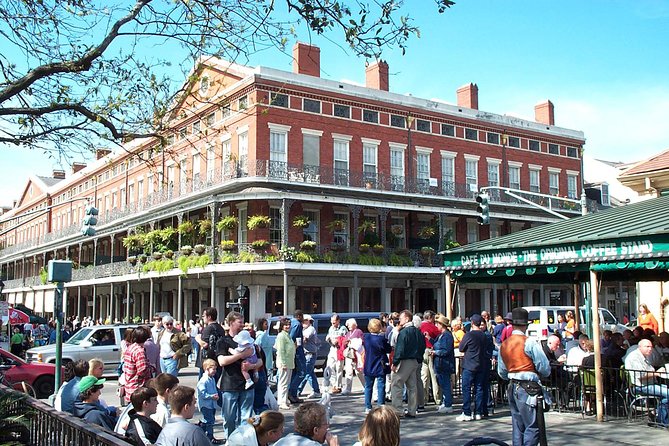
The French Quarter portion is built around classic streets and landmarks, but it is experienced from inside the bus—air-conditioned and efficient. You’ll travel along Decatur Street, one of the most scenic drives in the area, and then continue through the stretch that takes you past the French Market and toward Esplanade Avenue.
What I like about this approach is the way it sets you up for a second visit. After the drive, you usually know the “shape” of the Quarter: where the walking density is, where the big food stops are, and which roads connect to nearby neighborhoods. If you only ever see the Quarter by foot for a day, it can feel like everything blends together. This drive helps you remember the key pieces.
Also, the bus format means you can take in views even if you are tired from walking earlier in the day.
Garden District: Mansions, Oak-Lined Streets, and Celebrity Odds

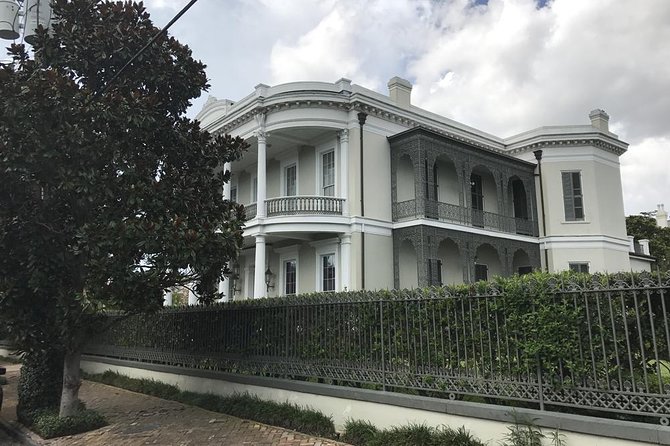
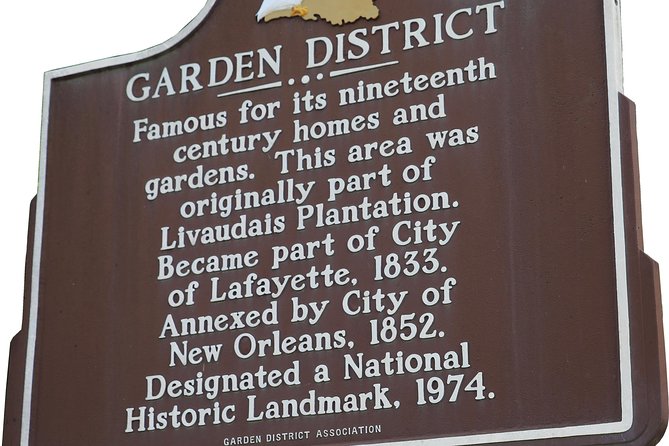
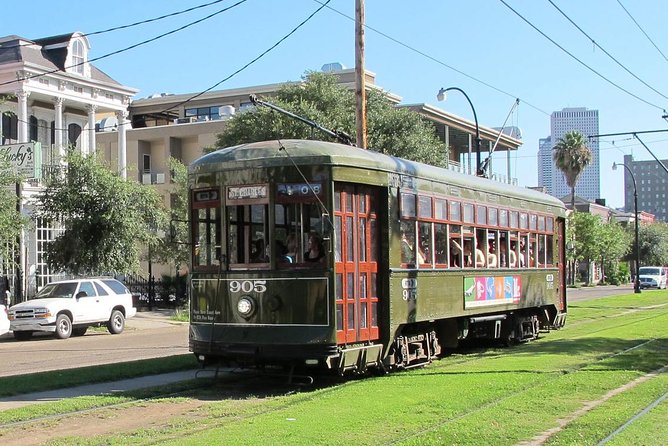
Then the tour pivots to a totally different mood: the Garden District, known for its elaborate gardens, elegant mansions, and those slow, oak-lined streets that make you feel like you’ve stepped into a postcard.
This stop is also where the narration can turn fun. The tour highlights that you never quite know who you’ll see—celebrity names tied to the area include Sandra Bullock near St. Charles Avenue, John Goodman, Drew Brees, and Nicolas Cage. It also points you toward the cultural thread connecting this neighborhood to Anne Rice and film locations tied to the area.
Even if you are not a celebrity watcher, you’ll still learn something useful here: why these streets feel so distinct, and how architecture and landscaping work together. The result is that the Garden District stops being a blur of big houses and becomes a place with a recognizable look.
Treme: Jazz Roots and the Streets That Hold Stories
Next comes Treme, pronounced Treh-MAY, historically the Faubourg Tremé. This is not presented as a “pretty neighborhood” stop; it is framed as a cultural foundation. The tour anchors it around Congo Square in Armstrong Park, and it connects the neighborhood to the birthplace of jazz and the wider story of New Orleans culture.
I like that this part of the route makes it harder to reduce New Orleans to one image. The Quarter gets attention, but Treme gets the point: culture lives in neighborhoods, not just in attractions.
If you want to understand why New Orleans sounds the way it does, this is one of the sections that helps most in a short outing. You hear the logic of the city’s rhythms, not just the names.






St. Louis Cemetery No. 3 Walk: The Part That Makes It Real
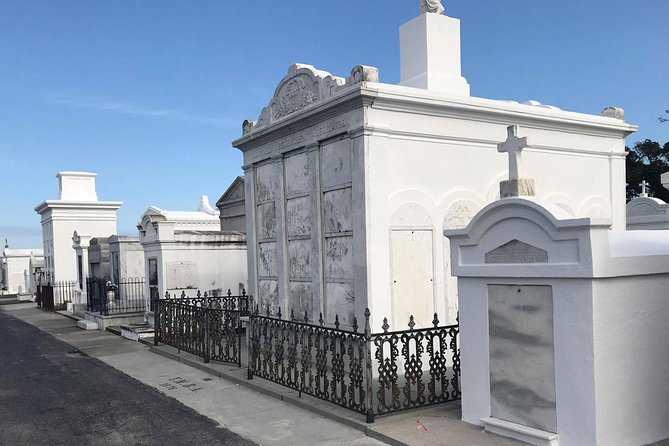
If you book this tour for one reason, make it this: the guided walking tour of St. Louis Cemetery No. 3. This is not a quick drive-past. The group gets out, and you get close to what makes New Orleans cemeteries unusual compared with most places in the US.
The tour’s explanation centers on the idea that, in New Orleans, the dead are not hidden underground in the same way you might expect. Instead, the cemetery brings the visual presence of memorials into view above ground. That change in perspective is exactly why cemetery visits here feel unforgettable: it is history you can see, and it is personal in a way that a museum panel never is.
Practical note: the walking portion is short (around 15 minutes), but it is enough time to take in the details and listen to the guide’s stories. Admission is listed as free for the cemetery time included in the tour.
City Park: Mossy Shade, Wildlife, and a Break from the Bus
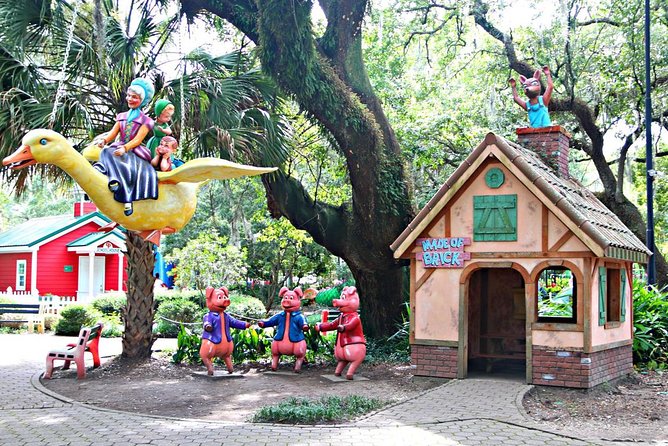
After the cemetery, the schedule gives you a reset: New Orleans City Park. This stop is short—about 10 minutes—but it is timed so you can absorb the setting. City Park is huge, listed at 1.5 times larger than New York’s Central Park, and it is packed with features: the New Orleans Museum of Art, a carousel, duck ponds, and wildlife.
Even with only a limited stop, you get the key idea: this is an outdoor space with trees and shade that New Orleanians have used for generations. The tour also references the Voodoo Music Festival connection and the long tradition of people walking under the moss canopies.
I recommend treating City Park as a breathing moment, not a checklist stop. Take in the trees and open space. If you want more time later, this is the neighborhood where you’ll feel motivated to come back.
Cafe du Monde: Beignets, Cafe Au Lait, and Restroom Timing
Right after City Park, the tour gives you a classic food break at Café du Monde within the park area. This is one of those stops that is both touristy and totally worth it, because it gives you a taste of the city while also solving a practical problem: restrooms.
You’ll have a brief window to try cafe au lait and beignets. If you’re traveling in hot weather, it helps that the break is short and predictable, and you don’t have to decide your own plan during the busiest time of day. It’s also listed with restrooms at that stop, which makes the no-restroom-on-bus issue much easier to handle.
Katrina Rebuild and Musician’s Village: How the City Moves Forward
Some tours only show you the “pretty” New Orleans stuff. This one also makes room for resilience and rebuild context. The route includes a drive-by view of Musician’s Village, presented as part of the city’s recovery story after Hurricane Katrina.
If you want to understand why certain projects and neighborhoods look the way they do today, this kind of stop matters. It gives you a grounded narrative that is not just about dates—it is about what people built after disaster, and what “better than before” means in real life.
It also adds variety to the route. After architecture and cemetery stories, the rebuild context shifts the tone into something more human and forward-looking.
Passing the Superdome, the French Market, and Lake Pontchartrain Facts
The tour continues with several notable pass-by sights, which is helpful when you want to know what is where without spending extra time walking:
- The route includes a view of a major indoor stadium area, and it notes that the Superdome location originally was the Girard Street Cemetery.
- You’ll also pass by the most famous outdoor market, tied to the French Market area and its produce and souvenir vibe.
- Then you reach Lake Pontchartrain, including a fun fact that the bridge spanning it is unusually large and referenced in the Guinness Book of World Records.
One more detail I appreciate here: Lake Pontchartrain is described not just as a lake but as an estuary that feeds into the Gulf of Mexico. That kind of clarity helps you picture what you’re actually looking at if you’re thinking of doing a lakeside stop later.
Price and Value: Is $54.98 a Good Deal?
At $54.98 per person for about 2 hours 15 minutes, the value comes from what you get bundled into that time:
- Hotel pickup and drop-off from select zones (big time saver in a city where parking and navigation can be annoying)
- Air-conditioned transport
- Live guided narration across multiple neighborhoods
- A real walking cemetery component (usually the hardest part to DIY well)
- Cafe du Monde stop for beignets and cafe au lait, plus restrooms
If you were to stitch this together yourself—guide for a cemetery, multiple neighborhood routes, and a scheduled food stop—you’d likely spend similar money or more, and you’d lose the efficiency. This tour is not meant to replace deep-dive sightseeing; it is meant to help you choose what to do next with confidence.
The strong rating—4.7 with 1967 ratings—and the 92% recommendation figure also point to consistency. More importantly, the praise isn’t only about the route; it’s about the guide style, with names like Chris and Justin repeatedly tied to storytelling and humor. That’s exactly what you want on a fast tour.
Who Should Book This Tour (and Who Might Skip It)
This fits best if you:
- are visiting for the first time and want a quick mental map
- want a guided cemetery walk without researching details on your own
- prefer air-conditioned touring rather than long hours in summer heat
- like having your guide suggest where to go next
You might consider a different plan if:
- you need long, unhurried stops (this runs on a tight timeline)
- you strongly dislike bus rides with uneven road feel
- restroom access is a must-have at all times (there’s no restroom on board)
Should You Book This New Orleans City and Cemetery Tour?
Yes, if you want an efficient first overview that mixes neighborhoods, a guided cemetery walk, and a practical beignets stop. It is also a smart move if you’re short on time—especially since tours like this often sell out, with an average booking window of about 15 days in advance.
Book it with one mindset: this is your orientation lap. Use it to learn the city’s layout and pick your next day’s priorities—whether that means returning to the Garden District for more mansion streets, spending longer in City Park, or planning a deeper cemetery visit on your own schedule.