REVIEW · NEW ORLEANS
Swamp Boat Ride and Oak Alley Plantation Tour from New Orleans
Book on Viator →Operated by Gray Line New Orleans · Bookable on Viator
A day like this gives you Louisiana in two fast-changing moods: mansion grandeur, then bayou reality. I like how it pairs a docent-led plantation visit with a wildlife-focused swamp cruise (complete with a local captain’s commentary). It’s also one of those tours that feels efficient without being rushed. The trade-off: photography inside the plantation house can be limited, so plan to lean on yard, alley, and exterior views for your best shots.
I also like that the day is built around real contrasts—coach time to set the scene around Lake Pontchartrain, then quiet marsh time where you’re hoping for alligators and birds. If you want a calm nature break with minimal fuss, the private swamp setup helps. The one drawback I’d flag is that animal sightings can vary a lot by season and conditions, so don’t count on seeing a parade of gators every trip.
In This Review
- Key Points Worth Filing Away
- From French Quarter to Bayou: The Rhythm of This Full-Day Combo
- Gray Line Pickup at 400 Toulouse and the Coach Ride You’ll Actually Enjoy
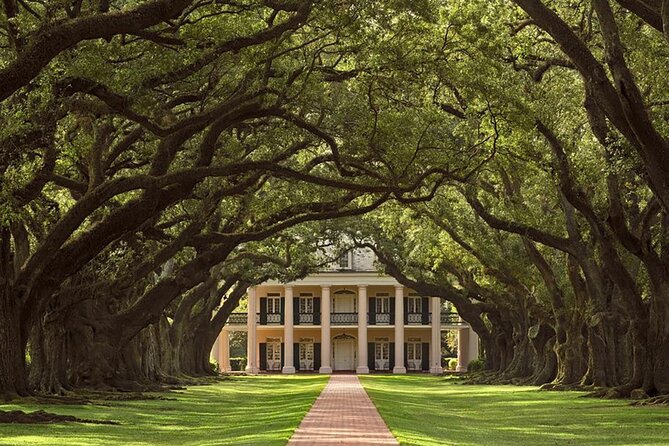
- Oak Alley Plantation: Why the 28 Oak Trees Matter So Much
- Inside the house: photo reality check
- Food and breaks on plantation time
- Destrehan Plantation at 1pm: Indigo and Sugarcane Days
- Manchac Swamp by Cajun Pride: Close Wildlife, Quiet Water, Real Marsh Time
- The private refuge advantage
- What you should expect to see
- Snacks and a quick comfort break
- Guide Energy and the Small Details That Make the Day Work
- Price and Value: What $131 Buys You (and What It Doesn’t)
- Timing, Comfort, and What to Pack for a Smooth Day
- Who This Tour Fits Best
- Should You Book This Oak Alley or Destrehan + Swamp Tour?
Key Points Worth Filing Away
- Two plantation options depending on departure time: Oak Alley in the morning, Destrehan at 1pm
- Private swamp ride style: a privately owned refuge means fewer distractions on the water
- Wildlife is the main event: alligators, raccoons, snakes, egrets, and giant nutria are part of the tour talk
- Photography rules inside the house: flash/video aren’t allowed indoors, so aim for exterior and grounds
- Small-ish group size: a max of 28 travelers keeps the day feeling manageable
From French Quarter to Bayou: The Rhythm of This Full-Day Combo
This tour works because it doesn’t try to squeeze everything into the city. You start in the French Quarter area, then you get a coach ride that moves you out into the real “inland” Louisiana story—wetlands, plantation land, and the Mississippi’s big geographic influence.
What I like about that pacing is that each stop has its own job. The plantation part gives you context for how people lived and worked in the antebellum era. Then the swamp part shifts you to ecology: how these marsh systems function, why wildlife moves the way it does, and how local guides read the water like a map.
It’s also a good length. At about 7 hours 45 minutes, you’re away from New Orleans long enough to feel like you left, but not so long that you lose the whole day. If you’re the type who likes seeing history and nature on the same trip, this format is one of the best values you can pick.
You can also read our reviews of more tours and experiences in New Orleans.



Gray Line Pickup at 400 Toulouse and the Coach Ride You’ll Actually Enjoy
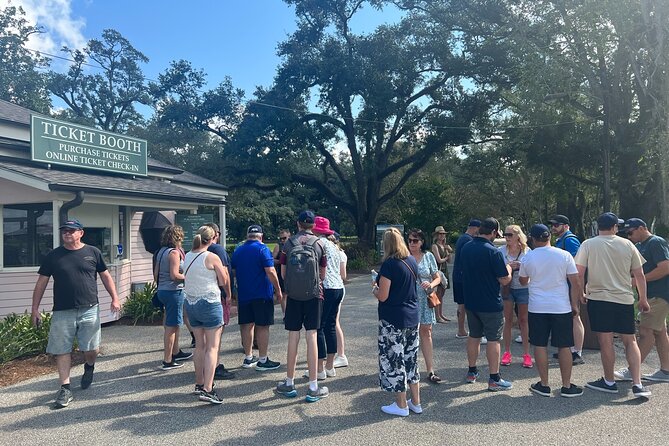
Meet at Gray Line New Orleans at 400 Toulouse Street (near the Steamboat Natchez dock area). This matters because it’s easy to plan around, and the tour notes ask you to walk to the departure point if you can—mainly to reduce traffic in the French Quarter.
Once you board, you’ll ride in an air-conditioned coach. Then you head toward the North Shore direction, with the day’s scenery including the Lake Pontchartrain shoreline as you travel. Even if you don’t care about views, this coach segment has a practical benefit: it buys you comfort and time so you arrive at the plantation ready to focus.
One more thing I appreciate: the trip is designed for a guided experience where you don’t have to keep checking directions. You get commentary during the day, and that’s especially helpful if you’re not a “I’ll read museum signs all day” type.
Oak Alley Plantation: Why the 28 Oak Trees Matter So Much
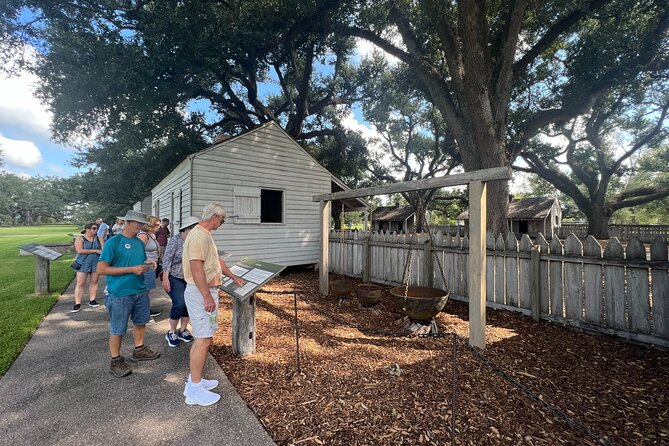
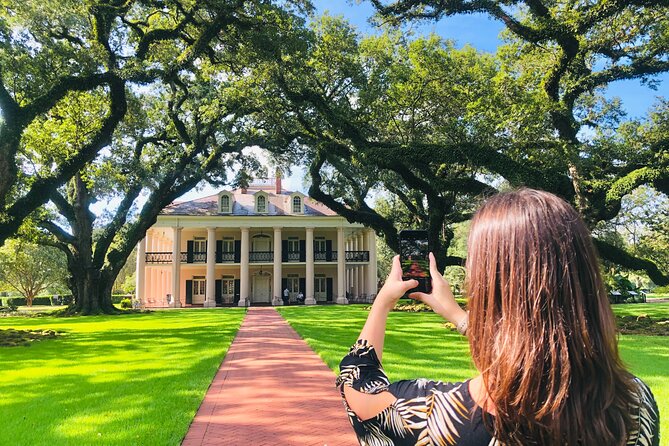
If you book the 9am or 11am departure, you visit Oak Alley Plantation. Expect a guided tour of the plantation home plus time to wander the grounds on your own. Depending on the day’s flow, plan for about two hours on-site with both structured and self-guided moments.
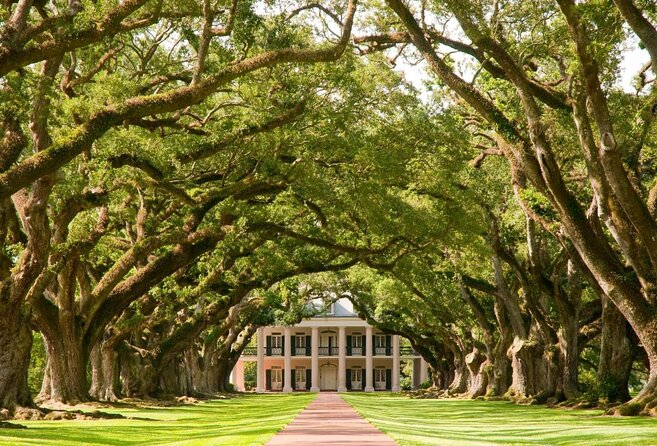
The big visual hook is the alley of oaks—28 magnificent oak trees—which is what most people come to photograph. But the guide’s commentary turns the scene into more than just a picture. You’ll learn how the space was arranged and used, and you’ll hear stories that connect daily life, the property, and the larger plantation system.
Inside the house: photo reality check
You can take photos for the most part, but flash and/or video aren’t allowed inside the house. You may also find that you’re primarily collecting images outside—yard views, the oak alley, and architectural details—rather than filming the interiors.
If you’re hoping to shoot lots of interior photos, adjust your expectations up front. Save your time for the exterior views and the guided beats where the house comes alive with context.
Food and breaks on plantation time
There’s a snack bar on site, and you’ll also see the opportunity to grab a Mint Julep. Since food is not included, it’s smart to decide early whether you want a quick refreshment or a more substantial snack. The tour lets you treat the plantation stop like a proper pause instead of just a quick stop-and-go.




Destrehan Plantation at 1pm: Indigo and Sugarcane Days
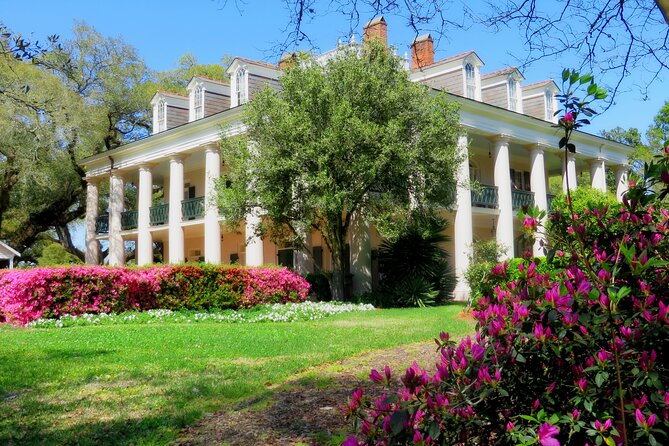
Choose the 1pm departure and you’ll visit Destrehan Plantation instead of Oak Alley. It’s a different style of plantation story: Destrehan was once a major producer of indigo and sugarcane.
That crop detail matters because it shifts what you’re listening for. At Destrehan, you’re more likely to connect the property to production and labor patterns tied to those industries. If you like when history connects to the land itself—how crops shaped routines—this option can feel more grounded than a purely aesthetic tour.
You’ll still get a plantation experience that blends guided explanation with time to explore the grounds. The key practical difference is simply which plantation lens you get for your day.
Manchac Swamp by Cajun Pride: Close Wildlife, Quiet Water, Real Marsh Time
After the plantation, you’ll return by coach toward Lake Pontchartrain and then head to Manchac Swamp. Here’s where the tour really changes gears.
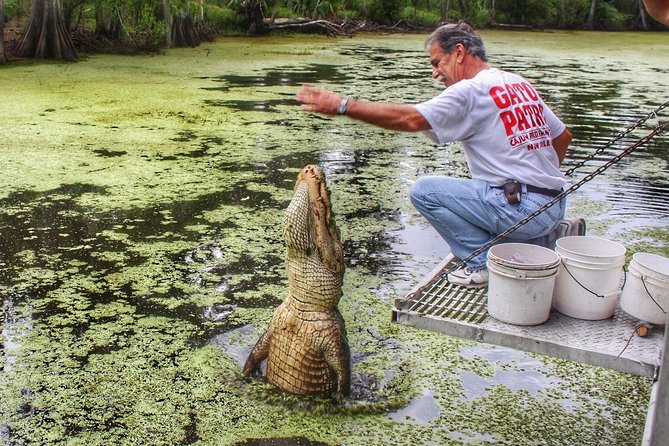
At Cajun Pride Swamp Tours, you board an open-sided, covered boat. The boat is built for the wetlands and is custom-built, designed to be safe for the fragile ecosystem. The ride is about 2 hours of time on the water, with guided commentary focused on both wildlife and the swamp’s environmental story.
The private refuge advantage
This swamp tour is a big deal for two reasons:
- It’s a privately owned wildlife refuge
- It’s set up so you won’t encounter other boats, meaning the experience stays calmer and easier to follow
If you’re the kind of person who gets distracted by noise, engines, and crowds, this is exactly what you want in a swamp setting. The guides talk, the captain steers, and the marsh does its thing.
What you should expect to see
You’re looking for wildlife. The tour description calls out alligators, egrets, raccoons, snakes, and giant nutria. In recent experiences, people have reported seeing a mix of alligators and other animals such as raccoons and wild hogs, plus birds and turtles depending on the time of year.
Here’s the honest travel note: wildlife sightings can’t be guaranteed. In cooler months, you may see fewer gators than you hoped, while other animals stay more active. Treat the swamp as a nature show where you’re watching patterns—not collecting promised sightings.
Snacks and a quick comfort break
There’s an open-air pavilion where you can enjoy a beverage and snack. Since food isn’t included in the price, having this option matters. It also gives you a moment to warm up or cool down between the ride segments.
Guide Energy and the Small Details That Make the Day Work
This tour lives or dies on the human pieces: the coach guide, the plantation docent, and the swamp captain. Names you may run into include bus guide Dionne and plantation guide Kimberly, with swamp captains such as Justin, Dustin, and Tom showing up on different departures.
I can’t promise you’ll get the same lineup, but here’s what you can look for while choosing your seat and listening style:
- On the coach, good guides connect New Orleans to the marsh system, rather than just listing stops.
- At the plantation, the best docents help you understand what you’re seeing (especially how the grounds connect to the daily rhythm of the operation).
- On the boat, a great captain calls animals out in real time and keeps your eyes scanning without turning the ride into a lecture.
Also watch for the timing feel of the day. Some schedules can have longer gaps than others between segments. If you hate waiting, keep a little patience ready and focus on being present for each stop. The day’s structure is designed for full storytelling, and the swamp is where you want that attention most.
Price and Value: What $131 Buys You (and What It Doesn’t)
At $131 per person for about 7 hours 45 minutes, this is not a “quick add-on.” You’re paying for transportation, a guided plantation visit, and the swamp boat ride, all in one package.
The value shows up in three practical areas:
- Round-trip transportation from the French Quarter area
- Admission included for the plantation and the swamp tour
- A boat experience with local commentary and a private-refuge setup
What you don’t get: food and drink aren’t included. You’ll likely buy a snack at the plantation café and/or grab something at the swamp’s pavilion. That’s normal for day tours, but it’s worth budgeting so you’re not stuck deciding on the fly.
Given the mix of history + nature, plus the included guided portions, this price often makes sense if it saves you from piecing together two separate outings.
Timing, Comfort, and What to Pack for a Smooth Day
This is a full-day ride, and comfort counts.
- Wear casual, comfortable clothes and comfortable shoes (the tour specifically calls this out).
- Skip tank tops, cut-offs, and very short shorts. It’s not about being fancy; it’s about practicality and comfort for long hours and outdoor walking.
- Bring a camera, but remember the house rules: flash and video aren’t allowed inside the house. Plan to shoot the oak alley, grounds, and exterior details.
Since the swamp boat is open-sided (but covered), you’ll want something that works if the weather shifts. The tour runs only in good weather, so check the forecast around departure. If the weather is poor, the experience may be rescheduled or refunded.
Who This Tour Fits Best
This combo tour is ideal if you want one day that covers:
- antebellum plantation context (Oak Alley or Destrehan)
- wetlands ecology and wildlife spotting
- a guided format where someone else handles the driving
It can also work well for mixed interests—history lovers get plantation time, and nature lovers get the swamp. Families often find the swamp ride exciting because you’re close to wildlife in a controlled, safe setting, even if the plantation experience may feel more serious and less “hands-on” for younger kids.
If you’re a solo traveler, the coach ride and tight structure can be comforting: you’re not trying to manage logistics in a vehicle you rented. If you’re with friends or a couple, it’s a good shared day out of the city with enough variety to avoid boredom.
Should You Book This Oak Alley or Destrehan + Swamp Tour?
If you like history and you also want a nature break, I think you should book it—especially because it’s one ticket that combines a plantation tour with a private swamp boat ride. The guided format is a big part of the appeal, and the swamp’s setup makes wildlife-spotting more enjoyable than crowded alternatives.
I’d hesitate only if you’re very photo-focused on interior house shots. Since flash/video aren’t allowed indoors, your best photos will likely be outside and in the grounds. Also, if you’re visiting during a time when wildlife activity is lower, treat the gator sightings as a bonus, not a guarantee.
In short: this is a strong value day trip from New Orleans when you want two honest Louisiana worlds—plantation land and bayou water—without having to coordinate them yourself.