REVIEW · CHARLESTON
2-Hour Guided Kayak Eco Tour in Charleston
Book on Viator →Operated by Charleston Outdoor Adventures · Bookable on Viator
The marsh shows up close. A guided paddle through Charleston’s tidal marshes turns a “nice boat ride” into a real wildlife search, led by someone who knows where dolphins, turtles, and birds tend to show. With a local guide setting the route, you also get the calm, scenic Lowcountry view you came for, without guessing at every turn.
I like two things most. First, I love how the trip starts with a clear safety briefing and a quick lesson on the foot-driven steering so you feel in control fast. Second, you get the benefit of a small-group outing capped at 12 people, which keeps the pace steady and makes questions easy.
One possible drawback: wind can change the feel of the paddle. If it’s gusty, you may spend a bit more time listening and adjusting, and less time just charging forward with long strokes.
In This Review
- Key Things That Make This Kayak Eco Tour Work
- Bowens Island Launch: Your Quiet Entry Into Charleston’s Marsh World
- Safety Briefing and Foot-Driven Steering: The Lesson That Saves the Trip
- The 2-Hour Route: Charleston’s Tidal Creeks Behind Folly Beach
- What You Can See: Dolphins, Sea Turtles, Birds, and Even More
- Pacing, Wind, and Why This Is Relaxed by Design
- What to Bring and Wear: Oyster Shells, Sun, and Wet Feet
- Which Type of Tripper Should Book This
- Should You Book This 2-Hour Guided Kayak Eco Tour in Charleston?
- FAQ
- Do I get my own kayak during the 2-Hour Guided Kayaking Eco Tour in Charleston?
- What should I bring with me for the tour?
- What should I wear during the kayaking eco tour?
- Where do I meet for the tour?
- Do I need to know how to swim to participate?
- Will the tour run in rain?
- How many people are on the tour?
Key Things That Make This Kayak Eco Tour Work
- Bowens Island base with a no-wake zone so the marsh section feels quieter and more kayak-friendly right near launch
- Foot-driven kayak steering taught on land so beginners aren’t white-knuckling the first few minutes
- A route that responds to tides and wind instead of marching the same plan every day
- Wet-ready gear included, including PFDs and a dry bag for your phone or small items
- Wildlife spotting is guided, not random, with tips on what to look for in shallow water
- Real Lowcountry ecology talk, with explanations tied directly to what you’re seeing
Bowens Island Launch: Your Quiet Entry Into Charleston’s Marsh World
Most Charleston kayaking starts with city energy. This one starts by getting you out of the traffic mindset and into the marsh rhythm. You meet at 1871 Bowens Island Rd, Charleston, SC 29412, then you launch from the Bowens Island area at Charleston Outdoor Adventures.
The feel here matters. Bowens Island is described as a quieter pocket of the Lowcountry, and there’s even mention of a no-wake zone near the launch to reduce wake and keep the paddling experience steadier. That means less chop right at the start, which helps everyone—especially first-timers—settle into the water.
You’ll get a practical setup too. Parking is available onsite, and the meeting place is near public transportation, so you’re not stuck hunting for a complicated route just to arrive. Arrive about 15 minutes early, because the trip includes a short instruction session before you go.
If you’re wondering about the “how hard is it to get to the water” question, this setup is friendly. It’s close enough to make a two-hour tour feel actually convenient, not like half your day is spent on logistics.
You can also read our reviews of more tours and experiences in Charleston.



Safety Briefing and Foot-Driven Steering: The Lesson That Saves the Trip
The best kayaking tours don’t just say “stay close.” They teach you how the boat behaves. Before you head out, you get a brief instructional session and a safety discussion. This is where you learn how to use the kayak’s foot-driven steering system—the kind of detail that makes your first minutes on the water go from wobbly to confident.
You also learn what your guide expects from the group so you can stay safe in tidal creeks and saltmarsh areas. That includes basics like how to manage your position, how to follow the route, and how to respond when the guide adjusts pace or direction due to conditions.
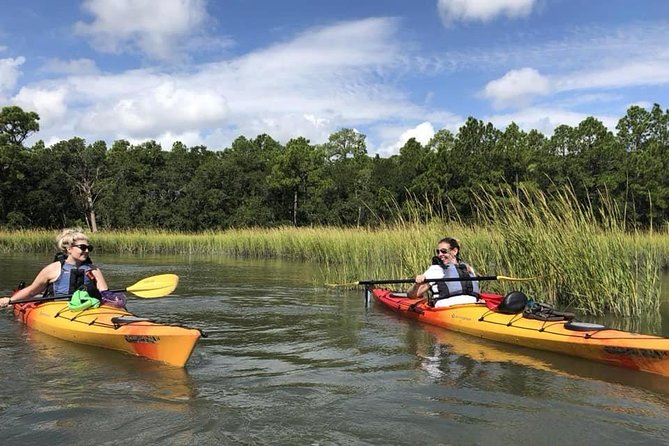
Gear is part of this too. You’re provided with a kayak, paddles, and a personal floatation device (PFD). There’s also a dry bag included so your phone and valuables don’t turn into marsh souvenirs. PFD + dry bag sounds basic, but it’s huge for peace of mind. It lets you focus on spotting birds and watching the water move, instead of worrying about protecting gear.
One thing I’d repeat from what you’re told to bring and wear: don’t show up in shoes you mind getting wrecked. The tour explicitly recommends footwear that can get wet. And based on what people warned about afterward, sturdy water shoes or sandals help because oyster shells can be sharp.
The 2-Hour Route: Charleston’s Tidal Creeks Behind Folly Beach
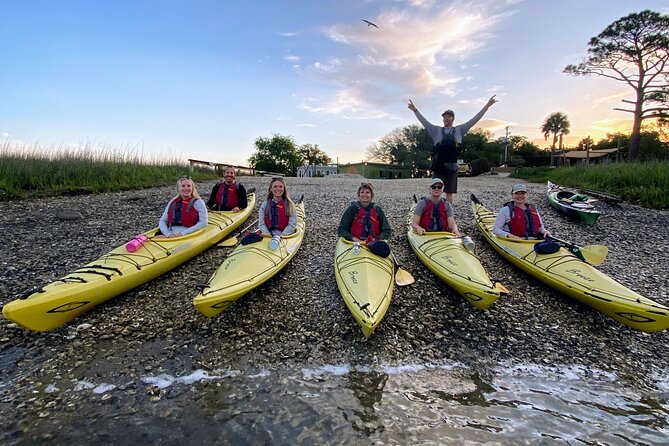
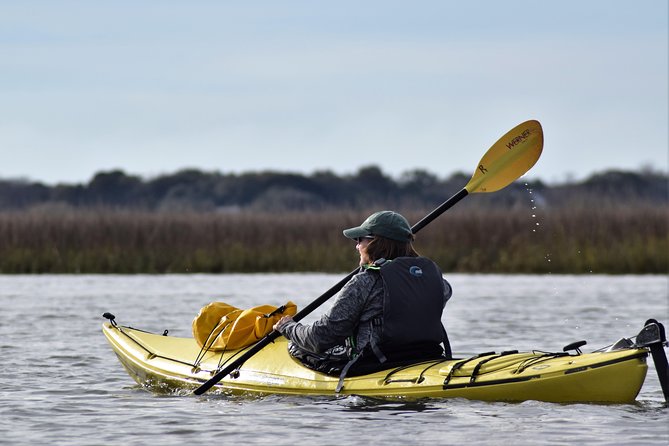
After the launch and instruction, your 2-hour guided eco-tour is built around Charleston’s tidal creeks and saltmarsh. The route is described as exploring estuarine waters behind Folly Beach, which is a great choice for wildlife spotting because the habitat mix supports both shallow feeding and movement between channels.
Here’s what typically happens during the paddle:
- You head out in a guided group while the guide shares how the marsh works.
- You pause and look when the water and shoreline look right for wildlife activity.
- You keep moving through the creeks so you don’t just drift in one spot.
Time on the water is the point, but the guide also explains ecosystems as you go. You’ll hear about how marsh areas function and why they matter to the animals you’re trying to see.
The “behind Folly Beach” part is also scenic. Saltmarsh edges, shallow flats, and tidal movement create that Lowcountry look that photos don’t fully capture. A big plus: you’re not paddling blind. Your guide is actively choosing where to go based on water conditions, which is exactly what makes a guided tour worth paying for in wildlife country.
One heads-up on expectations: the route can shift with tides and winds. That’s not a flaw. It’s how you get a better and safer experience in real marsh conditions instead of forcing a plan that only works in calm weather.
What You Can See: Dolphins, Sea Turtles, Birds, and Even More
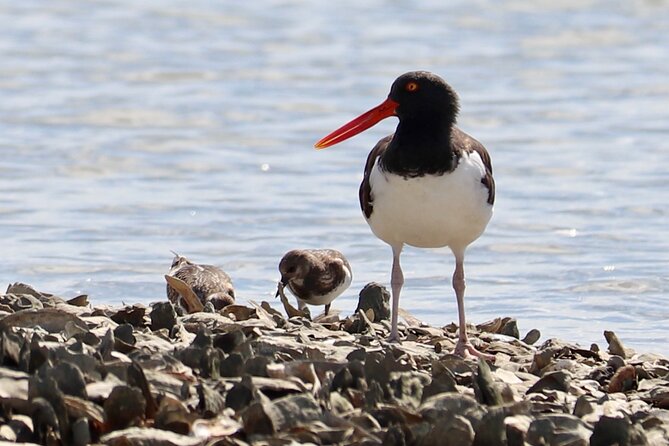
Wildlife spotting here isn’t guaranteed, but it’s built on real habitat. The tour includes opportunities to look for:
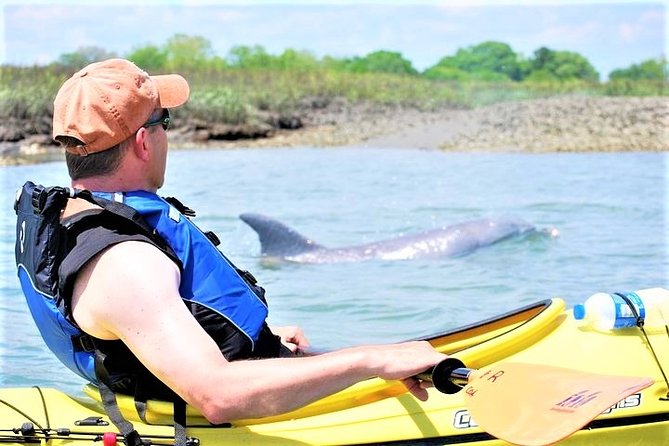
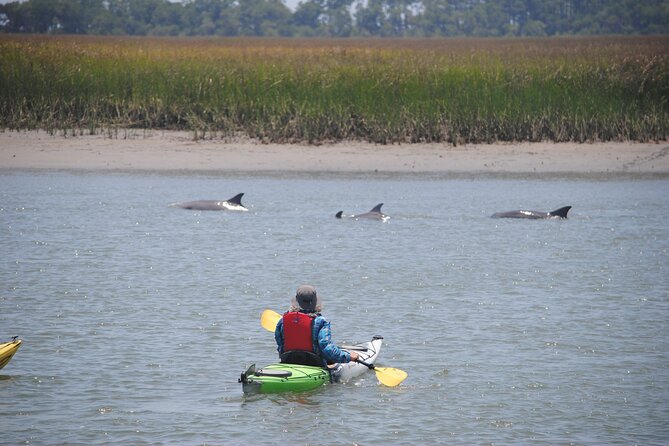
- Atlantic bottlenose dolphins
- Loggerhead sea turtles
- Waterfowl and wading birds
- Crabs and other invertebrates on mudflats
- Pelicans (often active when fish and movement are present)
People also described seeing egrets and herons, plus an osprey on a nest. One memorable add-on mentioned was dolphins appearing early in the trip, and another described a sunset return that made the whole marsh feel like a different show.
There’s also a fun Lowcountry detail that shows up in the experience: pluff mud. The marsh isn’t just scenery. It has texture and behavior, and guides can point it out as something animals rely on and people have lived with for generations. In at least one case, the guide made it interactive, which tells you how much the staff likes turning facts into something you can actually notice.
Practical wildlife tip for you: keep your eyes level and scan the edges of channels and shallow shallows. Marsh animals often appear where water meets mud, not out in the deep open. A good guide will help you do this, and you’ll feel less like you’re searching in the dark.
Pacing, Wind, and Why This Is Relaxed by Design
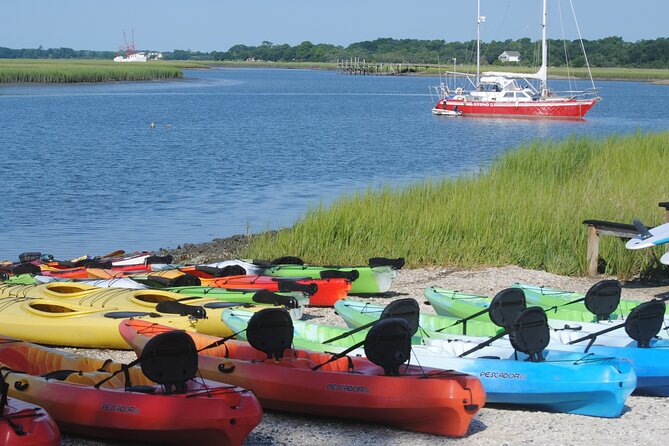
This is a guided paddle with a slow-to-moderate rhythm. The goal is for everyone to see the marsh, hear the ecology, and still enjoy the ride. You’re out there long enough to settle in, not just “out for a photo and back.”
Small group size helps. With a maximum of 12 travelers, your guide can keep track of the group without feeling like a bus driver. People noted that the guides set a good pace, even for those who only kayak a handful of times. One comment also highlighted that a guide timed the trip well for a pair of less-experienced paddlers, so nobody felt constantly behind.
That said, weather can shift how the paddle feels. If it’s windy, kayaking takes more effort just to keep direction. In that situation, you might hear more from the guide while adjusting course or regrouping. One person specifically said the day had more talking than paddling, which lines up with how guides often balance active strokes with safety when conditions change.
So if you’re the type who wants nonstop hard paddling, pick a calmer day if you can. If you want a laid-back outing where you learn and watch wildlife, the relaxed pace is part of the value.






What to Bring and Wear: Oyster Shells, Sun, and Wet Feet
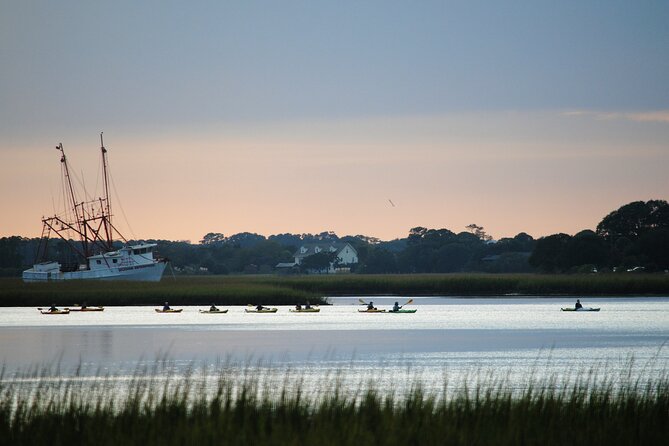
Charleston’s marsh doesn’t care if you forgot sunscreen. The tour is a water activity, so you’ll want to prep like you’re heading to a warm, sunny, slightly salty outdoor classroom.
Bring:
- Water (you’ll thank yourself later)
- Sunscreen and sunglasses
- A hat
- A camera if you want to capture dolphins and birds
- Clothes or swimwear that can get wet
Wear:
- Shoes that can get wet (water shoes are ideal)
- Light layers that match the weather
One practical warning stood out in the feedback: oyster shells can be sharp, so skip flimsy flip-flops unless they’re truly sturdy. People recommended beefy sandals or water shoes because shell edges hide in the shallows.
Material choice matters too. The tour guidance recommends synthetic materials and notes that you should avoid cotton or jeans. In humid Lowcountry weather, cotton can stay damp, chill you, and feel uncomfortable for the whole paddle.
Also, dress for the weather and remember afternoon rain is common in the Lowcountry. You’ll go out rain or shine, so pack rain gear if showers are in the forecast.
Which Type of Tripper Should Book This
This tour fits best if you want:
- wildlife watching with real explanations tied to what you see
- a beginner-friendly guided route
- a short, satisfying outing that doesn’t steal the whole day
It’s also family-friendly in a specific way. If you’re traveling with kids under 13, they must ride in a tandem kayak with an adult. You’ll want to contact the operator to arrange the tandem kayak if needed.
Beginners tend to do well because the steering lesson happens before you’re out in the marsh. One person said they had never kayaked before and had no problem. Another praised how staff helped them navigate safely. That’s the “guided value” piece: you’re not just paying for a route; you’re paying for early confidence.
Experienced kayakers can still enjoy it, especially for the scenery and wildlife. Just remember it’s a group experience, and the guide may adjust pace so everyone stays together while spotting animals.
Should You Book This 2-Hour Guided Kayak Eco Tour in Charleston?
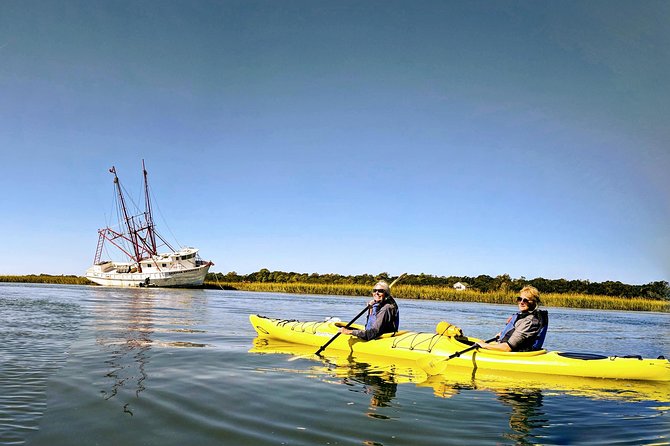
If you’re a wildlife lover, I think this is an easy yes. A two-hour guided kayak in Charleston’s tidal marshes is one of those activities that makes the Lowcountry feel real fast. The included gear, the dry bag, and the small-group size are exactly what you want for an enjoyable day on the water.
I’d especially book it if:
- you want dolphins, sea turtles, and birds without guessing where to look
- you’re new to kayaking and want instruction on the steering system
- you like learning about ecosystems while you’re actually outside watching them
I’d hesitate only if:
- you expect nonstop paddling with minimal talking, and you get cranky with wind
- you’re looking for a purely athletic workout with lots of distance and speed
Bottom line: if your ideal Charleston day is marsh views, wildlife odds, and a guide who helps you see what you’d miss, this tour is a strong match.
FAQ
Do I get my own kayak during the 2-Hour Guided Kayaking Eco Tour in Charleston?
You may choose between a single or tandem kayak. Participants 12 years old and under must ride in a tandem kayak with an adult, and you should contact the operator to arrange a tandem kayak.
What should I bring with me for the tour?
Bring water, sunscreen, sunglasses, a hat, and a camera if you want photos. You should also bring shoes that can get wet.
What should I wear during the kayaking eco tour?
Wear clothes or a bathing suit that can get wet, and synthetic material is recommended (avoid cotton or jeans). Use water shoes, sandals, or tennis shoes that can get wet.
Where do I meet for the tour?
The tour starts at 1871 Bowens Island Rd, Charleston, SC 29412, USA. It ends back at the meeting point.
Do I need to know how to swim to participate?
No. You do not need to know how to swim, but you are required to wear a personal floatation device and the tour provides PFDs.
Will the tour run in rain?
Yes, the tour goes rain or shine. Afternoon rain is common in the Lowcountry, so bring rain gear.
How many people are on the tour?
This tour has a maximum of 12 travelers, so it stays a small-group experience.