REVIEW · CHARLESTON
Highlights of Charleston Guided Walking Tour
Book on Viator →Operated by Oyster Point Historic Tours · Bookable on Viator
Charleston hits different when someone points things out. This guided walk helps you get your bearings fast and learn the backstory behind the streets, churches, and squares you’ll pass anyway. I like that the route is tight and focused, yet still feels like a real education, not a drive-by photo stop.
Two big wins for me: you’ll see the must-sees like Rainbow Row, and you’ll also get context at places that are easy to overlook on your own. One consideration: the tour is almost entirely outdoors, so you’ll want to show up ready for sun and weather, and plan your pace because it’s a real walking experience.
In This Review
- Key takeaways before you go
- Why this Charleston walking tour works (even if you only have 2 hours)
- The walk starts where Charleston’s story feels closest: Bay Street to South of Broad
- St. Philip’s Church: the longest-meeting congregation in Charleston
- French Huguenot Church: the only church of its denomination in North America
- Pink House Gallery: the oldest private residence in Charleston
- The Old Slave Mart Museum: where you learn the local history you might miss
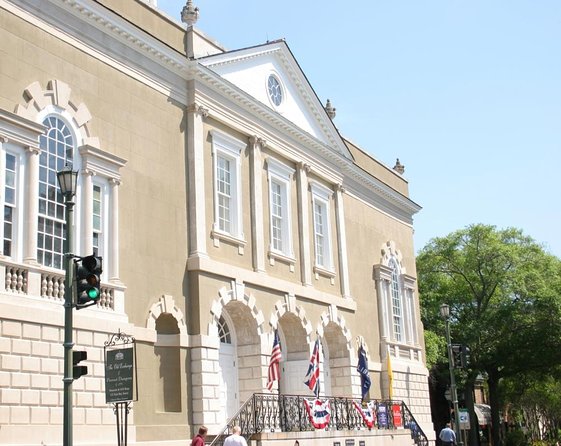
- Old Exchange & Provost Dungeon: the economic heart, plus the prison reality
- Rainbow Row: the most photographed view, explained beyond the postcard
- Guide quality is the real product: small group + strong storytelling
- What’s included, what isn’t, and how that affects your planning
- Logistics that make your day smoother (sun, water, and pacing)
- Who this tour suits best
- Should you book this Charleston guided walking tour?
- FAQ
- Are there restrooms along the route?
- What should I bring with me?
- Where should I park my car?
- Are pets permitted on the tour?
- Is the tour appropriate for children?
- What happens if there is bad weather?
Key takeaways before you go
- A small group (max 20) keeps the vibe personal and the questions easy
- A guide-led story connects landmarks like St. Philip’s Church and the Old Exchange to the bigger Charleston picture
- Rainbow Row is the quick payoff at the end—classic, photogenic, and explained
- You’ll face the hard parts at the Old Slave Mart Museum and the Old Exchange & Provost Dungeon
- Most stops are view-only and free, but two key museums require separate entry
Why this Charleston walking tour works (even if you only have 2 hours)
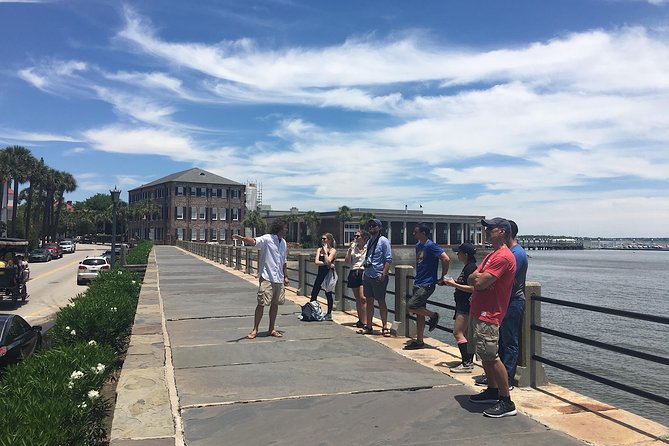
If Charleston is your kind of place, you already know the buildings are gorgeous. The trick is knowing what you’re looking at. This tour is built for that exact problem: you get a guided pass through the French Quarter and South of Broad with just enough movement to feel like you’ve covered ground, without sprinting past details.
I also like the balance of stops. You get the eye-candy moments (hello, Rainbow Row), but you also slow down at sites that explain how Charleston worked—socially, economically, and politically. That combination is what turns a pretty neighborhood walk into something that sticks.
One more practical thing: the tour is short enough that you can still enjoy the rest of your day. After two hours, you’re not exhausted, and you’re not left thinking, Okay, I saw stuff, but what does it mean?
You can also read our reviews of more tours and experiences in Charleston.


The walk starts where Charleston’s story feels closest: Bay Street to South of Broad
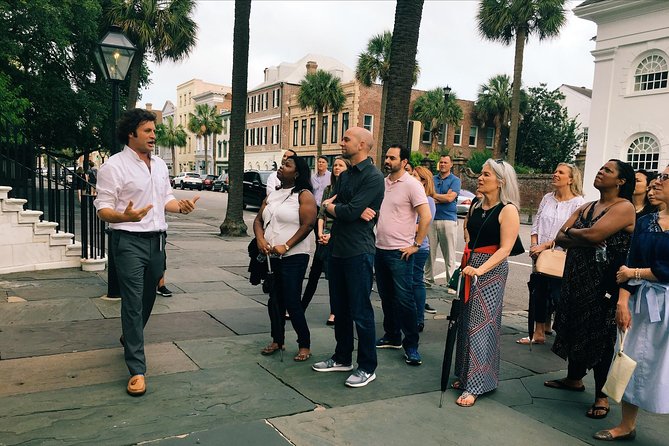
You begin at 200 E Bay St and end at 71 Broad St (near the Meeting Street and Broad Street intersection, depending on group pace). That end point matters. Broad Street is where you can easily keep exploring afterward—whether you’re aiming for dinner, more history, or just a slower wander.
The route is designed for comfortable sightseeing over about 2 hours. You’ll want moderate physical fitness, since it’s a walking tour and it’s almost entirely outside. Also, don’t count on restrooms along the way. The guidance is clear: use a restroom before you go, because access isn’t guaranteed on the route.
St. Philip’s Church: the longest-meeting congregation in Charleston
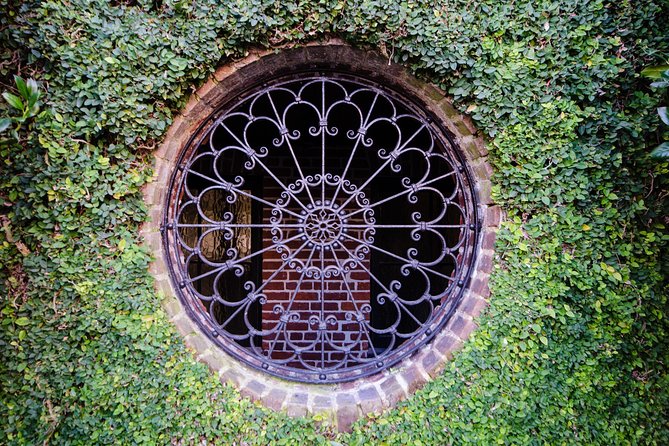
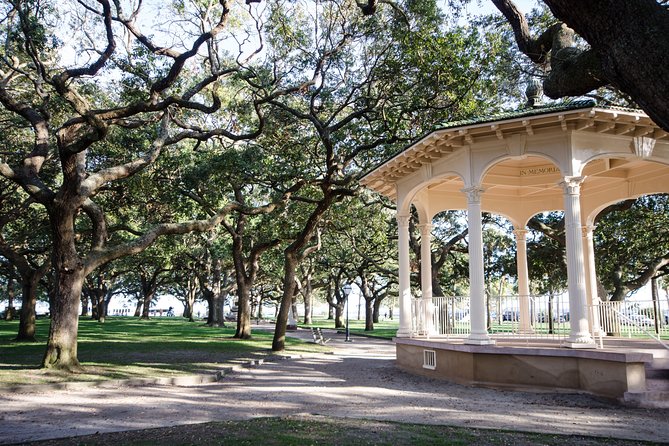
First stop: St. Philip’s Church. From the outside, it’s already a strong Charleston landmark—steeped in tradition and built for people who show up year after year. The big reason this stop works on a walking tour is context. A guide helps you understand why congregations like this became steady anchors in the city over time, not just pretty scenery you photograph and move on from.
This is one of those “quick glance, big understanding” moments. It’s only about 10 minutes here, but it sets the tone for how you should pay attention the rest of the walk: look for what endurance means in Charleston’s architecture and institutions.
French Huguenot Church: the only church of its denomination in North America
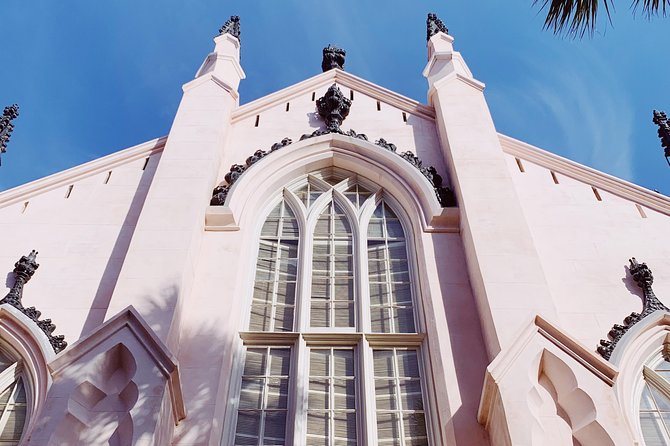
Next is the French Huguenot Church, and it’s a stop that sharpens your sense of Charleston as a port city shaped by immigration and belief. You’re not just seeing another church. You’re seeing a rare, specific story—this is described as the only church of its denomination in North America.
Why I like including a stop like this early: it reminds you that Charleston didn’t grow in a vacuum. The city’s character came from waves of people, language, and faith communities that left marks you can still spot today.
Tip for you: take a moment at the sidewalk edge to look in the direction your guide points out. These places often make more sense when you understand the surroundings, not just the building front.
Pink House Gallery: the oldest private residence in Charleston
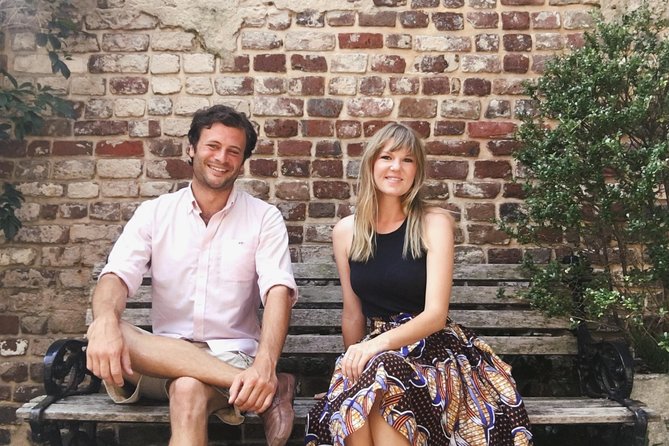
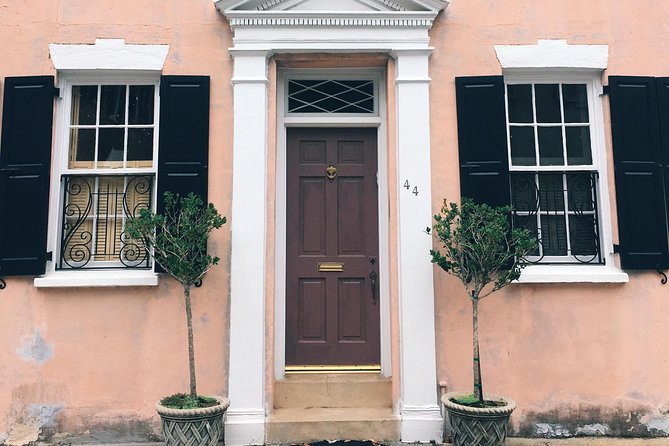
Then comes the Pink House Gallery, known as the oldest private residence in Charleston. This is a fun switch in tone from churches and institutions to a home-based piece of history. It helps you see Charleston not only as a stage for public events, but as a place where private lives shaped the city too.
One of the smartest parts of tours like this is how they keep rebalancing what you’re thinking about. You go from faith and civic endurance to the long arc of domestic life. That makes the next stops hit harder, because the guide can connect private power and public decisions.





The Old Slave Mart Museum: where you learn the local history you might miss
Now we move to something heavier: the Old Slave Mart Museum. This is highlighted as the only museum dedicated to the history of the enslaved in Charleston. Admission is not included, so you should expect to pay separately if you want to go inside.
Even if you only have limited time, I think this stop is the moral center of the tour. Charleston’s beauty can distract you. This museum pulls you back to the facts of how the city’s wealth and social systems were built.
Practical note: because this part may be emotionally intense, pace yourself. If you’re traveling with family or anyone who prefers a lighter itinerary, plan ahead for how you’ll handle this stop. You’re not just sightseeing. You’re learning.
Old Exchange & Provost Dungeon: the economic heart, plus the prison reality
After that, you’ll head to the Old Exchange & Provost Dungeon, described as the pre-Revolutionary heart of economic Charleston. Like the museum stop, entry here isn’t included, so you’ll likely have a choice of whether to pay for the full experience.
The reason this location matters is the contrast. Economic power often runs right alongside punishment systems. A guide can help you connect the dots—how trade, government, and control shaped daily life long before the United States felt like it does now.
If you’re the type who likes to understand systems, this is your payoff stop. If you’re more of a picture-first visitor, go anyway, but know it won’t be purely decorative. It’s history with sharp edges.
Rainbow Row: the most photographed view, explained beyond the postcard
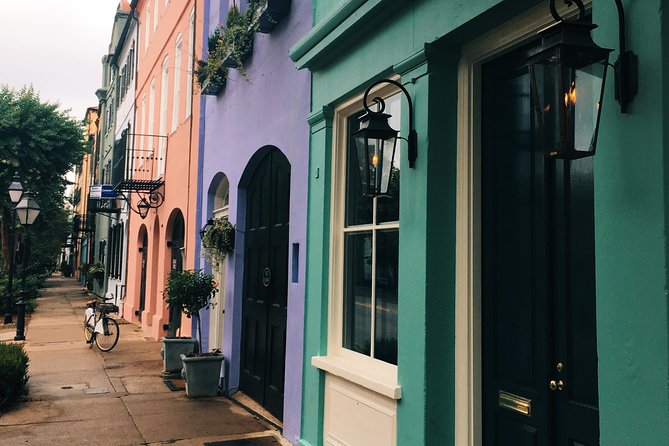
Finally, you reach Rainbow Row, described as the most photographed sight in Charleston. Yes, the buildings are colorful and made for photos. But the real value here is what your guide likely helps you notice: how these facades relate to the broader story you heard earlier—who lived here, what the neighborhood represented, and why this view became iconic.
This is also your easiest moment to enjoy the city on your terms. After heavier stops, Rainbow Row gives your brain a breather. It’s a chance to slow down, take pictures, and just watch the street life around you.
For you: if you want the best photos, give yourself time. Ten minutes is enough to get a couple of shots, but not enough to treat it like a photo shoot. Come ready to decide quickly.
Guide quality is the real product: small group + strong storytelling
This tour earns its reputation because the guide matters. The pattern you’ll see in feedback names local historian types, especially Bill and Bill Harris, with Vanna also getting mentioned. The common thread is delivery: confident, funny when it fits, and careful with how the story is told.
What you’ll likely feel on the walk is a sense of authority without being stiff. The best part isn’t just dates and facts. It’s how the guide connects religion, economics, and daily life so the city stops feeling like a list of stops and starts feeling like one coherent place.
Also, because the group cap is 20 travelers, you get a better shot at a conversation than you do on big bus-style tours. If you like asking why things happened, that matters.
What’s included, what isn’t, and how that affects your planning
Included is straightforward: you get a tour guide. Most of the specific viewpoints along the route are view-based, and several are listed as free admissions for simply seeing the place.
Two stops are the ones you’ll plan for separately: Old Slave Mart Museum and Old Exchange & Provost Dungeon. If you’re deciding whether to buy entry at those, think about your priorities. If you want the full context, budget time and money for both. If you’re only after the streets-and-views portion, you can still benefit from the walk, but you’ll lose some of the deeper inside-the-walls learning.
Either way, this structure creates good value. You’re paying for a guided route through major sites, not just being herded between ticketed locations.
Logistics that make your day smoother (sun, water, and pacing)
This is the kind of tour where small prep choices make a big difference. The route is almost entirely outdoors, so bring sun protection—sunscreen, hat, sunglasses, or a parasol—and consider rain gear if the forecast is iffy.
Also, bring bottled water. The tour notes are direct: water isn’t always available for purchase along the route. That’s not picky advice. It’s the difference between enjoying the walk and feeling cranky halfway through.
Arrive early. Check in at 200 E Bay St about 5–10 minutes prior. Late arrivals can’t be held, so don’t treat the meeting point like a suggestion. If you’re coming from another part of Charleston, give yourself extra time.
Parking: if you drive, the tour recommends city garages at 1 Cumberland Street or 89 Cumberland Street, both about a 5-minute walk from the meeting location. There may be parking fees.
Who this tour suits best
You’ll probably love this if:
- you want a fast orientation to Charleston’s key neighborhoods
- you enjoy a guide who explains the why behind what you’re seeing
- you’re comfortable mixing picture stops with heavier subject matter
- you like small groups and a conversational pace
It may be less ideal if you want a purely casual stroll with minimal standing still and minimal talking. Most of the value here is the guide’s storytelling, so you should be ready to listen.
Should you book this Charleston guided walking tour?
Yes, if you want your Charleston day to feel meaningful. In two hours, you’ll cover major landmarks across the French Quarter and South of Broad, including St. Philip’s Church, the French Huguenot Church, the Pink House Gallery, and iconic stops like Rainbow Row—with context that helps you see how the city fits together.
Book it especially if you care about getting the story right, not just taking photos. The two ticketed interior sites—the Old Slave Mart Museum and the Old Exchange & Provost Dungeon—are often the kind of places that change how you understand Charleston.
Just go prepared for the outdoors and the history topics. If that’s your style, this is an efficient, high-impact way to start (or refresh) your Charleston exploration.
FAQ
Are there restrooms along the route?
Restrooms are not always accessible on the route, so it’s best to use the restroom before the tour.
What should I bring with me?
Bring sun protection such as sunscreen, a hat, and sunglasses. Also bring rain gear if rain is expected and comfortable walking shoes. The tour also strongly recommends bottled water.
Where should I park my car?
The recommended parking options are city garages at 1 Cumberland Street or 89 Cumberland Street, each about a 5-minute walk from the meeting location. Parking fees may apply.
Are pets permitted on the tour?
Pets are not allowed unless the dog is a registered service animal.
Is the tour appropriate for children?
The tour is designed for adults, but children and young adults have taken and enjoyed it. If you plan to bring a stroller, notify the provider.
What happens if there is bad weather?
In rain, tours typically run as usual. The provider can cancel in dangerous or disruptive weather like lightning, flooding, or high winds. If canceled, you’ll be offered a different date or a full refund.