
REVIEW · CHARLESTON
Boone Hall Plantation All-Access Admission Ticket
Book on Viator →Operated by Boone Hall Plantation · Bookable on Viator
Oaks, cabins, and a Gullah talk in one ticket. The Boone Hall all-access admission helps you cover the plantation grounds at a good pace, with a guided look at the first floor of the main house, the Black History in America exhibit in the enslaved cabins, and a live Exploring Gullah Culture presentation.
One thing I really like is how the ticket bundles multiple on-site stops into a single admission price. You’re not just walking one path-you can also fit in the garden tour, a tractor tour (weather permitting), the gin house museum, and the stable tour, plus plenty of time outdoors for beauty and wildlife viewing.
One consideration: the house portion may feel limited if you’re expecting a full, original colonial-era mansion experience. The guided tour is focused on the first floor, and the main house you visit dates to the 1930s based on what you’ll hear while you’re there.
In This Review
- Key highlights before you go
- Walking the Avenue of Oaks with a ticket that does more
- First-floor guided tour: what you’re really seeing in the main house
- Black History in America: learning where the cabins were
- The Gullah Culture live presentation: the part many people remember
- Garden tour, beauty and wildlife, and why the outdoor parts matter
- Gin House Museum and the stable tour: more than postcards
- Duration, pacing, and what 2 to 4 hours feels like
- Price and value: is $36.50 a fair deal?
- Who should book this all-access admission?
- Should you book Boone Hall all-access admission?
- FAQ
- How much is the Boone Hall Plantation All-Access Admission ticket?
- How long does the visit take?
- What’s included with the all-access admission?
- Is there a live presentation on Gullah culture?
- Is the tractor tour dependent on weather?
- What time is it open?
- Can I use a mobile ticket?
- What language is the experience offered in?
- Are service animals allowed?
- Is free cancellation available?
Key highlights before you go
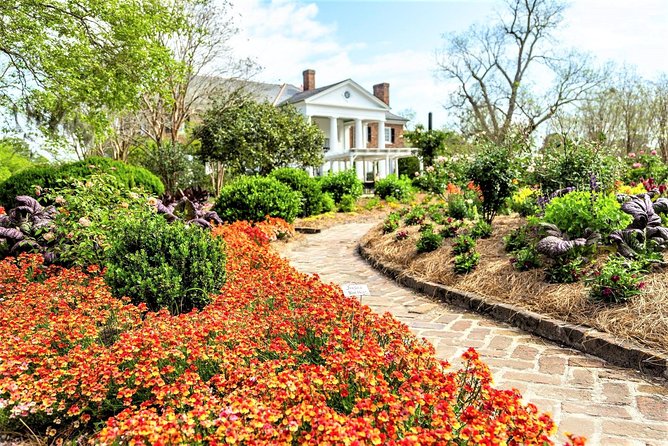
- All tours in one admission: one price covers multiple plantation experiences across the property
- Black History in America exhibit in original cabins: history taught in the places it happened
- Live Exploring the Gullah Culture presentation: a format people call the best value
- Tractor tour plus garden showcase: a practical way to see lots of ground without rushing
- Gin House Museum and Stable Tour: working-farm stories, not just scenery
- Free parking and mobile ticket: easy start, fewer headaches
Walking the Avenue of Oaks with a ticket that does more
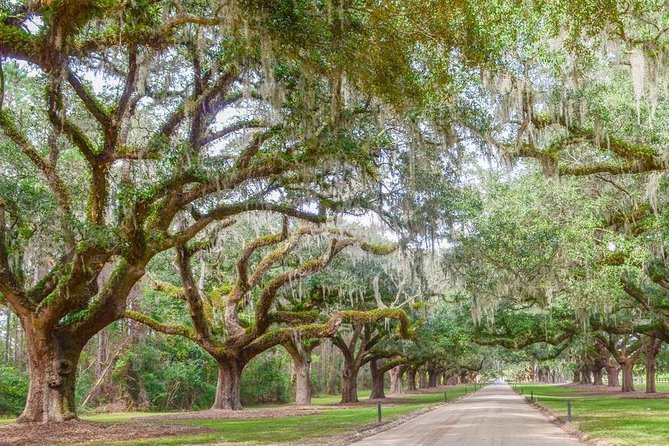
Boone Hall Plantation is a name you’ll recognize if you’ve been researching Charleston-area day trips, and it’s often promoted as a top plantation stop in the region. The approach along the Avenue of Oaks is a big part of the draw. It also sets expectations for what kind of visit this is: you’re going to be on a real estate site that blends education with the look-and-feel of a working property.
With the all-access admission, you’re not forced into one rigid checklist at one single point. The design of the day is meant to spread you across the plantation: guided time in the house, interpretive exhibits, and outdoor components that are easier to enjoy if you’re not trapped in one room for hours.
I like the pace this ticket encourages. A 2 to 4 hour visit is enough time to take in the key areas without turning your day into a sprint. That matters, because plantations can easily become a long walking loop if you don’t have a plan.
You can also read our reviews of more tours and experiences in Charleston.



First-floor guided tour: what you’re really seeing in the main house

The ticket includes a guided tour of the first floor of the plantation home. That’s important because you’re not wandering inside on your own with zero context. You’ll hear explanations tied to the layout and period details, and you’ll be pointed toward the specific rooms included in the tour.
Here’s the balance to keep in mind. People often love the house visit for the decor and for how it helps you picture life on a large estate. At the same time, multiple visitors note that the main house is not from the earliest plantation period and was built in the 1930s. So if your dream is an original, colonial-era mansion tour, you may feel slightly jarred by the dating once you’re inside.
Also, the tour is typically focused on a limited set of first-floor rooms rather than a whole-house walk-through. Plan for it to be short and structured. If that’s your preference, great-you’ll have time left for the rest of the property’s interpretive areas.
One small practical tip: some visitors say photography inside the house was not fully encouraged. If photos are part of your travel ritual, I’d plan to rely more on exterior shots and on what you capture in the open-air parts of the estate.
Black History in America: learning where the cabins were
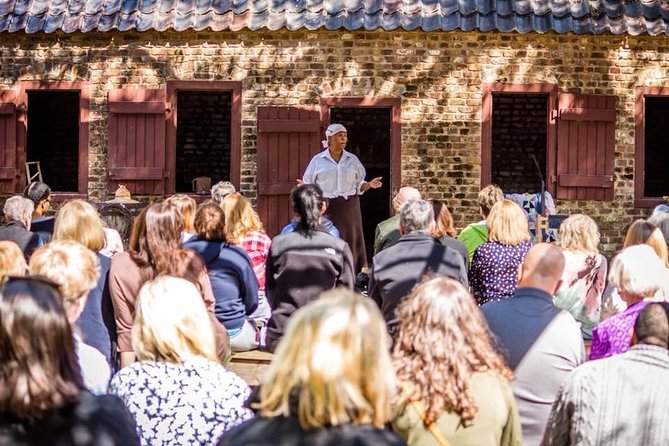
The most emotionally direct part of the experience is the access to the Black History in America exhibit in the cabins where enslaved people lived. The ticket specifically calls out the connection to nine original cabins, and the purpose is clear: you’re not seeing history as a distant museum display. You’re learning in the spaces tied to enslaved life at Boone Hall.
I like that the exhibit is placed inside the cabins instead of being separated into a detached building. That physical setting changes the tone of the visit. It also helps explain why people describe the experience as meaningful rather than just “interesting.”
You’ll also get history framing through a history presentation included with your admission. The message you should carry with you is this: the plantation can’t be understood as only architecture, trees, and gardens. It needs context, and Boone Hall builds that into the ticket.
If you’re sensitive to heavy topics, plan your pacing. You don’t have to speed through. Take breaks outside in the shade and come back when you’re ready to absorb the next section.
The Gullah Culture live presentation: the part many people remember
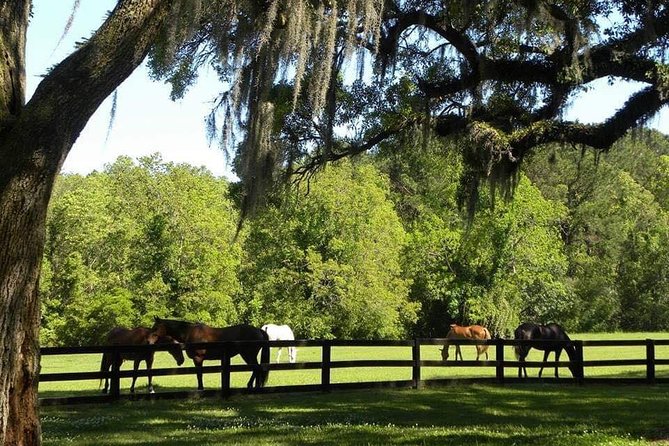
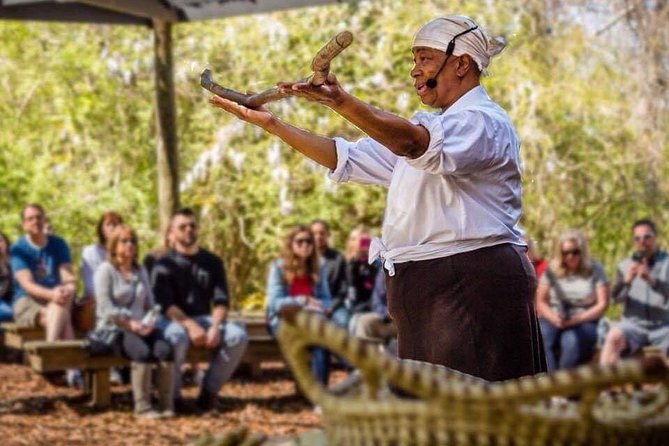
Your admission includes a live presentation on Gullah culture, called Exploring the Gullah Culture. This is one of the most praised components of the day, and it’s also the easiest to understand why.
A live talk adds structure to everything else you see. As you move through plantation history, you can start connecting cultural roots, language, and traditions that survived and transformed under brutal conditions. Even if you don’t know anything about Gullah culture before your visit, the presentation format makes it accessible.
This is also a good example of why the all-access ticket is worth considering. If you only paid for one small attraction, you might miss this interpretive layer. Bundling it into your admission helps ensure you leave with more than just “I walked around a plantation.”
If you’re traveling with family or friends with mixed interests, this talk can be the common ground. People who came for scenery still tend to respect the presentation once it starts.
Garden tour, beauty and wildlife, and why the outdoor parts matter
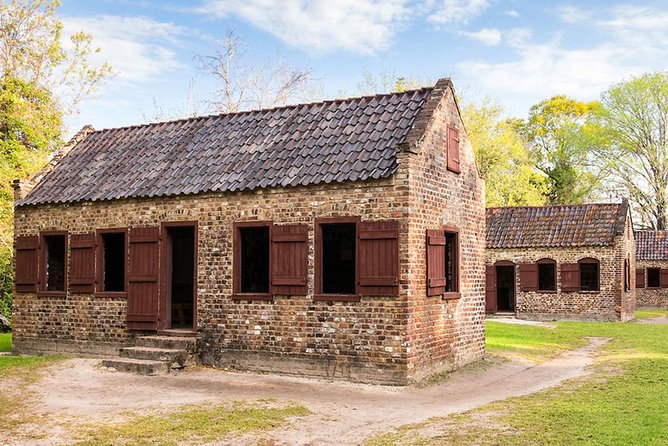
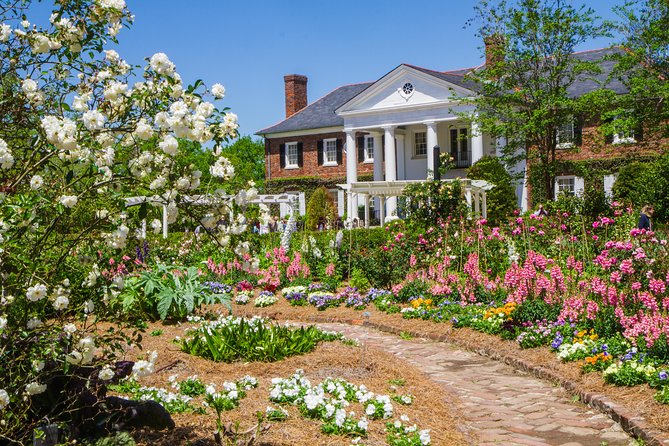
After the house and cabins, the day shifts into grounds and gardens, with a garden tour called Showcase of Color included in the ticket. This isn’t just pretty-walk time. It’s an estate experience, and it helps you understand how the plantation was designed to function as a place of work, food, maintenance, and daily life.
You’re also set up for beauty and wildlife viewing as part of the included experience. That’s one of the reasons the grounds portion can feel good even when the history is difficult. The trees, open air, and the overall scale give your brain a place to reset between heavier exhibits.
If the weather cooperates, you’ll also have a tractor tour across the property included with admission, weather permitting. This is a practical way to cover distance without your feet doing all the work. It can also be easier if you’re coming from Charleston and want the day to stay comfortable rather than chaotic.






Gin House Museum and the stable tour: more than postcards
Two of the included add-ons that help this visit feel like a functioning site are the Gin House Museum and the stable tour.
The Gin House Museum is described as spanning 300 years of history. That’s a big claim, but it signals the intention: you’re meant to see the broader story of plantation production and how the property operated across generations. Even if you don’t catch every technical detail, the existence of the museum in the overall program keeps the visit from becoming only a visual walk.
The stable tour is also listed as NEW. That doesn’t tell you everything about timing or duration, but it does tell you the plantation’s visitor offerings keep evolving. One review detail you may hear once there: polo horses near the stables and opportunities to see animals as part of the daily operation. If animal viewing is your thing, it’s worth planning to spend a bit of time around that area.
One caution: some people report that the stables weren’t open when they arrived. Since stable timing isn’t laid out in the provided info, the safest plan is to assume you’ll have the best shot at this if you keep your schedule flexible once you get there.
Duration, pacing, and what 2 to 4 hours feels like
This ticket is designed for about 2 to 4 hours. In real life, that range makes a difference.
If you’re the type who reads every sign and sits for parts of the talks, you’ll likely land closer to 4 hours. If you’re focused on the key exhibits and want to move efficiently, 2 to 3 hours can work, especially if weather supports the tractor tour.
I’d treat the day as two halves. First half: the most structured interpretation (house, cabins, live presentations). Second half: the working-site add-ons and grounds (garden tour, gin house, stable area, and any outdoor wildlife time). This split keeps you from getting “history fatigue” before you’ve seen the portions that tend to stick with people long after the visit.
Price and value: is $36.50 a fair deal?
At $36.50 per person, this admission is priced for a multi-stop day rather than a single guided event. The value mostly comes from the bundling: you’re getting guided first-floor time, the Black History exhibit access, a history presentation, the Gullah culture live presentation, a tractor tour across the property if weather allows, plus the gin house museum and the stable tour.
That makes it different from paying for just one attraction where you walk in, see a highlight, and leave. Here, the ticket tries to do the heavy lifting for you by linking content across several on-site areas.
One thing to watch is ticket sourcing. Some people paid online through a third-party and later realized they could have paid less at Boone Hall directly for similar admission tiers. If you’re booking through a platform and see an extra service fee, compare the total cost to the on-site/official pricing before you hit confirm.
Is the experience worth it? In my view, it is if you want a guided, structured day that includes both interpretive history and the estate’s on-the-ground working details. If you only want a scenic walk with light storytelling, you’ll be paying for parts you may not use.
Who should book this all-access admission?
This works best if you:
- want a guided plantation visit with structured stops, not a self-guided wander
- care about Gullah culture and want a live talk as part of the day
- prefer to learn in the cabins/exhibit spaces tied to enslaved life
- like mixed experiences: house tour + exhibits + gardens + working-site pieces
You might think twice if you:
- expect the entire visit to focus exclusively on the enslaved history in every minute
- want a full original colonial mansion interior tour rather than a limited guided first-floor walk
- are very photo-dependent inside historic rooms and dislike having restrictions
Should you book Boone Hall all-access admission?
If your goal is a guided, full-day-feel plantation visit packed into a manageable 2 to 4 hours, I’d say yes. The ticket’s best feature is not any one stop. It’s the way it stacks interpretive learning (Black History in America and the live Gullah presentation) alongside the estate’s working details (gin house and stable area) and practical touring (tractor and garden components).
Book it when you want structure, context, and value in one admission price. If you go, plan to take your time at the cabins and be ready for a visit that doesn’t treat slavery history as a side note.
FAQ
How much is the Boone Hall Plantation All-Access Admission ticket?
The price is $36.50 per person.
How long does the visit take?
The visit typically lasts about 2 to 4 hours.
What’s included with the all-access admission?
Included features are guided tours of the first floor of the plantation home, access to the Black History in America exhibit, a tractor tour across the property (weather permitting), a history presentation, the Exploring the Gullah Culture live presentation, garden tour Showcase of Color, and access to the gin house museum. The stable tour is also listed as included, along with free parking.
Is there a live presentation on Gullah culture?
Yes. The ticket includes a live presentation called Exploring the Gullah Culture.
Is the tractor tour dependent on weather?
Yes. The tractor tour is included weather permitting.
What time is it open?
From 9:00 AM to 5:00 PM, Monday through Saturday.
Can I use a mobile ticket?
Yes. The ticket is described as a mobile ticket.
What language is the experience offered in?
The experience is offered in English.
Are service animals allowed?
Yes, service animals are allowed.
Is free cancellation available?
Yes. You can cancel for a full refund up to 24 hours in advance. If it’s canceled due to poor weather, you’ll be offered a different date or a full refund.