REVIEW · CHARLESTON
Charleston Eco Boat Cruise with stop at Morris Island Lighthouse
Book on Viator →Operated by Charleston Outdoor Adventures · Bookable on Viator
Dolphins and shelling share the same boat ride. This Charleston Eco Boat Cruise slips out of Bowens Island on a smaller Carolina Skiff, then heads through tidal creeks toward uninhabited Morris Island for a lighthouse-focused beach stop. I love the live narration from a naturalist captain that turns marsh wildlife into a real story you can follow while you’re spotting birds and sea life. I also like the calmer, less crowded feel of a max group size that makes it easier to watch the water instead of just taking photos.
One thing to plan for: it can be windy on open water, and once you’re out, there are no restrooms for the duration of the cruise.
In This Review
- Key takeaways before you go
- Bowens Island departure: the part you should not rush
- The calm ride on a Carolina Skiff (and why it matters)
- Through tidal creeks and marshes: what you’re really paying for
- A useful reality check about wildlife
- Morris Island Lighthouse stop: beach time with rules
- What to do during your time on the island
- How long you’re on the water (and the pace you’ll feel)
- Your captain: why specific names keep coming up
- Weather, wind, and packing: how to stay comfortable
- Price and value: what you get for a 2.5-hour nature outing
- Who this cruise fits best (and who might want a different plan)
- Should you book the Charleston Eco Boat Cruise to Morris Island Lighthouse?
Key takeaways before you go
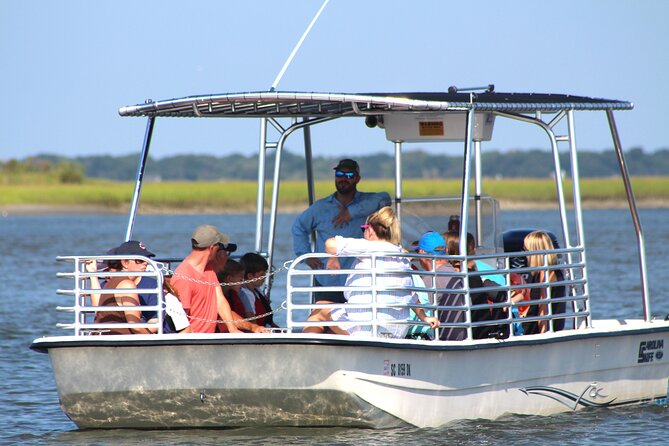
- Carolina Skiff on a smaller scale: a bay-boat style ride that feels more personal than big tourist vessels
- Wildlife spotting is the main event: dolphins, wading birds, pelicans, sea turtles, plus other creek critters
- Morris Island Lighthouse is a great photo stop: you get time on the beach right by the view, even if you can’t enter the lighthouse
- Shelling is part of the plan: bring a bag and shoes you don’t mind getting sandy or wet
- Naturalist captains bring local detail: guides like Chris, George, Jacob, Matt, Jason, and Tripp are repeatedly praised for stories and spotting skills
- No restroom mid-tour: use the facilities at check-in before you depart
Bowens Island departure: the part you should not rush
Your day starts at 1871 Bowens Island Road in Charleston, where you check in at the Charleston Outdoor Adventures office along the boat landing and then hop aboard. The company says to arrive about 15 minutes early, which matters because the start time is when everyone gets organized for the ride and the tide timing. There’s complimentary parking onsite, and restrooms are available at the meeting location before you go.
If you’re coming from downtown Charleston, plan for a slightly rougher last stretch of road. More than one person has mentioned a moment of uncertainty getting there, but once you find the dock area, everything clicks. Think of this as your “easy jump into the Lowcountry,” not a complicated schedule puzzle.
You can also read our reviews of more tours and experiences in Charleston.


The calm ride on a Carolina Skiff (and why it matters)
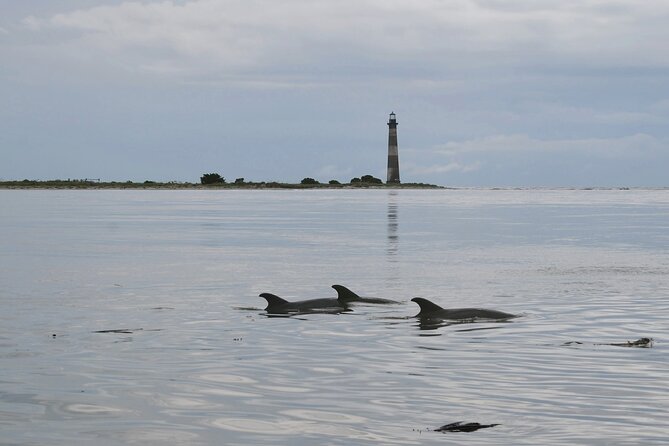
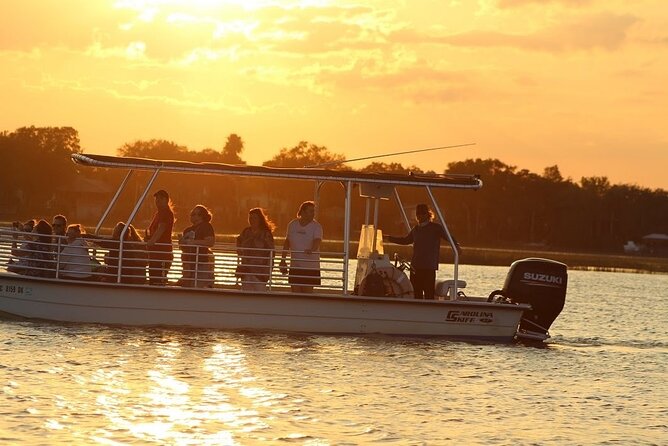
This tour uses a comfortable Carolina Skiff bay boat. That boat choice shows up in the feel of the trip: you’ll be closer to the action on the water, and it’s simply easier to spot wildlife when you’re not fighting for a view.
The group size is capped at 21 travelers, and that’s a big deal on an experience like this. Smaller groups tend to mean less noise, easier movement, and more chances to pause and look when wildlife surfaces. Several guides are praised specifically for managing the boat well, including getting dolphins into a view you can actually enjoy.
Through tidal creeks and marshes: what you’re really paying for
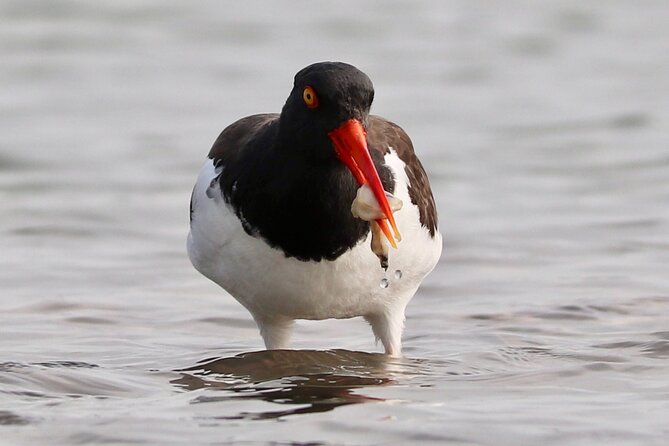
The heart of the experience is the slow, observational cruise through saltwater estuaries and marsh country on the way to Morris Island. This is where the tour earns its eco label in a practical way: you’re not just traveling from point A to point B, you’re learning how this water system works and what lives in it.
As you head out, your captain shares real local context about the ecosystem, including how people fish and harvest oysters and how shrimp are caught in these waters. It’s the kind of information you would rarely pick up on your own while you’re standing on a dock or driving past marshland.
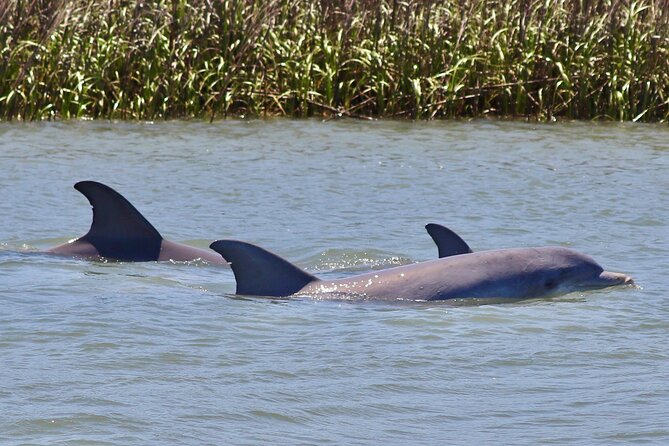
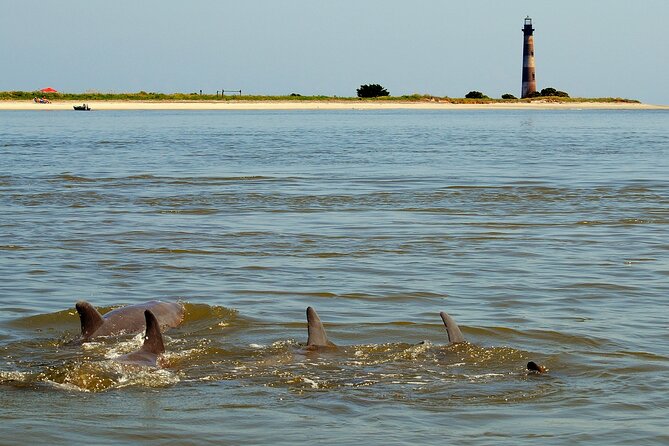
Wildlife spotting is a major focus. You might see wading birds and pelicans, and the tour highlights Atlantic bottlenose dolphins and sea turtles as possible sightings. Even when dolphin sightings aren’t constant, you can still have an excellent outing if birds and other marine life keep you entertained while you listen to the stories.
A useful reality check about wildlife
Wildlife is never guaranteed. Wind, tide, and season all affect what you’ll see. Still, the repeated guest comments about lots of dolphins suggest the guide approach really helps—some captains are even described as finding dolphins quickly and keeping them active around the boat.
Morris Island Lighthouse stop: beach time with rules
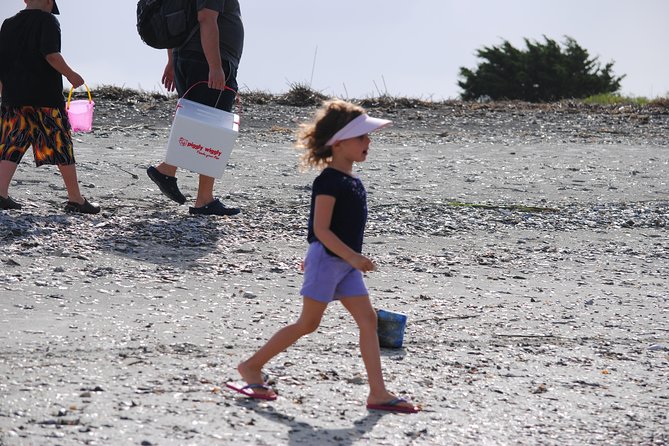
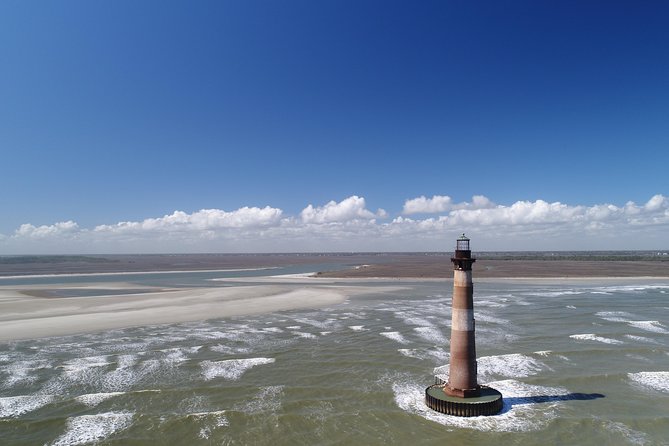
When you arrive on Morris Island, you’ll get a dedicated beach window—about 50 minutes is allotted for the lighthouse stop and photos. The lighthouse is famous for its look and setting, and you’ll be able to take pictures from the shoreline. One important rule: you cannot go inside the lighthouse. The light stays private by location; the focus is on the view, the beach, and the natural setting around it.
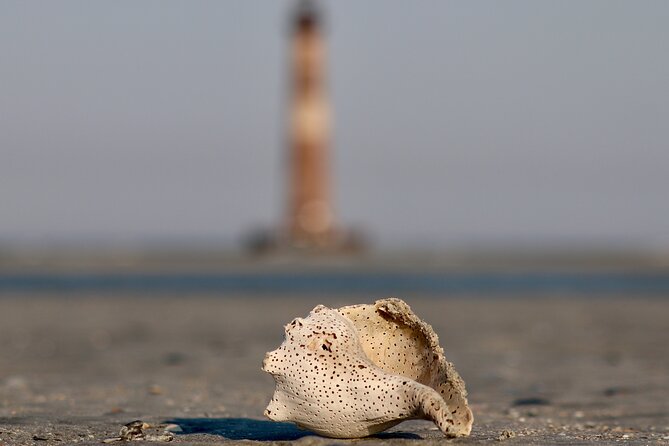
This is also when shelling turns into the playful side of the day. People repeatedly mention finding sand dollars, seashells, and even shark teeth on the beach. If you’re shelling, bring your own bag and be ready to move with the tide line. And if you’re hoping for the best “treasure hunt” conditions, note that one guest described a stronger shell haul because the tide had dropped by the time they reached the sand.





What to do during your time on the island
- Walk the beach at a steady pace and check the wetter sand edge for shells
- Look up often: birds use the area, and that adds variety beyond shell hunting
- Take photos early if you’re chasing lighthouse angles before the light changes
It’s an uninhabited barrier island feel, which is exactly why it works. The beach walk gives you that rare break from Charleston’s streets without turning the day into a long day trip.
How long you’re on the water (and the pace you’ll feel)
The total experience runs about 2.5 hours. The cruise includes both the ride out and back and the on-island beach time, so the timing feels intentional rather than rushed. You’re not stuck in a long sit-and-stare mode, and you also get enough time on the sand to do more than just touch it for a minute.
The pace is described as leisurely and relaxed. That matters if you’re traveling with kids or if you simply want a low-stress afternoon. Several people mention the trip feels different from the usual tourist loop because it’s nature-first, story-supported, and hands-on during the beach segment.
Your captain: why specific names keep coming up
A big reason this tour earns high marks is the human element. Multiple captains get singled out by name, including Chris, George, Jacob, Matt, Jason, and Tripp. What they’re praised for is consistent: strong local stories, good boat handling, and making sure you’re watching the right places at the right moment.
One guest mentions Chris having the right mix of ecosystem, animal, and history details plus humor. Another mentions the guide picking up fossils found on the beach. Captains also help you interpret what you’re seeing, so the tour feels like a guided experience instead of a moving nature documentary.
If you like learning while you travel, this is a smart match. You don’t need a science background—your captain does the translating, from estuaries to oyster beds and how the shoreline supports wildlife.
And yes, there’s even a playful touch described in the form of a word-of-the-day approach (one example shared was estuary). That kind of detail is fun on a short tour and helps you remember what you learned.
Weather, wind, and packing: how to stay comfortable
This cruise is weather-dependent for safety. The operator says it runs in rain or shine, but it will postpone or cancel if conditions are unsafe, such as lightning or very high wind. That wind piece comes up again and again. Late in the year especially, people mention it can be chilly once you’re out on the water.
Here’s how you plan for that without overthinking it:
- Bring water since snacks and bottled water aren’t included
- Wear sunscreen and sunglasses because the water reflects light
- Pack a hat, especially if you run hot in sun but want shade when you’re standing still
- Use sturdy shoes that can handle wet sand and salt water
- Bring a camera, because lighthouse photos and wildlife moments happen fast
If you hate wind on boats, consider dressing in layers. Even on a mild day, you can feel a breeze out near the water. You’ll thank yourself once you’re seated and the sun hits.
Price and value: what you get for a 2.5-hour nature outing
No exact ticket price is listed here, so I’ll talk value instead of guessing numbers. For your money, you’re getting:
- A 2.5-hour tidal creeks eco boat cruise
- Live narration on board with a naturalist captain
- A dedicated beach stop with time for shelling and lighthouse photos
- Fuel surcharge included
- Multiple daily departure times
The only notable gaps are personal needs. You’ll want your own snacks and bottled water, because those aren’t included. If you’re used to paying for guided tours that feel like a long drive with little payoff, this one often feels fair because most of the time is actually spent outdoors.
Also, the max group size helps the value. When you’re in a smaller boat, you’re less likely to feel like you’re paying for a seat.
Who this cruise fits best (and who might want a different plan)
This is a great option if you want an authentic Lowcountry experience without hiring a car for a half-day drive. It also works well for families, since kids can participate in shell hunting and you still have a good chance of seeing marine and bird life during the ride.
You should also consider it if you like tours with a story. The naturalist narration is a core part of the experience, and captains like Chris and George are frequently praised for how they explain what you’re seeing.
Who might not love it:
- If you want indoor comfort, this tour is outdoors and can get windy
- If you need restroom access during the ride, plan ahead because there aren’t restrooms once the tour starts
- If you only care about going inside famous buildings, you’ll be disappointed: the lighthouse is for views and photos, not entry
Should you book the Charleston Eco Boat Cruise to Morris Island Lighthouse?
I’d book this cruise if you want a practical, relaxing way to see Charleston’s water world from the inside—tidal creeks, marsh birds, possible dolphins, and a real beach moment with lighthouse photos and shell hunting. The combination of a small-group boat, strong captain storytelling, and that uninhabited barrier island feel makes it an easy “yes” for a half-day nature reset.
Skip it only if wind and time-limited logistics are dealbreakers for you. If you dress for the breeze, bring a bag for shells, and show up a bit early, you’ll be set up for a memorable Lowcountry afternoon.