REVIEW · SEATTLE
Mt. Rainier highlights – old forest, falls and glaciers
Book on Viator →Bookable on Viator
Glaciers and waterfalls, no fuss. I like the small-group feel and the chance to picnic close to giant glacier views at Paradise, plus the Reflection Lake stop that turns the day into more than just a drive. One thing to plan for: the Paradise hike starts with a steep uphill push, so your knees and thighs will notice.
In cold months, the same core highlights shift into snowshoeing (Nov–Jun), with snowshoes and crampons included. You do spend a lot of time in the vehicle too, because Rainier is about a couple hours from Seattle (often closer to 2.5 each way depending on the day).
In This Review
- Key highlights worth your time
- Price and value: what $179 buys you (and what it doesn’t)
- Getting from Seattle to Paradise: long drive, big payoff
- Paradise hike to the glacier picnic: the real heart of the day
- Reflection Lake: the photo stop that changes with the season
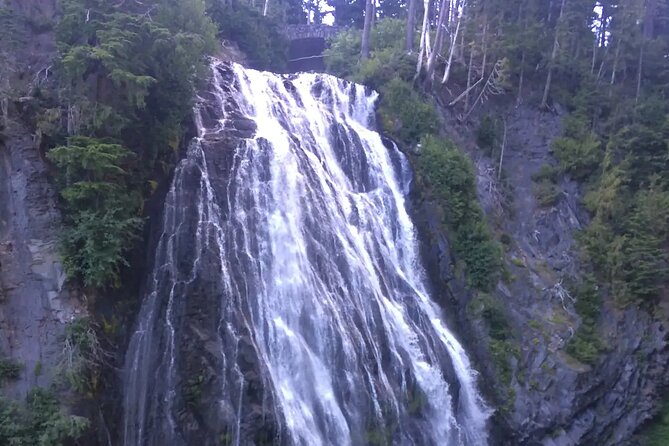
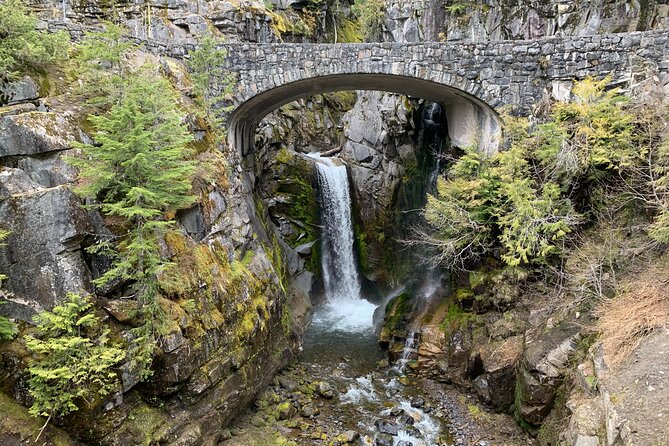
- Narada Falls and Christine Falls: waterfalls without the scramble tax
- Narada Falls (big height, short effort)
- Christine Falls under the old stone bridge
- Old-growth walk at Longmire: where Rainier feels older than you
- Hiking vs. snowshoeing (Nov–Jun): same highlights, different gear reality
- Group size and guide style: small group means you actually see things
- What to bring (so the day feels easy, not hard)
- Timing and pacing: a long day with built-in breaks
- Should you book this Mt. Rainier highlights tour?
- FAQ
- How long is the Mt. Rainier highlights tour?
- What does the $179 per person price include?
- Is lunch provided?
- Where do you pick up and drop off in Seattle?
- Is the hike difficult?
- What happens in winter and spring (Nov–Jun)?
- What are the main stops during the day?
- How big is the group?
- What if weather is bad?
Key highlights worth your time
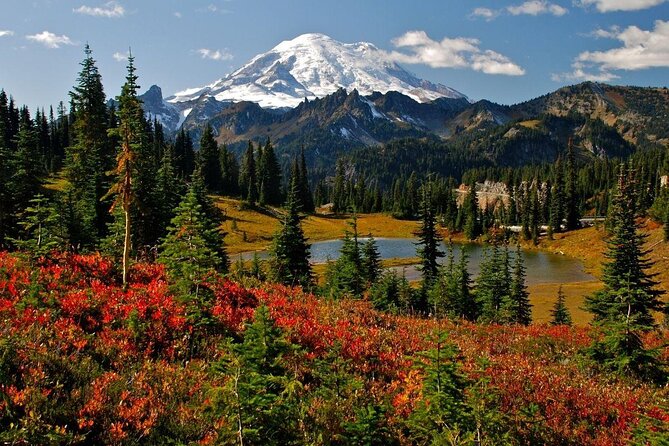
- Glacier picnic at Paradise (about a mile out and back), at roughly 5,500 feet elevation
- Reflection Lake photo stop, summer reflections and winter frozen stillness
- Narada Falls (168 feet) and Christine Falls under the old stone bridge
- Old-growth walking in Longmire, in the lower-elevation forest
- Hike in summer, snowshoe in winter (Nov–Jun) with gear provided
- Max 14 people, so you’re not watching the mountain through other people’s shoulders
Price and value: what $179 buys you (and what it doesn’t)
At $179 per person, this is a proper day tour, not a budget bus. What you’re paying for is the hard part: getting you from downtown Seattle to Mt. Rainier National Park, timed for the best scenery stops, and fitted to the season.
Good value angles here:
- Your Mt. Rainier admission is included during the park portion.
- You get bottled water, trekking poles, an air-conditioned vehicle, plus snowshoes and crampons for the winter/spring version.
- You’re not doing the “where do we park, where do we walk, and how do we not miss the falls” puzzle on your own.
What you should still plan to cover:
- Lunch food isn’t included. You can bring your own picnic, or buy lunch-to-go at a grocery store stop that also includes a restroom break. There’s also a cafeteria at the visitor center once you’re inside the park.
You can also read our reviews of more tours and experiences in Seattle.

Getting from Seattle to Paradise: long drive, big payoff
Most people think of Rainier as a quick sightseeing stop. This tour treats it like what it is: a full-day mountain mission.
You’ll depart Seattle downtown (start point at 415 Pine St) and head into the park, then build your day around Paradise—the area that gives you the easiest access to glaciers and major viewpoints. Plan on about 2 hours each way, and factor in that some days feel more like 2.5 hours each way once traffic, weather slowdowns, and parking timing get involved.
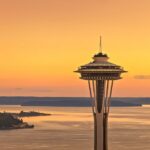
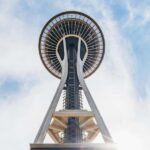
There’s an easy optional touch for your convenience: if you request it, pickup/drop-off can be near the Space Needle instead of downtown.
Why I think this drive is worth it:
- Rainier highlights aren’t close enough to “pop over.” This way, you get multiple stops in one long day instead of one big stop and regret.
- You also get guided pull-offs for viewpoints, so you’re more likely to catch the good angles when clouds behave or the light shifts.
Paradise hike to the glacier picnic: the real heart of the day
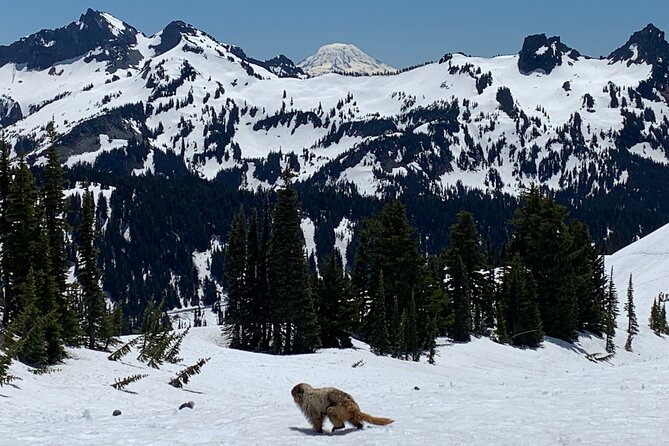
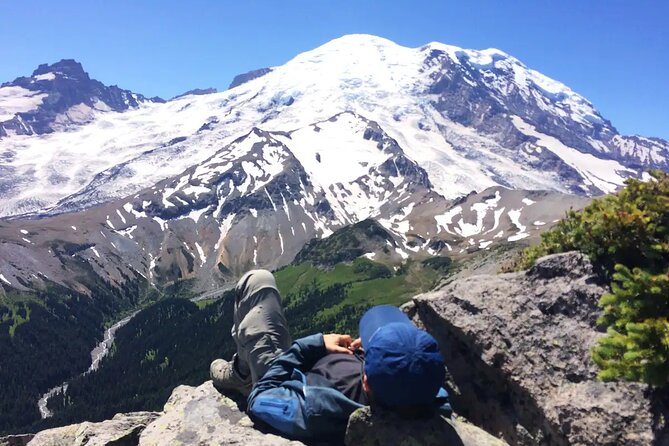
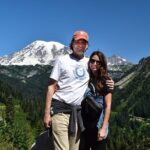
Paradise is where the magic starts to feel physical. You’ll hike from the visitor center area and move toward a picnic spot next to giant glaciers—with the mountain and surrounding peaks in your view long before you finish eating.
The basics you should know:
- You’ll hike about a mile out and a mile back around Paradise (roughly 5,500 feet).
- Reviews consistently point out that the first part is steep uphill, even when the hike itself isn’t super long.
- In winter/spring (Nov–Jun), this becomes a snowshoe hike rather than standard hiking.
This section is also where the guide quality matters most. Guides like Susan Hill show up in multiple recent experiences, and the common thread is pacing you through the climb with patience. Some other guides you may meet on different departures include Rachel, John, Nate, and Matt, and many notes emphasize the same thing: slower steps, frequent photo pauses, and real care for different fitness levels.
Practical tip that makes a difference: if you only have tennis shoes, assume traction may be an issue on icy or snow-packed surfaces. One account specifically praised having crampons available for people in lighter shoes.
Reflection Lake: the photo stop that changes with the season
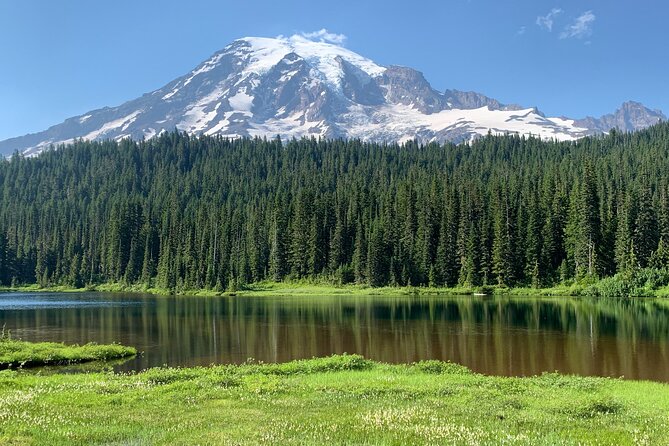
This is one of the most satisfying stops because it’s short and it’s visually rewarding.
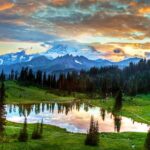
At Reflection Lake, you’re looking for that classic Mt. Rainier reflection—especially in summer when conditions make still water possible. In winter, the story changes: the lake is frozen and the road is closed, so it’s less about reflections and more about a colder, quieter feel.
If you love photography, this is a good place to:
- Aim for calm pacing. Don’t rush through it.
- Take a few minutes just to watch the light. Even when the mountain looks similar, the brightness shifts fast at high elevation.
It’s only a brief stop (about 20 minutes), so come ready to work your camera and then move on.
Narada Falls and Christine Falls: waterfalls without the scramble tax
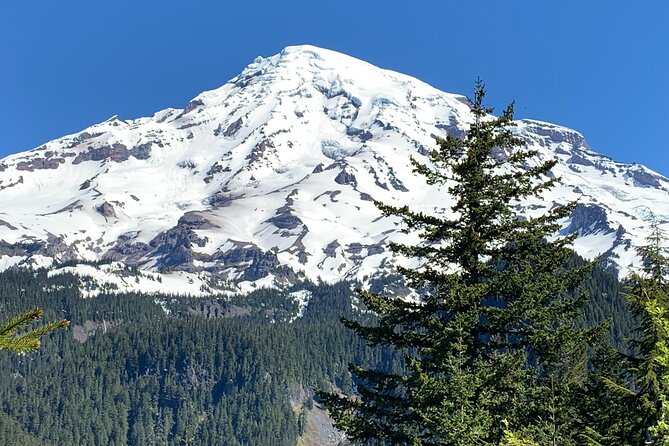
After Paradise, you get a pair of waterfall moments—both close to the main Rainier corridor, but different enough to feel like separate experiences.


Narada Falls (big height, short effort)
Narada Falls is a 168-foot drop near Paradise. You’ll hike to the bottom of the falls for roughly 20 minutes.
What to expect:
- The walk is short, but the terrain can be uneven depending on season.
- When it’s wet, the footing can get slick—bring the same caution you’d use on any slick trail.
Christine Falls under the old stone bridge
Then you shift to Christine Falls, which you’ll view from a viewpoint under the old stone bridge. It’s another about 20 minutes stop, and it’s a great option if you want that waterfall hit without adding lots of extra hiking.
If you’re traveling with mixed fitness, this is also smart: it gives everyone a scenic win without requiring more vertical effort.
Old-growth walk at Longmire: where Rainier feels older than you
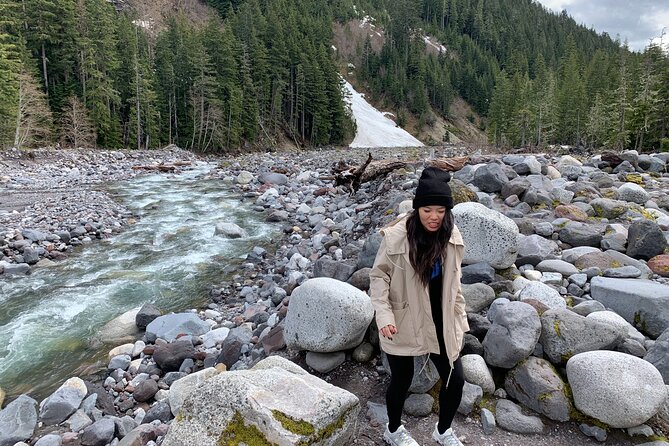
One of the best surprises in this tour style is that it doesn’t only do dramatic glacier views. It also includes lower-elevation forest walking near Longmire.
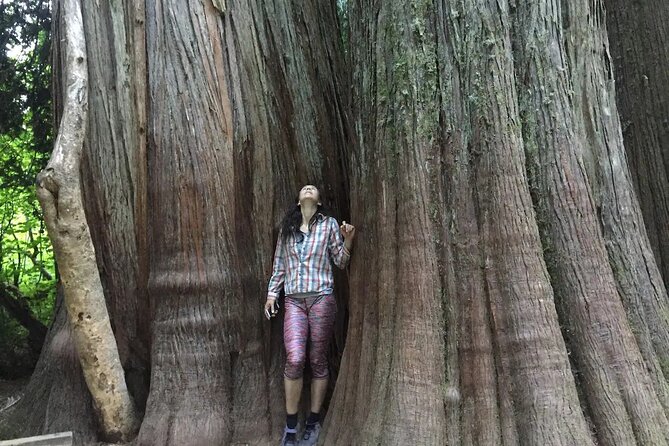
You’ll take a 30-minute walk in old-growth forest, with a chance to see very big, very old trees. This is the part of the day that tends to cool your brain down after a steep climb and waterfall adrenaline.
Here’s why I like this stop:
- It adds variety in what you’re experiencing, so you don’t just get “more of the same road views.”
- The forest setting is a nice break if you’re tired of wind exposure at higher elevation.
Hiking vs. snowshoeing (Nov–Jun): same highlights, different gear reality
This tour is designed to stay alive through the shoulder seasons. From November through June, you’ll snowshoe instead of hiking, and you should expect traction tools to matter.
Included gear you’ll have:
- Snowshoes
- Crampons
- Trekking poles
- Bottled water
No experience is required for the snow version. Still, don’t treat snowshoeing like a casual stroll. In the cold, your legs burn differently. The good news is that the guides have time to help you pace it.
Also, some stops change based on winter conditions. For example, Reflection Lake’s road is closed in winter, so you won’t get the same access you’d have in summer.
Group size and guide style: small group means you actually see things
This is a maximum 14-person tour, and that matters more than it sounds. With a smaller group, the guide can:
- slow down for photos without leaving people behind,
- adjust the pace when someone needs a break,
- and keep the day feeling relaxed instead of rushed.
Multiple accounts mention how guides offered options for different hiking preferences—meaning the day doesn’t have to feel identical for everyone. If you want more, there’s usually room to do more walking; if you want less, the guide can steer you toward a lighter version of the route.
Guide names you may recognize:
- Susan Hill shows up often, with notes about patience and extra time on good-weather moments.
- You might also be led by Rachel, John, Nate, or Matt, with similar emphasis on good pacing and strong interpretation of what you’re seeing.
What to bring (so the day feels easy, not hard)
You’re going to be at high elevation and moving on uneven ground. Pack for that, not for Seattle.
Bring:
- A real lunch/picnic setup or money for lunch-to-go. Lunch isn’t provided.
- Layers. Paradise at 5,500 feet can feel very different from downtown.
- Hiking shoes/boots if you have them. Reviews specifically mention crampons being useful for people in lighter footwear.
- Gloves and a hat for snow season. Even if it looks mild in Seattle, Rainier can change the moment you gain elevation.
- Water expectations: bottled water is included, but you’ll still want to drink steadily on steeper sections.
And if you’re prone to knee or hip issues, take it seriously. The tour is not recommended for travelers with knee or hip problems.
Timing and pacing: a long day with built-in breaks
This is a 10 to 11 hour day, mainly because the drive is long and Rainier travel takes time. The upside is that the stops are structured so you’re not stuck in one place all day.
You get:
- a park hike plus glacier picnic at Paradise (roughly 3 hours at the Paradise area),
- short, scenic waterfall and viewpoint stops,
- plus the old-growth walk at Longmire.
If you’re prone to getting car-sick, plan ahead for the winding roads on the way in and out. The vehicle is air-conditioned, but weather and waiting time can still make it feel like a long sit.
Should you book this Mt. Rainier highlights tour?
Book it if:
- you want a guided, efficient day with several core Rainier highlights,
- you value small-group pacing and an easy way to access places like Paradise and the falls,
- you like hiking short distances that still feel like a workout,
- you’re okay with a long day and the uphill start.
Skip or choose carefully if:
- you have knee or hip problems, since the Paradise hike can be steep and the winter traction needs can add stress,
- you’re looking for a fully gentle, flat walk-only experience,
- you’d rather drive yourself and linger at fewer stops.
My take: this is one of the more practical ways to see glacier scenery, waterfall stops, and an old-growth forest walk in a single day from Seattle—especially because the tour swaps to snowshoeing in winter with real traction gear included. Just come ready for that first uphill push, and you’ll likely leave with photos and memories that look like they took way longer than 10 or 11 hours.
FAQ
How long is the Mt. Rainier highlights tour?
It runs about 10 to 11 hours total, including the driving time from Seattle and the time spent at stops in the park.
What does the $179 per person price include?
The price covers the guided day trip and includes things like bottled water, trekking poles, an air-conditioned vehicle, snowshoes and crampons, and all fees and taxes. Mt. Rainier admission for the park portion is included.
Is lunch provided?
No. Lunch food isn’t provided. You can bring your own picnic, or buy lunch-to-go at a grocery store stop (with a restroom break). There’s also a cafeteria at the visitor center.
Where do you pick up and drop off in Seattle?
The start point is 415 Pine St, Seattle. Pickup/drop-off can also be near the Space Needle if requested.
Is the hike difficult?
You should plan for moderate fitness. The Paradise portion has a steep uphill start even though it’s about a mile out and a mile back. It’s not recommended if you have knee or hip problems.
What happens in winter and spring (Nov–Jun)?
In November–June, instead of standard hiking you’ll snowshoe. Snowshoes and crampons are included, and the information says no experience is required.
What are the main stops during the day?
You’ll spend time at Paradise (visitor center area and glacier picnic), then see Narada Falls, Reflection Lakes, Christine Falls, and walk in old-growth forest near Longmire.
How big is the group?
The tour has a maximum of 14 travelers, which keeps the day feeling more relaxed than a large bus tour.
What if weather is bad?
The tour requires good weather. If it’s canceled due to poor weather, you’ll be offered a different date or a full refund. There’s also free cancellation up to 24 hours before the experience starts for a full refund.