REVIEW · NEW ORLEANS
New Orleans Demonstration Cooking Class with Meal
Book on Viator →Operated by New Orleans School of Cooking · Bookable on Viator
Roux, history, and a full Louisiana meal.
This New Orleans cooking demonstration puts you in the middle of Creole cooking culture, inside a converted 19th-century molasses warehouse, where you learn the why behind the dishes while you watch them get made. You’ll meet a lively local chef, hear stories about the food’s cultural mix, and then eat what you just saw. Molasses-warehouse setting helps make the whole thing feel special, not just like a lecture.
I love the generous samplings. You get plenty of tastes of the starter, multiple mains, and several desserts, so you leave full without guessing what matters. I also love the practical lesson focus, especially the roux basics and spice approach that make gumbo and other Louisiana classics make sense.
One consideration: it’s a demonstration only class, and the room can be big (up to 68 people), so if you hate crowd noise or need very close-up interaction, you’ll want to go with realistic expectations.
In This Review
- Key Points to Know Before You Go
- Entering a Converted Molasses Warehouse in New Orleans
- What the Chef Teaches: Creole Cooking with Real Context
- The Demo Menu You’ll Actually Eat (Gumbo to Pralines)
- Starter
- Main dishes (multiple)
- Desserts (you’ll get more than one)
- Stop 1 at the School: Watch, Learn, Taste
- The French Quarter Connection (After the Cooking Portion)
- Why the Roux and Seasoning Lesson Helps You Cook Later
- Drinks, Portions, and the Real Value of $43
- Recipes to Take Home, Plus the Diploma Motivation
- Dietary Restrictions: What’s Possible and What to Expect
- Group Size, Sound, and the Demo-Only Format
- Who This Class Is Best For
- Should You Book This New Orleans Cooking Demonstration Class?
- FAQ
- How long is the cooking demonstration?
- Is this hands-on cooking or a demonstration?
- What kind of meal do I get?
- Are drinks included?
- Do I get recipes to take home?
- Is the class suitable for dietary restrictions?
- Will dietary substitutions be demonstrated live?
- How big is the group?
- Where do I meet?
- What if I need to cancel?
- Do I receive anything besides the meal and recipes?
Key Points to Know Before You Go
- Converted molasses-warehouse venue that feels like New Orleans, not a classroom
- Creole classics explained step by step, including the importance of roux
- Full meal sampling of multiple mains and several desserts, not tiny bites
- Recipes to take home, plus a fun diploma you earn by sending photos of what you cook later
- Dietary restrictions can be accommodated for an extra fee, but substitutions are limited to certain items
- Group size can be up to 68, so expect a louder, theater-style experience
Entering a Converted Molasses Warehouse in New Orleans
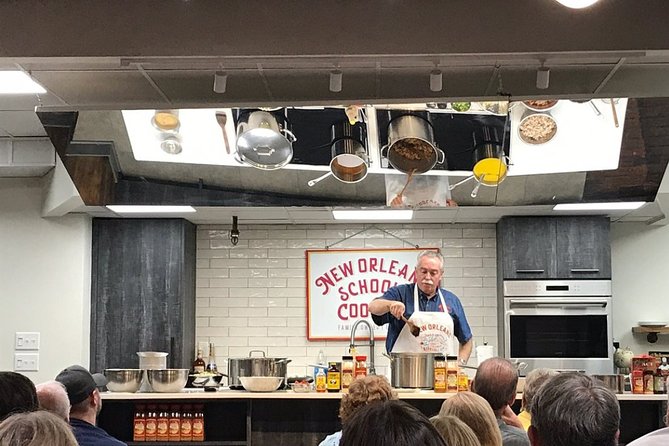
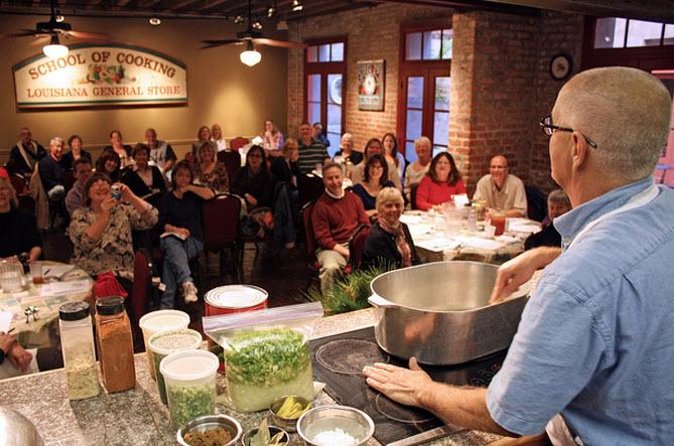
You’re not walking into a sterile cooking studio. The class takes place in a converted 19th-century molasses warehouse, a building style that fits Louisiana food history perfectly. Even before anyone picks up a spoon, you feel the setting: old bones of the city, big room energy, and that “watch closely” vibe that works well for cooking demos.
The location is right by 524 St Louis St, a convenient spot for getting to and from the experience. It’s near public transportation too, which matters in a city where parking can turn into a time tax. And because it’s a mobile ticket setup, you’re not hunting for paperwork while your stomach is already negotiating for lunch.
You can also read our reviews of more tours and experiences in New Orleans.


What the Chef Teaches: Creole Cooking with Real Context
This class isn’t just about how to cook. It’s about how Louisiana people cook. Expect the chef to walk you through how Creole and Cajun traditions connect and overlap, and where they differ in approach and seasoning. You’ll also hear the cultural story behind the food’s melting-pot influences, which helps you understand why the dishes feel both familiar and different.
What I found most useful is the way the chef frames technique. You’ll get a clear explanation of traditional methods, including why roux matters so much in dishes like gumbo. And you’ll hear about the spice logic in Louisiana cooking: not random heat, but layered flavor. That means when you leave, you’re not just holding recipes. You’re understanding the choices behind them.
Instructors rotate, but the teaching style seems consistent. Past classes have included chefs and presenters like Lynn, Chef Eric, Chef Dianne, Chef Terri, and others such as Vivian and Rene. Even when the menu changes, the common thread is storytelling plus technique plus lots of time for questions.
The Demo Menu You’ll Actually Eat (Gumbo to Pralines)
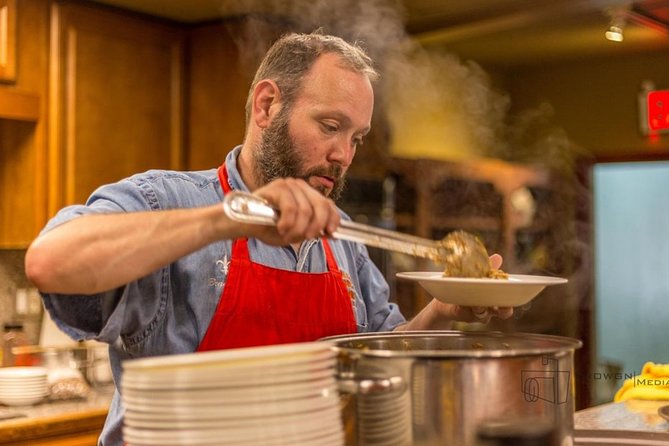
You’ll watch classics get prepared and then eat generous samples. The exact menu can rotate, but here’s the sample structure you can expect: a starter, several mains, and multiple desserts. You should show up hungry because this isn’t a one-bite “taste and tease” setup.
Starter
- Corn and crab bisque
Creamy, sweet-corn comfort is a classic lead-in. It helps you calibrate flavor before the heavier Louisiana dishes.
Main dishes (multiple)
Common main-course options include:
- Gumbo
- Jambalaya
- Shrimp or chicken Creole
- Crawfish etouffée
- Other rotating Louisiana favorites like corn and crab bisque variations, plus soup and stew-style dishes
These are all built on Louisiana cooking foundations. So when you taste them, you can map what the chef just explained: roux depth for gumbo, spice blending and method for jambalaya, and that slow, sauce-forward comfort for etouffée.






Desserts (you’ll get more than one)
Dessert options can include:
- Bread pudding
- Bananas Foster
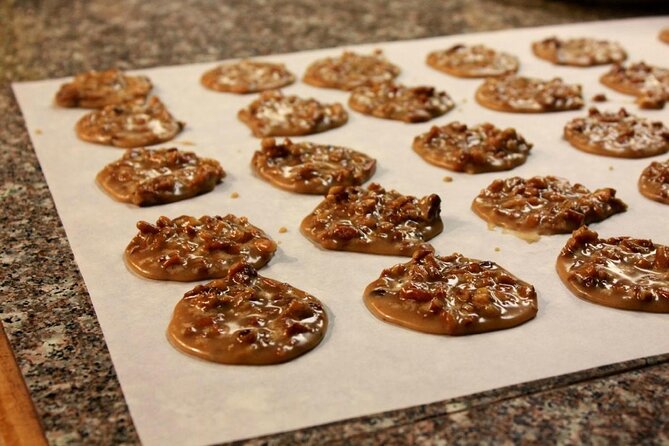
- Pralines
- Pecan pie
This is where the class shifts from food lesson to sweet reward. If you love Louisiana dessert culture, you’ll be glad you came late-afternoon-hungry rather than trying to squeeze it into a tight schedule.
Stop 1 at the School: Watch, Learn, Taste
The class starts at New Orleans School of Cooking (524 St Louis St). That’s where the demonstration happens, and it’s also where the energy gathers. You’ll be seated with other food lovers in the converted warehouse space, with your attention guided by the chef’s step-by-step prep.
Because it’s a demonstration, you’re not stirring the roux yourself. You’re observing the workflow: ingredients, timing, adjustments, and how the dish comes together. That watching-to-tasting order is the key. You’re not learning in theory; you’re learning while your palate checks the result.
One practical tip: if you’re sensitive to sound, try to take a seat closer to where the chef is working. Group sizes can be large, and conversation noise can compete with instructions when the room is full.
The French Quarter Connection (After the Cooking Portion)
Your program includes time connected with the French Quarter area after the cooking portion. The details of what you do in that segment aren’t spelled out as a full sightseeing tour, but you can treat it as part of the overall New Orleans experience—getting a feel for the neighborhood atmosphere after your meal.
Since the cooking portion is the main event, I’d plan your timing around that first. Then let the French Quarter time work as a bonus window to stay in the city’s vibe while the recipes and flavors are still fresh in your mind.
Why the Roux and Seasoning Lesson Helps You Cook Later

Plenty of classes show you recipes. This one tries to give you something more durable: the logic. When the chef emphasizes the importance of a good roux, it’s not just a technical note. It’s the backbone of gumbo’s texture and flavor depth.
You’ll also hear how Louisiana cooks think about seasoning and balancing flavors. That matters because gumbo and jambalaya aren’t just about heat. They’re about layers. And when you take the recipes home, you’ll be able to spot what you’re likely to mess up (usually thickness, seasoning balance, or timing).
If you’re a beginner, the approach helps you avoid the classic mistake of copying a list without understanding the method. If you already cook, it helps you compare your instincts to the Louisiana way.
Drinks, Portions, and the Real Value of $43
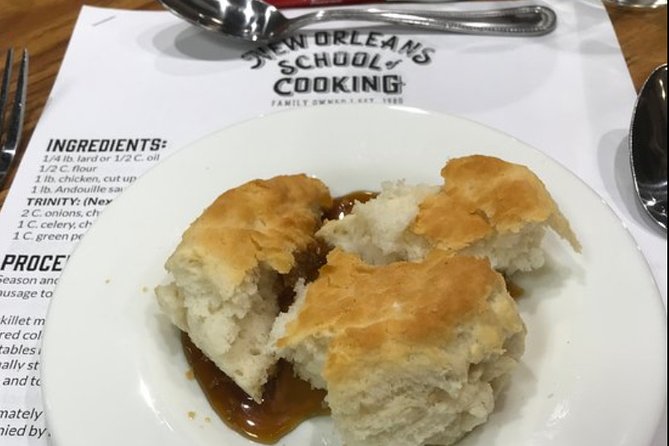
At $43 per person, the value is in the bundle: you’re paying for a live show, a full meal sampling, and take-home materials. The drink set is included too: coffee, iced tea, water, and one local beer.
The portion strategy is what makes it feel fair. You’re not paying for a single dish. You’re tasting a range of flavors across multiple courses. That’s why the best advice is simple: come hungry. If you eat a big lunch beforehand, you’ll miss the point of why they serve several mains and several desserts.
There’s also a plus for people who like to tailor heat. When some diners want more spice, the meal approach lets you adjust: Joe’s Stuff (original, Bayou Blend, and Hot) is placed on the table so you can “doctor” your plate to your liking. That’s a smart compromise in a group setting where everyone’s heat tolerance is different.
Recipes to Take Home, Plus the Diploma Motivation
You won’t leave empty-handed. You get a copy of class recipes, so you can cook with confidence later instead of trying to recreate things from memory.
And there’s a fun extra layer: you can earn a diploma by submitting photos from cooking the recipes at home. Even if you never turn it into a serious cooking project, it nudges you to actually use what you learned.
For souvenir shoppers, this is a better kind of keepsake. It’s useful. It’s also a realistic way to stretch your trip impact beyond one meal.
Dietary Restrictions: What’s Possible and What to Expect
If you have dietary needs, this class can work, but read the details closely before you count on a full swap.
The program says dietary restrictions can be accommodated, but for a $5 upcharge paid at check-in, you’ll receive substitutions made to be vegan, gluten-free, and nut-free:
- Gumbo z’herbes (soup)
- Creole z’herbes (entree)
Important nuance: these substituted dishes are not demonstrated in the live cooking portion. They’re discussed, and you receive a copy of the recipes. Also, because the class is built around what the chef demonstrates, they cannot swap the recipes being prepared during the demonstration based on your restrictions.
Practical advice: if you’re vegan and gluten-free, you likely can get both the soup and entree substitution. If your restrictions are more specific and don’t match the provided substitution format, plan to speak with the stewards during check-in.
Group Size, Sound, and the Demo-Only Format
This is the main “how should I plan?” issue. The tour caps at 68 travelers, and that can turn the room into a mini theater. If you’re hoping for an intimate, small-class feel where you can ask lots of follow-ups and have the chef lean in close, you might feel cramped.
Also, because it’s not hands-on, you won’t get the satisfaction of making the dish yourself. What you get instead is a cleaner experience: watch it happen, learn the process, then eat what was made.
In my view, this format is best for people who want:
- a clear introduction to Louisiana classics
- a history-meets-food lesson
- a filling meal without committing to a longer cooking workshop
Who This Class Is Best For
This works especially well if:
- you want Louisiana flavor without needing cooking skills
- you love food culture stories, not just recipes
- you want a rainy-day plan (it requires good weather, but when it’s on, it’s reliable)
- you’re traveling with friends or family and want one shared event that isn’t stuck in a museum line
It’s also a smart pick for cooks who want technique anchors, especially around roux and seasoning structure.
Should You Book This New Orleans Cooking Demonstration Class?
Yes, I’d book it if your goal is a fun, story-driven way to learn Louisiana classics while eating a real meal. The price is fair for what you get: multiple courses, included drinks, recipes to take home, and a lively chef-led show.
Skip it only if you strongly prefer hands-on cooking or you know you hate large-group rooms where it can be hard to hear every step. Otherwise, this is one of those New Orleans experiences that hits both the stomach and the brain.
FAQ
How long is the cooking demonstration?
It runs about 2 hours (approx.).
Is this hands-on cooking or a demonstration?
It is a demonstration class only. There is no hands-on training.
What kind of meal do I get?
You’ll get a full meal with generous sampling of what the chef prepares, including a starter, multiple mains, and desserts. A sample menu includes corn and crab bisque, gumbo, jambalaya, shrimp or chicken creole, crawfish etouffée, bread pudding, bananas foster, pralines, and pecan pie.
Are drinks included?
Yes. Coffee, iced tea, water, and one local beer are included.
Do I get recipes to take home?
Yes. You receive a copy of class recipes.
Is the class suitable for dietary restrictions?
Dietary restrictions can be accommodated, but you must contact the reservations line after booking. For a $5 upcharge at check-in, substitutions include gumbo z’herbes (soup) and creole z’herbes (entree) that are vegan, gluten-free, and nut-free.
Will dietary substitutions be demonstrated live?
No. The substituted dishes are not demonstrated, but they are discussed and you receive recipe information.
How big is the group?
The experience has a maximum of 68 travelers.
Where do I meet?
You start at New Orleans School of Cooking, 524 St Louis St, New Orleans, LA 70130, USA.
What if I need to cancel?
You can cancel for a full refund up to 24 hours in advance. If you cancel less than 24 hours before the start time, the amount paid is not refunded. If it’s canceled due to poor weather or if the minimum traveler requirement isn’t met, you’ll be offered a different date or a full refund.
Do I receive anything besides the meal and recipes?
Yes. You can receive a diploma by submitting photos from cooking the recipes at home.