REVIEW · NEW ORLEANS
New Orleans Food and History Walking Tour
Book on Viator →Operated by Doctor Gumbo Tours · Bookable on Viator
New Orleans has a way of feeding your curiosity fast. This food-and-history walking tour turns classic Creole dishes into a guided lesson you can taste, starting right in the French Quarter. I really like the small group feel and the way the guide connects each bite to the city’s culture and language. One heads-up: there’s a lot of eating and walking, and dietary preferences other than a vegetarian option can’t be accommodated, so plan to enjoy the classics as served.
You meet at 3rd Block Depot at 310 Chartres St and finish at New Orleans Creole Cookery on 508 Toulouse St. Most people can handle it, the pacing is designed for a fun lunch-time stroll, and the tour runs in all weather, so you’ll want a real rain plan if skies look iffy.
In This Review
- Key Takeaways Before You Go
- Entering the French Quarter: Why This Tour Works
- Price and What $85 Really Buys
- Your Route in Plain English: From 3rd Block Depot to Creole Cookery
- Stop One: Gumbo at 3rd Block Depot and the Roux Moment
- Hot Sauce Bar: Unlimited Samples and Big Flavor Education
- Leah’s Pralines: Classic Creole Sweetness (With Twists)
- NOLA Poboys and the Po-Boy Reality Check
- The Sandwich-Lunch Set: Muffuletta, Boudin Ball, and More
- Dessert Stop: Pralines Again, Plus Bread Pudding to Close the Loop
- Guides, Pacing, and the Most Common Win: You Won’t Feel Rushed
- Who This Tour Is For (and Who Might Want a Different Style)
- Should You Book This New Orleans Food and History Walking Tour?
- FAQ
- FAQ
- What does the tour cost?
- How long is the New Orleans Food and History Walking Tour?
- Where do I meet and where does the tour end?
- What food is included during the tour?
- Is a vegetarian option available?
- Can the tour accommodate gluten-free, dairy-free, or vegan diets?
- Are dietary allergies accommodated?
- Does the tour run in bad weather?
- What about drinks—are they included?
- How many people are in a group?
- Is there free cancellation?
Key Takeaways Before You Go
- Five different eateries in about three hours, so you get breadth without spending all day bouncing around.
- Unlimited hot sauce sampling at a hot sauce bar, plus plenty of chances to ask why Louisiana flavor works the way it does.
- Guides with a strong story game: food origins, linguistic roots, and local geography explained while you eat.
- Generous, you-won’t-leave-hungry portions are a common theme, especially at the main stops.
- Vegetarian option available, but there’s no gluten-free, dairy-free, or vegan menu matching.
Entering the French Quarter: Why This Tour Works
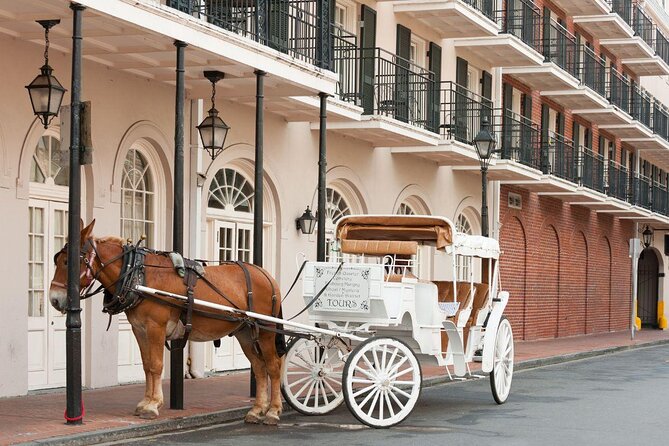
If you’re trying to understand New Orleans beyond postcards, start by eating where the city eats. This tour does a good job of setting you up with context while you’re still hungry enough to care. You begin in the lively Vieux Carré (Old Square) area with a guide who points out how Creole cooking grew out of many cultures and local realities.
Two things make it especially practical. First, you’re not just collecting dishes; you’re learning what makes them Creole in the first place. Second, the tour is structured so you hit multiple spots in a few hours, which is the real challenge in the French Quarter.
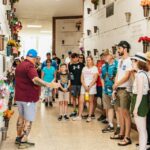
The vibe is also “fun-smart.” Guides have a reputation for staying upbeat and answering questions without turning the tour into a lecture. And because the group size is capped (maximum of 16), it stays manageable.
You can also read our reviews of more tours and experiences in New Orleans.


Price and What $85 Really Buys
At $85 per person for roughly three hours, the value isn’t just the number on the ticket. You’re paying for three things that are hard to DIY:
- A guided route through places you might miss on your own.
- Multiple full tastings across five different eateries.
- A guide who connects food to local geography and even the linguistic origins behind famous dish names like étouffée and jambalaya.
The tour includes a lunch set menu and also includes gratuities for servers at the establishments. Water is included, but other drinks are own expense. There’s also an optional guide gratuity, so you can follow your usual style.
If you’re the type who likes to “buy time” on a trip, this is one of those tours that can make the rest of your New Orleans meals easier—because you’ll know what to order and what to look for when you return to the same streets later.
Your Route in Plain English: From 3rd Block Depot to Creole Cookery
The flow is a classic progressive lunch. You start at 3rd Block Depot on Chartres St, then move through nearby French Quarter stops with short walks between them. The tour ends at New Orleans Creole Cookery on Toulouse St.
One important detail: stops can change based on availability. That means your exact eateries might shift, but the core idea stays the same—gumbo, hot sauce, pralines, sandwiches, and Cajun classics, all explained as you go.
Expect about three hours total, plus a walking rhythm that still feels like a food crawl, not a marathon. The tour goes off in all weather conditions, so it’s smart to show up ready for rain.
Stop One: Gumbo at 3rd Block Depot and the Roux Moment
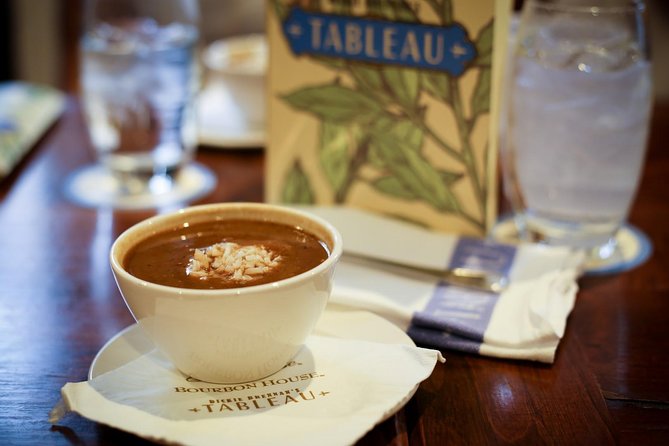
Your first tasting sets the tone. At 3rd Block Depot (310 Chartres St) you’ll try chicken and andouille sausage gumbo, made with a dark roux and chicken stock. The gumbo is served with a dollop of warm potato salad, country style.
This is more than a starter bite. Gumbo is one of those dishes where technique matters, and the guide’s commentary helps you notice what’s going on. Dark roux isn’t just a color; it’s part of the flavor foundation. And the pairing with warm potato salad gives you a feel for how comfort-food and Cajun seasoning can share the same bowl.
If you want a drink before you move on, there’s a bar at the first stop where you can grab something at your own expense. This can be a nice warm-up if you’re there early or you like your gumbo with a little something on the side.
Hot Sauce Bar: Unlimited Samples and Big Flavor Education
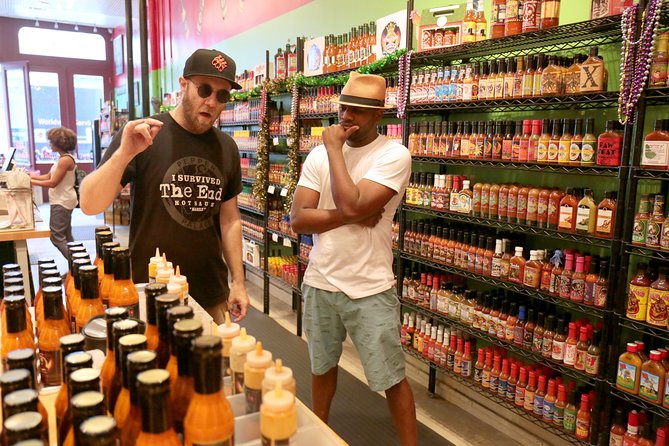
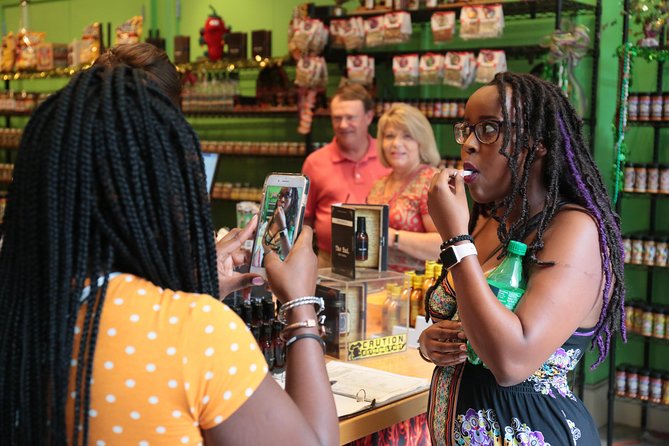
After the gumbo, there’s a quick stop at a hot sauce bar where you can sample dozens of hot sauces. This is one of the tour’s most interactive parts, because you get to taste the spectrum—heat, smoke, tang, sweetness—then talk through what you’re experiencing.
This is also where you’ll learn the practical side. Louisiana heat isn’t one-note. You’ll start to see why people treat hot sauce as seasoning, not just a punishment. If you’re the type who thought hot sauce was always the same thing, this tasting can recalibrate that in a good way.
One caution: if you’re sensitive to spice, this part can still be intense. The tour doesn’t offer substitutions for taste preferences, and it’s aimed at adventurous eaters.






Leah’s Pralines: Classic Creole Sweetness (With Twists)
Next comes Leah’s Pralines, where you can sample a traditional praline or something more inventive, like bacon pecan brittle. Pralines in New Orleans are a very specific kind of sweet—built around local brown sugar, dairy, and pecans.
What I like about this stop is the contrast. You’ve been in savory territory, then you’re suddenly tasting candy-like comfort. It also gives you an easy souvenir idea, because pralines are one of the easiest local foods to take home.
If you’re thinking about what makes Creole desserts distinct, this stop gives you a direct taste comparison between old-school and modern variations.
NOLA Poboys and the Po-Boy Reality Check
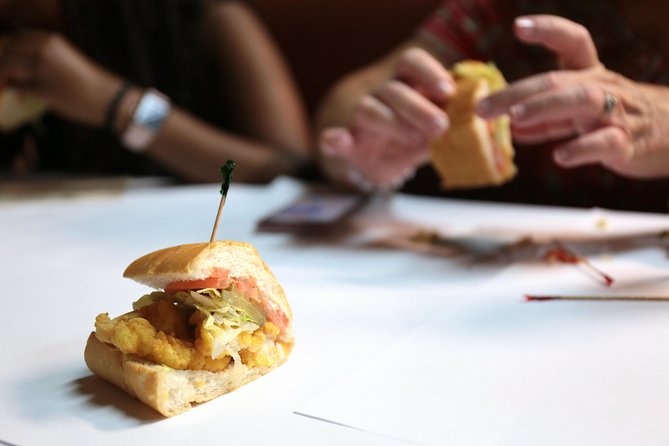
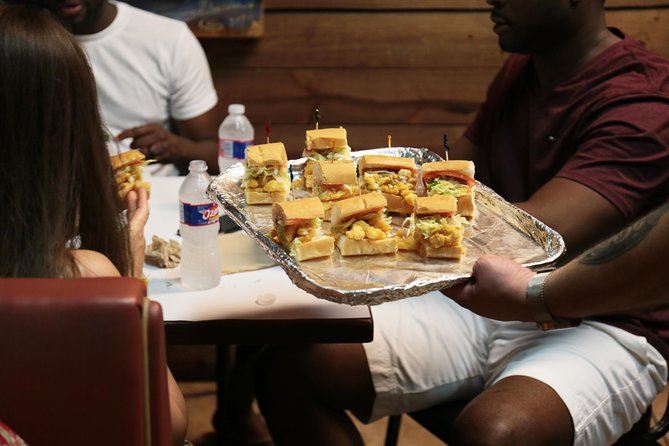
When you see French Quarter po-boy signs, you’ll realize how many versions exist. This tour takes you to NOLA Poboys for a fried catfish po-boy, dressed with lettuce, tomato, mayonnaise, and pickles. Hot sauce is optional.
This is a strong mid-tour anchor because it’s familiar enough to be comforting, but specific enough to be very New Orleans. Fried catfish also highlights how seafood shows up across the city’s food story, including the guide’s talk about seafood harvesting in Louisiana.
A good po-boy should be balanced: crispy outside, flavorful inside, and not just swallowed in grease. The version you’ll try is designed to be satisfying and teach you what people actually mean when they say po-boy.
The Sandwich-Lunch Set: Muffuletta, Boudin Ball, and More
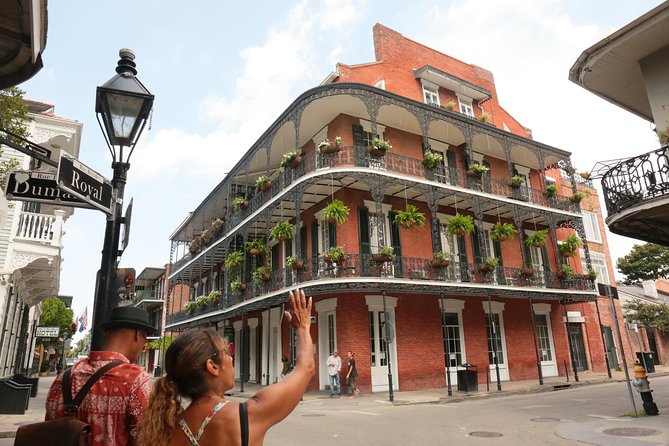
After the first savory hits, the menu keeps moving through classics that each show a different side of Louisiana eating.
You’ll likely try items like:
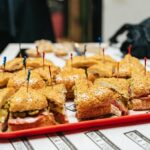
- Muffuletta sandwich, an Italian-influenced style made on Sicilian bread with layers including smoked ham, mortadella, Genoa salami, provolone, mozzarella, and local olive salad.
- Boudin ball, a Cajun fried sausage ball with smoked pork, rice, and spices, served with a Creole remoulade dipping sauce.
- Red beans and rice with andouille sausage, slow cooked, served over rice with green onions or scallions.
- Bread pudding for dessert, often seasonal, sometimes showing up in a bananas foster direction.
If you’re trying to build a mental map of New Orleans cuisine, this is the section that clicks. Muffuletta shows how immigration and food traditions blend into something local. Boudin ball keeps it street-level and snackable, with a dunkable sauce. Red beans and rice brings you back to the home-cooking side of Cajun and Creole culture.
The tour includes a vegetarian option, but it’s built as an alternative plan, not a custom menu. If you avoid gluten, dairy, or animal products, you should know this tour does not provide those accommodations.
Dessert Stop: Pralines Again, Plus Bread Pudding to Close the Loop
New Orleans has a serious sweet tooth, and this tour doesn’t play it safe at the end. You’ll have traditional pralines earlier, then finish with bread pudding that’s seasonal and may be baked or fried. Based on what people describe from real tours, there’s often a bananas foster style angle.
Bread pudding is a great final note because it’s warm, rich, and made for sharing—or for eating slowly while you absorb what the guide explained earlier about food names and local culture.
If you’re worried about overdoing it, don’t. The pacing and portion sizing are designed for a full lunch without turning the tour into a food challenge competition.
Guides, Pacing, and the Most Common Win: You Won’t Feel Rushed
One of the strongest reasons people recommend this tour is the human factor. Guides like Meg, Beth, Gary, Dillon (Dr. Gumbo), Dylan, Sarah, John, Ben, and the Professor come up again and again for a simple reason: they make the story part feel useful.
You’ll get history tied to what you’re eating right now, plus language and geography context as you walk. And you’ll usually keep moving at a pace that feels active but not frantic.
A few practical tips based on what’s repeatedly experienced:
- Wear real walking shoes. The tour is still a walking tour, and it helps to be comfortable before you’re full.
- Show up hungry. Portions are described as generous, and the tour is designed so you don’t leave searching for a meal.
- Bring a small umbrella mindset if rain threatens. The tour runs in all weather conditions.
Also, this isn’t a huge group. With a maximum of 16 travelers, the guide can actually manage the pace and questions.
Who This Tour Is For (and Who Might Want a Different Style)
This tour is best for you if:
- You want a first-time New Orleans food plan that also teaches you what you’re tasting.
- You like Creole and Cajun classics and you’re willing to try fried, spicy, and saucy foods.
- You enjoy guides who explain the cultural story behind dish names and ingredients.
It’s not a perfect fit if:
- You need gluten-free, dairy-free, or vegan options. Those aren’t offered.
- You have a mobility limitation that makes walking a challenge. It’s not recommended for travelers with mobility or walking issues.
- You want the tour to customize away from spicy or rich food. Dietary preferences can’t be accommodated; only food allergies can be handled if you notify them during check-out.
Vegetarians do have a path, and it’s worth taking that option if you eat vegetables and are okay with traditional Louisiana flavors as interpreted by the tour’s vegetarian menu.
Should You Book This New Orleans Food and History Walking Tour?
Yes—if you want a smart, time-efficient way to eat your way through the French Quarter and understand what you’re tasting. This is the kind of tour that makes your future restaurant choices easier because you learn the “why” behind dishes like gumbo, po-boys, muffuletta, boudin, and red beans and rice.
Skip it or consider alternatives if your needs don’t match the food reality: no gluten-free/dairy-free/vegan menu, and walking plus outdoor weather is part of the deal. Also, if you go in hoping for ultra-custom sampling of every famous dish in one go, you’ll feel limited. You’ll get five eateries worth of classics, and that’s the trade: depth across key dishes, not every possible New Orleans bite.
FAQ
FAQ
What does the tour cost?
The tour costs $85.00 per person.
How long is the New Orleans Food and History Walking Tour?
It lasts about 3 hours.
Where do I meet and where does the tour end?
You meet at 3rd Block Depot, 310 Chartres St, New Orleans, LA 70130, USA. The tour ends at New Orleans Creole Cookery, 508 Toulouse St, New Orleans, LA 70130, USA.
What food is included during the tour?
The experience includes tastings such as gumbo, hot sauce samples, pralines, fried catfish po-boy, muffuletta, boudin ball, red beans and rice with andouille sausage, and bread pudding. Specific stops are based on availability.
Is a vegetarian option available?
Yes. A vegetarian option is available if you request it at check-out.
Can the tour accommodate gluten-free, dairy-free, or vegan diets?
No. This tour does not have a gluten-free, dairy-free, or vegan option.
Are dietary allergies accommodated?
You should notify the operator of any food allergies during check-out. The tour does not accommodate aversions.
Does the tour run in bad weather?
Yes, the tour operates in all weather conditions, so you should dress appropriately.
What about drinks—are they included?
Water is included, but beverages other than water are not included.
How many people are in a group?
The maximum group size is 16 travelers.
Is there free cancellation?
Yes. You can cancel for a full refund up to 24 hours in advance of the experience’s start time.