REVIEW · NEW ORLEANS
New Orleans: French Quarter, Voodoo and Cultural Experience
Book on GetYourGuide →Operated by The Witches Brew Tour Company · Bookable on GetYourGuide
Marie Laveau lore has a way of sticking. This French Quarter and culture walk pairs big-deal names with street-level context, from the voodoo stories tied to Marie Laveau to what New Orleans had to build itself through.
What I like most is how the tour keeps the focus on the city’s real complexity, not just spooky vibes. I also like the local touch—guides who call the Quarter home and can answer questions while you’re still standing in the spot where the story happened.
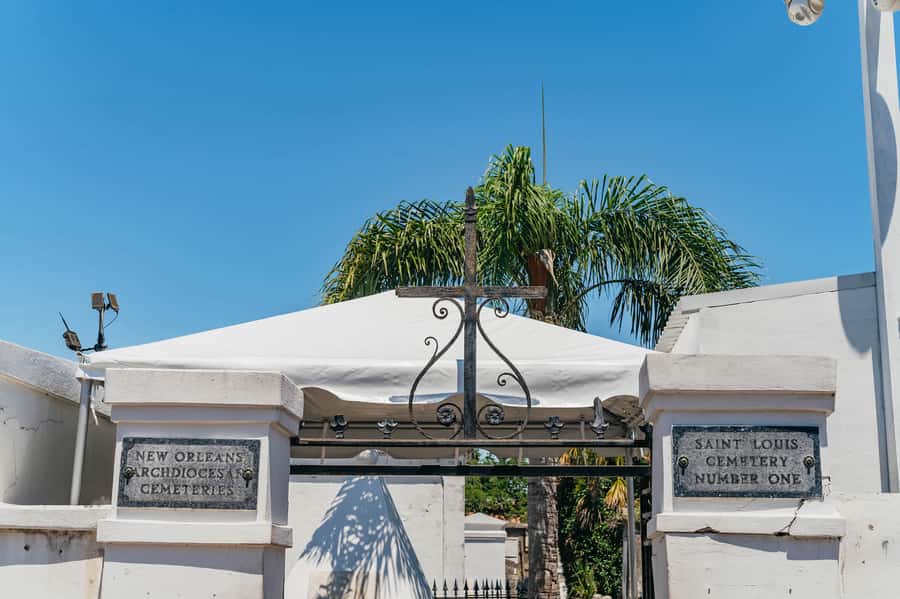
One consideration: you may not be able to access a cemetery stop if it’s closed or restricted that day, even though the tour’s theme can attract that expectation.
In This Review
- Key things I think you’ll care about
- Meeting at Witches Brew Gallery: a loud start in Exchange Alley
- French Quarter walking: history you can point at
- Treme and Congo Square: Creole culture with context
- The local café break: a practical pause that keeps the tour enjoyable
- Jackson Square finish: where the stories land
- Price and pacing: is $29 worth it for two hours?
- Best for first-timers, history lovers, and voodoo-curious minds
- When timing gets tricky: weather, holidays, and closures
- Should you book this New Orleans French Quarter, Voodoo, and Culture tour?
- FAQ
- Where do I meet the tour guide?
- How long is the New Orleans French Quarter, voodoo, and cultural tour?
- How much does it cost?
- What’s included in the tour?
- Are food and drinks included?
- What should I bring?
- Is the tour wheelchair accessible?
- What days is the tour not running?
- What happens if there’s severe weather?
- Can I get a refund if I cancel?
Key things I think you’ll care about
- Marie Laveau’s story explained in a way that treats voodoo as lived religion, not just folklore
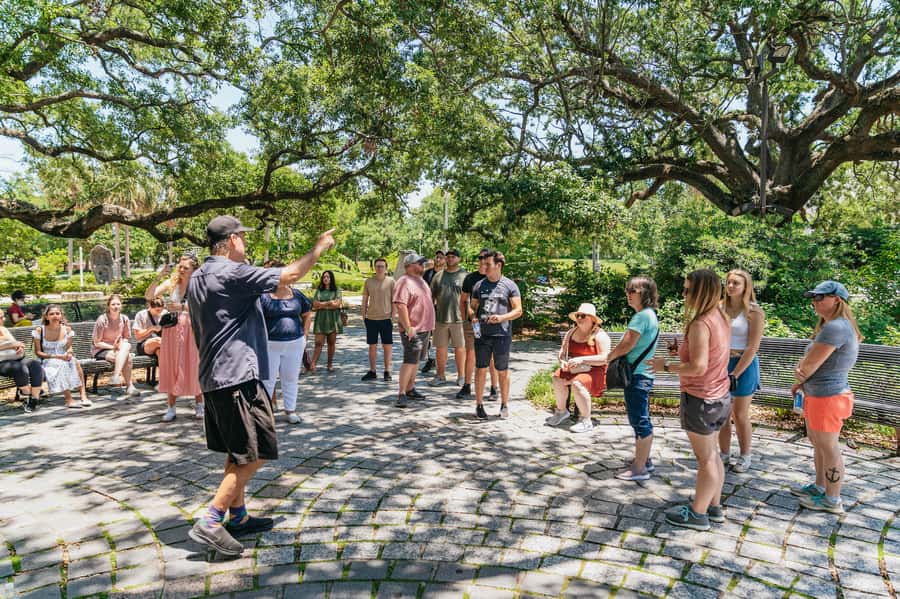
- French Quarter + Jackson Square covered by foot in about two hours, so it’s easy to fit early in your trip
- Treme and Congo Square context for Creole culture and New Orleans’ harder beginnings
- Local guide Q&A energy, with guides like William, James, Jimmy K, Graham, Sandy, Fred, and Taylor highlighted for staying engaged
- A halfway café break (and yes, it helps on a warm day)
Meeting at Witches Brew Gallery: a loud start in Exchange Alley
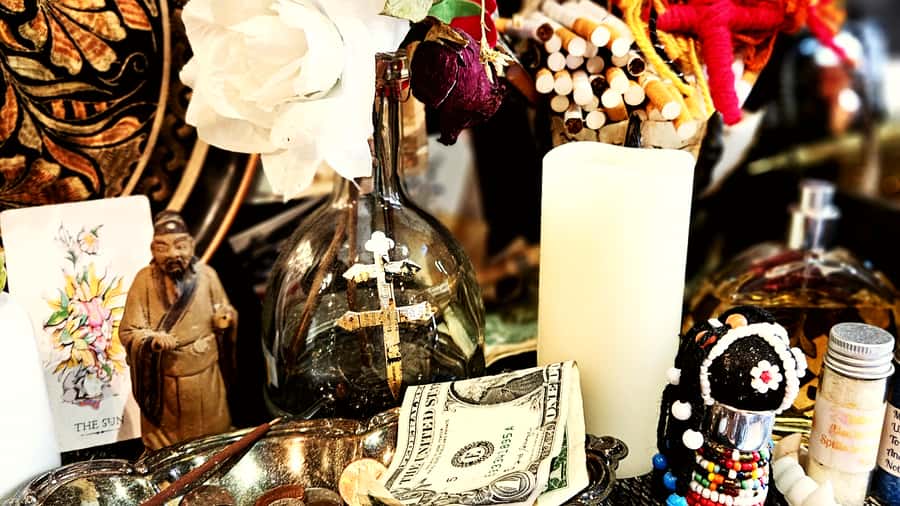
You start at Witches Brew Gallery & Oddities Shop in Exchange Alley, right by a place that looks like it could be a movie prop. And that matters. Walking into a shop like this first gives the tour its tone: New Orleans isn’t pretending its history is clean and simple, and neither is this experience.
You’ll have a short stretch to take a look around and get oriented. It’s only about 15 minutes, so you’re not getting stuck in shopping mode. The point is to set you up to understand why voodoo imagery, spiritual practice, and everyday life in the city have always been tangled together.
Practical tip: if the storefront art feels intense (there’s even a skull mentioned by one guide experience), don’t let it throw you. It’s usually just a visual hook for a tour that’s more thoughtful than it first appears.
You can also read our reviews of more tours and experiences in New Orleans.

French Quarter walking: history you can point at
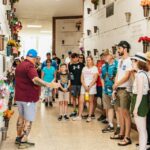
After the quick shop start, you’re straight into the French Quarter, where your guide walks you through the architecture, the street layout, and the story lines that people often skip. This is where you get the sense that the French Quarter isn’t just scenic—it’s layered, built, rebuilt, and shaped by forces that were not gentle.
The tour connects the Quarter to larger events, including the transatlantic slave trade and the city’s origins as a place built on swampland. That last detail is a big deal because it changes how you picture the city. New Orleans wasn’t simply growing outward on dry ground. It was learning how to survive in a swamp system, with water and land in constant negotiation. Your guide uses that background to explain why the city developed in the ways it did.
And then comes the voodoo thread—specifically the legend and role of the voodoo queen, Marie Laveau. This part is often misunderstood by first-time visitors. The tour’s value is that it tries to explain practice and belief as something with structure and meaning for the people who lived it, while still acknowledging how it became sensationalized later.
Expect a mix of:
- story and place (you’ll learn while you’re literally standing in front of the landmarks)
- cultural context in plain language
- enough time for questions, which is a recurring theme in what guides are praised for
In terms of realism, the pacing is built for walking. It moves. You get a full hour of guided time, then later you circle back for another shorter guided stretch. That format keeps it focused and helps you cover ground without turning the tour into a lecture marathon.
Treme and Congo Square: Creole culture with context
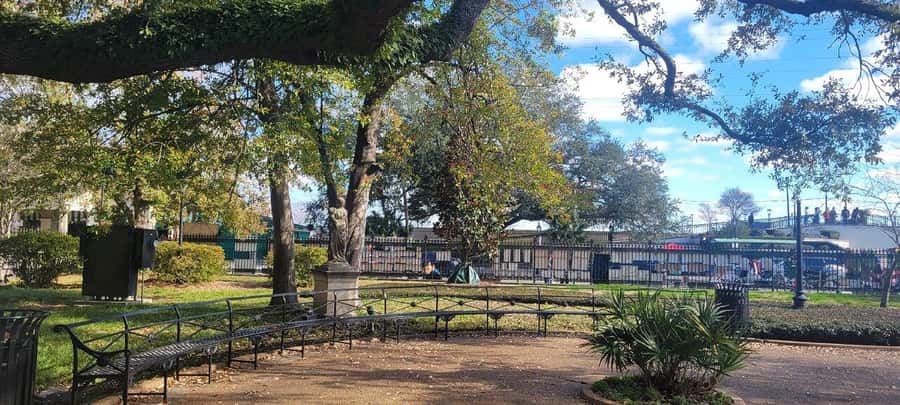
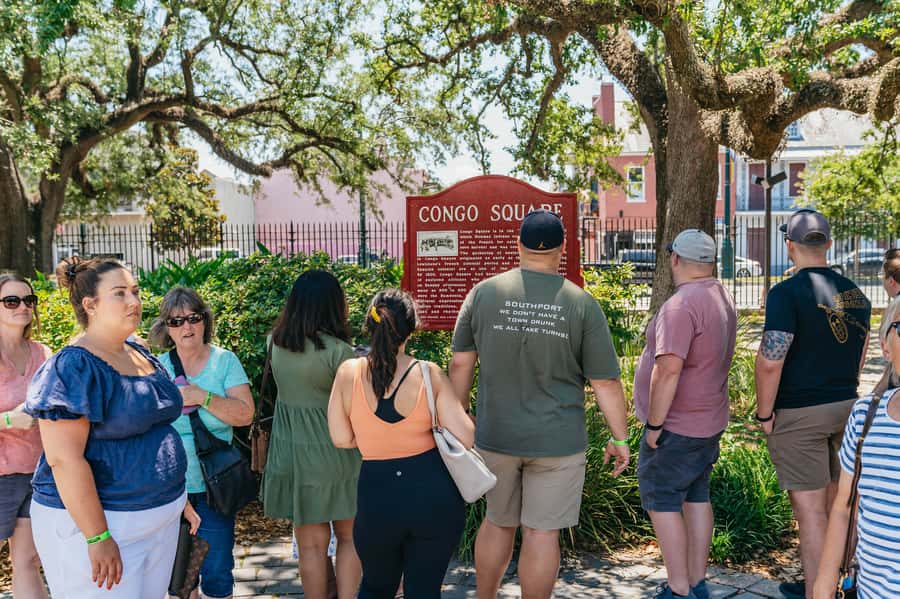
A key part of this experience is stepping beyond the postcard side of the French Quarter. You’ll get time that’s tied to the Treme neighborhood and Congo Square, both linked to Creole culture and the city’s cultural roots.
Why does this matter? Because New Orleans’ most important stories don’t belong to only one block. If you only stay in the most photographed streets, you miss the human networks—music, community, belief systems, and social life—that made the city what it became.
Your guide frames these stops in the larger context of New Orleans’ beginnings and the impact of the slave trade. That can feel heavy, but it’s also where the tour earns its name as a cultural experience rather than a themed stroll. You’re not just learning titles and dates. You’re learning how people survived, practiced faith, and built community even under brutal conditions.
Also, voodoo in New Orleans is never just about a single person. The Marie Laveau story is a centerpiece, but the tour uses it to point at broader practices and cultural relationships. You’ll leave with a clearer sense of why Congo Square and Treme are not just “interesting stops,” but part of the living memory of the city.
The local café break: a practical pause that keeps the tour enjoyable
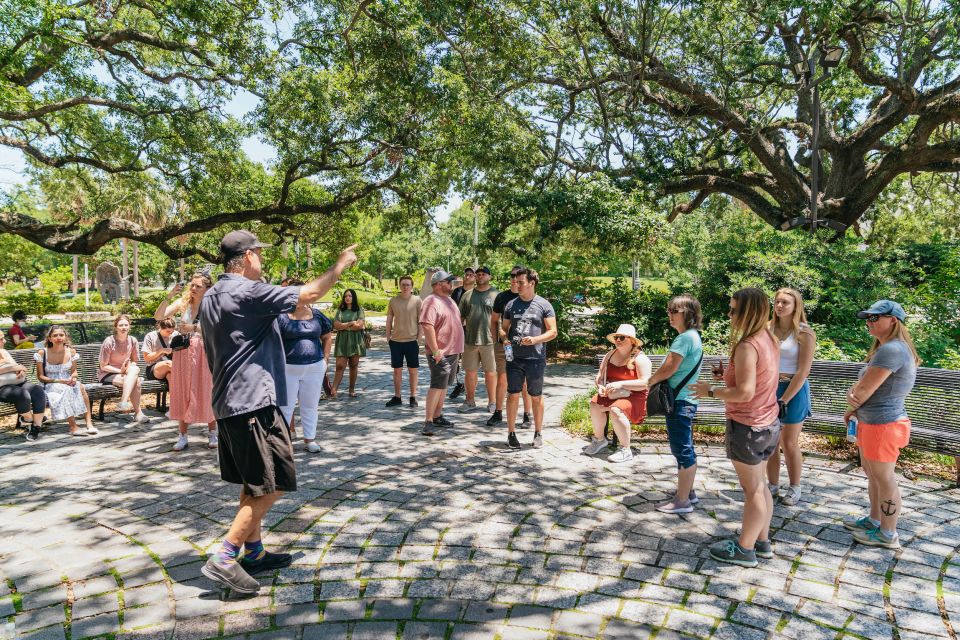
Halfway through, you get a local café break of about 15 minutes. No food or drinks are included, but this is still one of the smart pieces of the format because it keeps you from doing the whole walk dehydrated or cranky.
Think of it as your reset point:
- stretch your legs
- grab water if you need it
- use the restroom if you haven’t yet (restroom access is included on the tour)
If you’re visiting in warmer months, this break is not optional. The French Quarter can feel packed, and that’s true even when you’re just walking between famous landmarks.
Bring a basic plan for the break: you can buy coffee or a drink there if you want. Just remember the tour itself doesn’t include food.
Jackson Square finish: where the stories land
At the end, you finish at Jackson Square. That’s the kind of landmark that pulls in every kind of tourist for a reason—it’s central, easy to recognize, and it gives you a clean “wrap up” spot before you move on to your next plan.
What I like about ending here is that you can immediately turn the tour into something personal. Maybe you want to linger with the new context you just learned. Maybe you want to snap a few photos with a different lens than you had at the start.
Also, finishing in a major public space makes it easy to connect to the rest of your day. You don’t feel locked into one tight loop. You can go explore nearby streets on your own, grab another coffee, or head toward music venues.




Price and pacing: is $29 worth it for two hours?
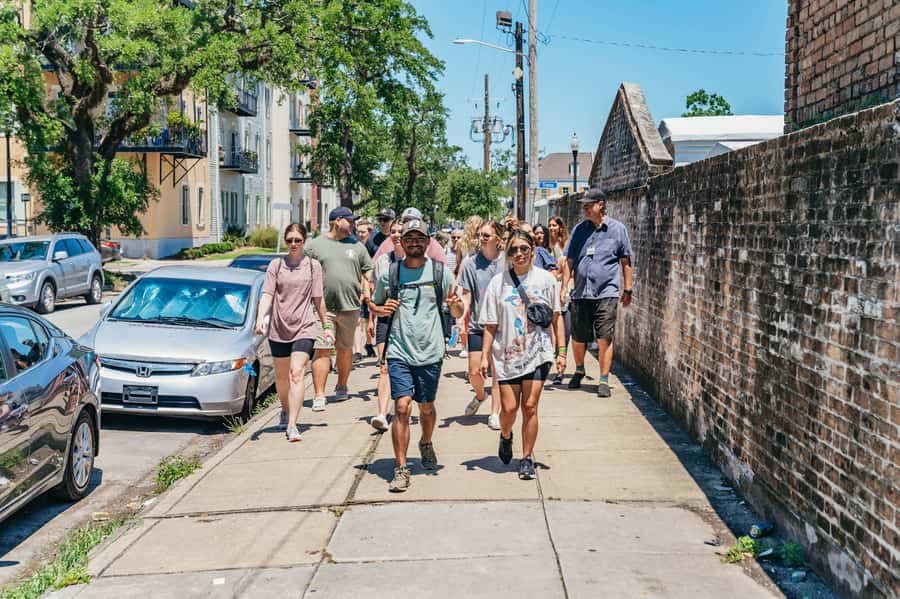
At $29 per person for a 2-hour walking tour, the main value question is time. This isn’t a half-day project. It’s a primer—a structured way to get bearings fast and understand some of New Orleans’ biggest themes without spending your whole morning in transit.
For the money, you get:
- a licensed local guide
- a guided walking experience through the French Quarter and culturally significant areas
- restroom access
- time built in for a short café stop
- a Marie Laveau-centered cultural and historical explanation
If you already know you’ll spend days wandering on your own, this kind of tour still pays off because it changes what you notice. Instead of seeing “pretty buildings and street corners,” you start seeing cultural connections and historical forces.
One more practical note: the tour is wheelchair accessible, which is a plus if you’re planning around mobility needs. Since it’s a walking format, you’ll still want to judge your comfort level for uneven sidewalks and city streets.
Best for first-timers, history lovers, and voodoo-curious minds
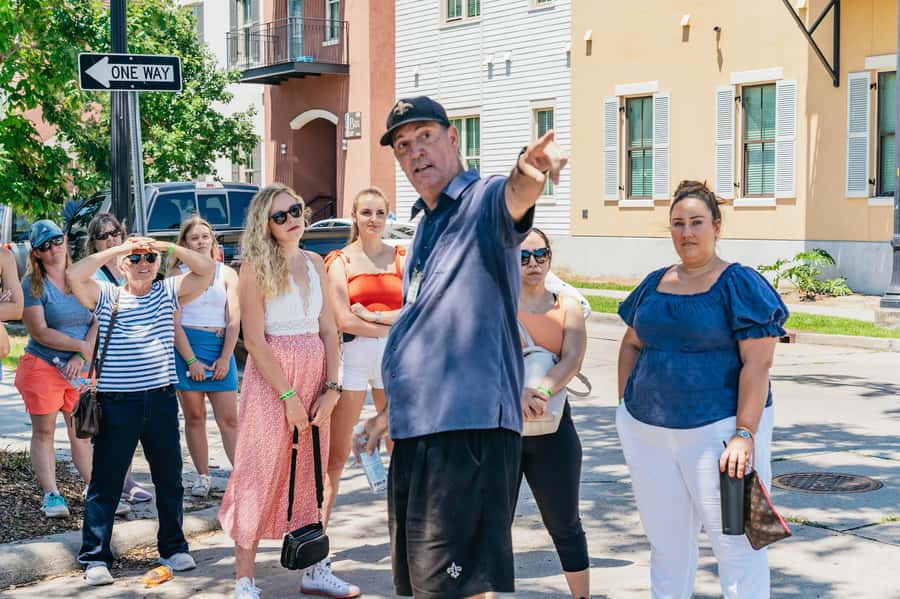
This is a strong fit if:
- you’re seeing the French Quarter for the first time and want context fast
- you’re curious about voodoo in New Orleans, but you want the topic treated with respect and explanation
- you care about Creole culture and want more than surface-level facts
- you like tours where the guide answers questions while you walk
It’s also a good call early in your trip. When your brain is still building a map of the city, the stories give you hooks you’ll remember later while you explore on your own.
If you’re the type who wants a food crawl or a long sitting tour, this probably won’t be your style. The break is there, but food and drinks aren’t included, and the focus stays on walking and learning.
When timing gets tricky: weather, holidays, and closures
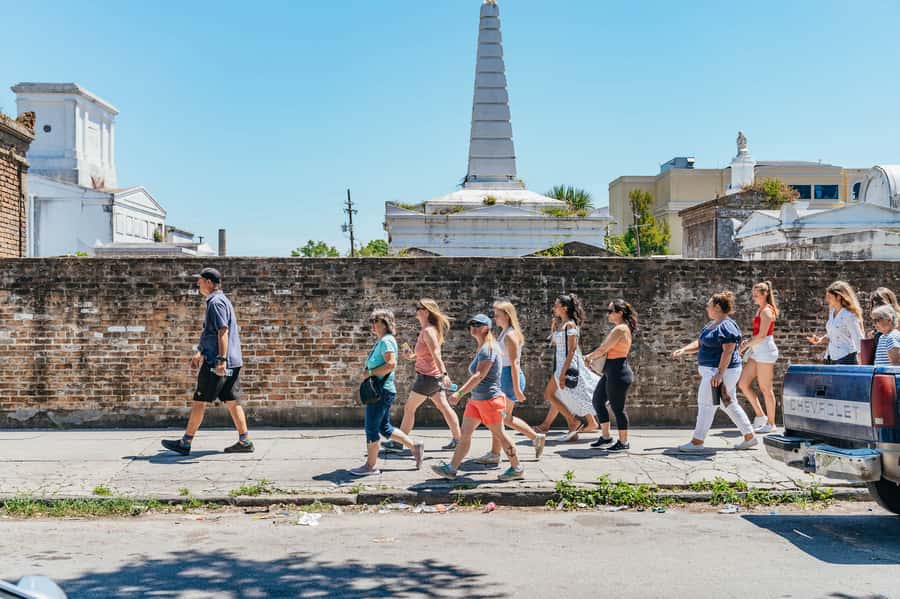
A couple real-world things can affect your day.
- If severe weather hits, the tour may be canceled.
- The tour does not run on December 24, December 25, Mardi Gras Day, or Thanksgiving Day.
And here’s that other consideration again, in plain terms: if you’ve got your heart set on a cemetery visit, don’t assume access will happen every day. Some tour experiences can be limited when cemeteries are closed or restrictions apply. It’s smarter to treat the tour as the core plan, not the cemetery as the guaranteed finale.
Should you book this New Orleans French Quarter, Voodoo, and Culture tour?
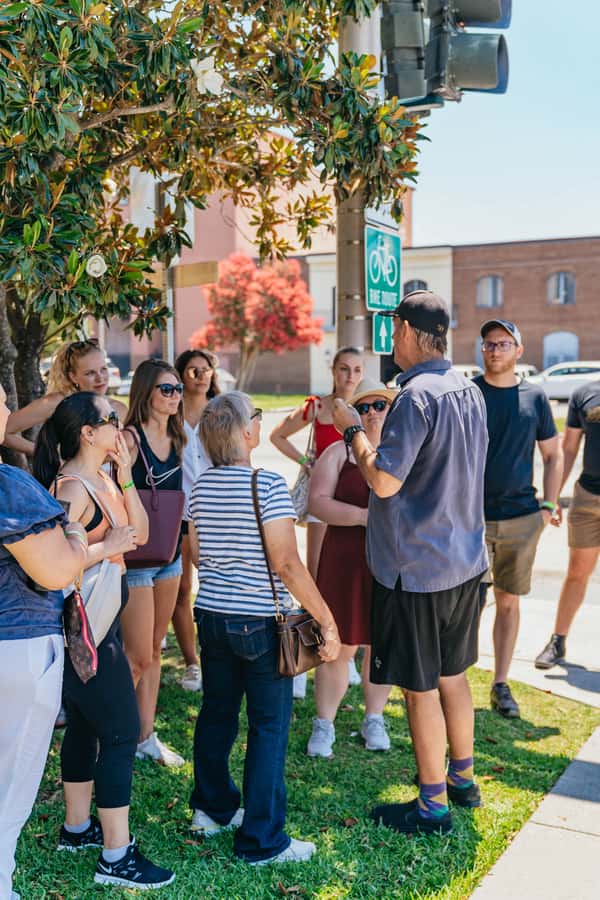
I’d book it if you want a short, guided way to understand why New Orleans looks the way it does—and why stories like Marie Laveau keep showing up in the city’s identity. The guides’ reputation for engaging conversation and staying interactive makes a big difference here. A two-hour walking tour only works if you feel like the time is moving and the guide is keeping everyone with them.
Skip it (or at least adjust expectations) if you’re only after haunted-house entertainment. This experience leans toward history, belief, and cultural context—so you’ll get more meaning than thrills.
If you’re flexible and you wear comfortable shoes, this is a solid start to a New Orleans stay: it gives you a mental map, a cultural lens, and enough landmarks—like Jackson Square—to feel like your day has direction.
FAQ
Where do I meet the tour guide?
Meet your guide at Witches Brew Gallery & Oddities Shop in Exchange Alley. The coordinates are 29.9548694, -90.0669932.
How long is the New Orleans French Quarter, voodoo, and cultural tour?
The tour lasts 2 hours.
How much does it cost?
The price is listed as $29 per person.
What’s included in the tour?
It includes a licensed local guide, a walking tour, and restroom access.
Are food and drinks included?
No. Food and drinks are not included, though there is a local café break during the tour.
What should I bring?
Bring comfortable shoes and water.
Is the tour wheelchair accessible?
Yes, the tour is wheelchair accessible.
What days is the tour not running?
It does not run on December 24 and December 25, Mardi Gras Day, or Thanksgiving Day.
What happens if there’s severe weather?
The tour may be canceled due to severe weather.
Can I get a refund if I cancel?
Yes. There is free cancellation up to 24 hours in advance for a full refund.