REVIEW · NEW ORLEANS
New Orleans: The National WWII Museum Ticket
Book on GetYourGuide →Operated by The National World War II Museum · Bookable on GetYourGuide
WWII history hits hard in New Orleans. This ticket takes you into the National WWII Museum, a purpose-built campus of five soaring pavilions that walks the American story of the war that reshaped the world.
I especially like two things: the way D-Day landing crafts (designed and built in New Orleans) help you picture what invasion really meant, and the up-close catwalks at the aircraft exhibits that turn “seeing airplanes” into a physical experience.
One consideration: the museum is large and the stories demand attention, so if you try to do it like a quick stop, you’ll feel rushed and some areas can feel crowded.
In This Review
- Key Takeaways Before You Go
- What This WWII Museum Ticket Really Gets You
- Where Your Visit Starts on Andrew Higgins Blvd
- Louisiana Memorial Pavilion: D-Day and What the War Did at Home
- Campaigns of Courage: Road to Tokyo and Road to Berlin
- Arsenal of Democracy and Campaign Stories You Can Pair
- U.S. Freedom Pavilion: Aircraft Up Close, Plus the Ground War
- Liberation Pavilion: The Final Chapters After the Fighting
- Solomon Victory Theatre and the 4-D Film Beyond All Boundaries
- Food, Breaks, and Where to Land After All That Reading
- How Long You Truly Need for One Day
- Accessibility, Checkpoints, and Practical On-Site Tips
- Should You Book This National WWII Museum Ticket?
- FAQ
- Where do I enter the museum for this ticket?
- Is museum admission timed?
- What time is reserved if I add the 4-D film?
- Is the guided tour included automatically?
- How long is the ticket valid?
- Is Beyond All Boundaries included with the base ticket?
- Can I cancel for a refund?
- Where is the paid parking garage?
- Are wheelchairs available onsite?
Key Takeaways Before You Go
- You’re choosing between timed extras and flexible museum entry: your 4-D or guided-tour time is reserved, but museum admission can be anytime.
- D-Day plus the Home Front give the war real context instead of starting only at battlefields.
- Road to Tokyo and Road to Berlin are built like stepping stones through hard campaigns, not a single timeline wall.
- The aircraft viewing is the highlight for a lot of people, thanks to aircraft suspended/positioned for close viewing and high catwalks.
- Beyond All Boundaries in 4-D is optional but frequently worth it, since it’s scheduled to a specific time slot.
- Plan more than a half-day if you want to read, watch the short pieces, and take breaks.
What This WWII Museum Ticket Really Gets You
This ticket is priced at about $37 per person for a 1-day visit. The key value isn’t just that you can enter a museum. It’s that the museum’s layout is built to move you through the war in a clear story arc—why it was fought, how it was won, and what it means now—across multiple pavilions.
Your purchase can include different combinations:
- Timed or non-timed entry (depending on the option you choose)
- Timed entry to the 4-D film if you pick that option
- A guided tour option for the Campaigns of Courage area (the two main campaign exhibits)
- Another guided tour option called Arsenal of Democracy
The practical takeaway: if you want one big emotional anchor, prioritize the 4-D film option. If you want a smoother “what am I looking at and why?” experience for the exhibit-heavy areas, add one of the guided tours.
You can also read our reviews of more tours and experiences in New Orleans.



Where Your Visit Starts on Andrew Higgins Blvd
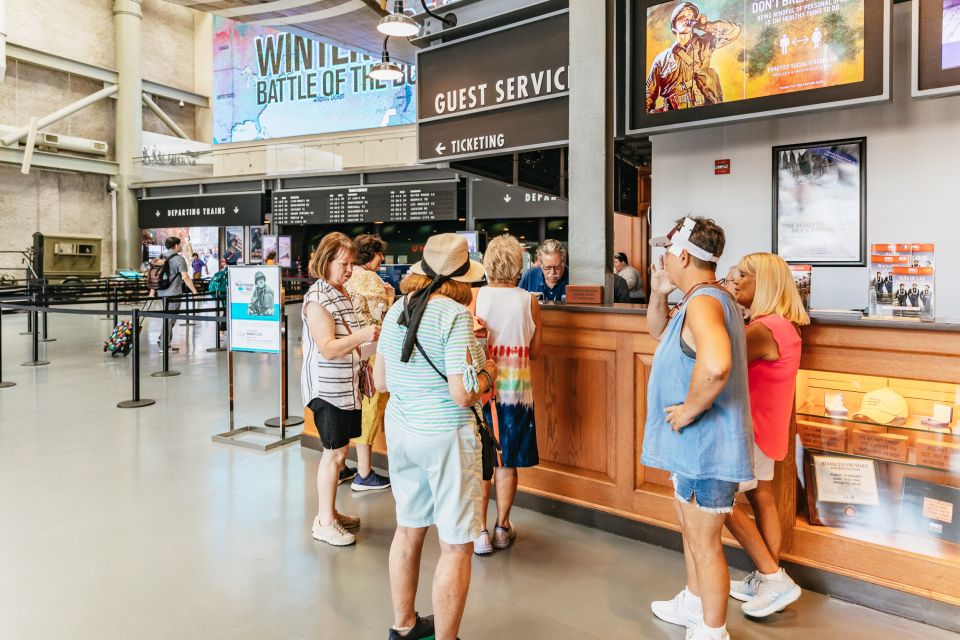
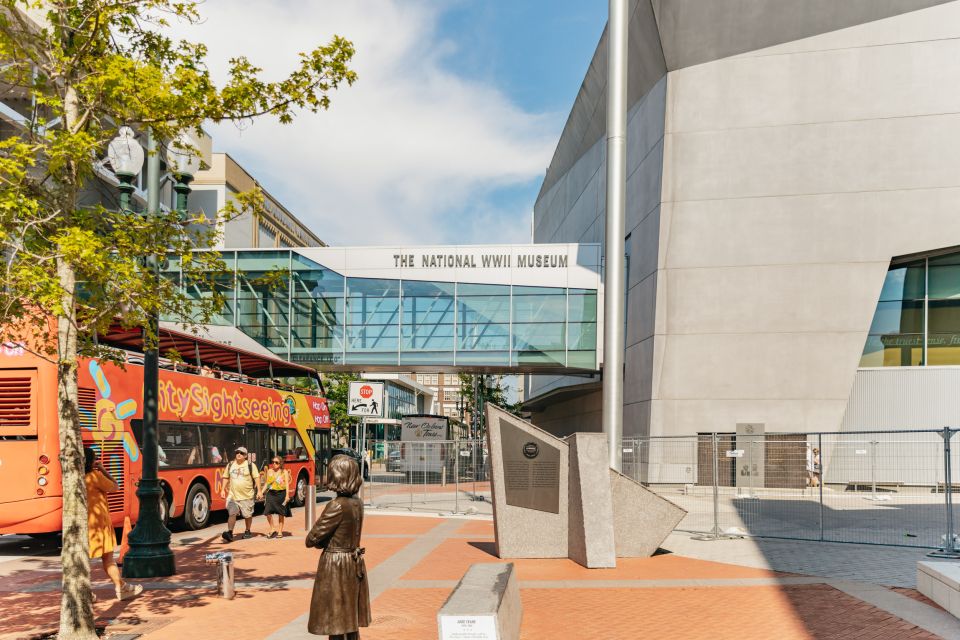
Go to the main museum entrance on the north side of Andrew Higgins Blvd. Show your barcoded ticket, and staff will direct you where to get your barcode(s) scanned and where to pick up your visitor guide.
If you’re driving, there’s a paid parking garage at 1024 Magazine Street. The museum layout is spread across multiple buildings, so having a clear start point helps you avoid backtracking.
Also, note the rules on taking photos: no flash photography or video. It’s the kind of place where most people naturally slow down anyway, so this feels less like a limitation and more like part of the respectful tone.
Louisiana Memorial Pavilion: D-Day and What the War Did at Home
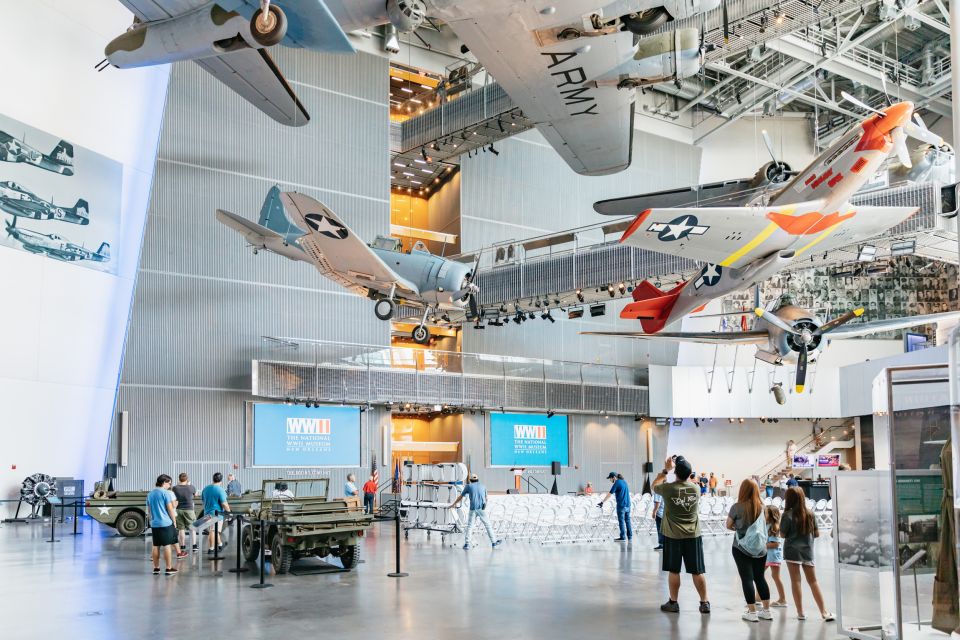
The Louisiana Memorial Pavilion sets the stage. It’s where you’ll find the D-Day Invasion of Normandy exhibit, tied to a uniquely New Orleans connection: the landing crafts were designed and built here.
This matters because it changes the feel of D-Day. Instead of only seeing a famous moment from afar, you’re pushed toward details—what the technology looked like, how it was meant to function, and what it took to build and deploy it. It also helps you understand why the war effort wasn’t one distant storyline; it involved design, production, and pressure across the country.
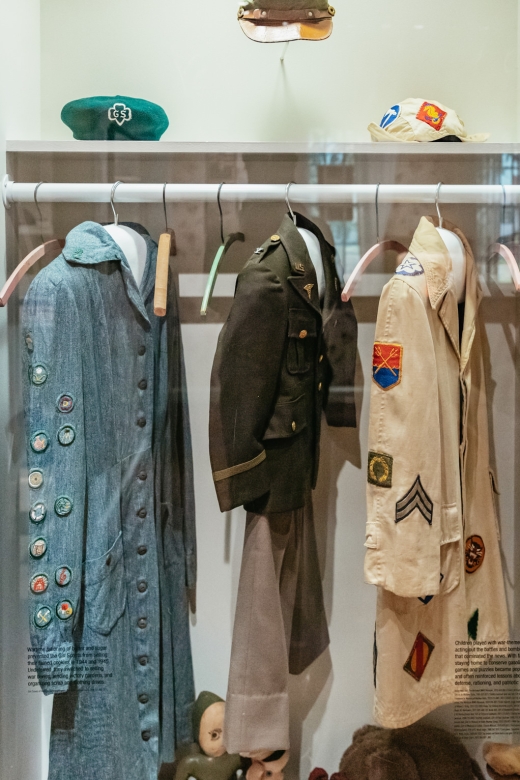
In the same pavilion, you’ll also find the Home Front story. That’s where the museum makes a strong point: war is not just what happens overseas. The exhibit helps you connect public life, resources, and daily decisions to the larger battle outcome.
Tip for pacing: this museum includes lots of readable text and short pieces along the way. If you’re the type who reads every label, plan to move slower here. If you skim, you’ll still pick up the “big why” without feeling lost.
Campaigns of Courage: Road to Tokyo and Road to Berlin
This area is structured around two major campaign arcs: the Road to Tokyo exhibit and the Road to Berlin exhibit.
The Road to Tokyo section retraces the trail from Pearl Harbor to Tokyo, emphasizing the grueling path of progress and setback. The museum doesn’t treat it like a single forward march; it shows how momentum costs time, distance, and people.
Then Road to Berlin recreates actual battlefield settings and villages as America campaigned to defeat the Axis powers. This part can hit hard because the environment is built to feel lived-in, not just explained. You’ll likely find yourself pausing to take in the scale and the realism.
If you want help making sense of it, you can book the two-hour guided tour for these two exhibits with an expert docent. A guided tour is also the best option if your group has mixed interests—someone might love airplanes, someone might love maps, and a docent can keep both engaged.
Arsenal of Democracy and Campaign Stories You Can Pair
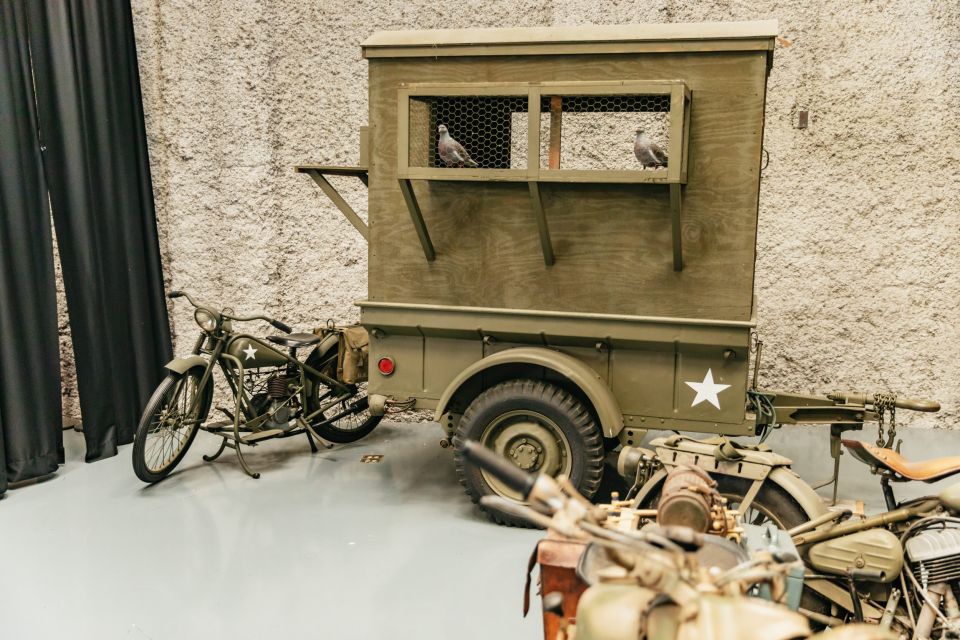
You can also add the Arsenal of Democracy tour to your visit. While the museum’s campaign areas give you the war’s movement, tours like this generally help connect the bigger dots—how the home production effort and the political choices shaped what troops could do.
The best way to choose between options is simple:
- If you want the war to feel like a story with explanations as you go, pick a guided tour.
- If you’d rather spend that time reading at your own pace and still see everything, skip the docent and use the visitor guide.
Either way, the museum keeps the exhibits organized so you don’t need to be a WWII expert to follow the arc.





U.S. Freedom Pavilion: Aircraft Up Close, Plus the Ground War
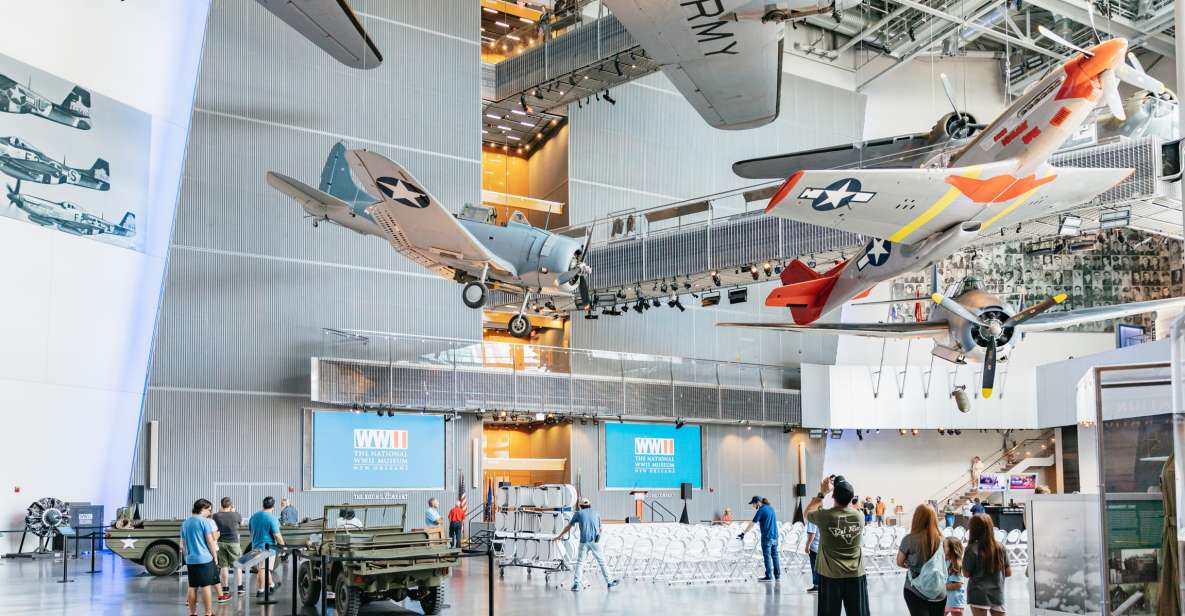
The U.S. Freedom Pavilion is where the museum flexes visually. You’ll see restored WWII aircraft, including the B-17E Flying Fortress, plus wartime tanks and trucks.
One reason people rave about this building is how the viewing is arranged. The museum’s sky-high catwalks give you an up-close look at iconic airplanes that’s hard to replicate in a typical gallery. It’s not only about looking at a display case; it’s about getting near the aircraft and seeing them in a way that feels closer to scale.
You’ll also benefit from moving through in a loose loop rather than stopping too long in only one corner. This pavilion has enough to keep you engaged for a while, but it’s also easy to get “stuck” at one aircraft.
If you have mobility needs, remember the site is accessible, but wheelchairs are limited and first-come-first-served. Plan to request them early.
Liberation Pavilion: The Final Chapters After the Fighting
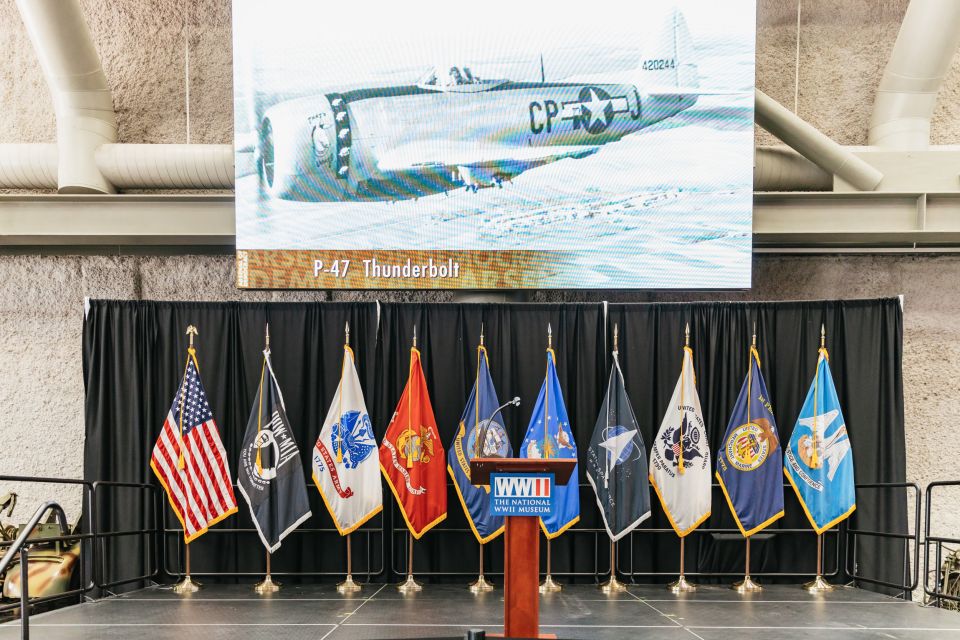
The museum’s Liberation Pavilion focuses on the closing months of the war and the immediate postwar years. It ends with an explanation of links to our lives today.
This section is important because it changes the ending. A lot of WWII experiences stop at victory. Here, you’re nudged to think about what “winning” meant afterward—what came next for people who survived and for societies trying to rebuild.
Even if some exhibits feel emotionally heavy, the pacing works. The museum doesn’t leave you stranded in grief; it gives you a final interpretive path.
Solomon Victory Theatre and the 4-D Film Beyond All Boundaries
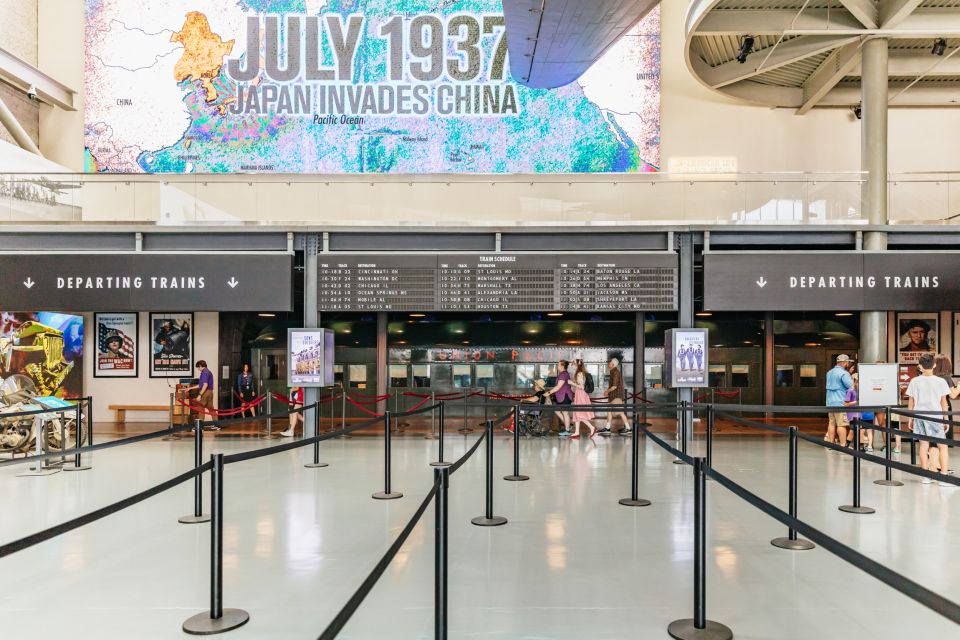
If you add one optional extra, this is usually the one: Beyond All Boundaries in the Solomon Victory Theatre.
It’s a 4-D film narrated by Tom Hanks, and it uses timing and effects to pull you into the WWII story from a sensory angle. The “4-D” approach isn’t subtle. It’s designed to be felt—so if you’re sensitive to intense effects (or you’re traveling with someone who doesn’t like that style), plan accordingly.
Here’s a big logistics point that makes the experience easier: your reserved time on the ticket applies to the 4-D film. Your museum admission (the base ticket) is typically good for anytime entry. That means you can build your day around the film time without feeling boxed in for the rest of the museum.
Practical tip: if you’re trying to see as much as possible, don’t schedule the 4-D too early unless you’re sure you can handle a full museum day afterward. The film is moving and it can shift your energy.
Food, Breaks, and Where to Land After All That Reading
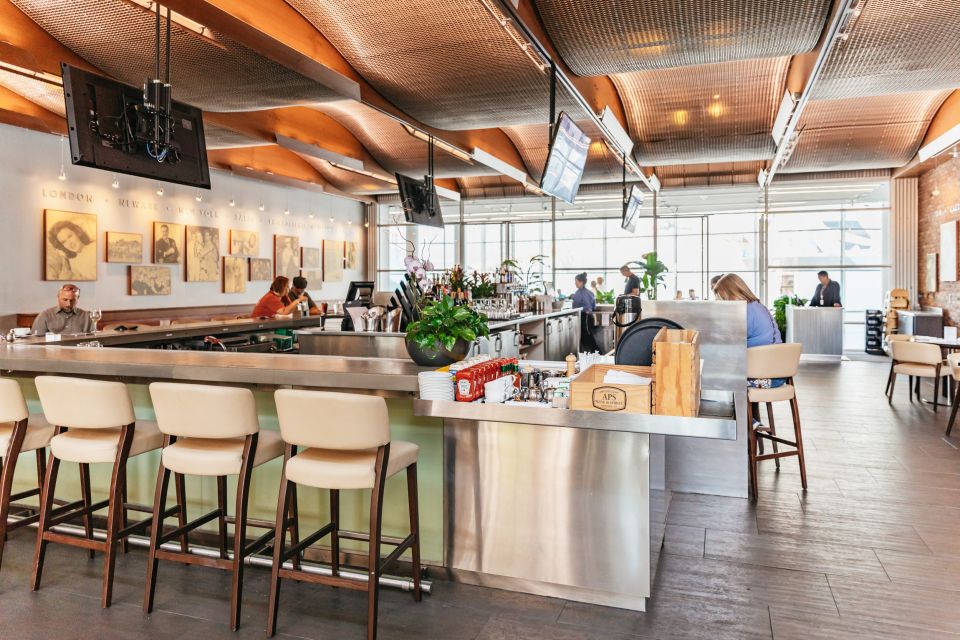
You’re not forced to eat your way through the day. The museum has a main restaurant option: American Sector Restaurant & Bar.
- Open Sunday to Friday from 11:00 AM to 2:00 PM
- Open Saturdays from 11:00 AM to 3:00 PM
This helps you plan lunch around your exhibit flow. If you’re doing a guided tour that runs through a campaign section, it’s usually smart to time your lunch right after a major exhibit cluster.
And yes, it’s New Orleans, so don’t be shocked if you want a sweet finish. One visitor mentioned wrapping up with a chocolate shake at Jerri’s—not inside the museum, but as an end-of-day treat that fit the “celebrate surviving the museum” vibe.
If you like to snack instead of sitting, you’ll probably find you need it. The museum rewards you when you pause—short breaks keep you from reading burnout.
How Long You Truly Need for One Day
The museum’s size is the number-one thing I’d underline. Even though the ticket is for 1 day, many people end up planning a longer block.
From the experiences shared, a common pattern looks like:
- You can see a lot in 4 to 5 hours, but you might still miss buildings.
- Several visitors said they spent almost 7 hours and still didn’t see everything.
So here’s my practical advice: treat this as a full-day commitment. If you try to do it like a “morning only” plan, you’ll probably feel like you’re skipping parts instead of experiencing them.
If you have flexibility, schedule the day with fewer other activities. If you’re staying nearby, you can still do other New Orleans fun—but let the museum be the anchor.
Accessibility, Checkpoints, and Practical On-Site Tips
The museum is wheelchair accessible, and informational booklets are available onsite in Chinese, English, French, Japanese, and Spanish. That’s a real help if English isn’t your first language, especially in areas with lots of written material.
A couple of practical notes:
- There are checkpoints and staff/assistants to help you find the right routes, which can make the layout feel easier even though it’s big.
- The museum sometimes helps visitors “follow a soldier’s story” with items like a paper dog tag. If you like narrative structure, pick it up at the start and let it guide your attention.
- If you’re making an arrangement late in the day, reservations after 3:00 PM should expect a shortened visit. Don’t gamble on a long day plan if you’re booking a late time slot.
Should You Book This National WWII Museum Ticket?
I’d book it if you want:
- A single-day way to understand WWII through the American experience
- Real artifacts and restored aircraft, including the chance to get close to WWII airplanes
- Optional upgrades that can make the day more emotional and easier to follow, like the 4-D film and the docent-led campaign tours
I might skip or simplify the plan if:
- You only have a few hours and hate reading
- Your group strongly dislikes “effects” style attractions (then consider skipping Beyond All Boundaries and focusing on the pavilions instead)
- You’re trying to stack lots of plans the same day—this museum rewards time more than speed
Overall, this ticket is strong value because it doesn’t treat WWII like a one-room exhibit. You’re buying access to a full, story-shaped campus, plus the option to add a high-impact film or a guided campaign walkthrough.
FAQ
Where do I enter the museum for this ticket?
Enter the main museum entrance on the north side of Andrew Higgins Blvd. Show your barcoded ticket, and staff will direct you to the right place to scan and pick up your visitor guide.
Is museum admission timed?
It depends on the option you choose. If you select a timed 4-D film or guided tour, the museum admission ticket that comes with it is valid for anytime entry and is not timed.
What time is reserved if I add the 4-D film?
The time shown on your ticket is your reserved time for the 4-D film slot. Your museum admission can still be used anytime.
Is the guided tour included automatically?
Not always. Guided tours are included only if you select the guided tour option. Without that option, there is no live guide.
How long is the ticket valid?
This is a 1-day ticket. You can visit within that day based on the starting times available for your selected option.
Is Beyond All Boundaries included with the base ticket?
No. The 4-D film Beyond All Boundaries requires choosing the option that includes the timed 4-D film.
Can I cancel for a refund?
Yes. There is free cancellation up to 24 hours in advance for a full refund.
Where is the paid parking garage?
Paid parking is available in a garage at 1024 Magazine Street.
Are wheelchairs available onsite?
Wheelchairs are available, but there are a limited number and they are given out on a first-come-first-served basis during your visit.