REVIEW · SEATTLE
Seattle: Pike Place Market Chef-Guided Food Tour
Book on GetYourGuide →Operated by Eat Seattle · Bookable on GetYourGuide
Seattle smells like dinner.
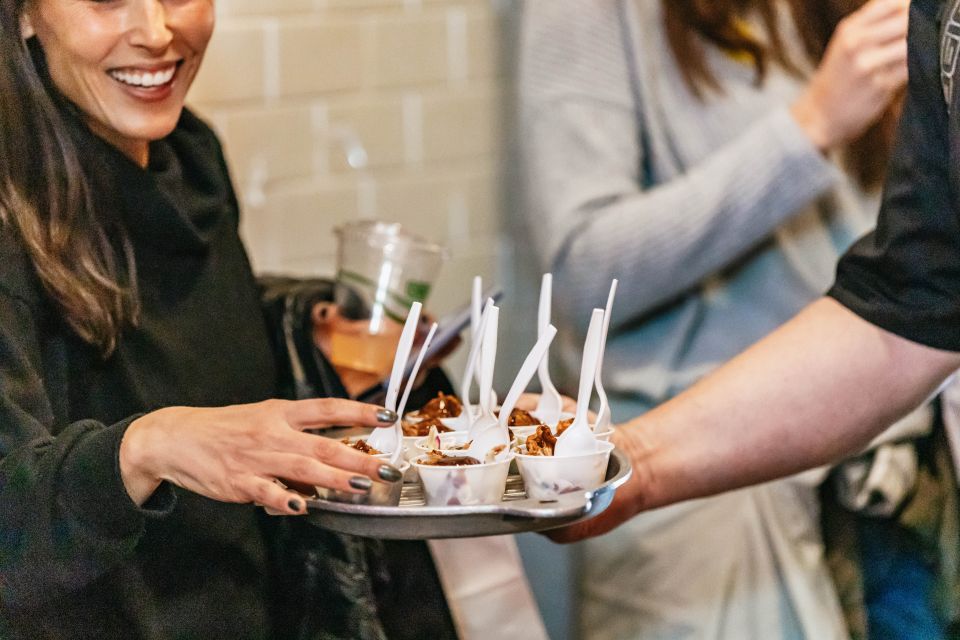
This chef-guided walk through Pike Place Market turns a maze of stalls into a clear route of 9 tasting stops, with the guide pointing out what to buy and why it matters. I especially like how the food comes with context, from product choices to Pacific Northwest staples like seafood chowder.
You’ll also love the payoff: you get standout bites (including chocolate-covered Rainier cherries) plus memorable local comfort food like tacos, cheese, gelato, and more. One thing to consider: it’s a fast-paced two hours with hills and stairs, and it’s not for people with dairy-free or gluten-free dietary restrictions.
In This Review
- Key things I think you should care about
- Pike Place Market, guided by a chef who actually shops there
- Two hours on foot: how the route feels in real life
- Your 9 tasting stops: the flavors you can plan around
- 1) Pacific Northwest seafood, fast: Pike Place Chowder
- 2) A working-chocolate stop: Chukar Cherries and the Rainier cherry
- 3) Taco stop, made by the owners
- 4) Hokkaido scallops: a seafood standout
- 5) A meat-and-produce mindset: learn how to pick what’s good
- 6) Cheese: the one you’ll want to remember later
- 7) Seattle Dog and other market classics
- 8) Gelato: your sweet reset
- 9) Truffle cream and the last bite effect
- The 10% discount card: why it’s a real perk, not just a coupon
- Meet your guide: small details that make a big difference
- Who this tour is best for (and who should skip it)
- Price and value: does $70 make sense for a 2-hour market run?
- Should you book this Pike Place Chef-Guided Food Tour?
- FAQ
- Where is the meeting point for the Pike Place Market chef tour?
- How long is the tour, and how many tastings are included?
- What’s included in the price?
- Do I skip the line at Pike Place Chowder?
- Is this tour suitable for gluten intolerance or gluten-free diets?
- Is the tour physically demanding?
- What should I bring?
Key things I think you should care about
- Nine tasting stops guided by a working chef, not just a random stroll
- Skip-the-line access at Pike Place Chowder through a separate entrance
- Rainier cherry spotlight via chocolate-covered samples from Chukar Cherries
- Practical shopping tips on choosing fresh produce and meat
- 10% discount card for selected partner vendors in the market (use it while you’re there)
Pike Place Market, guided by a chef who actually shops there
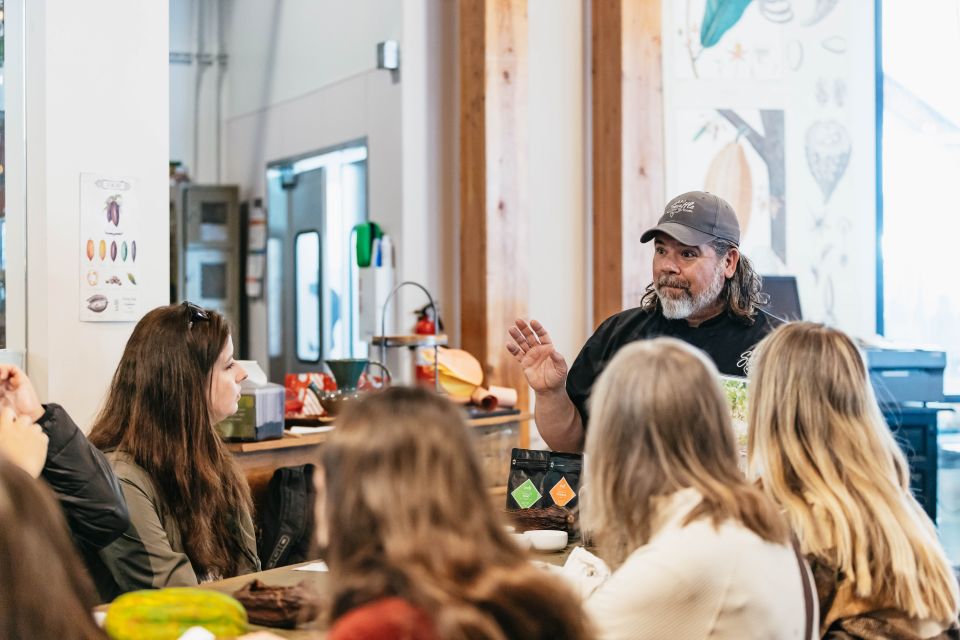
Pike Place Market is one of those places where you can wander for hours and still feel like you missed something. This tour solves that problem with a simple idea: you follow a chef who knows where to go and how to judge what’s worth eating. You’re not just tasting. You’re learning how local vendors think, what they prioritize, and what’s freshest at the moment.
The best part for me is the pacing. With nine stops in about two hours, the tour gives you a compact “best-of” experience without making you stand in long lines for each craving. And the guide isn’t just telling stories from a brochure. You’ll hear about the food, the people behind the stalls, and the shopping logic that Seattle locals use.
You can also read our reviews of more tours and experiences in Seattle.



Two hours on foot: how the route feels in real life
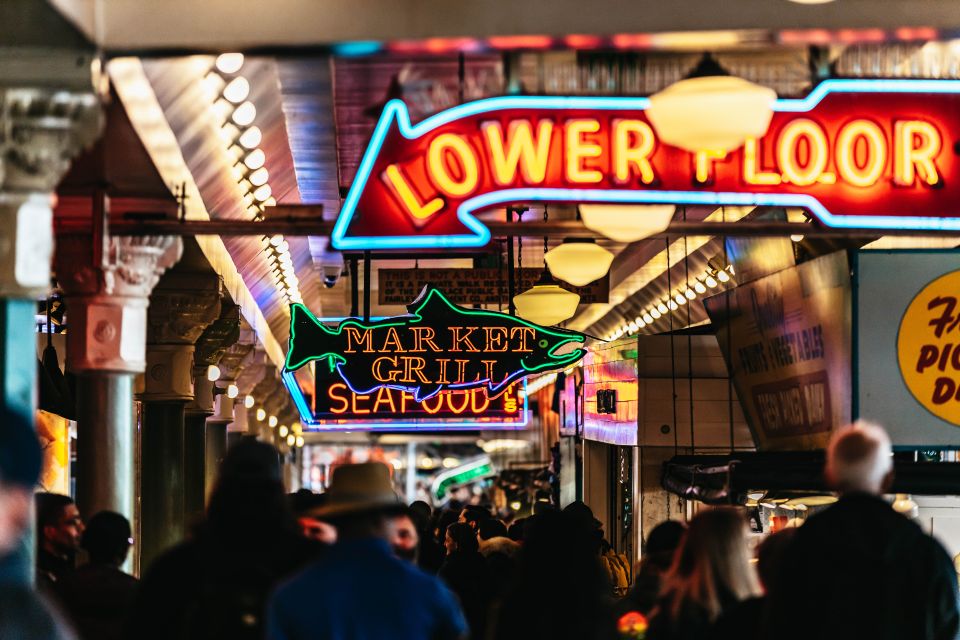
This is a walking food tour, built for short samples and quick movement. Your group size is typically around 10 to 12 people, which is big enough to feel lively but small enough that you don’t lose the guide every other minute. The route includes hills, stairs, and limited seating, so wear comfortable shoes and expect to keep moving.
Expect a “step, taste, listen” rhythm. The bites are described as light samples, but most people end up surprisingly full. One common theme in the tour experience is that you leave feeling fed—sometimes like you already ate your dinner plan.
Also, the market is loud. One review noted that even with a portable mic, it can be hard to hear over the crowd. That’s not a reason to skip the tour; it’s just a heads-up that if you’re near the back, you might catch less detail. If you want the full benefit, try to stay within a few steps of your chef-guide.
Your 9 tasting stops: the flavors you can plan around
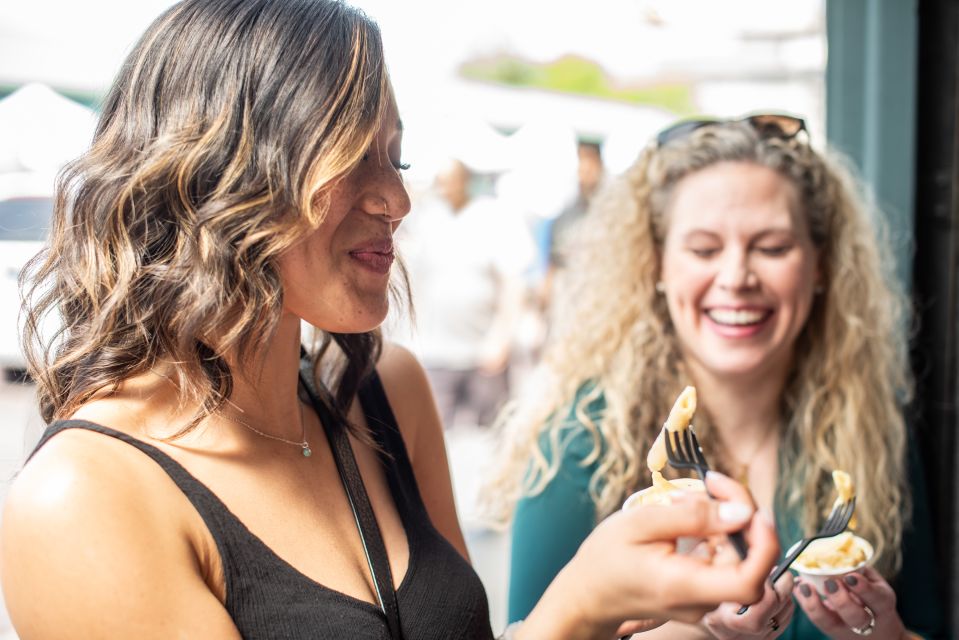
The exact tasting mix can vary by date and time, but the tour is consistently built around a range of Pacific Northwest favorites: seafood, fruit and chocolate, hearty lunch staples, and sweet finishes. Here’s how to think about the stops you’re likely to encounter based on what the tour highlights and what shows up repeatedly in real guide-led experiences.
1) Pacific Northwest seafood, fast: Pike Place Chowder
One of the tour’s biggest time savers is that you’ll get to taste Pike Place Chowder without the long wait. The tour uses a separate entrance for skipping the line, so you spend your appetite on the food instead of the clock.
This stop matters because chowder at Pike Place isn’t just chowder. It’s the shorthand for what the region does well: seafood-forward flavors and comfort food that feels like Seattle weather—rain-ready but still satisfying. If you’re new to the city, this is one of the easiest ways to understand the local taste profile quickly.
Potential drawback: if you dislike seafood, this stop won’t convert you. It’s still a key anchor of the tour.
2) A working-chocolate stop: Chukar Cherries and the Rainier cherry
If you’ve ever heard the phrase Seattle and cherries in the same breath, this is why. You’ll taste several types of chocolate-covered cherries at Chukar Cherries, including Seattle’s famous Rainier cherry.
This stop is fun for a couple reasons. First, it’s genuinely different from the usual “tour sweets” you get in other cities. Second, it’s a local specialty you can remember later when you’re trying to picture what makes Seattle feel like itself.






3) Taco stop, made by the owners
Another recurring highlight is the taco stop where you try what the owners make themselves. You’re not eating a random sampling tray. You’re tasting something treated like a main event—small portion, big personality.
This is the part of the tour that shifts you from snack mode into “this could be my lunch” mode. If you like street-food energy but still want local market credibility, this is a strong stop to chase.
4) Hokkaido scallops: a seafood standout
One guide-led highlight mentions Hokkaido scallop tastings. That’s a good clue that the tour isn’t only doing the safe, expected seafood hits—it’s willing to bring higher-end bites into the mix.
Why this matters: if Pike Place Market is where you go for the classic stuff, this tour also gives you a reason to think bigger than tourist souvenirs. Scallops are delicate; they also show up when a vendor is serious about sourcing and freshness.
5) A meat-and-produce mindset: learn how to pick what’s good
A big promise of the tour is that your chef will teach you how to select the finest meat and fresh produce. Even if you don’t buy anything that day, you’ll leave with a better eye.
Use this stop to train your brain for future market shopping. When you know what “fresh” actually looks and smells like, you stop guessing at counters. That skill carries over to grocery stores, farm stands, and even restaurant choices back home.
Small caution: the tour is not designed for long sit-down lectures. You’ll learn by watching and sampling, then keep moving.
6) Cheese: the one you’ll want to remember later
Cheese shows up as a featured stop. This is a smart inclusion because market cheese tasting is one of the few ways you can compare flavors quickly—soft vs. firm, salty vs. mild, tangy vs. buttery—without turning it into an all-day mission.
If you’re the kind of person who brings back food gifts, this is the stop that gives you ideas. One of the most practical things about market tours is that you learn what’s easy to pack, share, and enjoy later.
7) Seattle Dog and other market classics
Some tours include a Seattle Dog tasting as part of the mix. That’s a great example of the market’s hybrid vibe: local ingredients, casual feel, and comfort food that isn’t trying too hard.
If you want a “Seattle lunch” moment that still works in a short, guided format, this is the kind of stop to look for.
8) Gelato: your sweet reset
Gelato appears as a stop highlight in these chef-guided experiences. This works because the tour usually follows a natural energy arc: savory first, then a sweet reset before your final bites.
Gelato also helps you think beyond the market’s famous salty side. It’s a reminder that Pike Place isn’t only about fish and fruit. Sweet shops have real pride here too.
9) Truffle cream and the last bite effect
Truffle cream (or truffle-forward sweet tastings) shows up in the tour experience. This tends to be the stop that makes the whole day feel like a complete meal instead of separate snacks.
The main value of a final sweet stop is timing. After hours of walking and tasting, you’re more likely to pick up flavors you’ll want to replicate later—plus it gives you something to bring back as a gift if you still have room in your plans.
The 10% discount card: why it’s a real perk, not just a coupon
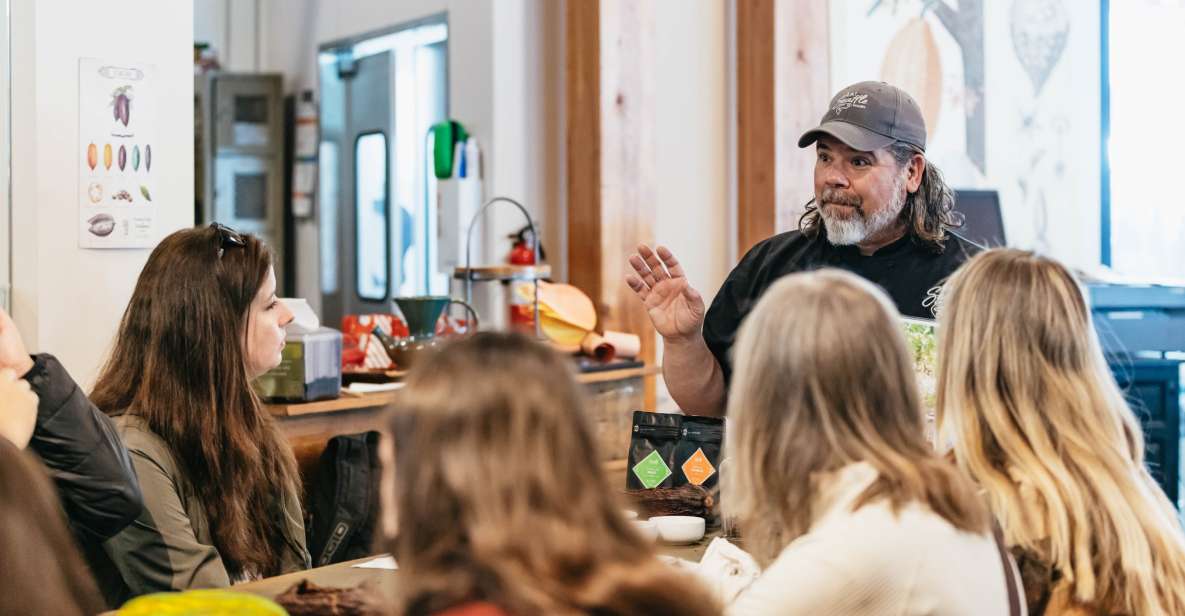
The tour includes a discount card with 10% off at selected partner vendors. This is where the tour can quietly pay for itself if you’re the kind of shopper who usually overthinks purchases.
Here’s the practical way to use it:
- Save your heavier shopping until after your tasting stops, so you know what you actually like.
- If a vendor sells something you’ve already tasted, you’re buying with confidence instead of hope.
- Think gifts. Market food gifts are easier when you already know what tastes good.
The discount doesn’t mean every stall is discounted, but the card is still a strong “keep going” incentive. You get the guided sampling first, then you can circle back with a reason.
Meet your guide: small details that make a big difference
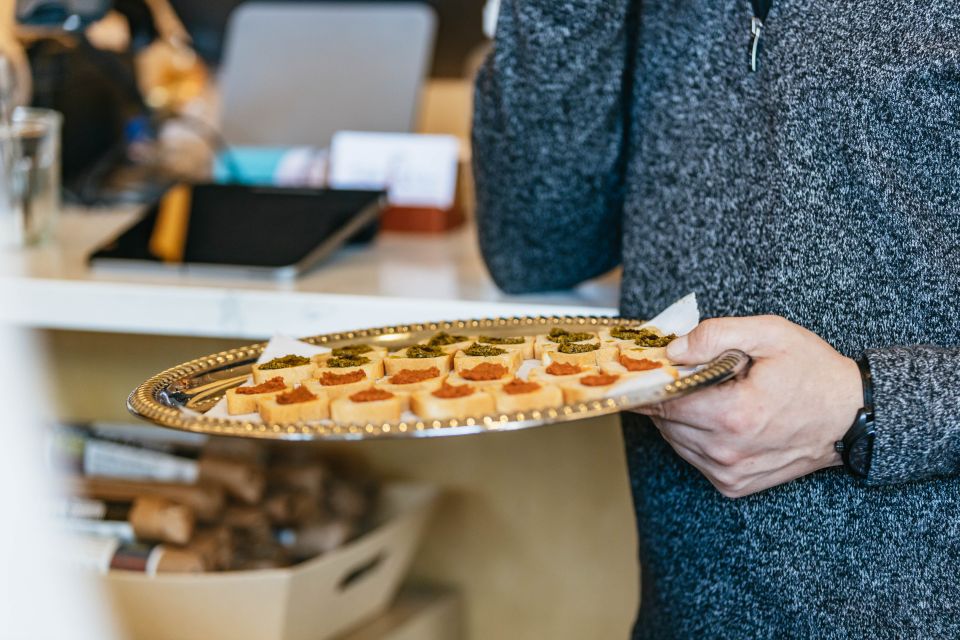
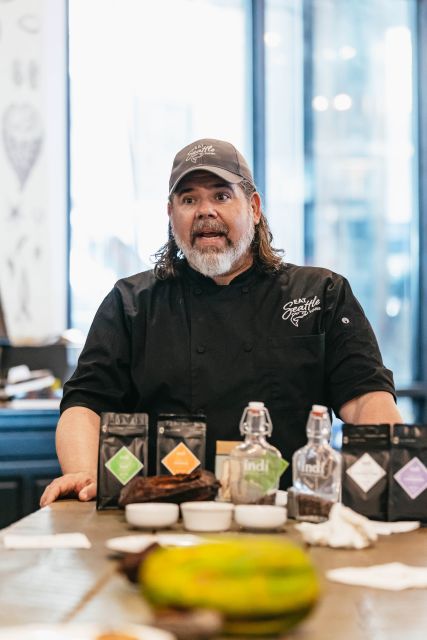
You meet your chef-guide outside of Simply Seattle at 1600 First Ave, at the corner of First Ave and Pine St. Your guide will be wearing a black chef coat and will meet you on the street. Arrive a little early, because the tour starts on time.
Why the meeting point matters: Pike Place can be chaotic, and the fastest way to ruin a good tour is being flustered before it even starts. Showing up early lets you get oriented, find the guide quickly, and focus on the first tasting.
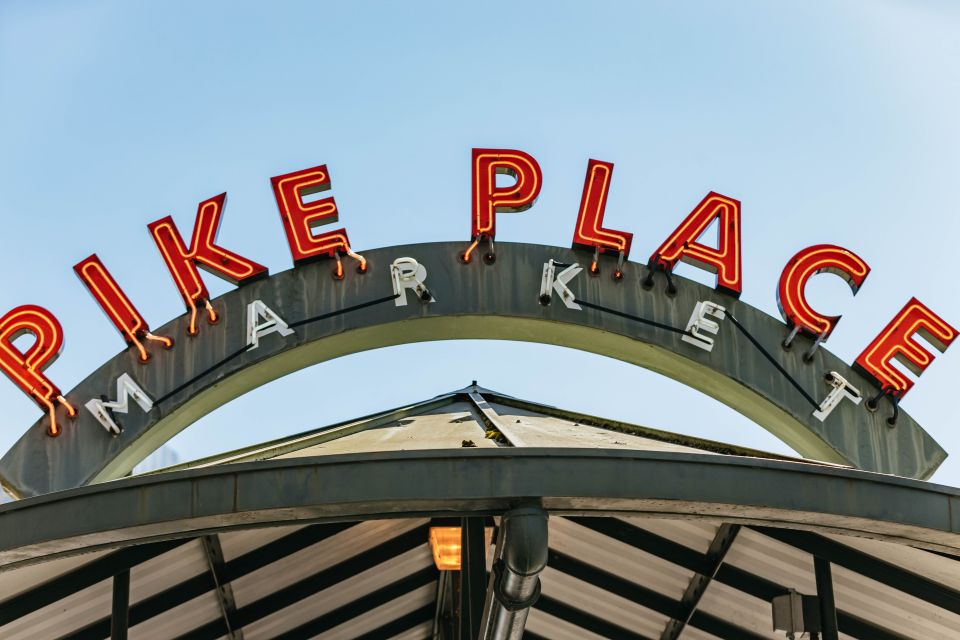
Also, this tour is licensed to operate within the Pike Place Historical District area, with permission from the Pike Place Market PDA. That’s a small but reassuring detail. It means you’re dealing with a recognized operator, not a random walk-up pitch.
Who this tour is best for (and who should skip it)

This is a great fit if you:
- Want Seattle food basics with a chef explaining what you’re tasting and how to shop
- Like sampling a lot without standing in lines
- Want a short intro to Pacific Northwest flavors—seafood-forward, produce-focused, and sweet-to-finish
- Are okay with walking and hills in exchange for a focused route
It’s not a great fit if you:
- Need a dairy-free or gluten-free menu. The tour specifically isn’t for people with dairy-free or gluten-free dietary restrictions.
- Have gluten intolerance. This tour is noted as not suitable for gluten intolerance.
- Prefer a slow, sit-and-stare experience. The tour is fast-paced with small bites and limited seating.
If you’re traveling with kids, the tour can work well too. Several guides are described as positive and inclusive, even with younger guests. Just keep in mind the pace is still quick.
Price and value: does $70 make sense for a 2-hour market run?
At $70 per person for about two hours, this is not the cheapest way to eat at Pike Place Market. But it can be good value if you treat it as two things at once: a guided experience and a meal you don’t have to plan.
What you’re paying for:
- A chef guide running a structured route
- Nine tasting stops, so you try more than you could reasonably buy one by one
- Line-saving at Pike Place Chowder via a separate entrance
- A 10% discount card to extend the day with purchases at selected partners
Where the price can feel steep:
- If you only want to try a couple items, you might prefer buying à la carte and wandering.
- If you’re sensitive to pace or have dietary restrictions that limit your options, the value drops fast.
My practical rule: if you’re new to Seattle and you want your first Pike Place visit to be efficient and informative, this price starts to look fair. If you already know exactly what you want to eat and you prefer DIY, you may not need the guide.
Should you book this Pike Place Chef-Guided Food Tour?
I’d book it if you want a smart first trip to Pike Place Market—one where you get a chef’s route, nine tastings, and a reason to keep shopping afterward with a discount card. It’s especially worth it when you want seafood, local sweets like Rainier cherries, and market classics like tacos and gelato without spending your day in lineups.
I’d skip it if your diet is restricted (dairy-free or gluten-free) or if hills and stairs are a deal-breaker for you. Also skip if you hate fast pacing. This tour moves.
If you do book, plan your day around it. Wear good shoes, come hungry, and be ready to eat your way through Seattle’s market brain. That’s when the $70 feels like a shortcut instead of a splurge.
FAQ
Where is the meeting point for the Pike Place Market chef tour?
Meet your chef-guide outside of Simply Seattle at 1600 First Ave, at the corner of First Ave and Pine St. Your guide will be wearing a black chef coat.
How long is the tour, and how many tastings are included?
The tour runs about 2 hours and includes samples at 9 different stops.
What’s included in the price?
You get a chef guide, samples at 9 stops, and a discount card with 10% off at selected partner vendors.
Do I skip the line at Pike Place Chowder?
Yes. The tour includes skip-the-line access through a separate entrance for Pike Place Chowder.
Is this tour suitable for gluten intolerance or gluten-free diets?
No. This tour is not for people with dairy-free or gluten-free dietary restrictions, and it is also specifically noted as not suitable for people with gluten intolerance.
Is the tour physically demanding?
It requires a medium level of physical fitness due to hills, stairs, and limited seating.
What should I bring?
Bring comfortable shoes and weather-appropriate clothing.