REVIEW · MAUI
West Maui Mountain Waterfall and Ocean Tour via Horseback
Book on Viator →Operated by Maui Mountain Activities · Bookable on Viator
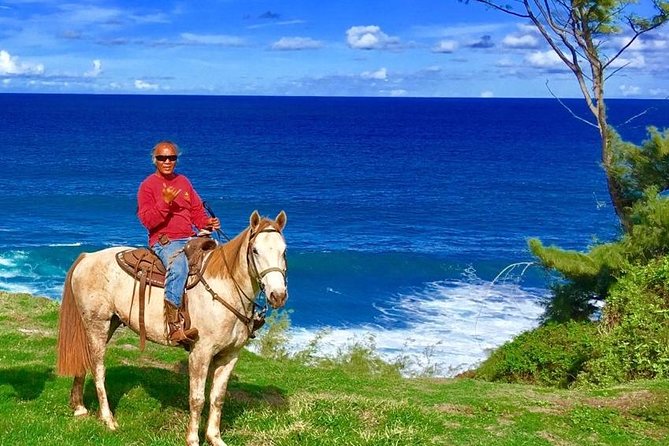
If you want Maui in 3D, go by horseback. I love that you get matched to a horse based on your riding ability, and you’ll ride through mountain-to-ocean views with photo stops along the way. The experience is also built for a real mix of people, from first-timers to more confident riders.
One heads-up: the trail can be steep and dusty (and sometimes muddy after rain), so plan on dirt on you and a pace that isn’t slow and flat.
In This Review
- Key Things To Know Before You Ride in West Maui
- Meeting in Wailuku: Getting Oriented and Matched Fast
- The 2-Hour Mountain Climb: Waterfalls in Season and Views on Demand
- Downhill Reality Check: Pace, Steep Slopes, and Dust You’ll Feel
- Oceanfront Riding Without the Beach: What You Actually Get
- Canter and Gallop Options: When It Happens and When It Doesn’t
- Petting Zoo Intermission: Quick Animal Time Before and After
- Guides and Photo Stops: Friendly, Practical, and Safety-Focused
- What to Wear (and What to Avoid) So You Don’t Hate the Ride
- Value Check: Is $187.50 Worth It?
- Who Should Book This Horseback Tour—and Who Might Skip It
- Should You Book This West Maui Horseback Tour?
- FAQ
- Do I need prior horseback riding experience?
- What time does the tour start, and where is the meeting point?
- How long is the tour?
- Will I see waterfalls?
- Is this ride on the beach?
- Is there a chance to canter or gallop?
- What are the weight and dress requirements?
Key Things To Know Before You Ride in West Maui
- Horse matching is the whole point: your guide assigns a mount that fits your skill level.
- Waterfalls are seasonal: you’ll look for them in the mountains, but don’t assume they’ll be flowing.
- You ride downhill and uphill on real terrain: it’s not a gentle stroll.
- Ocean views, not beach riding: you’ll get coastline scenery from a higher path.
- There’s a canter/gallop option if conditions allow and your ability fits.
- Plan for dust: closed-toe shoes and long pants aren’t optional if you want less mess.
Meeting in Wailuku: Getting Oriented and Matched Fast
This tour starts in Wailuku at 2644 Kahekili Hwy, with an 8:15 am departure and it returns back to the same meeting point. You’ll meet your guide up at the ranch after a short drive, then get assigned a horse based on how comfortable you are riding.
The good news is you’re not left to figure it out yourself. Your guide matches you with a horse that fits your experience, and you’ll get instructions before you start moving. For first-time riders, that matters. It reduces the usual stress of getting on, adjusting to the tack, and wondering if you chose the right level.
One practical tip: bring a camera, but also expect you’ll be getting photos from the guides at specific stops rather than a full continuous photo shoot. The ride includes photo opportunities, but it isn’t set up like a ride-and-film production.
You can also read our reviews of more tours and experiences in Maui.


The 2-Hour Mountain Climb: Waterfalls in Season and Views on Demand
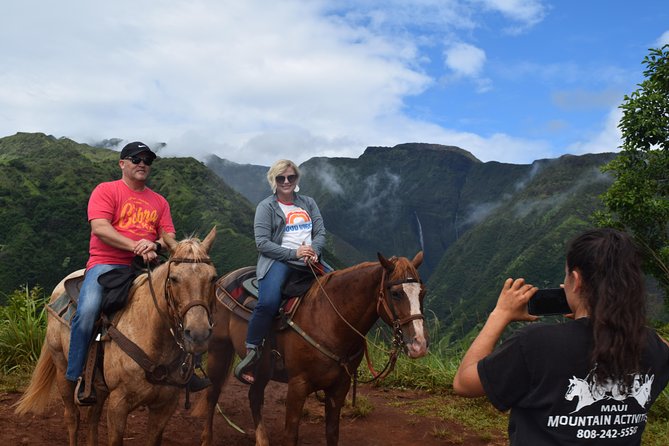
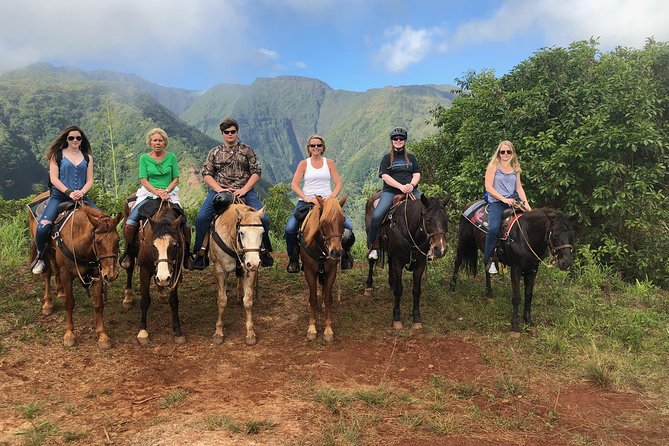
The core riding time is about 2 hours, and it starts with a gradual climb up the mountainside. This part takes you through gullches and valleys where you can see waterfalls seasonally—meaning the route aims for waterfall views, but the timing and conditions decide whether you actually see much water.
Even when a waterfall isn’t happening, the mountain portion still delivers. You’re riding up into West Maui’s hills with big sightlines, so you get those “how is this on a horse?” feelings. The guides also talk along the way, including local context about what you’re seeing.
Here’s the trade-off: this isn’t “easy mode.” The terrain is steep in places, and horses pick their way up and down. That’s part of the authentic experience, but it’s also why you should have at least a moderate physical fitness level. If you’re sensitive to bouncing or uneven ground, you’ll want to go in with eyes open.
Downhill Reality Check: Pace, Steep Slopes, and Dust You’ll Feel
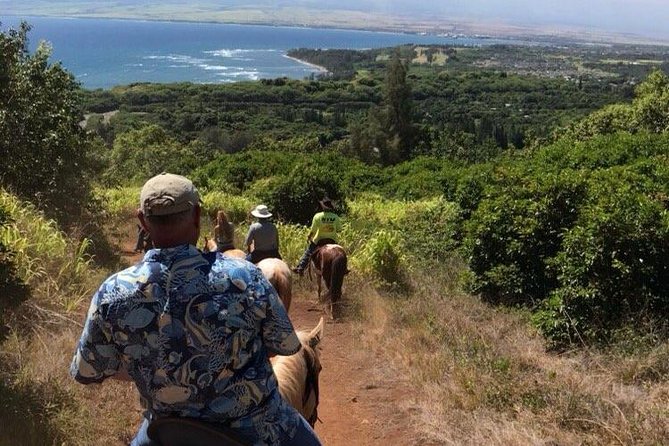
After the mountain viewing area, you ride back down toward the ocean. One thing that keeps popping up in real-world experience is the steep terrain plus a quick working pace. Even with more than one guide helping, the group can spread a bit along narrow trails.
For confident riders, that pace can feel like you’re actually doing something. For brand-new riders, it can feel like you’re along for the ride while the horses do their job. The key is listening to your guide and focusing on your saddle position and rein/bit cues—especially on downhill stretches.
And then there’s the dust. Many people end up very dusty by the end, even when conditions aren’t extreme. Plan for loose dirt that kicks up during the ride, and don’t wear your “nice” clothes. If your skin is sensitive, sunscreen and longer clothing help you enjoy the ride instead of constantly adjusting.
If you’re worried about footing, know that the horses are experienced at this kind of trail travel. Still, your own comfort matters, so take the ride at the speed your guide sets for your group.
Oceanfront Riding Without the Beach: What You Actually Get
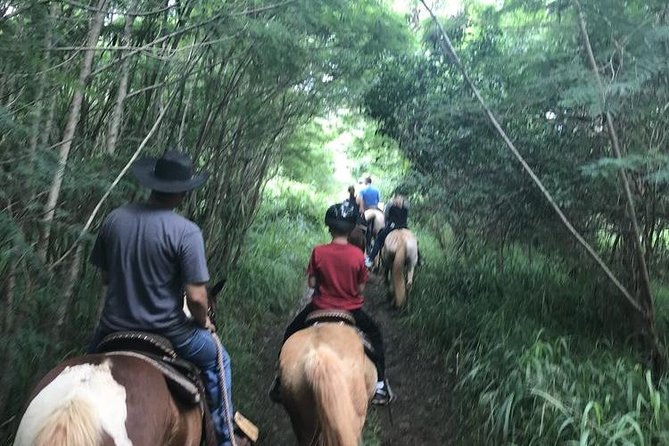
Once you reach the coastline area, you’ll ride alongside the Pacific Ocean, but you won’t be riding on the sand beach. Instead, you’ll follow a higher path that keeps you on land due to safety rules.
This is worth knowing up front because the wording can make some people picture beach riding. What you’re really buying here is the ocean view angle—bluffs and coastline lines—while staying safely off the shoreline itself. You’ll get that “Maui at the edge of the sea” feeling without trudging through surf or riding in wet conditions.
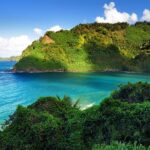
The coastline stretch also tends to be one of the most memorable segments, because it shifts the whole mood. You go from earthy mountain trail to open ocean air and wider horizons, and that change is part of why this tour feels more varied than a simple trail loop.
Canter and Gallop Options: When It Happens and When It Doesn’t
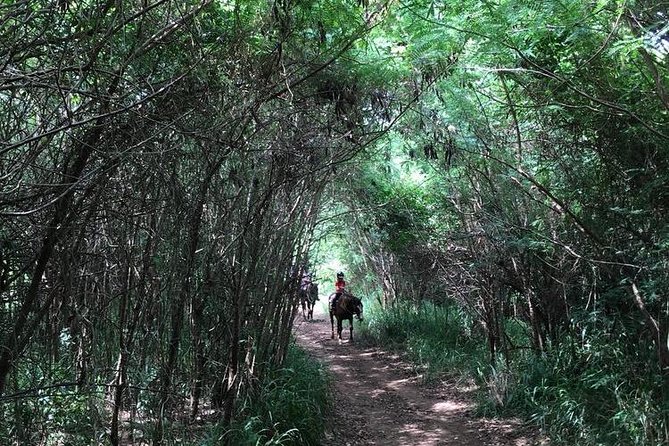
The tour experience includes spots where you can move up from a walk into a faster gait. There’s an area where you’re allowed to trot, and potentially canter or gallop, weather permitting. If you are experienced, you may get two opportunities to canter or gallop.
In practice, conditions decide everything. If the trail is slick, muddy, or too dusty in a way that affects visibility and footing, the faster gaits may be limited. On some days the pace stays more controlled, especially for mixed skill groups.
If you really want the fast moments, go in prepared to keep the ride fun even if it’s not a full-gallop day. The view stops, the change in terrain, and the overall “mountains to ocean” arc still land as a strong payoff.


Petting Zoo Intermission: Quick Animal Time Before and After
Between the ride segments, you’ll stop at a petting zoo. This is one of those add-ons that doesn’t feel like filler because it gives you a break from riding while still keeping the morning moving.
You can expect animal encounters like mini horses, sheep, rabbits, and other animals. Some people also mention pigs in the mix. This stop is also a nice way to reset if you’re riding with kids or if you just want to stretch your legs.
Even better: many people enjoy how close and casual the animal time feels, with staff around and animals available before and after the horseback portion. It’s not a full farm tour, but it is a genuine pocket of farm life right in the middle of your Maui morning.
Guides and Photo Stops: Friendly, Practical, and Safety-Focused
The guides are a major part of the experience. People mention guide names like Richard, Kai, Cierra, Cole, Sierra, Ki, and Stetson, and they consistently show up as patient and attentive—especially for beginners.
You should expect the guide to check on gear at stops and keep riders organized as the group moves through changing terrain. In a small group (max 14), this helps a lot. You’re less likely to feel like a random number in a lineup.
Photo stops are built into the ride. Guides take pictures along the way, usually at a couple of set scenic moments. Don’t expect someone to take a photo at every curve of trail. If photos matter a lot, wear clothes that match the saddle rubbing reality (think long pants and closed-toe shoes), and keep your camera ready for the big view moments your guide points out.
What to Wear (and What to Avoid) So You Don’t Hate the Ride
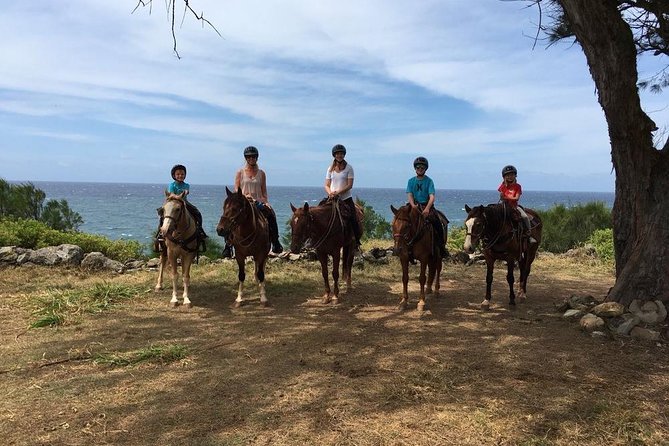
This tour is casual, but it’s not forgiving on clothing. Long pants and closed-toe shoes are strongly recommended. The saddle can rub, and the trail is often dirty enough to make clean sneakers feel like a bad deal.
Here’s what I’d do if I were packing for this day:
- Wear long pants (jeans work well for many riders)
- Bring closed-toe shoes with good grip
- Slather on sunscreen and consider a hat
- Assume you’ll get dust on you, so avoid white or delicate fabrics
Also, the tour provides equipment and soft drinks. That means you don’t have to bring a hydration plan for the ride itself. Still, if you’re sensitive to sun or heat, you’ll appreciate having your own water habit and staying mindful during stops.
Value Check: Is $187.50 Worth It?
At $187.50 per person for about 3 hours 30 minutes total time, you’re paying for three things: guided horse handling, real terrain riding (mountains plus coastal area), and included extras like soft drinks and equipment, plus the petting zoo stop.
The main value question is whether you want a guided horse day rather than a lighter “look at the view” tour. If horseback is part of your Maui bucket list, this price can feel fair because you get:
- Instruction and horse matching
- A full mountain-to-ocean route (not just one scenic loop)
- The animal stop to break up the ride
If you expect a calm, flat ride with minimal dust and lots of waterfall action on demand, you may feel disappointed—especially since waterfalls are seasonal and trail conditions can vary.
For me, the price feels most justified if you treat it as an outdoor activity first and a photo-op second.
Who Should Book This Horseback Tour—and Who Might Skip It
This tour fits best if you want a hands-on Maui experience and you’re comfortable with moderate outdoor activity. The minimum age is 7, and there’s a strict rider weight limit of 215 lbs, which is enforced.
It also suits beginners because your guide matches you with the right horse and offers support. People describe the guides as patient with first-time riders and focused on safety.
Where it may not be the best choice is if you strongly need flat ground, low mess, and guaranteed waterfalls. Some days water won’t show up much, and dust can be intense. Also, steep terrain means the ride can feel more physical than some other “scenic” tours.
If you’re a confident intermediate rider, you’ll likely enjoy the chance for trot and canter options when conditions allow. If you’re truly cautious, you can still ride—but go in with a mindset that it’s an active trail, not a gentle carousel.
Should You Book This West Maui Horseback Tour?
I’d book it if you want your Maui morning to feel like you’re traveling across the island’s real textures—mountain trail, ocean bluffs, and a farm animal break—while having a guide handle the horse logistics. The small group setup and the horse matching are practical advantages that make the day smoother for beginners.
I’d think twice if you’re highly sensitive to dust, you need the ocean portion to mean beach riding, or you’re holding out hope for guaranteed waterfalls every time. The tour aims for waterfalls seasonally, but conditions decide what you actually see.
If you’re packing with dust in mind and you’re excited to ride real West Maui terrain, this is a strong way to spend a few hours.
FAQ
Do I need prior horseback riding experience?
No. Your guide matches you with a horse based on your riding ability, so the tour is designed for different comfort levels.
What time does the tour start, and where is the meeting point?
It starts at 8:15 am at 2644 Kahekili Hwy, Wailuku, HI 96793, USA, and it ends back at the meeting point.
How long is the tour?
The tour runs about 3 hours 30 minutes total, with roughly a 2-hour guided ride portion.
Will I see waterfalls?
Waterfalls are seasonal. You’ll ride up into the West Maui Mountains looking for waterfall views, but they aren’t guaranteed.
Is this ride on the beach?
No. You’ll ride along the coastline area, but not on the sand beach.
Is there a chance to canter or gallop?
Yes, there are run areas where you may be allowed to trot and canter or even gallop weather permitting, depending on your experience level.
What are the weight and dress requirements?
Weight limit is 215 lbs and it’s strictly enforced with accurate body weight required. Long pants and closed toe shoes are recommended, along with sunscreen and a camera.