
REVIEW · NEW ORLEANS
Whitney Plantation Tour with Transportation from New Orleans
Book on Viator →Operated by Gray Line New Orleans · Bookable on Viator
This plantation tour tells truths others skip. I loved the self-guided audio format at Whitney, and I also liked the prebooked admission that saves hassle. The main drawback is simple: the day can feel long, and there’s no full food setup at Whitney itself.
The ride from the French Quarter is handled in an air-conditioned bus, and you’ll also get a guided-feel during the drive as you head along River Road. One thing to watch: check-in is 15 minutes early, and the afternoon return time can vary slightly depending on how the day flows.
In This Review
- Key things to know before you go
- Why Whitney Plantation hits so hard (and why the museum format works)
- Getting from New Orleans to River Road: comfort, route, and photo windows
- Whitney Plantation: your two hours of self-guided museum time
- The Big House and Spanish Creole architecture
- Restored slave cabins and what “original” means on the ground
- The heart of Whitney: first-person narratives and exhibits that don’t soften anything
- A word on pacing (so the experience stays respectful)
- Optional upgrade: the 90-minute pontoon swamp tour (fun, but plan your energy)
- Food, drinks, and what to pack for a long, serious day
- What to wear
- Photos and video
- Comfort vs. control: how the bus drive can help (or distract)
- Price and value: what $89 buys you (and what it doesn’t)
- Who should book this tour (and who might rethink it)
- Should you book Whitney Plantation with transportation from New Orleans?
- FAQ
- Where does the Whitney Plantation Tour depart from?
- How long will I spend at Whitney Plantation?
- Is the Whitney Plantation portion self-guided?
- Is the 90-minute swamp tour included, or is it optional?
- What’s included in the ticket price?
- Is food provided during the tour?
- What time should I check in?
Key things to know before you go
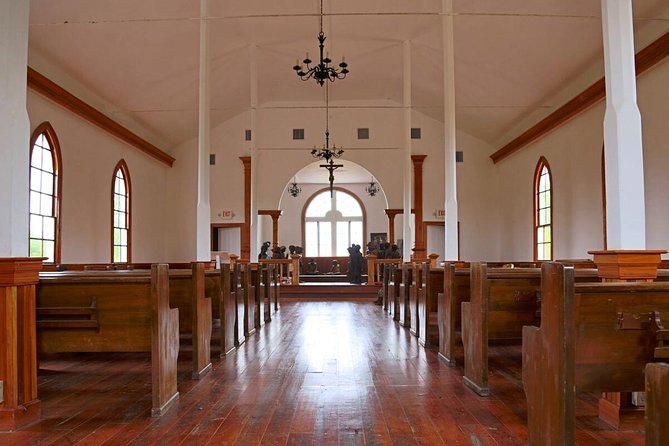
- Self-guided Whitney tour with the official app so you can set your own pace
- Prebooked entry tickets to keep your start smooth once you arrive
- About two hours on-site at Whitney, with most of the rest of the time spent on the drive
- Federal Writers’ Project first-person recordings that put enslaved voices at the center
- Spanish Creole Big House plus preserved cabins that help you see the estate as it functioned
- Optional 90-minute pontoon swamp tour if you want nature and a bit of fun added
Why Whitney Plantation hits so hard (and why the museum format works)
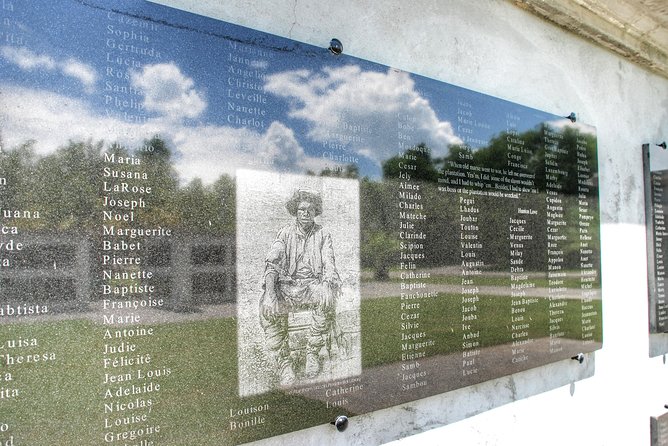
Whitney Plantation is not your typical “plantation with pretty grounds and photo stops.” It’s built around the brutal reality of slavery in Louisiana—what enslaved people endured, how plantations worked, and how that history still matters. The exhibits and restored spaces are designed to slow you down, not speed you through.
What makes this tour format work for your brain is the self-guided setup. You’re not stuck listening to one voice for two hours while you’re trying to absorb heavy material. Instead, you can pause when something lands, replay audio where you need it, and move on when you’re ready. I like this because it respects how people process difficult stories.
Also, you’re going with round-trip transport from New Orleans, which means you don’t have to wrestle with car logistics. In a place like River Road—where spacing and timing matter—that’s real value.
The trade-off is that Whitney doesn’t run on a normal sightseeing rhythm. It’s emotional, and you’ll want comfort. Wear shoes you can stand/walk in, because the day isn’t short even if your on-site time is.
You can also read our reviews of more tours and experiences in New Orleans.



Getting from New Orleans to River Road: comfort, route, and photo windows
Meet your group at the Gray Line New Orleans office in the French Quarter—400 Toulouse St, by the Steamboat Natchez Dock. It’s a handy start point if you’re already staying near the riverfront action. Check in 15 minutes ahead so you’re not rushed.
Once you’re loaded onto the bus, the drive is part travel, part orientation. You’ll head out along the Mississippi River, crossing the Bonnet Carre Spillway and getting views toward Lake Pontchartrain. The bus route also passes several plantation properties along River Road—Evergreen, Felicity, and St. Joseph—so you can see how this whole region of estates sits in the same geography.
For photo fans: you’ll likely have chances to spot plantation scenery from the bus windows. That’s helpful because once you reach Whitney, your time is best used facing the museum’s stories rather than chasing quick snapshots.
Group size matters, too. This trip is capped at 55 travelers, which usually means you won’t feel like you’re in a giant cattle car situation. Still, it’s a bus tour, so bring patience—especially if you’re the type who likes a tight schedule.
Whitney Plantation: your two hours of self-guided museum time
You’ll spend roughly two hours at Whitney Plantation. Total tour time is about 5 hours 25 minutes when you include travel. That ratio is worth noting: most of the “tour” is getting you there and back, while the museum time is where your money and attention really go.
When you arrive, you’ll have time to explore at your own pace with an audio guide. The highlights are built into the site’s flow: preserved and restored buildings, the Big House, and spaces tied to enslaved life.
One practical advantage: admission is already taken care of. Prebooked tickets mean you’re not standing in a ticket line before you can even start processing the exhibits.
The Big House and Spanish Creole architecture
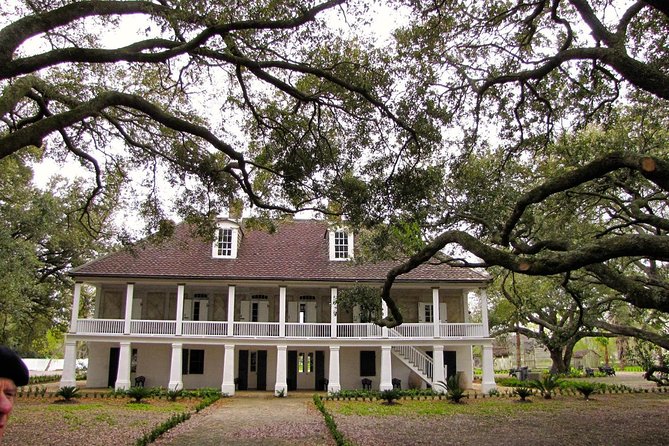
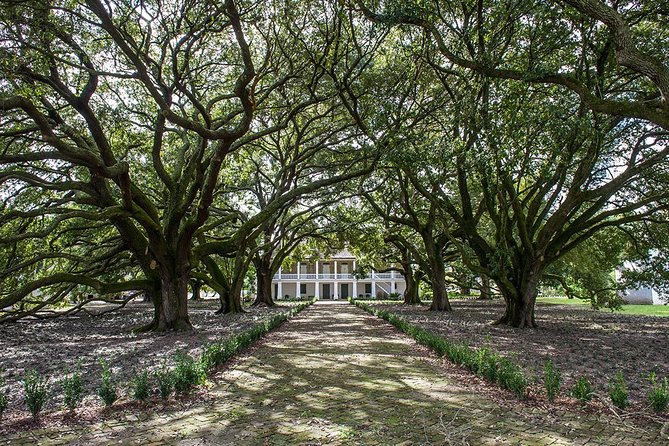
Whitney’s Big House is considered one of the finest remaining examples of Spanish Creole architecture in Louisiana. Even if architecture isn’t your main interest, the house helps you understand power and function—this wasn’t just someone’s home; it was part of a plantation system.
Seeing the Big House in place can sharpen your thinking while you listen to the audio. You’ll be able to connect story to space: where people lived, where decisions were made, and how the plantation’s layout supported its operation.
Restored slave cabins and what “original” means on the ground
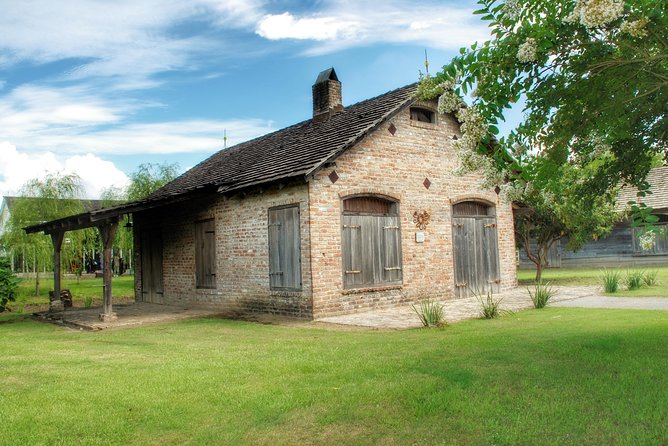
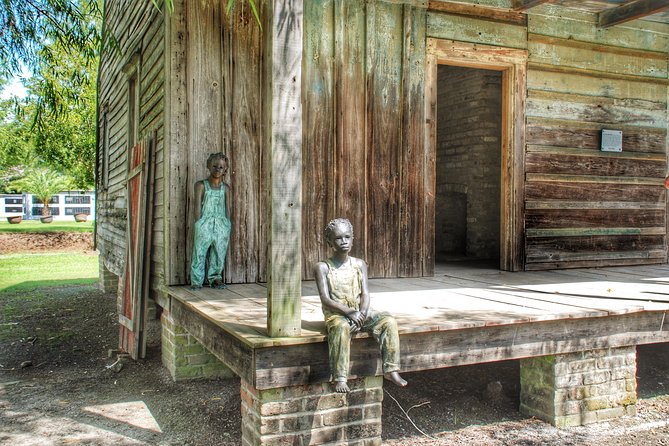
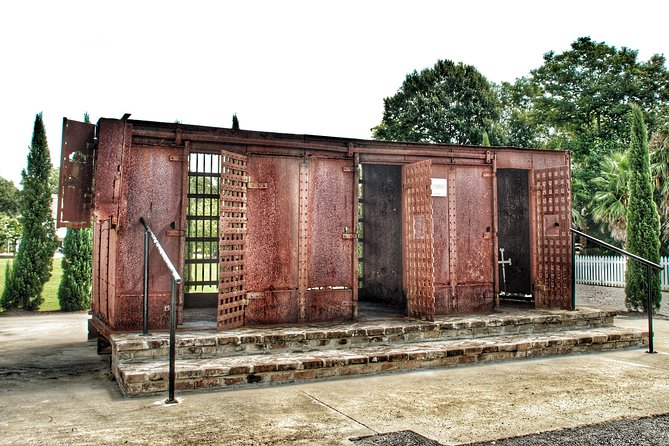
On the grounds, you’ll see historical slave cabins, including some that remain from the original 22 structures. Restored buildings make it easier to picture daily life instead of treating slavery as an abstract topic.
This is where self-guided audio helps. Instead of being rushed by a timed commentary, you can stop at a cabin and let the stories associated with it register fully. The museum is built to be sober, not decorative.




The heart of Whitney: first-person narratives and exhibits that don’t soften anything
Whitney’s approach is direct: it centers enslaved people’s experiences and includes first-person narratives recorded through the Federal Writers’ Project. Those recorded voices are the kind of detail that can change your understanding fast—not because they’re flashy, but because they make the history personal.
In a lot of historical sites, you get secondhand summaries. Here, the museum structure pushes you toward primary accounts—what people said about their own lives and the trauma that shaped them. That is a big reason this tour gets such strong recommendations.
You’ll also encounter exhibits that frame the plantation story as part of the broader American South. You’re not just touring one property; you’re walking through how slavery functioned and how people were affected beyond any single day.
A word on pacing (so the experience stays respectful)
Plan to go slow. If you try to “speedrun” Whitney, the emotional impact becomes harder to process and you miss details that make the exhibits hit.
Also, expect to do some reading and listening. Even with the audio guide, you’ll want a little quiet time at your stops so the information sticks.
And yes, it’s moving. That’s not marketing spin—it’s what the site is built to do.
Optional upgrade: the 90-minute pontoon swamp tour (fun, but plan your energy)
If you choose the upgrade, you add a 90-minute pontoon swamp tour. This is the day’s lighter break—out on the water, focused on the natural world instead of plantation artifacts.
The swamp portion can feel like a contrast in tone: the museum is heavy, and the boat ride gives you a different way to experience the region. That mix is one reason this upgrade can be worth it, especially if you want more than one kind of story from Louisiana.
Timing-wise, be ready for a full day. The baseline trip already includes travel time, and adding the boat ride keeps you moving. If you’re sensitive to long schedules, consider how you handle emotionally intense content plus a nature outing.
Food, drinks, and what to pack for a long, serious day

Here’s the practical truth: food and drinks are not included, and Whitney does not serve a full meal setup on site. You can buy snacks and drinks where possible, but you should plan like you’re packing for a long outing.
I’d bring one of these strategies:
- Pack easy snacks (things you can eat without turning it into a whole production).
- If you’d rather not carry food, plan to buy something before you settle into the museum time.
Also remember you’ll be on a bus—so keep your day bag simple. Comfortable shoes matter more than you think when you’re walking around a memorial-type museum.
What to wear
Casual clothing is fine. Bring comfortable walking shoes, and in warmer months, lightweight gear helps. If you use hats, caps can make the outdoors more comfortable while you wait or move between areas.
Weather matters, too. This experience requires good weather; if it’s canceled due to poor conditions, you’ll be offered a different date or a refund.
Photos and video
You can take photos and videos for the most part, but flash or video is not allowed in some locations. Your on-site staff will clue you in where restrictions apply—just watch for signage and follow what they say.
Comfort vs. control: how the bus drive can help (or distract)
The bus ride is more than transportation. In practice, the driver often shares helpful context about New Orleans and the plantations along the route. I like this because it gives you a mental map before you step onto the grounds.
You may hear different narration styles depending on the driver and the day’s setup. One caution from real experiences: microphone audio on the bus can sometimes be hard to hear, so don’t count on every detail being perfectly audible. If you care about getting every fact, keep your attention forward and be ready to ask questions when you can.
Also keep your afternoon flexible. Return times can shift from what’s posted, and once you’re on a bus schedule, you’re tied to the flow of pickups and departures. If your next plan involves a strict reservation time, give yourself padding.
Price and value: what $89 buys you (and what it doesn’t)

$89 per person sounds simple, but it’s the bundle that makes it feel like a smart deal. You’re paying for:
- Round-trip transportation from central New Orleans in an air-conditioned vehicle
- Prebooked admission to Whitney Plantation
- The self-guided audio format (so you’re not paying extra for a live guide time slot)
- About two hours touring on-site
- Optional add-on for the 90-minute pontoon swamp tour
What you don’t get is food included, and you also don’t get hotel pickup/drop-off. So if you’re not staying near the French Quarter, factor in how you’ll get yourself to 400 Toulouse St.
From a value standpoint, this works best if you want the emotional and historical focus of Whitney without the hassle of driving yourself out to River Road. If you already have a car and you’re comfortable with timing, you might compare options—but if you want a low-stress plan with admission handled, this package is built for that.
Who should book this tour (and who might rethink it)
This is a great fit if you want:
- A straightforward way to reach Whitney Plantation from New Orleans without renting a car
- A museum visit that’s guided by audio and your own pace
- A museum experience centered on enslaved people’s voices, not softened storytelling
- The option to add the swamp tour for a second act of the day
It might be less ideal if:
- You’re expecting a casual, light sightseeing day. Whitney is serious.
- You hate long bus rides or you need frequent meal breaks built into the schedule.
- You’re planning tight connections right after the afternoon return and can’t tolerate timing changes.
One more note: while the experience is described as wheelchair/accessible friendly overall, portions of the plantation are only accessible by stairs. If mobility is a key concern for you, plan your expectations accordingly and speak up during booking with any needs you have.
Should you book Whitney Plantation with transportation from New Orleans?
Yes—if your goal is an honest, sobering historical visit with minimal logistics stress. The combination of prebooked entry, round-trip bus comfort, and the self-guided audio format makes it easier to take the information in at your pace. The restored cabins, the Big House, and the first-person Federal Writers’ Project narratives are exactly the kind of details that make this site more than a quick stop.
Before you book, do two things: pack snacks, and protect your schedule. This isn’t a “grab it between cocktails” activity. It’s a day of walking, listening, and thinking—then heading back to New Orleans late afternoon with a lot to process. If that sounds like your kind of trip, you’ll likely feel this was money well spent.
FAQ
Where does the Whitney Plantation Tour depart from?
The tour starts at the Gray Line New Orleans office at 400 Toulouse St in the French Quarter, near the Steamboat Natchez Dock.
How long will I spend at Whitney Plantation?
You’ll have about 2 hours dedicated to exploring Whitney Plantation (the overall time at the site is listed as approximately 2.25 hours).
Is the Whitney Plantation portion self-guided?
Yes. The tour at Whitney Plantation is self-guided with an audio guide via the Whitney Plantation app.
Is the 90-minute swamp tour included, or is it optional?
The 90-minute pontoon swamp tour is an optional upgrade. It’s included only if you choose that option.
What’s included in the ticket price?
The tour includes round-trip transportation from central New Orleans, admission tickets, and an audio tour through the Whitney Plantation app. The air-conditioned vehicle is also included.
Is food provided during the tour?
No. Food and drinks are not included, though they are available for purchase.
What time should I check in?
You should check in 15 minutes prior to the start time.