REVIEW · NEW YORK CITY
4-hour Harlem Gospel Tour in New York City
Book on GetYourGuide →Operated by OPENTOURS · Bookable on GetYourGuide
Want your New York louder and more spiritual? This 4-hour Harlem morning tour mixes street-level history with a real Baptist mass and gospel choir, so you get both the stories and the sound. You meet at the Sheraton New York Hotel, ride through Harlem and the Upper West Side, then end back where you started—full of that feel-good church energy.
I especially like two parts. First, the guided route strings together big landmarks and small street details in a way that helps the neighborhood click, including views around Apollo Theater and Columbia University. Second, the gospel service is participatory—harmony, call-and-response energy, and plenty of smiles from a community that welcomes visitors.
One thing to plan for: the church music can be really loud. If you’re sensitive to sound (or you have tinnitus), bring earplugs and wear the most comfortable shoes you own.
In This Review
- Key Things I’d Prioritize on This Tour
- Why This 4-Hour Harlem Gospel Tour Feels Like a Win
- Meeting at Sheraton, Then Riding Through the Neighborhood Mix
- Apollo, Sugar Hill, Morningside Heights, and Columbia: What Each Stop Adds
- Apollo Theater: Where Fame Meets Neighborhood Pride
- Sugar Hill: The Streets That Help You Understand Harlem’s Shape
- Morningside Heights: Harvard-Class Views Without the Ivy-Boredom
- Columbia University Area: A Sense of Scale
- St. John the Divine: The Big Anchor Landmark
- Guggenheim (Possible Along the Route)
- The Baptist Mass and Gospel Choir: What You’re Really Going For
- How Loud Is Too Loud?
- Dress Code Rules for the Church
- Participation: You Can But You Don’t Have to Perform
- Value for $79: Paying for Access, Not Just Directions
- Who Should Book This Tour (and Who Might Want a Plan B)
- Small Tips That Make This Morning Go Smoothly
- Earplugs Are Not Optional for Some People
- Wear Shoes You’d Wear for a Real Walk
- Expect a One-Language Morning (Most of the Time)
- Use the Ride Time for Questions
- Plan for Restrooms Like a City Pro
- Should You Book This Harlem Gospel Tour?
- FAQ
- What’s the duration of the Harlem Gospel Tour?
- How much does the tour cost?
- Where do we meet, and what time does the tour start?
- What’s included in the tour?
- What languages are the guides?
- What should I wear or bring?
- Can I cancel and get a refund?
Key Things I’d Prioritize on This Tour
- A genuine Baptist mass with gospel choir singing, not a staged performance
- Harlem + Upper West Side route with major stops like Apollo Theater and Columbia University
- Spots off the usual tourist track, including Sugar Hill and Morningside Heights area views
- Storytelling led by guides like Ulli, Fabrizio, Deborah, and Bernardo, known for strong city context
- The church sound level can be high, so pack earplugs
Why This 4-Hour Harlem Gospel Tour Feels Like a Win
If your New York plan has you stacked with museums and skyline photos, this is the morning you swap screens for people. The structure is simple: you get a guided walk-and-drive style tour of Harlem and the Upper West Side, then you step into a Baptist service where music and community take over.
At just 4 hours, it’s long enough to feel like you saw more than the postcard basics, but short enough that you won’t spend your whole day commuting. And because it ends back at the Sheraton, you can keep your afternoon flexible—more sightseeing, a meal, or just wandering.
This tour also has a specific kind of value: it’s not trying to sell you a theme. It’s built around a community event. That matters, because the best travel moments usually happen when you’re seeing how life actually works—not just where to stand for a good photo.
You can also read our reviews of more tours and experiences in New York City.



Meeting at Sheraton, Then Riding Through the Neighborhood Mix
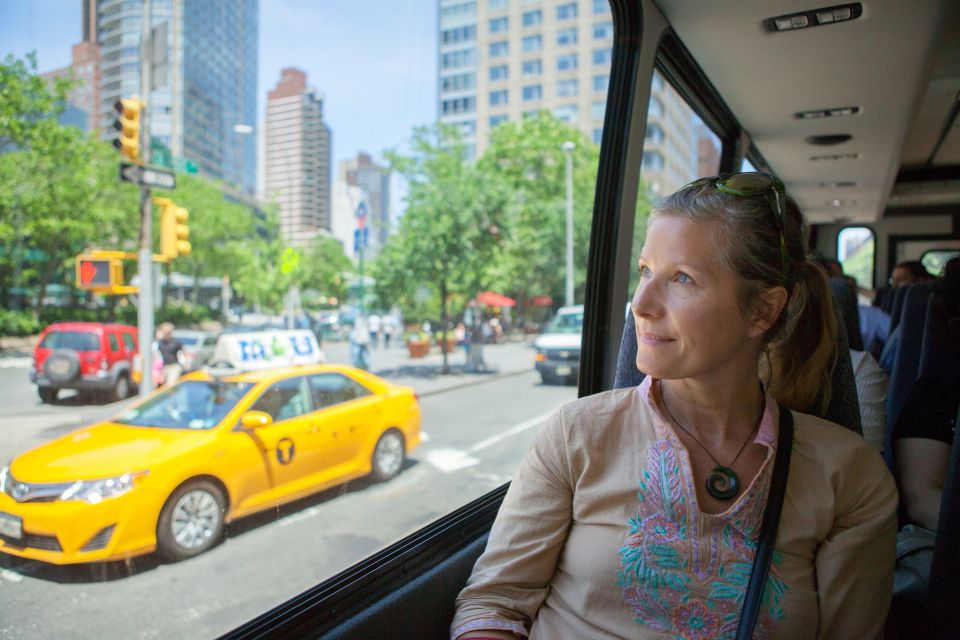
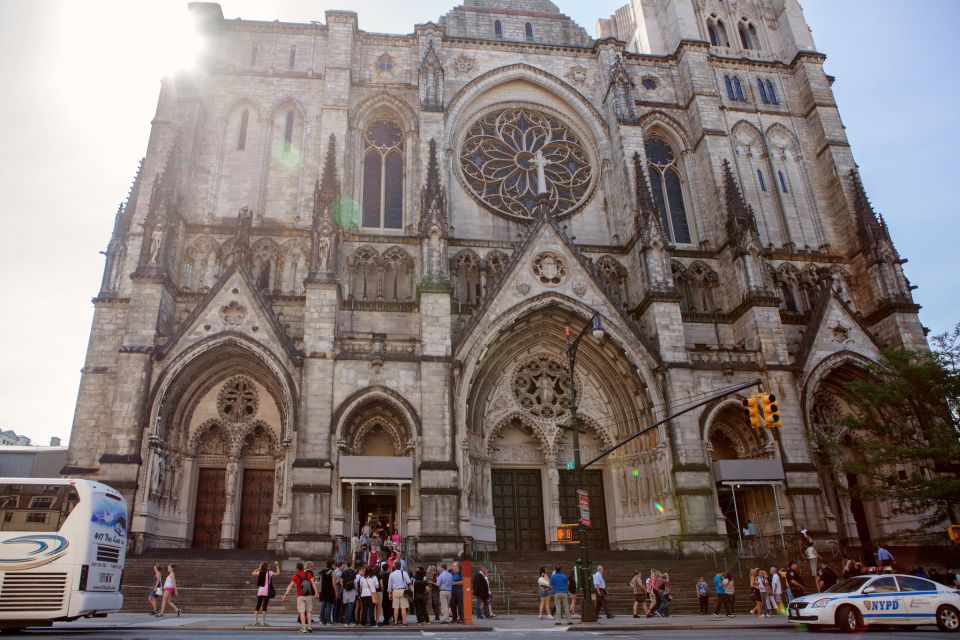
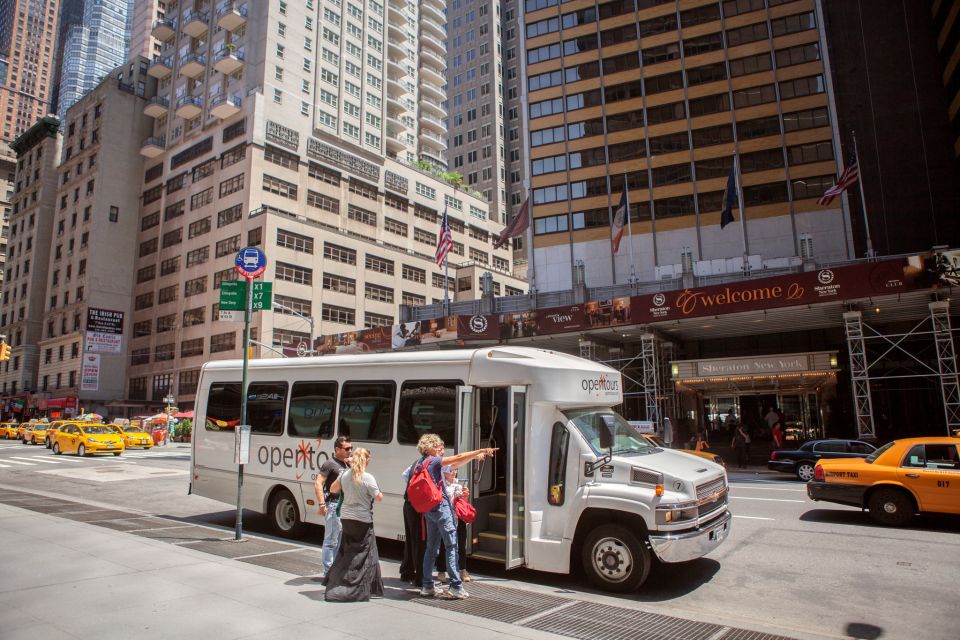
You’ll meet at the Sheraton New York Hotel around 8:30 AM (the exact meeting point can vary a bit depending on the option). From there, a local guide handles getting you to the church service. On the drive, you pass major landmarks and neighborhoods that set the scene: St. John the Divine Cathedral, the Columbia University area, and the Harlem stretch around places like Sugar Hill and Morningside Heights.
Depending on the group size, you might ride in a van or bus. That’s not a problem—traffic and special events in NYC can shift routes anyway. The key is that the guide keeps the morning moving and uses the ride time to explain what you’re seeing and why it mattered to the neighborhood’s story.
A lot of the pleasure here comes from the guide’s voice. Names that come up often in guide praise include Ulli/Ms. Ulli, Fabrizio, Deborah, Julia, Bernardo, Sergio, and Stefan. People tend to mention the same ingredients: strong enthusiasm, clear explanations, and answers that make you want to keep asking questions when you hear something interesting.
Apollo, Sugar Hill, Morningside Heights, and Columbia: What Each Stop Adds
Even with a morning schedule, you get more than one-note Harlem sightseeing. Here’s how the most mentioned sights fit together into a single experience.
Apollo Theater: Where Fame Meets Neighborhood Pride
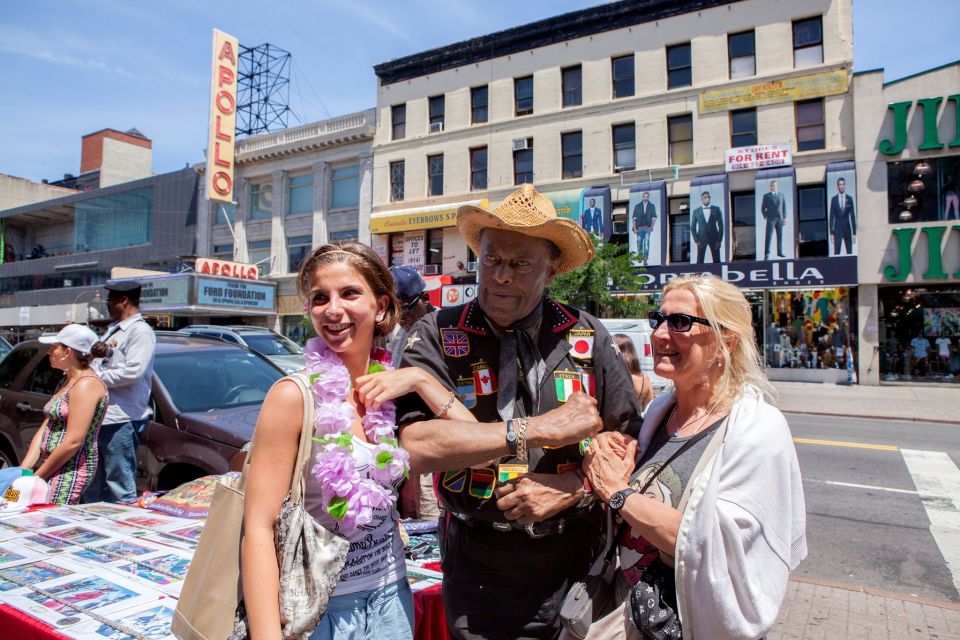
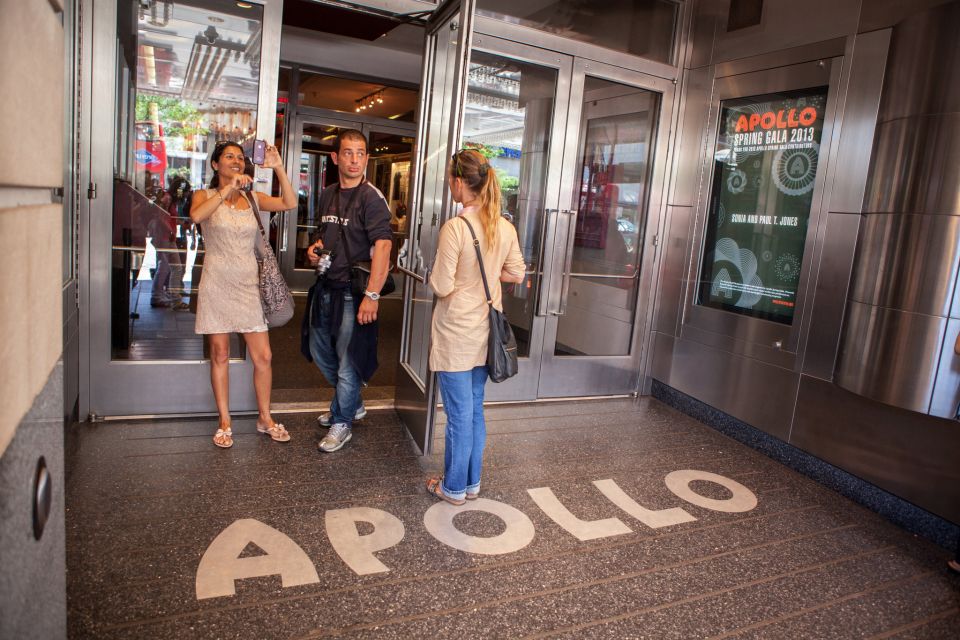
The Apollo Theater is a stop that acts like a hinge. It links entertainment, community identity, and the larger cultural rhythm of Harlem. If you’ve seen the theater name in history books or on TV, this is where it becomes real. You’re not just learning a fact—you’re standing in the context that helped shape what the name represents.
One practical thing: the tour doesn’t linger forever at each spot. If you’re the type who likes long photo breaks, this may feel like quick-hit viewing. But the tradeoff is you’ll get to the church on time and still feel the neighborhood fully in your head by the end.
Sugar Hill: The Streets That Help You Understand Harlem’s Shape
Sugar Hill shows up as a named area on the route, and that’s useful. Harlem can feel like one big blob on a map if you’re only browsing it casually. Calling out Sugar Hill gives your brain a handle—an actual place to attach details to.
The guide storytelling is what makes this work. People consistently highlight guides who explain building and neighborhood context, not just the name of the block. That’s how a quick stop becomes memorable.





Morningside Heights: Harvard-Class Views Without the Ivy-Boredom
Around Morningside Heights, you’ll get views near Hamilton Terrace and the broader Columbia area. Even if you’re not a campus tour person, this zone helps you see how Harlem sits next to major institutions and how the city’s geography shapes life.
Columbia University Area: A Sense of Scale
Including Columbia University adds scale to the morning. Harlem isn’t isolated. It connects—through roads, commuter flows, architecture, and changing development patterns. Seeing Columbia from the outside during your ride helps you understand the broader NYC setting surrounding the neighborhood.
St. John the Divine: The Big Anchor Landmark
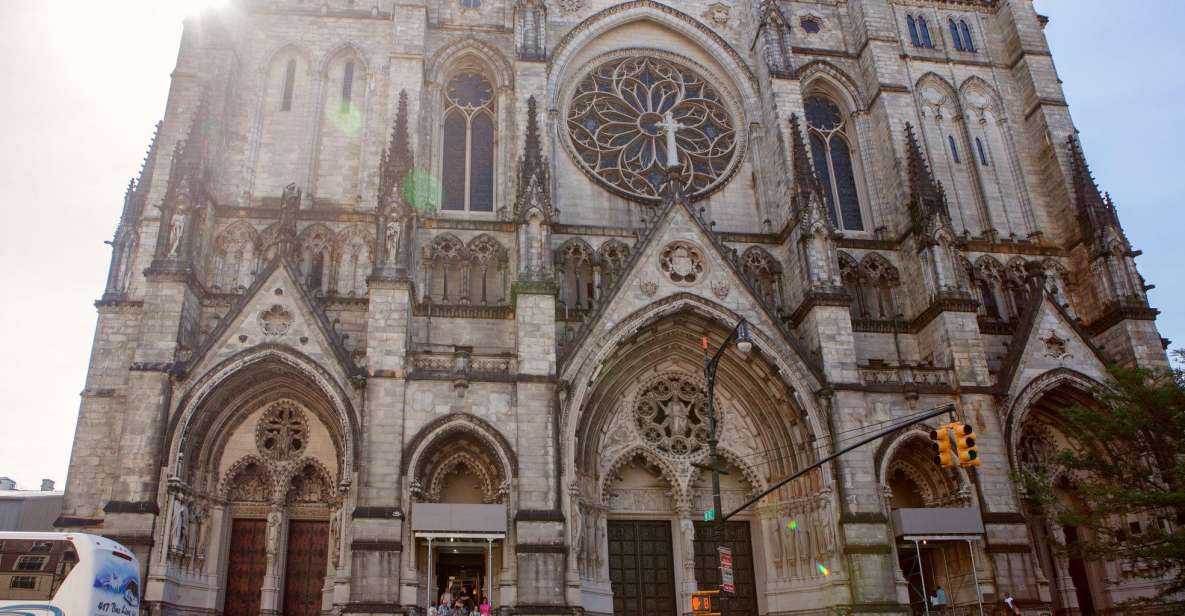
St. John the Divine Cathedral is another anchor that makes the route feel like a guided sweep through the city’s big physical landmarks. It also helps you understand why this part of Manhattan has long attracted attention: it’s visible, it’s historic, and it’s a civic landmark people remember.
Guggenheim (Possible Along the Route)
One guide-led stop that came up in feedback includes the Guggenheim area. If your schedule includes it, it adds another layer: art and culture outside Harlem, placed right next to the story you’re learning. It can make the whole morning feel like a map lesson you’ll actually remember.
The Baptist Mass and Gospel Choir: What You’re Really Going For
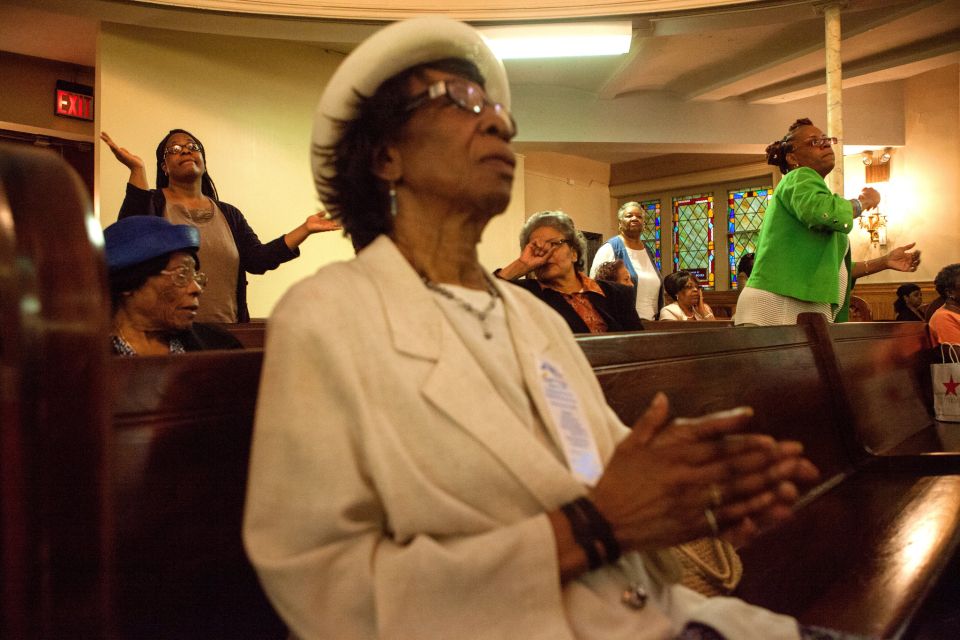
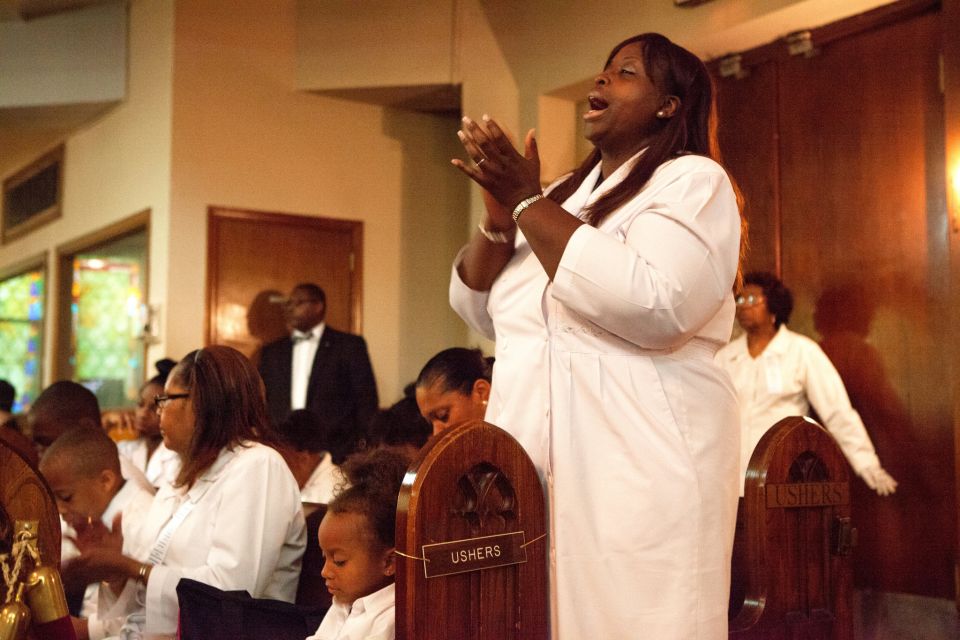
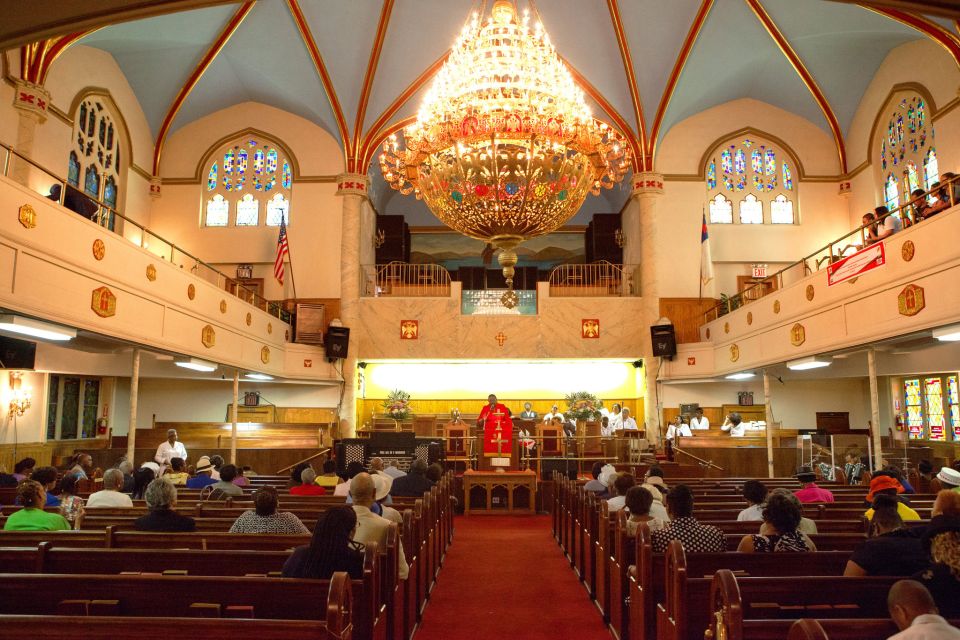
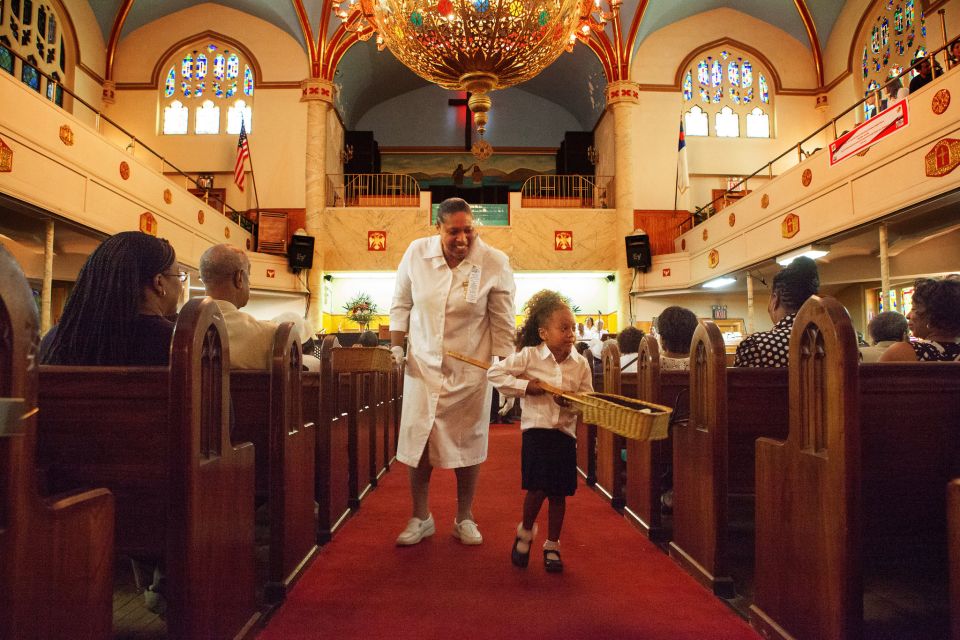
This is the heart of the tour. You’ll be transported to the church service where a gospel choir performs as part of a Baptist mass. Many people describe the service as emotional and genuinely moving, with a warm welcome from the congregation.
What I think makes this experience especially meaningful is that it isn’t treated like a performance for outsiders. The energy is collective. Music is part of worship, and the group rhythm matters. You may find yourself clapping, listening, and watching the way the community responds—less like attending a show, more like being invited into a moment.
How Loud Is Too Loud?
If you do only one preparation thing, do this: pack earplugs. Multiple people call out that the music is really loud. This isn’t a minor detail. If you show up with fragile ears, the last part of the tour can become less enjoyable than it should be.
Dress Code Rules for the Church
You’ll want to follow the church-style dress expectations listed for the tour:
- No sandals or flip-flops
- No short skirts
- No sleeveless shirts
Think of it as practical respect. You’ll also be standing and moving around with the group, so comfortable shoes matter more than you’d expect.
Participation: You Can But You Don’t Have to Perform
The best way to handle a service you don’t attend often is simple: be present. People who felt included often point to the welcoming vibe of the congregation. If you’re unsure when to clap or respond, follow the lead of others nearby and let the music do most of the work.
Value for $79: Paying for Access, Not Just Directions
Let’s talk money honestly. At $79 per person for a 4-hour tour, you’re paying for:
- Guided storytelling through Harlem and the Upper West Side
- Transportation to the church service and back to the Sheraton
- Entry to the gospel mass experience
What you’re not paying for is often what people assume they’ll get. Meals and beverages are not included, so plan your food before and after. This is a common theme with church-based tours: the focus stays on the service.
Is it worth it? For me, the value comes from the access. You could certainly walk Harlem on your own and see some landmarks. But it’s very hard to recreate the church component without already knowing the local community and how to attend respectfully. The service is the main event, and it’s the main reason the tour feels different from a standard city walk.
Who Should Book This Tour (and Who Might Want a Plan B)
This is a great fit if you want:
- A morning-friendly Harlem experience with a clear timeline
- A church visit with music that people describe as genuinely uplifting
- Guided context that turns places like Apollo and Columbia into something you can explain later
It’s also a smart pick if you’ve been to New York before. More than one person in feedback circles notes how they knew the general Harlem area but still learned new details about buildings and neighborhood context. That tells you the tour aims at insight, not just basics.
If you’re traveling with a group that hates surprises, note that the itinerary can be modified due to traffic and events like parades or the New York City Marathon. That doesn’t mean it falls apart. It means your exact route stops might shift.
And if you’re expecting a quiet, museum-like experience, the church part may not match your style. The service can be intense and loud. For some, it’s the reason they remember the day forever. For others, it’s simply not their comfort zone.
Small Tips That Make This Morning Go Smoothly
You’ll enjoy the tour more if you plan for three practical realities.
Earplugs Are Not Optional for Some People
Already said, but it’s worth repeating. The gospel music can be really loud. Earplugs help you enjoy the sound without hurting your ears.
Wear Shoes You’d Wear for a Real Walk
The tour explicitly advises comfortable shoes and bans sandals/flip-flops. Even with riding between points, you’ll still be moving and standing in a church environment.
Expect a One-Language Morning (Most of the Time)
The guide is listed as Italian, German, or English, and tours are usually offered in one language. Occasionally it may be multilingual if minimum participation isn’t reached. If language matters a lot to you, check your booking option before the day.
Use the Ride Time for Questions
People often praise how guides answer questions and keep the energy up. If something doesn’t make sense—why a landmark matters, how Harlem connected to broader NYC changes—ask. Guides are part of the value here.
Plan for Restrooms Like a City Pro
One piece of feedback suggests restroom stops weren’t always clearly noted. Don’t wait until you feel desperate. Use facilities before the service when you can, and keep an eye on timing.
Should You Book This Harlem Gospel Tour?
If you want more than a photo walk, book it. The combination of Harlem + Upper West Side guided stops with a real Baptist mass and gospel choir is the kind of New York experience that sticks because it’s about people, not just landmarks.
I’d especially recommend it if:
- You love culture that’s lived, not staged
- You want a guided morning with a built-in finish at a community event
- You’re okay with the church being loud and the dress code being real
I’d skip it if:
- You need a quiet, low-sensory experience
- You’re uncomfortable with participating in a worship setting
- You absolutely hate loud sound environments (even with earplugs)
FAQ
What’s the duration of the Harlem Gospel Tour?
The tour runs for 4 hours.
How much does the tour cost?
The price is $79 per person.
Where do we meet, and what time does the tour start?
You meet at the Sheraton New York Hotel around 8:30 AM. The meeting point may vary depending on the option booked.
What’s included in the tour?
The tour includes a guided tour of Upper West Side and Harlem and gospel mass attendance.
What languages are the guides?
The live tour guide is available in Italian, German, and English.
What should I wear or bring?
Bring comfortable shoes. The tour also does not allow sandals or flip-flops, short skirts, or sleeveless shirts.
Can I cancel and get a refund?
Yes. There’s free cancellation up to 24 hours in advance for a full refund.