
REVIEW · CHARLESTON
Charleston: Old Walled City Historical Walking Tour
Book on GetYourGuide →Operated by Charleston Old Walled City Walking Tours · Bookable on GetYourGuide
Charleston’s past walks beside you. This 2-hour Old Walled City Historical Walking Tour turns cobblestones into chapters, with stops that map out how the city grew, fought, and rebuilt through storms and disaster.
I especially like the way the guide uses real local perspective to make the streets feel specific, not just scenic. A second strong point is the storytelling range: colonial life, piracy, rice planters, and the city’s many reversals all show up on one walk.
The main consideration is simple: it’s substantial walking in a short time, so wear comfortable shoes and come ready for a fast-moving route.
Key tour wins (from the way people describe it)
- 7th-generation and long-time locals bring personal context, with guides like Bruce, Al, and Alfie standing out in the lineup
- Photo stops built into the route help you grab the must-see views without feeling rushed off the sidewalk
- Major-site sequence covers iconic places like Rainbow Row, St. Michael’s Episcopal Church, and the Old Exchange & Provost Dungeon
- Disaster stories aren’t tacked on: fires, hurricanes, epidemics, sieges, bombardments, and an earthquake connect cause and effect
- Architecture plus symbols: you’ll learn how to read what you’re seeing, including old tombstone markings near churches
In This Review
- Entering the Only English Walled City in North America
- Meeting Street to the French Quarter: where the story starts
- Dock Street Theatre and the feeling of a city in motion
- Old Exchange & Provost Dungeon: when the tour turns serious
- Waterfront Park to Rainbow Row: beauty with a memory
- Heyward-Washington House: colonial-era flavor in a tight block
- St. Michael’s Episcopal Church: symbols, tombstones, and meaning
- The disaster timeline: fires, hurricanes, epidemics, siege, earthquake
- Who makes it worth $30: the local guide factor
- Timing, photos, and walking comfort: the real logistics
- Who should book this tour (and who might not)
- Should you book this Charleston Old Walled City tour?
- FAQ
- How long is the Charleston Old Walled City Historical Walking Tour?
- What does it cost?
- Where do I meet the guide?
- Is the tour in English?
- What should I bring for the walk?
- Is there a lot of walking?
- Can I reserve now and pay later?
Entering the Only English Walled City in North America
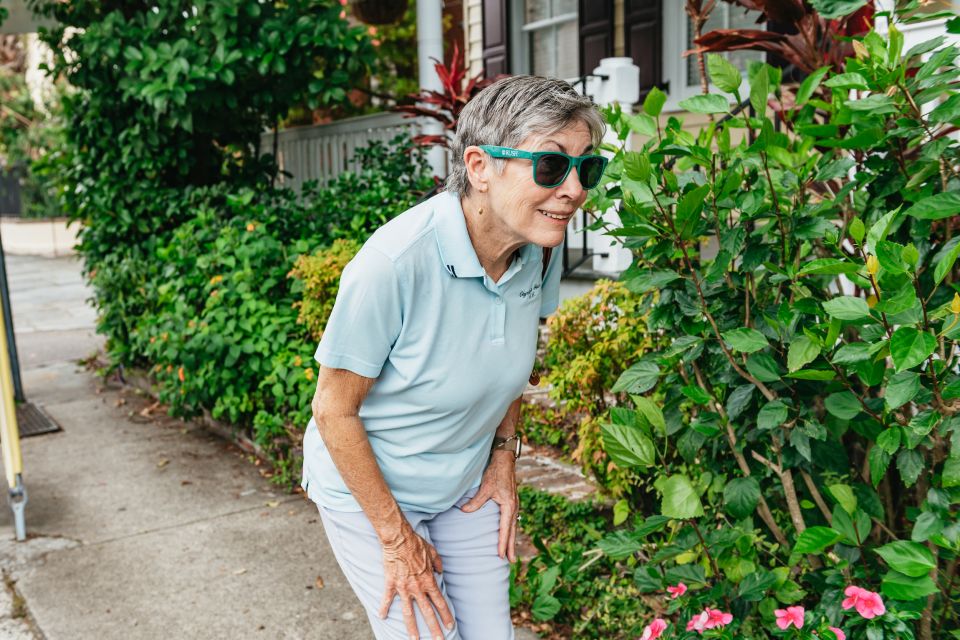
Charleston’s magic is that the city looks old even when you’re standing in the middle of it today. That’s the point of this tour: you don’t just look at historic buildings. You learn how the street layout and the architecture grew out of real events.
This is a guided walk through the area often described as the only English, walled city in North America. You’ll move through sections that feel distinct—French Quarter energy, church-and-cemetery stillness, and the waterfront’s wide-open reality. And you’ll get the big picture without needing a textbook. The guide links what you see—houses, churches, public buildings—to what happened here: growth spurts, conflict, and long recovery cycles.
If you’re a first-time visitor, this is a strong way to get your bearings fast. In two hours, you can walk away with a clear mental map of Charleston’s “before and after” moments.
Meeting Street to the French Quarter: where the story starts

You meet at the corner of Meeting Street and Chalmers Street, on the cobblestone. That matters more than it sounds. Charleston history is physical. The ground itself helps set the tone, because the whole area feels built for walking and slowing down.
From the start, the tour heads into the French Quarter for a first stretch with a photo stop and sightseeing walk. This segment is your warm-up and orientation. You’ll notice how the neighborhood’s look differs from what you may expect from a typical U.S. city—especially the mix of storefronts and older structures tucked along the street.
This part of the tour is also where the guide usually lays out the “how Charleston worked” framework. You’ll hear how the city developed, how people lived, and how outside pressures shaped daily life. The guide’s job here is to keep you from treating each stop like a separate postcard. Instead, each one becomes a piece of one long timeline.
You can also read our reviews of more tours and experiences in Charleston.



Dock Street Theatre and the feeling of a city in motion
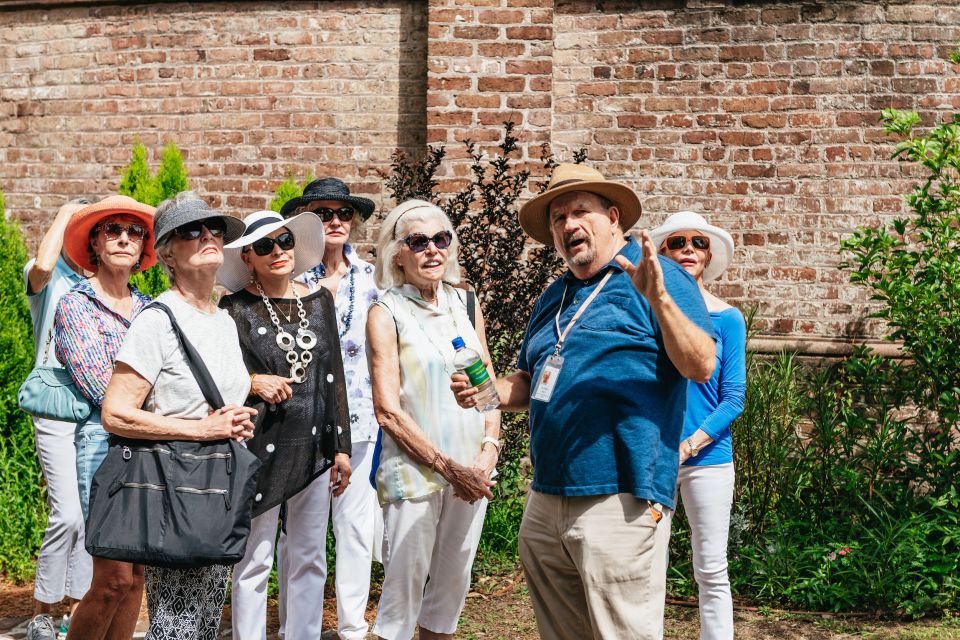
Next up is the Dock Street Theatre area. You’ll get another photo stop and a short sightseeing stretch. Even if you don’t plan to go inside any theater on this day, the stop is still useful. It helps you see that Charleston’s historic core isn’t stuck in the past. It still hosts performances, public life, and street-level events.
The guide typically uses stops like this to connect the city’s evolution to the people who shaped it. That’s where local storytelling adds value. When the guide is from Charleston—or has guided for years—you tend to hear small details that keep the history grounded. It’s not just dates and names. It’s how the city felt during different eras.
If you’re the type who likes architecture and street texture, this segment can be a nice breather before the heavier sites.
Old Exchange & Provost Dungeon: when the tour turns serious
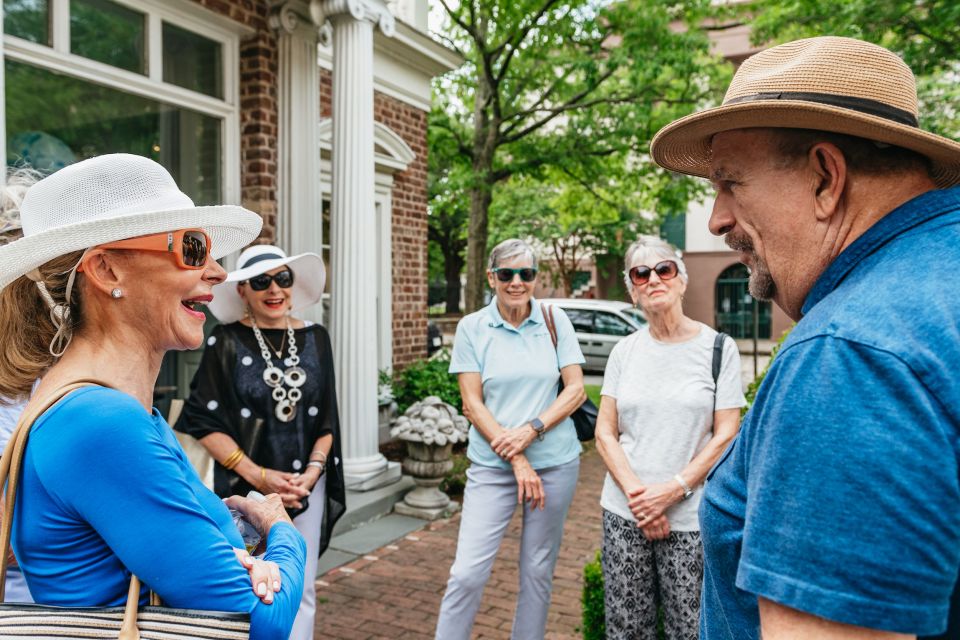
After Dock Street Theatre, the route reaches the Old Exchange & Provost Dungeon. This is one of those stops that changes the tone of a walk fast.
The name alone hints at official power and conflict. And the guide uses the site as a launch point for stories about hardship, control, and the kinds of people who moved through Charleston during tense periods. If you’re looking for a tour that doesn’t shy away from difficult topics, this is where you feel that.
One reason this stop lands well is that it fits the tour’s overall structure. Charleston’s history here isn’t framed as a straight line of progress. It’s framed as an ongoing struggle between prosperity and threat—piracy, war, political pressure, and public life all overlapping.
You’ll be standing in a place tied to official detention history, while the guide walks you through what that meant in practice. It’s a strong reminder that the city you’re admiring was also a city under strain.
Waterfront Park to Rainbow Row: beauty with a memory
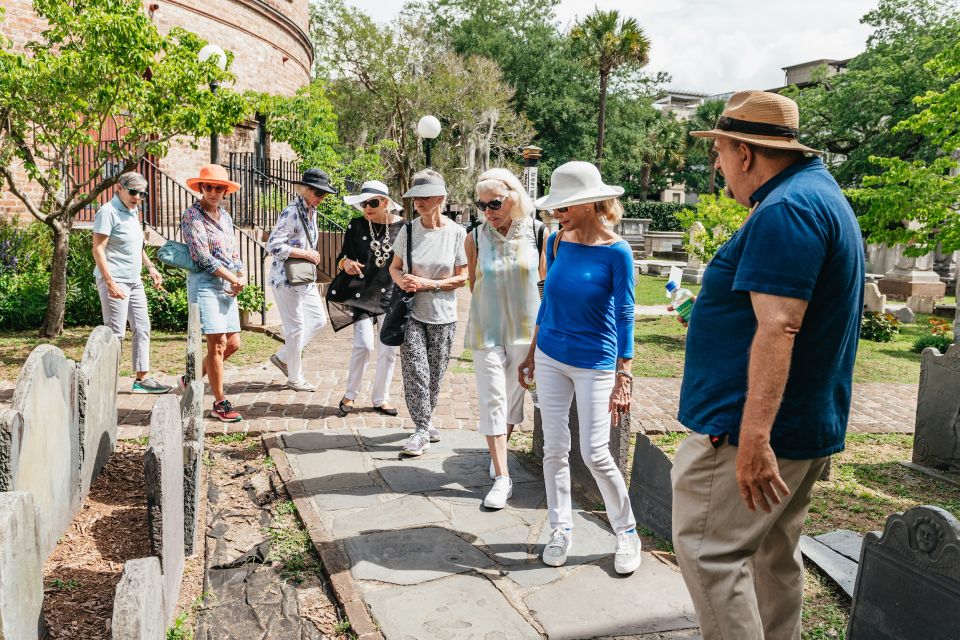
Then you move toward the waterfront area, including Waterfront Park for a photo stop and scenic walking segment. Waterfront stops work well on a history tour because they show why Charleston mattered. This city’s economy and survival depended on movement—shipping, trade, and the constant risk that comes with being connected to the water.
From there, you hit Rainbow Row. This one is short on the clock but big on payoff. You’ll get a photo stop and a quick scenic stretch on the way. The colorful facades do the visual work immediately. But the guide’s job is to do the thinking work: connect that pretty view to the city’s cycles of rebuilding and survival.
What I like about including Rainbow Row here is that it prevents a common mistake. It’s easy to see it as nothing more than a picture spot. On this walk, you learn to treat it as evidence of continuity. Charleston keeps returning—sometimes after catastrophe—so the architecture becomes part of the proof.
Heyward-Washington House: colonial-era flavor in a tight block
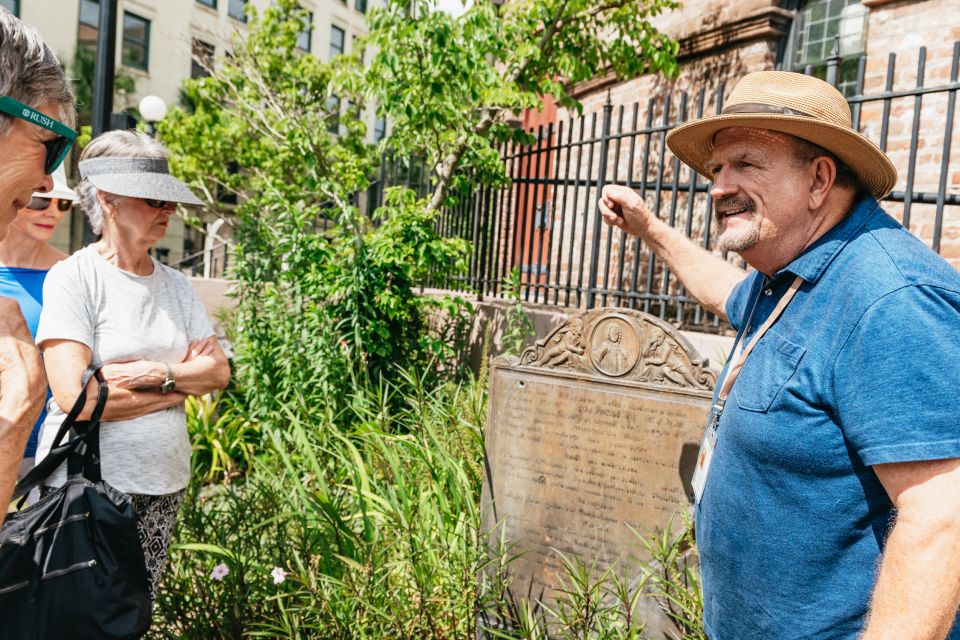
Next you’ll reach Heyward-Washington House for a short photo stop and sightseeing walk. This is one of the “colonial home” stops that gives the tour texture. Churches tell one story. Houses tell another.
Even in a quick time window, you can learn how to notice the details that matter: proportions, materials, and how the building fits the streetscape. The guide’s storytelling tends to connect these homes to the broader sweep of Charleston’s economy—especially the rise of rice planters and the wealth that shaped the city’s look.
This stop is also a reminder that Charleston’s history is not only about famous events. It’s also about everyday building decisions and how people turned resources into homes. If you like history that shows up in everyday objects, this part works.





St. Michael’s Episcopal Church: symbols, tombstones, and meaning
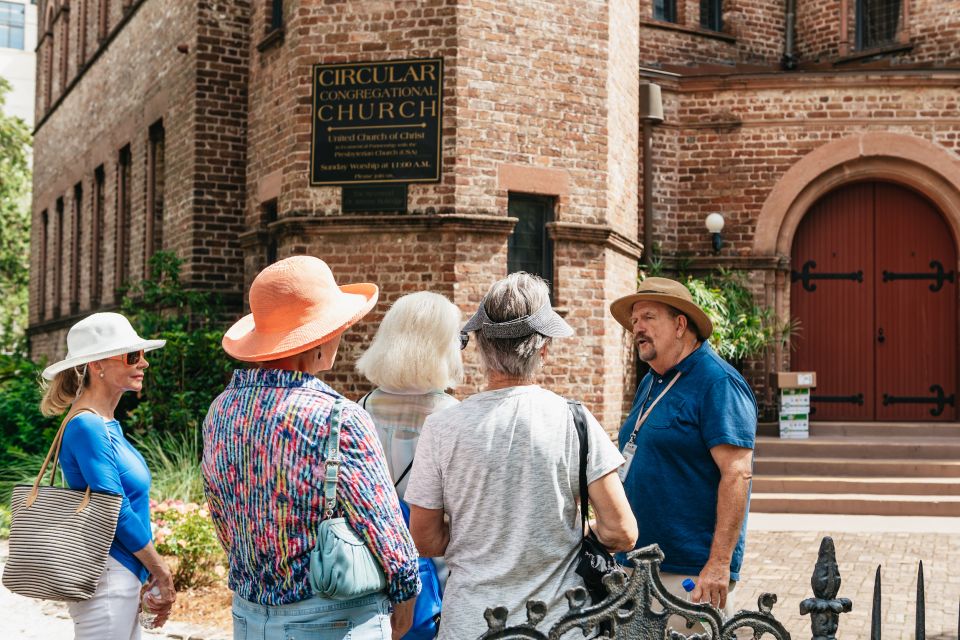
St. Michael’s Episcopal Church is a key stop, with a photo stop and sightseeing included. Churches in Charleston aren’t just places you pass. They often sit at the intersection of architecture, community, and memory.
One of the most useful things the guide brings into the church area is how to read the past through symbols. You’ll learn about ancient symbols on tombstones and what they can suggest. That detail changes how you experience the grounds. Instead of seeing scattered markers as background, you start recognizing them as a language.
This segment can also feel more reflective than other parts of the tour. If you like a mix of facts and atmosphere, St. Michael’s gives you that balance.
The disaster timeline: fires, hurricanes, epidemics, siege, earthquake
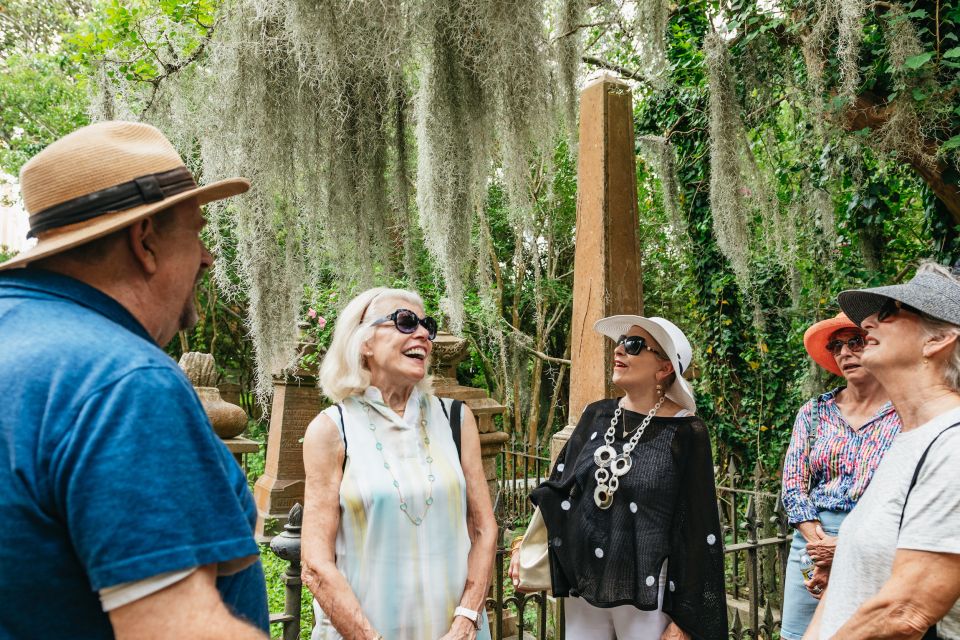
A tour earns its keep when it explains why a city looks the way it does. This one does that by building a disaster timeline into your walk.
You’ll hear about seven major fires, plus hurricanes, epidemics, sieges, bombardments, and a devastating earthquake. That list is intense, but the guide’s storytelling approach helps you see the pattern. In Charleston, recovery isn’t rare. It’s part of the city’s identity.
This section is where you stop thinking of history as a set of old events and start treating it like cause and effect. Fire reshapes buildings. Storms reshape what survives. Epidemics reshape communities. War reshapes who holds power. And the earthquake adds that extra layer of sudden, city-wide shock.
If you’ve ever wondered why historic Charleston looks both preserved and constantly renewed, this is your answer—right there on the walk.
Who makes it worth $30: the local guide factor
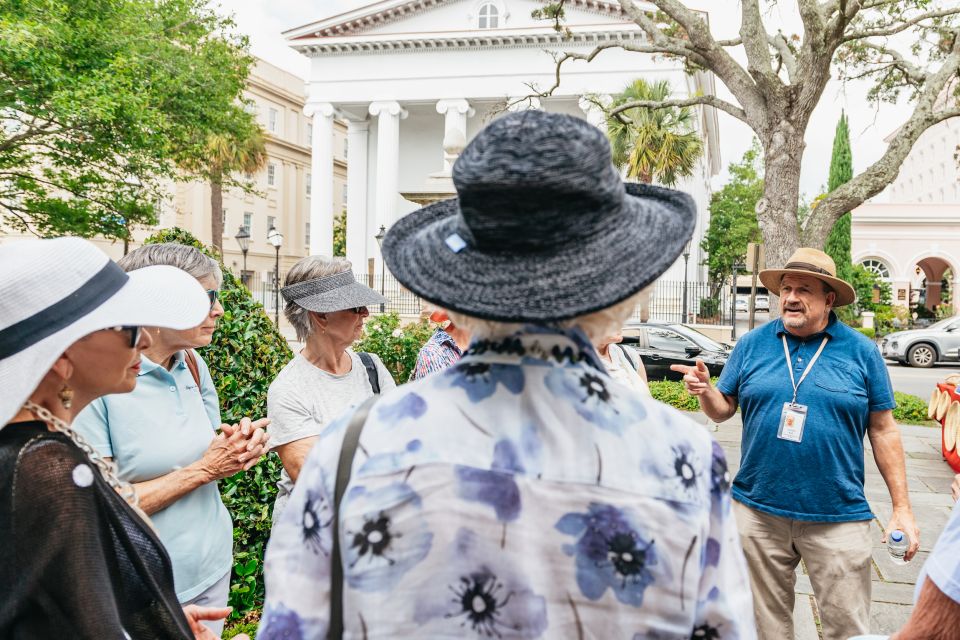
At $30 per person for a two-hour walk, the price only feels fair if the guide makes the time feel full. This is where the reviews really point in one direction: the guides deliver stories with personality, focus, and local grounding.
You’ll hear about guide names like Al, Bruce, Ed, Eric, and Alfie. A few people specifically note that some guides are long-time Charleston locals, including one described as a 7th-generation Charlestonian. That matters because they can explain what the city is like now while also showing how it got here.
The best guides on this route do two things at once:
- they connect what you see to what happened
- they keep you moving without turning the walk into a sprint
Some reviews also hint at a practical tradeoff. The information can come fast and heavy, sometimes feeling like a lot at once. If you want slower pacing, it helps to set that expectation early and ask for the guide to repeat or clarify a point. You’ll get a better experience if you feel comfortable jumping in.
Timing, photos, and walking comfort: the real logistics
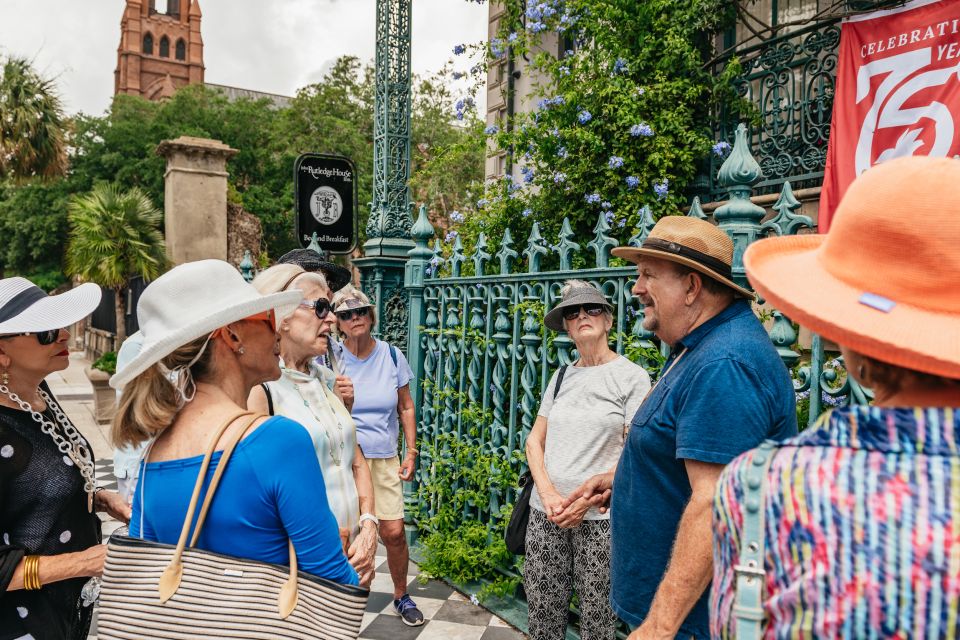
This tour runs about two hours. That means there’s little time to linger unless the group pace allows it. The itinerary includes multiple photo stops and short sightseeing segments, so you’ll spend a lot of the time on your feet.
Here’s how to make it feel good:
- wear comfortable shoes with good grip on cobblestones
- bring water and plan for sun if you’re walking midday
- add weather-appropriate clothing since Charleston can shift quickly
You’ll also want to assume the guide will keep the story going. Reviews include small comments about pacing, with some people wanting a slightly slower delivery. If you’re sensitive to fast speaking, choose a time of day when you’ll be most alert, and let the guide know if you need a moment.
Who should book this tour (and who might not)
This is a great fit if you:
- want a first-pass orientation of Charleston’s historic core
- like history explained through real street-level details
- want big-picture context, not just isolated facts
- enjoy architecture and religious sites as part of the story
It may be less ideal if you:
- have low tolerance for steady walking
- want long stops inside buildings (this tour is mostly street and exterior sightseeing)
- prefer lighter storytelling with fewer dates and heavier context
If you’re traveling with kids, a few reviews mention the guide being patient and understanding. Still, the pace is a factor, so choose times when children can handle time on their feet.
Should you book this Charleston Old Walled City tour?
Yes—if you want a fast, well-priced introduction that ties the city’s looks to the events that shaped it. The guide-led storytelling is the big value here, especially when you get a true Charleston insider like Al, Bruce, or Alfie, or a guide described as a multi-generation local.
Skip it only if walking for two hours on uneven pavement feels like a chore, or if you want a slow, deep museum style visit with long interior time. For everyone else, this tour is one of the best ways to turn Charleston’s famous scenery into understanding.
FAQ
How long is the Charleston Old Walled City Historical Walking Tour?
The tour lasts about 2 hours.
What does it cost?
It’s priced at $30 per person.
Where do I meet the guide?
Meet on the sidewalk at the corner of Meeting Street and Chalmers Street.
Is the tour in English?
Yes, the live tour guide provides the tour in English.
What should I bring for the walk?
Bring comfortable shoes, sunscreen, water, and weather-appropriate clothing.
Is there a lot of walking?
Yes. The tour involves a substantial amount of walking, so plan accordingly.
Can I reserve now and pay later?
Yes. You can reserve your spot and pay later.