REVIEW · CHICAGO
Chicago in a Day: Food, History & Architecture Walking Tour
Book on Viator →Operated by Intrepid Urban Adventures - USA · Bookable on Viator
Half a day, and you leave with Chicago context. This Chicago in a Day walk packs architecture, local food, and real city stories into about 4.5 hours, with a max group size of 12. I especially like how the stops are practical (pedway, river walk, Loop sights) and how the food adds up to a full meal. One watch-out: you do a long stretch of sightseeing before the bigger food moments, so come hungry.
The guides can make or break a tour, and this one leans hard on the personality and care of its locals. People mention guides like Dave and Dash for lots of clear history and smooth pacing, plus thoughtful help when someone needs extra time or easier routes. The only drawback that comes up repeatedly is sound and timing outside, so if you’re in traffic-noise mode, plan to stand where you can hear.
In This Review
- Key points
- Meet at the Chicago Theatre, then walk into the Loop rhythm
- Chicago Theatre to the City Hall area: the city’s power blocks
- Pedway time: the underground commute shortcut (and why it’s a big deal)
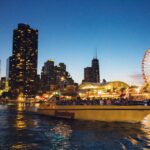
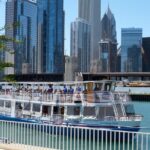
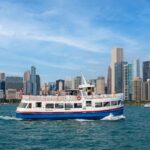
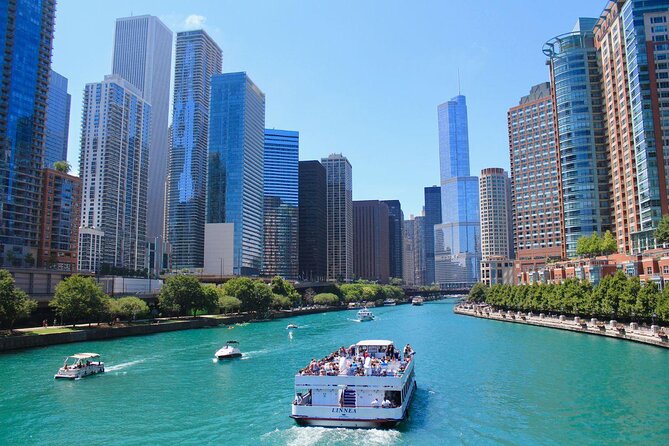
- Chicago River walk: skyline views plus the daily commute
- Magnificent Mile hits: Wrigley Building through the Tribune Tower
- Millennium Park and Cloud Gate: your iconic photo stop with context
- The food schedule: meal-sized by the end, but not equally timed
- Walking time, distance, and how to dress for Chicago days
- Small-group guiding: why max 12 matters on a busy route
- Price and value: what $100.95 buys you in one shot
- Should you book Chicago in a Day?
- FAQ
- How long is the Chicago in a Day walking tour?
- How much does the tour cost?
- What food is included, and is it enough for lunch?
- Can I request a vegetarian option?
- Is the tour good for families or kids?
- How much walking is involved?
- Can I cancel and get a full refund?
Key points
- Small group size (max 12) means easier questions and more human pacing
- Architecture + food on one route covers more than a typical single-theme walk
- Pedway and River/Loop stops show how Chicago actually functions day to day
- Millennium Park + Cloud Gate give you the skyline-photo payoff in one go
- Food is meal-sized by the end, but it may start later than you expect
Meet at the Chicago Theatre, then walk into the Loop rhythm
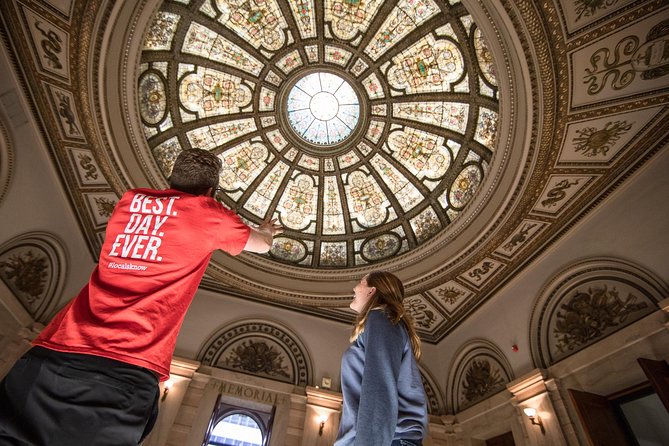
You start at the Chicago Theatre (175 N State St), under that famous marquee. It’s a smart meeting point because it’s central, easy to orient to, and it launches you into downtown streets right away. Within the first leg, your guide sets the tone: what to notice in the buildings, what kinds of history shaped these blocks, and how the city grew into its skyline.
This early phase matters more than you might think. Chicago is not one monument—it’s a layered city. When you get a quick framework up front, later stops like the Tribune Tower or the river feel connected instead of random.
You can also read our reviews of more tours and experiences in Chicago.


Chicago Theatre to the City Hall area: the city’s power blocks
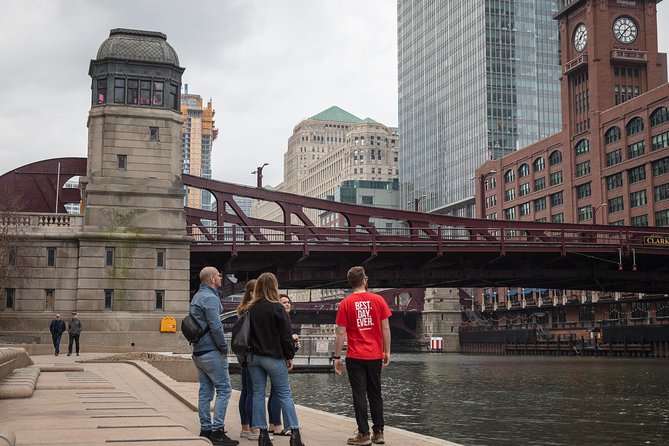
After the marquee, you’ll work your way toward the City Hall–County Building area—where Chicago and Cook County government offices live. Even if you’re not into civic stuff, it’s a good stop to connect architecture to everyday power and decision-making.
This is also where the tour starts to teach you how to read the city. In Chicago, style choices often reflect ambition: who built what, why it looks the way it does, and how eras left their stamp on the Loop. If you like history that you can actually see from the sidewalk, this part is worth paying attention to.
Pedway time: the underground commute shortcut (and why it’s a big deal)
One of the most distinctive stops is the Chicago Pedway—an underground network used by locals and commuters, especially in winter. Weather permitting, you’ll explore it for about 20 minutes.
Why you’ll like it: this is Chicago functioning, not just posing. You see how people move efficiently when the wind off Lake Michigan gets annoying. And even if you’re visiting in summer, walking a small stretch underground gives you a different view of the city’s scale and planning.
Practical note: it’s still a walking tour, so wear shoes that handle sidewalks and indoor/outdoor transitions without drama.
Chicago River walk: skyline views plus the daily commute
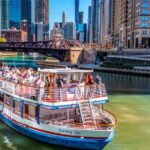
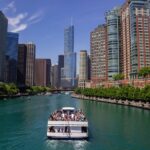
Next comes the Chicago River area—your chance to see the skyline and walk alongside the city’s main artery. The guide narration here can be the difference between I see tall buildings and I understand why they’re here and what Chicago was trying to do.
This is also one of the stops where you get that real “I’m in Chicago” feeling. The river corridor creates a natural walking spine for photos and for learning. Plus, it’s where the tour connects architecture to human patterns: offices, foot traffic, and the way the city moves from workday to evening.
Magnificent Mile hits: Wrigley Building through the Tribune Tower
As you head along the Magnificent Mile corridor, you’ll pass the Wrigley Building (built between 1920 and 1924) and then the Tribune Tower—a 463-foot, 36-story neo-Gothic skyscraper at 435 North Michigan Avenue.
These are the kinds of landmarks that sound famous, but only fully land when you understand the design language and the era. The Wrigley Building is a great anchor because it’s tied to a specific corporate identity. The Tribune Tower adds a different flavor—more vertical drama and the feel of an institution branding itself in stone and detail.
Two things to keep in mind here:
- You’re moving, so you may get best angles from the sidewalk rather than stepping into every nook.
- Downtown noise can make outside narration harder to catch, so keep your position close to the guide when crossing busy streets.


Millennium Park and Cloud Gate: your iconic photo stop with context
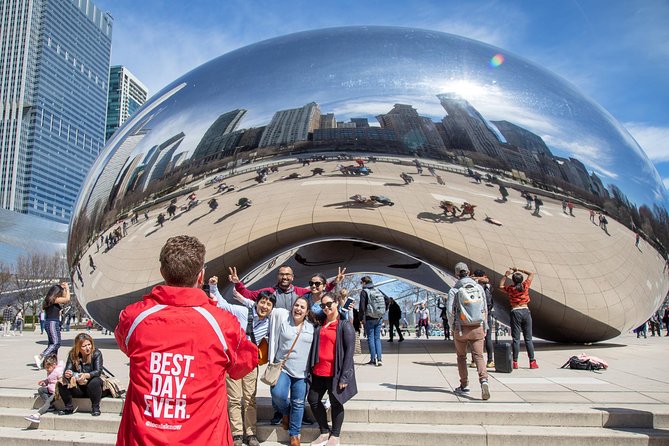
You’ll reach Millennium Park and get time around the centerpiece Cloud Gate, nicknamed the Bean. This is one of the tour’s biggest visual payoffs, and it’s timed well because it breaks up the city-walk energy with a flatter, more open photo area.
What makes this stop more than a quick photo: the guide gives you context about why this modern landmark belongs in Chicago’s story. The city built itself upward for decades—then modern design arrived and gave people a new kind of public space. Even if you’ve seen pictures online, standing near Cloud Gate is different. The reflections and the way people flow around the sculpture make the area feel alive.
After Millennium Park, the guide typically also points you to what to do next—extra sights, lunch spots, or drinks—so you’re not left guessing once the tour ends.
The food schedule: meal-sized by the end, but not equally timed
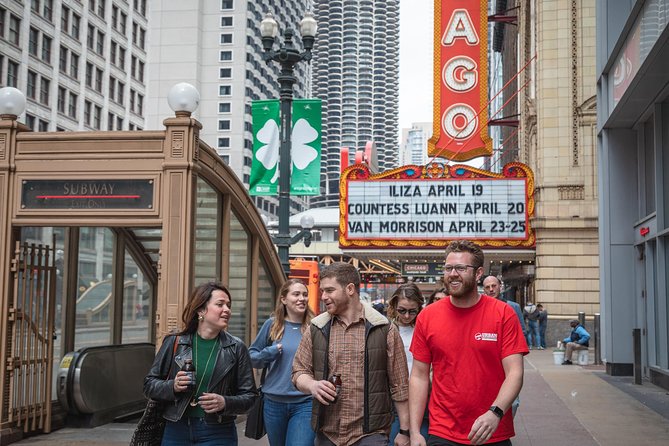
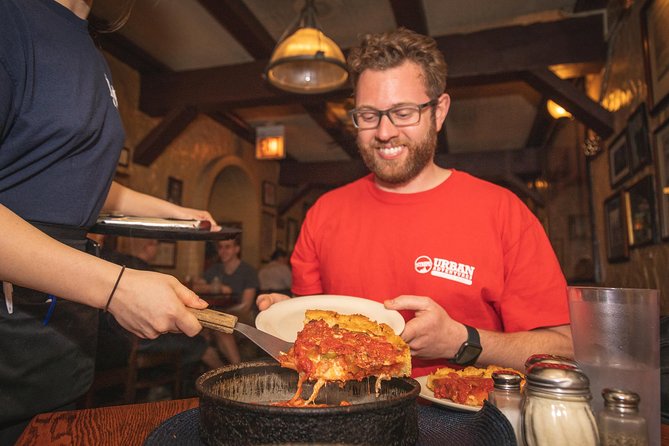
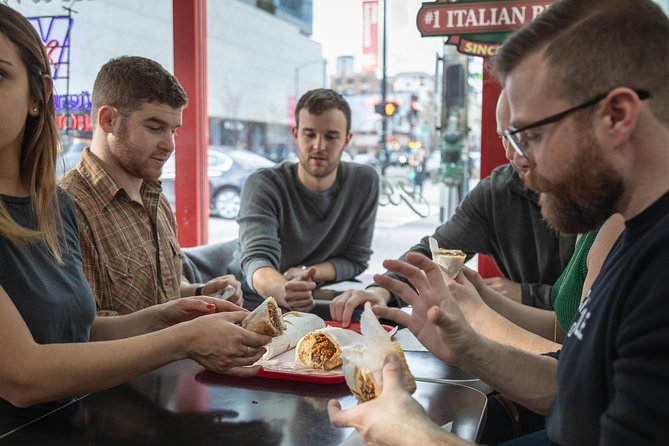
This tour is sold as a food-and-architecture day, and yes, you do eat some of Chicago’s best-known classics. Included tastings commonly cover deep-dish pizza, Chicago hot dog, and Italian beef (often in roll form). Some people also note smaller starters like popcorn early on.
Here’s the practical truth: the food can feel weighted more toward the later part of the route. Multiple people wish they knew that the first stretch of the tour may be all walking and seeing, with the fuller food moments arriving well into the experience. If you skip breakfast or you’re sensitive to long gaps, you’ll feel it.
My advice:
- If you book the morning tour, eat something light before you go.
- Bring water outside the meals if you tend to get thirsty on walks.
- Assume the total tastings add up to lunch, but don’t assume the food hits right at the start.
Dietary fit: vegetarian options are available if you ask in advance. The tour says it can’t accommodate other allergies or dietary preferences beyond that, so if you have serious restrictions, confirm details before booking.
Walking time, distance, and how to dress for Chicago days
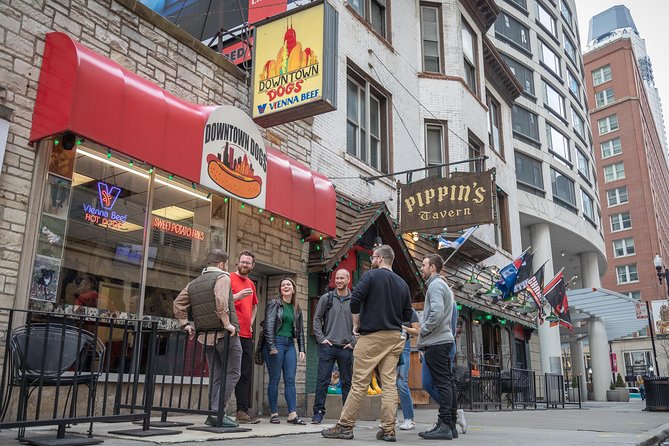
You’re looking at about 3–4 miles (4.8 to 6.4 km) of walking at a relaxed pace with regular stops, lasting around 4 hours 30 minutes. That’s manageable for many people, including families, but it still adds up—especially when you layer in stairs, curbs, and downtown crossings.
What to wear:
- Comfortable shoes with traction.
- Layers. Chicago weather changes fast.
- If you’re sensitive to wind, bring something that blocks it.
The good news: the group size stays small, and guides often plan for breaks. Some people mention that guides arrange time to sit, find shade, and use restrooms as needed. If you use mobility aids, it’s also a route where you may find support (people report guides spotting easier elevator routes).
Small-group guiding: why max 12 matters on a busy route
With up to 12 travelers, this isn’t the kind of tour where you’re lost in the back row. You can ask questions. You get pulled into the story instead of just listening while passing by.
People mention guides like Rich and Dash (along with Dave) for a mix of humor and clear narration. A couple of comments stand out: guides check in on pacing and regroup the group carefully, and some even adjust routes on the fly so everyone keeps up comfortably.
Sound is still a factor. Downtown has traffic and trains, so if you’re hard of hearing or you struggle with outdoor audio, you’ll want to stay near the guide and avoid getting stuck beside the noisiest intersections.
Price and value: what $100.95 buys you in one shot
At $100.95 per person, it’s not a bargain-basement deal. But for Chicago, it can be good value if you want a single, structured day that covers multiple categories at once: major architecture, a practical slice of city life (Pedway + river/Loop), and enough food samples to replace lunch.
What you’re getting for the price:
- Food tastings that are designed to equal a full meal by the end
- Access to key sights and photo stops (including Millennium Park and the Bean)
- Guided storytelling that ties buildings and neighborhoods to the city’s development
- A small group that keeps the experience interactive
- A mobile ticket and a B Corp–run operator committed to responsible tourism
What you’re not getting:
- Drinks and additional snacks beyond what’s included
- Gratuity (not included)
If you’re the type who likes to hit the highlights but also wants to understand what you’re looking at, the structure helps. If you already know Chicago’s architecture cold and you only care about food, you might consider a more food-only plan—but you’d lose the built-in skyline and history connections.
Should you book Chicago in a Day?
I’d book it if you have limited time and you want a practical first look at Chicago that mixes famous sights with a real working-city vibe. The small group size, the combination of architectural passing highlights, and the fact that the food is built to total a meal are the core reasons it works.
I’d think twice if:
- You strongly dislike long stretches without food (because the tastings can start later)
- You’re very sensitive to outdoor noise and find narration hard to hear
- You’re expecting a slower “stitching” of food and architecture the whole way through (some people feel it runs as two phases)
If you go in with full breakfast readiness (or at least a snack plan) and comfy walking shoes, this is a solid way to get your bearings fast and leave with both pictures and context.
FAQ
How long is the Chicago in a Day walking tour?
It runs about 4 hours 30 minutes.
How much does the tour cost?
The price is $100.95 per person.
What food is included, and is it enough for lunch?
The tour includes tastings of Chicago classics such as deep-dish pizza, hot dog, and Italian beef (plus additional items). The total food amount is designed to equal a full meal, though the food moments may start later in the tour.
Can I request a vegetarian option?
Yes. Vegetarian options are available if you let the operator know in advance. The tour says it can’t accommodate other food allergies or dietary preferences.
Is the tour good for families or kids?
Yes. It’s described as family-friendly, and children under 4 can join free. A reduced child price applies for children aged 4 to 11.
How much walking is involved?
It includes approximately 4.8 to 6.4 km (3–4 miles) of walking at a relaxed pace with regular stops.
Can I cancel and get a full refund?
Yes. You can cancel up to 24 hours in advance for a full refund. If you cancel less than 24 hours before the start time, you won’t receive a refund.