REVIEW · NEW ORLEANS
French Quarter Historical Sights and Stories Walking Tour
Book on Viator →Operated by Lucky Bean Tours · Bookable on Viator
A French Quarter story walk saves you from surface sightseeing. In about two hours, you’ll move through the oldest neighborhood with a guide who connects architecture, religion, and politics to what you see on the ground. You’ll end in Jackson Square, which makes it easy to keep exploring on your own right after the tour.
I like that the price is light ($35) for a guided route through major landmarks plus lesser-known stops, with all the admission stops listed as free. I also like the small-group feel (max 12), which is exactly what you want when the guide is fielding questions and pointing out details you’d otherwise miss.
The main thing to plan for is the walking: it’s an active, outdoor route in all weather. If you hate sun, humidity, or rain, bring what you need (water, a hat, and shoes with grip) and go in expecting a steady pace.
In This Review
- Key takeaways before you go
- Why this French Quarter history walk is a smart use of two hours
- Getting started on Dumaine St and ending in Jackson Square
- What makes the guide experience different: storytelling with real local angles
- Stop 1: The French Quarter opener—old streets, big influences, clear orientation
- Stop 2: French Market—history in motion and ideas for what to do next
- Stop 3: St. Louis Cathedral—late 18th-century landmark with serious stories
- Stop 4: The Mississippi River—third largest river in the world, right at your doorstep
- Stop 5: Royal Street—shopping, street performers, and the story behind the fun
- Stop 6: Jackson Square—how the French and Spanish mix shows up in one place
- Value check: is $35 worth it for this kind of tour?
- Best fit: who should book this walking tour
- Should you book this French Quarter historical sights walk?
- FAQ
- How long is the French Quarter historical sights and stories walking tour?
- How much does the tour cost?
- What is included in the price?
- Where does the tour start and end?
- Are tickets mobile and in English?
- Does the tour operate in bad weather?
- How many people are in the group?
Key takeaways before you go
- Max 12 people means you can actually hear your guide and ask questions.
- A route built around the big anchors: Jackson Square, St. Louis Cathedral, and the Mississippi River.
- A history-focused walk that also points you to where to shop and eat afterward.
- Stops are short and timed well, so you don’t feel stuck at one place.
- All-weather operation: dress for heat/rain and you’ll be fine.
- Mobile ticket + near public transit makes it straightforward to start.
Why this French Quarter history walk is a smart use of two hours
If your goal is to understand New Orleans fast, this is the kind of tour that helps. The French Quarter can feel like a postcard at first glance, but the real magic is the layers—French and Spanish influence, American change, Caribbean culture, and the way religious and civic life shaped the streets.
What I like about this tour format is that it doesn’t just point at landmarks. It gives you the stories behind them, so when you later wander on your own, you’ll recognize why a building looks the way it does and why a certain corner matters. That turns sightseeing into comprehension, without turning it into a lecture.
And the timing is a big deal: about two hours is enough to set your bearings without wiping out your whole day. It’s also a good match for first-timers and for people returning to the city after years away—one guide-led loop gives you context so your next strolls feel sharper.
You can also read our reviews of more tours and experiences in New Orleans.

Getting started on Dumaine St and ending in Jackson Square
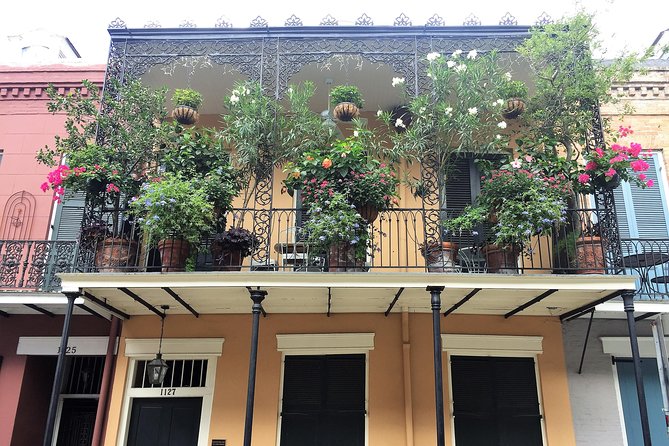
You’ll begin at Instrument Men, 400 Dumaine St. The tour then works its way through the French Quarter and finishes around 701 Decatur St, with the official end in Jackson Square—the perfect landing spot because it’s central and walkable to many other sights.
A few practical notes that make this easier than it sounds:
- You get a mobile ticket, so you’re not juggling paper.
- It operates in all weather conditions, so you should treat rain and heat as normal.
- It’s listed as near public transportation, which matters if you’re not renting a car.
- The walking time at each stop is relatively short, so you don’t get stuck waiting around.
The tour also runs with three daily departures, so you can usually pick a time that fits your schedule. If you’re trying to see the most with limited days in town, I’d plan this early—your afternoon and evening plans will make more sense once you know what’s where and why it matters.
What makes the guide experience different: storytelling with real local angles
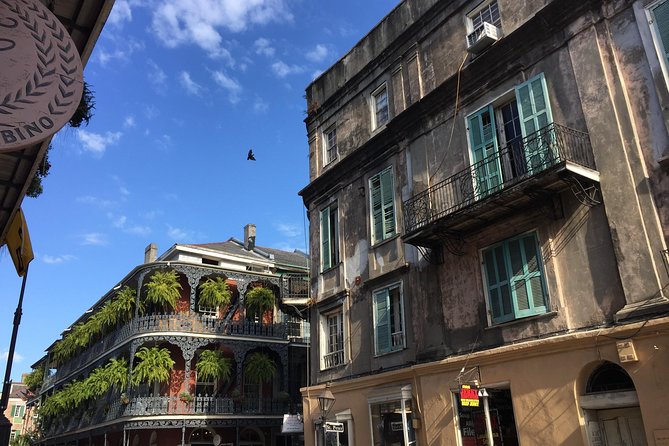
The guides are a major part of the value here. Names that come up again and again include Tim, Scott, Renee, Lesley, and Yvonne—and the pattern is consistent: friendly, engaged, and willing to answer questions.
In a place as talk-heavy as New Orleans, that’s not a small perk. You’re not just hearing facts. You’re getting context for architecture, religion, and even local politics—plus practical suggestions on shopping and dining. That kind of commentary helps you avoid the common trap of wandering hungry with no plan.
Also, this tour keeps group size tight (max 12). That’s how you get a guide who can pause for your questions instead of racing everyone through the stops. For solo travelers, it’s especially nice; you can ask follow-ups without feeling like you’re interrupting.
Stop 1: The French Quarter opener—old streets, big influences, clear orientation
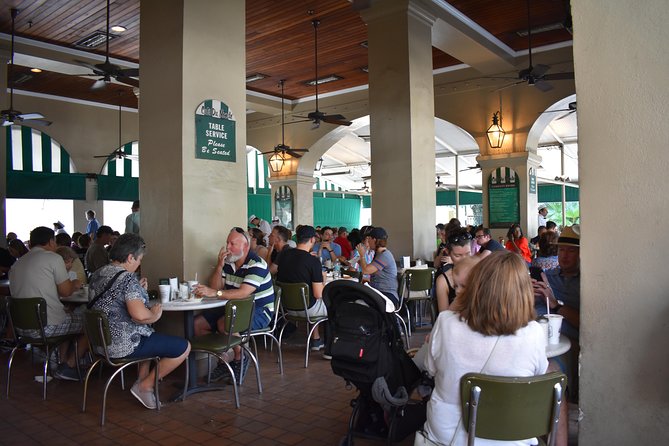
The walk starts with a French Quarter overview for about 30 minutes. This is where the guide usually sets the framework: the neighborhood’s heritage, the architecture you’re about to see, and the way the Quarter’s history shaped everyday life.
This first stop matters because the French Quarter isn’t uniform. You’ll notice different styles, different materials, and different building priorities if someone points them out. For example, colonial-era influence shows up in forms and details, and the guide’s explanations help you connect the look of a place to the people who built and used it.
What you’ll get here
- A quick mental map of the area before you zoom into individual landmarks
- Architecture and heritage context so later stops land better
- Enough background to understand the mix of religion, culture, and street life
Potential drawback
Because this is the foundation, if you’re the type who only wants the most famous photos, you may feel this portion is a little less “wow” than the later sights. But it’s worth it. Once the story clicks, you’ll start noticing details everywhere.
Stop 2: French Market—history in motion and ideas for what to do next
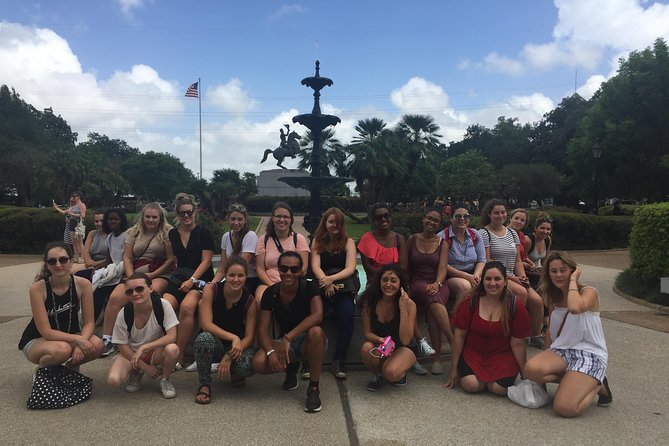
Next is the French Market, typically for about 15 minutes. This is the kind of stop that’s both practical and fun. It’s busy, it’s historic, and it gives you a sense of the Quarter as a living place—not a museum.
The guide’s job here is to bring the hustle into focus with stories about how this area developed. And because you’re learning in real time, you’ll be better at making decisions later when you’re browsing on your own.
How to use this stop well
- Take note of what draws you (souvenirs, local goods, street performers nearby)
- Use the guide’s recommendations to pick where to spend your money and time after the tour
Good to know
The stop is short. If you want to shop deeply, treat this as a primer and plan extra time for shopping later—especially along nearby shopping streets.






Stop 3: St. Louis Cathedral—late 18th-century landmark with serious stories
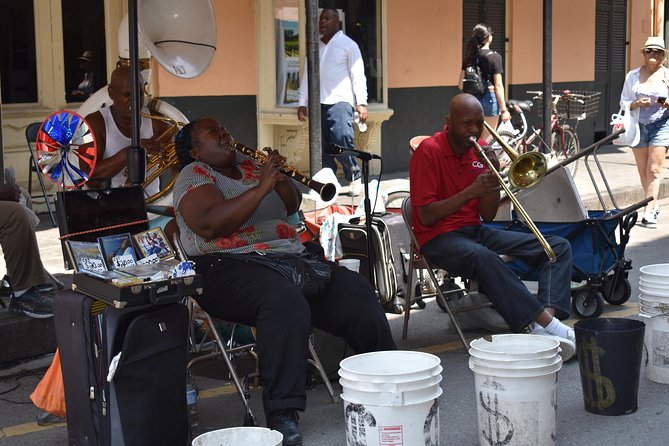
Then you’ll spend about 15 minutes at St. Louis Cathedral, described as a beautiful basilica built in the late 18th century. This is one of those places where you can feel the history instantly, even before the guide explains it.
What makes the stop memorable is the way the guide connects the building to the city’s tragic and triumphant moments. It’s not just about admiring stonework; it’s about understanding why this cathedral has been a witness point for so many chapters of New Orleans history.
What I think you’ll appreciate
- A stronger sense of why religion and civic life are interwoven in this city
- Better context for reading the symbolism you see around you
- A chance to pause and reset before the next streetside stretch
Consideration
This is still a walking tour pace, so don’t count on lingering for long photo sessions unless you’re quick. If you love deep viewing, you can circle back later once the tour is over.
Stop 4: The Mississippi River—third largest river in the world, right at your doorstep

About 15 minutes brings you to the Mississippi River. The tour frames the river as both the source of life for New Orleans and the challenge the city faces every day.
The river stop is also a nice sensory change from tight streets. You get space for a moment, and you’ll understand why New Orleans’ relationship with water is not abstract. It shapes how the city developed, how it thinks, and how it plans.
A fun detail you’ll hear here: the Mississippi is identified as the third largest river in the world. That fact helps you put the scale in perspective.
Quick tip
Bring water, especially in warmer months. River areas can get hot and exposed, and you’ll appreciate having an easy sip on hand.
Stop 5: Royal Street—shopping, street performers, and the story behind the fun
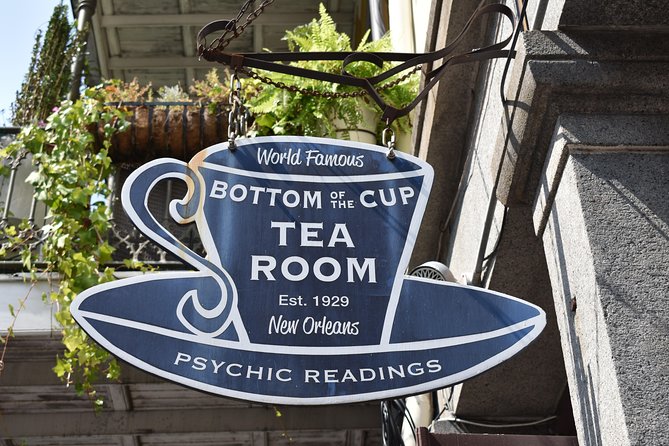
Royal Street gets about 30 minutes. This is your social-and-sensory stop: shopping storefront energy, street performers, and the kind of street vibe that makes the French Quarter feel like a destination instead of a chore.
The guide also threads stories into what you’re seeing—so you’re not just shopping for shopping’s sake. You’ll likely come away with a better sense of what types of places to prioritize and how to enjoy the scene without getting turned around.
Why this stop is a win
- It’s long enough to actually enjoy rather than rush through
- It’s a natural place to use what you learned earlier about architecture and history
- You can ask for targeted dining and shopping suggestions before you go off on your own
If you’re a shopper
This is where you’ll want comfortable shoes. Royal Street rewards wandering, and the tour’s timing gives you enough freedom to peek around.
Stop 6: Jackson Square—how the French and Spanish mix shows up in one place
You’ll finish at Jackson Square, with about 15 minutes here as the tour’s closing stop. The square is described as the heart of New Orleans, and the guide’s framing is helpful: you’ll hear how the city is French and Spanish, American and Caribbean—all at once.
Jackson Square is the kind of place where you can see history and entertainment side by side. As a final stop, it works because the tour has already given you the context to interpret what you’re looking at. After the walk, you’ll be more likely to notice the symbolism and the rhythm of the neighborhood instead of just taking quick pictures and moving on.
A practical way to end strong
Use the tour’s last minutes to ask one or two follow-up questions—like where to go next for food or what nearby streets are worth your time. Then keep exploring from Jackson Square while everything is fresh.
Value check: is $35 worth it for this kind of tour?
For $35 per person and about two hours, this is strong value—mostly because you’re paying for time with a real storyteller, not just access to outdoor landmarks.
Here’s why the price makes sense in practical terms:
- The stops listed are free admission at each major anchor.
- You’re getting a professional guide for the entire route, including context and recommendations.
- The group size cap (max 12) improves your experience more than people expect. You’re not stuck watching your own guide from the back row.
Also, your money goes further if you’re new to New Orleans. One good French Quarter history loop helps you shop smarter, eat better, and avoid spending your time on places that don’t match your interests.
If you already know a lot about the French Quarter, you might still find value in the guide’s local angle and the way the tour helps you notice architectural details you missed before.
Best fit: who should book this walking tour
This tour is a great match if:
- You’re visiting for the first time and want a clear orientation in a short window
- You want history explained in plain language while you walk
- You appreciate architecture and want to connect style to stories
- You like a small group where questions are welcome
It may be less ideal if:
- You only want minimal walking and zero weather exposure
- You expect a long sit-down experience or museum-style depth at each site
For most people, especially for a first visit, it’s one of the easiest ways to get your bearings quickly and make your remaining time feel more intentional.
Should you book this French Quarter historical sights walk?
I’d book it if you want your French Quarter time to feel guided, not random. The combination of major landmarks (Jackson Square, St. Louis Cathedral, Mississippi River) plus a practical shopping-and-street-life stop on Royal Street makes it a solid “start here” option.
Book it early in your trip if you can. Then you’ll leave with not only stories, but also a short list of what to do next. If weather is rough, go prepared and you’ll still get the full benefit of the route and the guide’s explanations.
If you like small-group walking tours and you care about understanding what you’re seeing, this one is worth the $35.
FAQ
How long is the French Quarter historical sights and stories walking tour?
It runs for about 2 hours on average.
How much does the tour cost?
The price is $35.00 per person.
What is included in the price?
A professional guide is included.
Where does the tour start and end?
The tour starts at Instrument Men, 400 Dumaine St, New Orleans, LA 70116 and ends in Jackson Square, around 701 Decatur St, New Orleans, LA 70116.
Are tickets mobile and in English?
Yes, you receive a mobile ticket, and the tour is offered in English.
Does the tour operate in bad weather?
Yes, it operates in all weather conditions, so dress appropriately.
How many people are in the group?
The tour has a maximum capacity of 12 travelers.