REVIEW · NEW ORLEANS
French Quarter walking Food Tour Famous Flavors of New Orleans
Book on Viator →Operated by Tastebud Tours · Bookable on Viator
A plate in your hand beats a map in your phone. This French Quarter walking food tour mixes classic New Orleans bites with stop-and-stare sights, plus quick legends and architecture notes. I especially like the all-in included tastings that are enough for lunch, and the guide energy that makes the city feel personal fast. One thing to consider: the experience leans heavy on classic Creole/Cajun comfort food, and you may still want a full meal after if you’re a big eater.
You’ll meet at the French Market complex, then walk through the French Quarter toward Jackson Square, with built-in moments to sit and eat. Expect 5 tasting locations clustered around famous landmarks and longtime institutions, with a small group size capped at 16. If you’re hunting a modern, variety-first menu or big seafood focus, double-check your priorities before booking.
In This Review
- Key points that make this tour worth your time
- How the French Quarter walk actually feels in 3 hours
- Your 5 included tastings: what each stop is really best for
- Tujague’s: red beans and rice in a space with old roots
- Laura’s Pralines and Candies: sweetness you can taste the history in
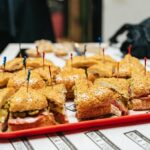
- Little Vic’s Rosticerria: muffaletta without Bourbon Street chaos
- Croissant D’Or Patisserie: French pastries in the Quarter
- Nola Po-Boy: the classic roast beef po-boy moment
- Cafe Fleur De Lis (French Market): shrimp and cheese grits for the finale
- The food pattern: why it can feel rice-forward (and when that’s fine)
- Guides make or break it: what the best hosts seem to do
- Price and value: does $75 buy lunch-sized satisfaction?
- Dietary needs and who should skip (or plan ahead)
- Ending the day: what to do right after the tour
- Should you book this French Quarter food tour?
- FAQ
- How long is the French Quarter walking food tour?
- What does the ticket price include?
- Where do you meet and start the tour?
- Is alcohol included in the tour?
- Do they offer gluten-free or vegetarian options?
- Can I cancel if my plans change?
Key points that make this tour worth your time
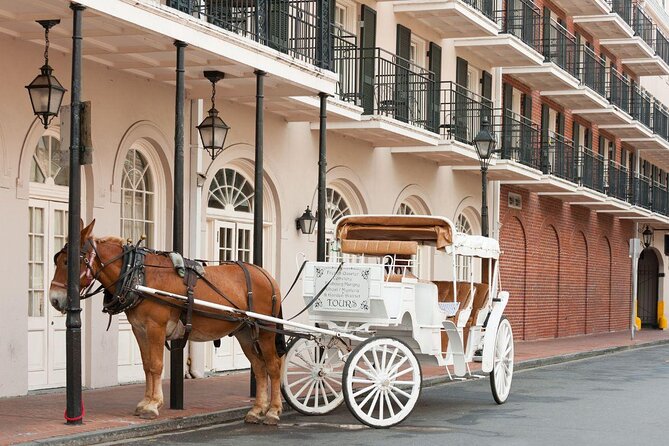
- French Market start, French Quarter stroll, Jackson Square stop so you get food plus the big postcard sights
- 5 tasting locations included with enough food for a hearty lunch
- Classic stops like Tujague’s, Laura’s Pralines, and Little Vic’s tied to New Orleans food history
- Muffaletta, po-boy, gumbo, red beans and rice, pralines cover the staples in a practical order
- Small groups (max 16) so it feels friendly instead of herded
- Mainly Creole/Cajun fare with limited dietary fit, since there’s no gluten-free or vegetarian option
How the French Quarter walk actually feels in 3 hours
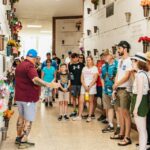
This tour is set up as a true walking experience. You’ll cover a noticeable distance, but the rhythm is built around food stops where you sit, taste, and reset for the next block. In other words, you’re not just marching past places. You’re eating while you look.
It runs about 3 hours and starts at 816 Decatur St at the French Market complex. You’ll then move through the French Quarter streets, with your guide pointing out historic buildings, local hotels, and key sights along the way. One review detail that matters: the route can feel a bit zig-zaggy depending on where the group is queued and how entrances work at each stop. If you hate surprises in walking routes, wear shoes you can handle and don’t plan anything tight right after.
Weather is part of the deal in New Orleans. The tour operates in all weather conditions, so dress for heat or cold, and be ready for wind. If you’re visiting in peak summer or a chilly, breezy day, bring the right layers and plan to sweat a little.
You can also read our reviews of more tours and experiences in New Orleans.
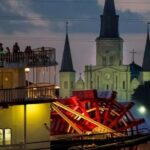

Your 5 included tastings: what each stop is really best for
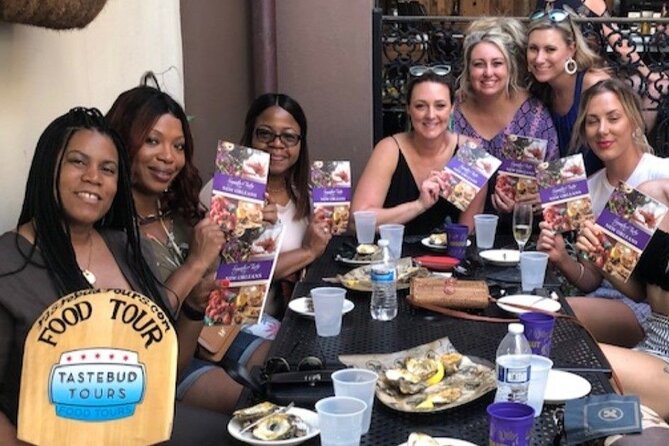
The tour includes 5 tasting locations in the French Quarter, and the combined amount of food is designed to be lunch-level. Here’s what that looks like on the ground, and where the “value” is hiding.
Tujague’s: red beans and rice in a space with old roots
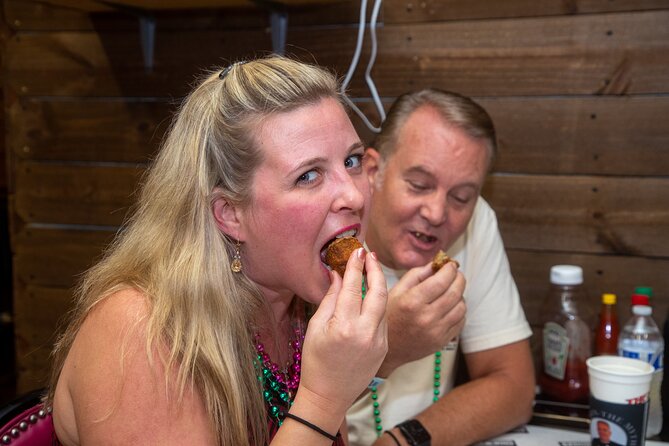
At Tujague’s, you’re tasting a New Orleans staple: red beans and rice. The stop also comes with a setting story—this restaurant was once a Spanish armory before it became known for classic Creole dishes. That matters because you’re not only eating; you’re understanding why these foods became repeat performers in local life.
Why it’s a smart stop: red beans and rice is a comfort-food shortcut to Creole tradition. Even if you’ve tried it before, it’s a dish that shows how New Orleans balances flavor, texture, and portion comfort.
Possible drawback: if you’re hoping every bite will be totally different, be aware that some dishes share similar flavor foundations (especially if you’re rice-focused).
Laura’s Pralines and Candies: sweetness you can taste the history in
Next up is Laura’s Pralines and Candies, often described as New Orleans’ oldest candy store. This is where you’ll pick up Creole pralines and a chance at hand-made chocolate-style sweets (the tour notes pralines and handmade items made fresh daily in the French Quarter kitchen).
They also mention recipes dating back to the 18th century. Even if you don’t get the full story in one sitting, you’ll feel the result: pralines here aren’t an afterthought. They’re a cultural signal.
Why it’s worth it: pralines are easy to overlook on a menu, but they’re one of those foods that turns New Orleans into a memory you can carry home. It’s also a good mid-tour reset when you need a sweet break.
Little Vic’s Rosticerria: muffaletta without Bourbon Street chaos
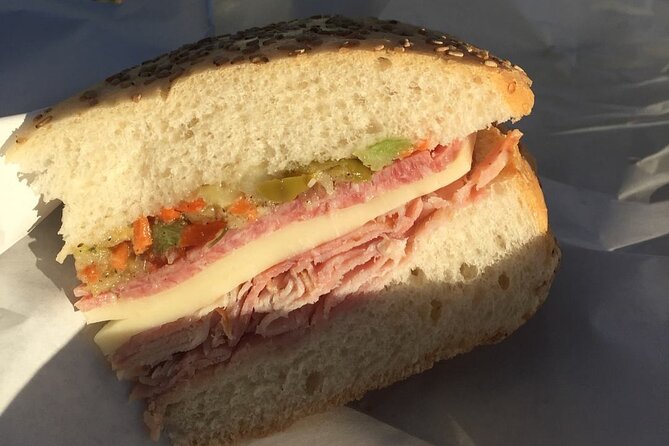
For your sandwich moment, you’ll head to Little Vic’s Rosticerria for a muffaletta on homemade bread. A key detail here: it’s located at 719 Toulouse Street and tucked into a quieter Creole courtyard. That location choice helps you get away from Bourbon Street noise for a bit.
Why it’s a top-value tasting: a muffaletta is a signature New Orleans sandwich. If you want one “this is New Orleans” bite that isn’t just fried or sugary, this is it.
What to watch: courtyards and off-the-busy-street setups can mean the seating vibe is more laid back than flashy. If you’re craving constant energy in every room, you might notice a quieter tone.






Croissant D’Or Patisserie: French pastries in the Quarter
Then comes Croissant D’Or Patisserie, a bakery that has been serving authentic French pastries in the French Quarter for nearly thirty years. This stop works like a palate checkpoint between savory bites and the later lunch-heavy comfort foods.
Why it’s a good pacing tool: pastry lets you keep moving without feeling weighed down, especially if you’ve already had gumbo or rice earlier.
Nola Po-Boy: the classic roast beef po-boy moment
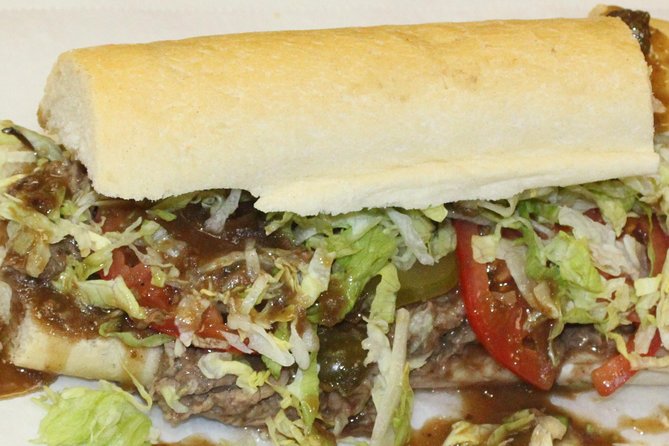
At Nola Po-Boy, you’ll get a hot roast beef po-boy, fully dressed. Po-boys are one of those foods that are simple on paper and deeply satisfying in real life. This stop is about the “right here, right now” payoff: grab the bite, taste the balance, move on.
Why it works on a walking tour: po-boys deliver big flavor without requiring a long formal sit-down. You still get a memorable taste, but the tour doesn’t bog down.
Cafe Fleur De Lis (French Market): shrimp and cheese grits for the finale
Your tour finale takes place at Cafe Fleur De Lis in the historic French Market. Here, the focus is shrimp and cheese grits, framed as southern cooking experience.
If your day includes a lot of rice and bread already, this is the kind of dish that changes the texture and keeps your taste buds awake. Plus, ending at the French Market makes sense: you start there, and then you finish near a place where you can wander afterward on your own.
One important note for expectations: this tour is not positioned as a seafood-only plan. You may get seafood here, but the overall menu leans into classic Creole/Cajun comfort staples.
The food pattern: why it can feel rice-forward (and when that’s fine)
The sample menu gives you the overall shape: gumbo, red beans and rice, jambalaya, plus po’boy and muffuletta, and then pralines. That’s a lot of comfort-food identity, and for some people it’s exactly the point.
A downside shows up when you crave variety beyond rice-based plates. Some diners found the selections to feel overly similar, especially if multiple dishes share rice as the anchor. If you’re from Louisiana and rice already feels familiar, you may be hoping for more non-rice specials.
Here’s the balanced take: if your goal is to learn the staples in a single afternoon, this tour is built for that. If your goal is to sample a wider spread of lesser-known dishes, you might feel like you’re getting the greatest hits and not the deep cuts.
Guides make or break it: what the best hosts seem to do
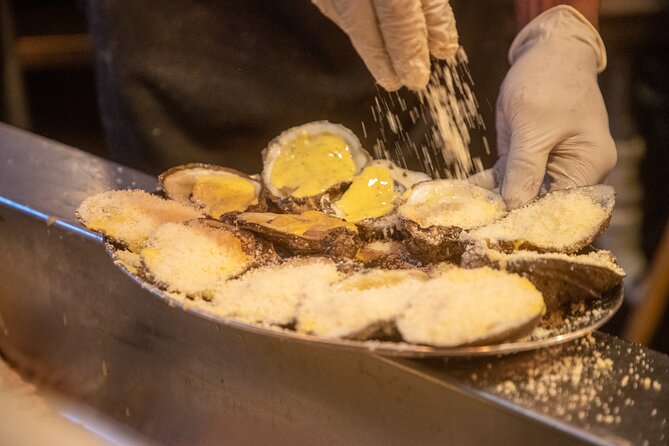
The biggest theme across the guide comments is that the best experiences come from the host’s personality and how well they connect food to place. Several names show up repeatedly: Charles, Roger, Kim, Lyndel, and Linda, plus Tish.
What consistently gets praised:
- Humor and pacing: guides keep the walk from feeling like a lecture.
- City-to-food connections: you hear why dishes show up where they do.
- Helpful recommendations: the tour isn’t only about what you eat during tastings.
One practical tip drawn from the tour vibe: treat the storytelling as part of the value, not extra fluff. If you’re the type who wants only food and zero talking, this tour might feel like more “walk-and-learn” than you expected. But if you enjoy learning what makes the French Quarter tick, that talk adds weight to the bites you’re tasting.
Price and value: does $75 buy lunch-sized satisfaction?
At $75 per person for about 3 hours, you’re paying for more than food. You’re paying for:
- a guided route through the French Quarter,
- 5 organized tasting stops,
- the on-the-ground logistics of getting people into partner locations,
- and a guide who ties the meals to local culture and legends.
Since the tour is described as enough for lunch, the value math is pretty straightforward: you’re effectively buying a curated meal plus a walking history lesson. Many people also point out that portions were plentiful enough to not feel like they were just nibbling.
Still, keep expectations realistic. A tasting tour is not a buffet, and individual hunger levels vary. Some reviews mention leaving still hungry and needing extra lunch afterward. If you have a big appetite, plan for a post-tour snack or be ready to add a full meal nearby.
Dietary needs and who should skip (or plan ahead)
This is where you need to be honest with yourself.
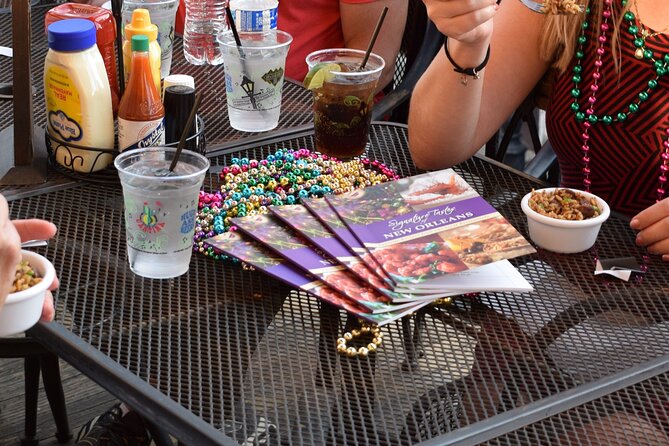
The tour notes no gluten-free option and no vegetarian options. That’s a serious limitation if you eat that way. You can and should let the company know about food allergies ahead of time, but the big dietary categories aren’t offered in this lineup.
Also, because the menu leans Creole and Cajun staples, you should expect savory dishes that include meat. One review even flagged that it can feel meat-forward if you’re vegetarian.
If your diet can’t match the core menu, it’s usually better to choose a different food tour style or a different provider that explicitly supports your needs.
Ending the day: what to do right after the tour
When the tour finishes, you’re still in the French Quarter zone. That’s useful because you can:
- go back for a second look at a favorite stop,
- or wander at your own pace while your food memories are fresh.
A small practical tip: build in a little free time after you finish. You’ll likely want to walk, not rush.
Should you book this French Quarter food tour?
Book it if you want:
- classic New Orleans staples in one afternoon,
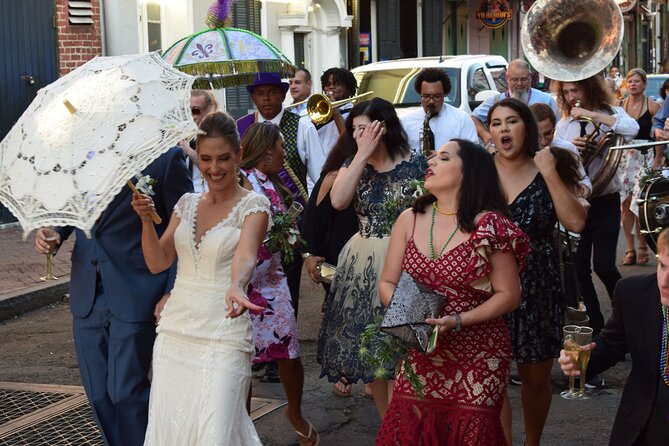
- a walking tour that includes Jackson Square and French Quarter icons,
- guided food history that makes the dishes make sense,
- and a small-group experience that aims to feed you like lunch.
Skip or reconsider if you:
- need gluten-free or vegetarian options,
- are allergic to the kinds of dishes included and don’t have confidence allergies can be handled,
- or want a broader menu variety that avoids rice-heavy comfort-food repeats.
For most first-timers, this is a strong “starter move” because it teaches you the French Quarter’s food logic fast—and does it with tastings you can actually feel.
FAQ
How long is the French Quarter walking food tour?
It lasts about 3 hours.
What does the ticket price include?
The ticket price includes all tastings at 5 tasting locations. Alcoholic drinks are not included.
Where do you meet and start the tour?
You meet at 816 Decatur St, New Orleans, LA 70116 at the French Market complex.
Is alcohol included in the tour?
No. Alcoholic drinks are available to purchase. The tour also notes learning about To Go Cups.
Do they offer gluten-free or vegetarian options?
No gluten-free option and no vegetarian options are listed.
Can I cancel if my plans change?
Free cancellation is available if you cancel at least 24 hours before the experience starts (based on local time).