REVIEW · NEW ORLEANS
Laura Creole Plantation Guided Tour
Book on Viator →Operated by Laura Plantation · Bookable on Viator
Creole life has a way of sticking with you. This Laura Plantation guided tour (about 1 hour 10 minutes) takes you through a well-preserved estate featuring the main house, gardens, and original 1840s slave cabins, with four generations of Duparc family stories—and the French and American history around slavery. It’s also one of those rare tours that uses surviving records to explain who lived here, not just what the property looks like.
I also like how the tour is built around asking questions in real time. If you get a guide with energy—people like Amelia and Cameron have been praised for turning facts into people—you’ll leave with a clearer sense of daily life, owners, and the enslaved community.
One consideration: if you’re hoping for nonstop day-to-day detail about enslaved life, some guests have felt it could go further. And like any plantation day trip, transportation can add up if you’re not able to drive yourself.
In This Review
- Key moments that make this tour worth your time
- Laura Plantation: why this Creole heritage tour feels different
- Getting there on your terms: Great River Road and time planning
- The guided walkthrough: what you’ll see and why it matters
- Stop inside the Maison Principale (main house)
- Gardens and grounds: where the plantation “makes sense”
- The original 1840s slave cabins: the history isn’t optional here
- Creole culture in plain language: what the tour is really teaching
- How long is long enough? Timing, pace, and group size
- Who will love this tour most (and who should adjust expectations)
- Price and value: $32.06 for a guided estate story
- Weather and comfort: a realistic outdoor experience
- Small museum time and nearby plantation hopping
- Should you book Laura Plantation? My practical take
- FAQ
- How long is the Laura Plantation guided tour?
- How much does the tour cost?
- What does the tour include?
- Where does the tour start?
- Is transportation to the plantation provided?
- Is the tour accessible for people with mobility needs?
- What languages are tours offered in?
- Is there a refund if weather cancels the tour?
Key moments that make this tour worth your time
- Four generations, one estate: You’ll hear how the Creole story changed across time at this plantation.
- Surviving records guide the narrative: The tour draws on family memoir and records found in French archives.
- Main house + slave cabins: You’re not just looking at architecture—you’re connecting it to real people.
- Gardens and sugar-field setting: The outdoors help you picture how the property actually functioned.
- Small group feel: Tours max out at 28 travelers, which helps the guide keep control of the pace.
- Language options: Tours are offered in English and French.
Laura Plantation: why this Creole heritage tour feels different
Laura Plantation sits about an hour from New Orleans along the Great River Road (the Mississippi). That drive matters because it shifts you out of New Orleans mode and into “this is how the river shaped life” mode. You’re heading toward plantations that were built, worked, traded, and managed in a landscape that rewards people who pay attention to details.
What I like most is that this isn’t a generic plantation slideshow. The tour focuses on Creole culture lasting more than 200 years, and it uses records—kept through multiple generations—to connect the French-descended Duparc family’s timeline with the lives of free people and enslaved people who lived and worked here.
And yes, the guide addresses slavery directly. You’ll hear the difficult history of slavery as it existed in French colonial and American Louisiana through the end of the 19th century. That honesty is part of why the tour is so strongly recommended.
You can also read our reviews of more tours and experiences in New Orleans.



Getting there on your terms: Great River Road and time planning
You’ll make your own way to Laura Plantation at 2247 LA-18, Vacherie, LA 70090. This is important for your budget and your schedule. If you self-drive, you control timing—snacks, bathroom stops, and pacing at the property become easier.
Some guests also mention that transportation through partner operators can cost more than the tour ticket itself. I can’t tell you what that will be for your situation, but the takeaway is simple: if you’re price-sensitive, try to plan self-drive or group together so you’re not paying solo ride costs.
The tour itself is only about 1 hour 10 minutes, so don’t overpack your day. You want enough time to arrive calmly and still enjoy the walk and the outdoor sections without rushing.
The guided walkthrough: what you’ll see and why it matters
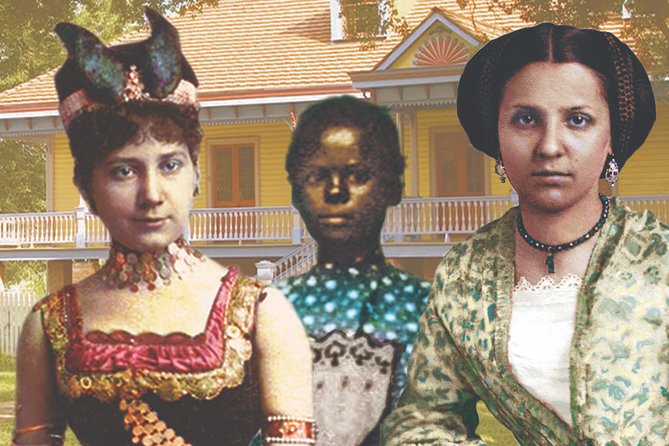
This is a single guided loop that takes you through the property. The big win is that the tour connects architecture and space to human stories, rather than treating the house and cabins like separate exhibits.
Stop inside the Maison Principale (main house)
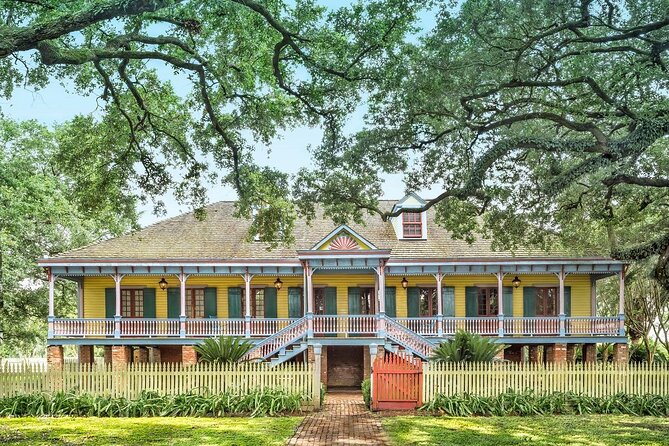
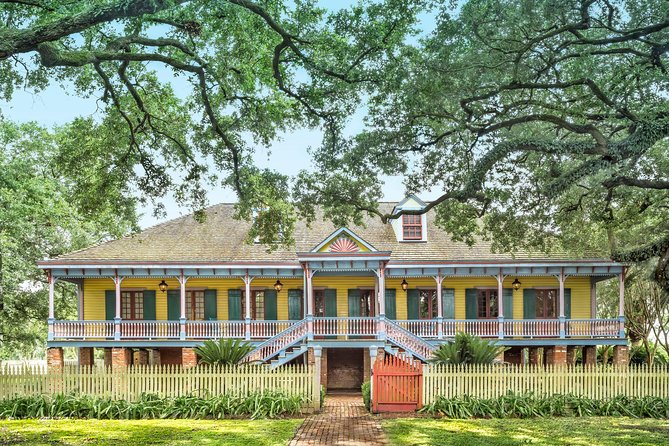
You’ll start at the main house, the 24,000-square-foot (about 7,315 square meters) Maison Principale. It’s furnished, and that matters because it helps you picture the plantation as a lived-in home, not a museum set.
What the guide works to do here is connect the Duparc family’s Creole identity to the world around them—French colonial roots, Louisiana culture, and the plantation economy that supported the household. If your guide has the kind of storytelling reported in reviews, the house becomes a tool for understanding: who had power, who was forced to work, and how those roles shaped daily routines.
A practical note: only the ground floor of the main house is ADA accessible, so if mobility matters for you, plan around stairs and outdoor walking.
Gardens and grounds: where the plantation “makes sense”
After the house, the tour shifts to outdoors—gardens and the property setting. This is where you start to understand how the plantation would function as a system: not just one building, but a whole working landscape.
Some guests recommend spending extra time looking around during the tour because the structure of the visit moves on. In other words: if there’s a detail you want to study—patterns in the architecture, the view from a certain spot, or how the grounds are laid out—flag it early by asking your guide a question. Guides can often point out what most people miss.






The original 1840s slave cabins: the history isn’t optional here
The most sobering part of the experience is also one of the most talked about. You’ll visit the original 1840s slave cabins and hear stories of enslaved people and the free and enslaved community connected to the plantation.
The tour doesn’t tiptoe. It explains slavery in the context of French colonial and American Louisiana, and it acknowledges how the system lasted long enough to shape generations.
That also means expectations need care. One review noted that while the tour was informative, some guests wanted more day-to-day detail about enslaved life at this specific plantation. So if your goal is very granular everyday routines, come with questions. Ask the guide what can be supported by records, and where the evidence is thinner. You may get a different kind of answer than you expect—but it’ll be grounded.
Guides can make a difference. People have praised Cameron, Joseph, Caroline, and Lindie for turning the story into something you can actually grasp. Others have commented that pace can feel fast with certain guides. So bring your patience—and if you feel rushed, speak up early.
Creole culture in plain language: what the tour is really teaching
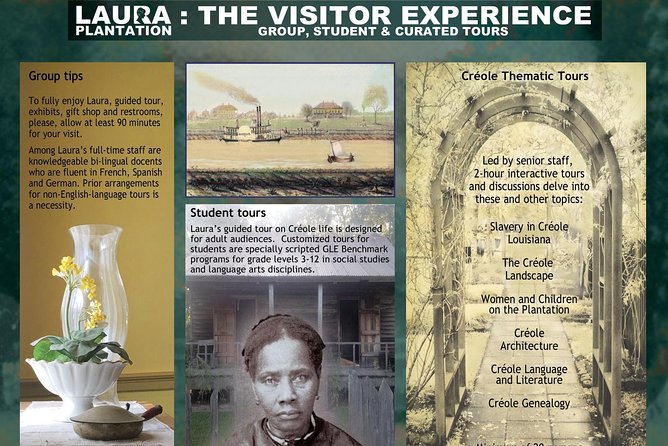
Creole culture here isn’t just food and language flavor. The tour frames Creole identity through family, power, and change over centuries. You’re looking at a Louisiana story shaped by French influence, local adaptation, and long-term social systems.
The best tours are the ones that make you connect dots. Many guests say the tour makes you sit back and think—how the business side of plantation life worked alongside everyday realities for owners and enslaved people. That balance is key: you’re not only seeing suffering; you’re also seeing the mechanisms that allowed the plantation to operate for generations.
And you’ll likely leave with a better sense of why Laura Plantation is recognized on the National Register of Historic Places and included on the Louisiana African American Heritage Trail. These aren’t just badges. They point to why the story is treated as historically significant, not entertainment.
How long is long enough? Timing, pace, and group size
The tour runs about 1 hour 10 minutes. With a max of 28 travelers, you get enough time for questions, but it’s not a slow wander.
This matters if you want details. If you’re the kind of person who reads every label and stares at every corner, you may want to plan a second visit to the grounds afterward (as allowed by the site’s flow that day) or visit other nearby plantations on the Great River Road afterward, since there’s time for additional self-paced exploring.
It also explains why some people felt a guide was moving too quickly. The setting is beautiful, but the schedule is tight. If you want photos, decide what you truly care about beforehand so you’re not chasing the perfect shot while the group moves on.
Who will love this tour most (and who should adjust expectations)
This tour fits best if you:
- Want an estate visit that treats slavery history seriously
- Like family-history storytelling, not just building facts
- Enjoy asking questions and getting answers tied to records
- Want a structured one-day stop that doesn’t require hours of museum hopping
It’s also a strong option for couples, families, and history-minded friends—especially if your group can handle a challenging subject without flinching.
If you’re looking for purely day-to-day details of enslaved life with lots of minute specifics, you might want to mentally brace for less of that if it’s not covered in depth by your guide’s style or by what the records can support. In that case, go in with curiosity, and ask targeted questions right away.
Price and value: $32.06 for a guided estate story
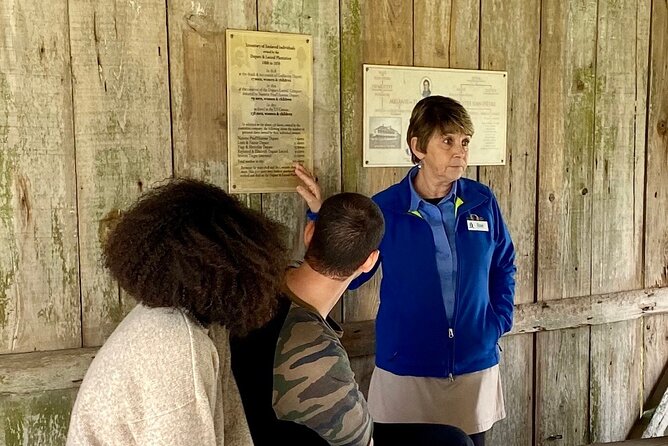
At about $32.06 per person, this isn’t a budget gimmick. The value comes from what’s included: a local guide, entry to the main house area, and coverage of gardens plus the slave cabins. You’re paying for interpretation, not just access.
When I think about value, I also think about how long it takes to learn what you came for. At roughly 1 hour 10 minutes, you’ll get a dense, guided overview without a full half-day commitment.
The other cost factor isn’t the ticket—it’s getting there. If you self-drive, you keep the day predictable. If you book transportation, your total day cost can rise fast. So your real value depends on how you plan to reach Vacherie.
Weather and comfort: a realistic outdoor experience
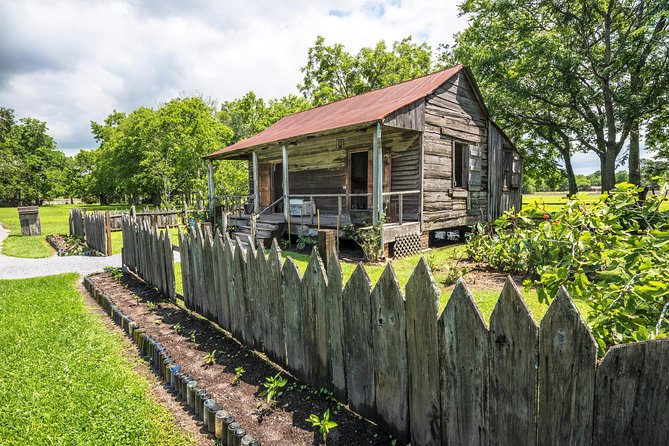
The tour operates in all weather conditions. That means you’ll want to dress for heat, humidity, or rain and expect some outdoor walking. Good walking shoes are worth it, especially since you’re moving between buildings and outdoor areas.
Also, bring small flexibility. Some sections of the route are outdoors, and you’ll be doing this on a schedule that keeps the group moving.
Small museum time and nearby plantation hopping
After the guided portion, you can continue exploring independently with other plantations along the Great River Road. That makes Laura Plantation a smart anchor stop: one guided narrative that gives you context, then optional follow-ups where you can compare how different sites interpret plantation life and history.
If you like souvenirs, the shop and small museum areas can add extra context beyond the main tour path. Even if you don’t buy anything, it can be helpful for extending your understanding after your guide’s story fades into your own notes.
Should you book Laura Plantation? My practical take
I’d book this tour if you want a structured, respectful guided explanation of Creole history and slavery tied to surviving documentation, in a property that still looks like itself. The near-perfect recommendation rate and the strong scores for “in-depth” and “impactful” storytelling are consistent with the kind of experience this place aims to deliver.
Book it with a clear mindset: this is not a casual stroll. It’s a guided, time-limited walkthrough where your questions can shape what you walk away with. If you can self-drive to control transportation costs, you’ll feel the value even more.
And if you care about pacing, pick a tour time when you won’t be rushed getting there. That way, you can focus on what matters most: understanding the people behind the buildings—both those who lived with power and those forced into labor.
FAQ
How long is the Laura Plantation guided tour?
The tour is approximately 1 hour 10 minutes.
How much does the tour cost?
The price is $32.06 per person.
What does the tour include?
The tour includes a local guide and covers the Maison Principale, gardens, and original 1840s slave cabins.
Where does the tour start?
The meeting point is Laura Plantation: Louisiana’s Créole Heritage Site, 2247 LA-18, Vacherie, LA 70090, USA.
Is transportation to the plantation provided?
No. You’ll make your own way to the plantation. Partner operators may offer transportation if you don’t have self-drive options.
Is the tour accessible for people with mobility needs?
Only the ground floor of the main house is ADA accessible, and much of the tour takes place outdoors. Good walking shoes are recommended.
What languages are tours offered in?
Tours are offered daily in English and French.
Is there a refund if weather cancels the tour?
Yes. If it’s canceled due to poor weather, you’ll be offered a different date or a full refund. Free cancellation is available up to 24 hours in advance for a full refund.