REVIEW · NEW ORLEANS
New Orleans: Cajun and Creole Cooking Class
Book on GetYourGuide →Operated by New Orleans School of Cooking · Bookable on GetYourGuide
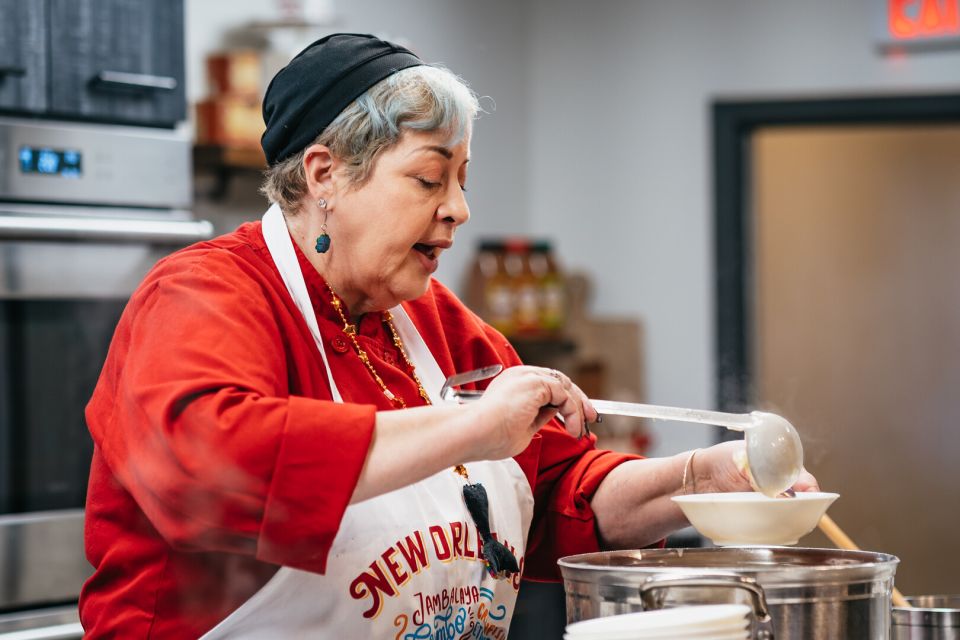
Gumbo without the mess. This Cajun and Creole cooking demo turns the French Quarter into a live history lesson, with chefs like Lynn or Dianne Honoré (Gumbo Marie) walking you through how dishes are built. I love the story-first approach and the big, multi-course lunch you get right after the show. One catch: it is mostly watching, not hands-on cooking, so if you want to do all the chopping yourself, you’ll want to set expectations.
You’ll meet at the New Orleans School of Cooking General Store, then head into a renovated molasses warehouse from the early 1800s. I also like that you don’t just leave full—you leave with recipe copies, a coupon for the general store, and the chance to shop for locally famous seasonings like Joe’s Stuff.
In This Review
- Key things I’d circle before you book
- A French Quarter demo that teaches you how New Orleans tastes
- Where it happens: the early-1800s molasses warehouse vibe
- The biggest expectation check: you watch, then you eat
- What you’ll learn: Cajun and Creole, plus the folklore behind the flavors
- The food: your lunch plan by day and time
- 10:00 AM class
- 2:00 PM class
- Beverage and timing: what to drink, and when you should eat
- The General Store and Joe’s Stuff: your take-home flavor kit
- How much value you’re really getting for $40
- Who should book this (and who should choose differently)
- Should you book the New Orleans Cajun and Creole Cooking Class?
- FAQ
- FAQ
- Is this a hands-on cooking class?
- How long does the experience last?
- What do I eat during the class?
- Where do I check in?
- What beverages are included?
- Do I get recipes to take home?
- Are guests allowed to bring drinks?
Key things I’d circle before you book
- It’s a demonstration, not a full hands-on class: you watch, ask questions, and eat what’s made
- French Quarter setting in an early-1800s molasses warehouse, right in the action
- A real lunch after the demo (3 or 4 courses) with Dixie beer, iced tea, and lemonade
- Recipes to take home, plus a general store coupon for your next spice splurge
- Cajun vs Creole explained with food lore, so you understand the why behind the flavors
A French Quarter demo that teaches you how New Orleans tastes
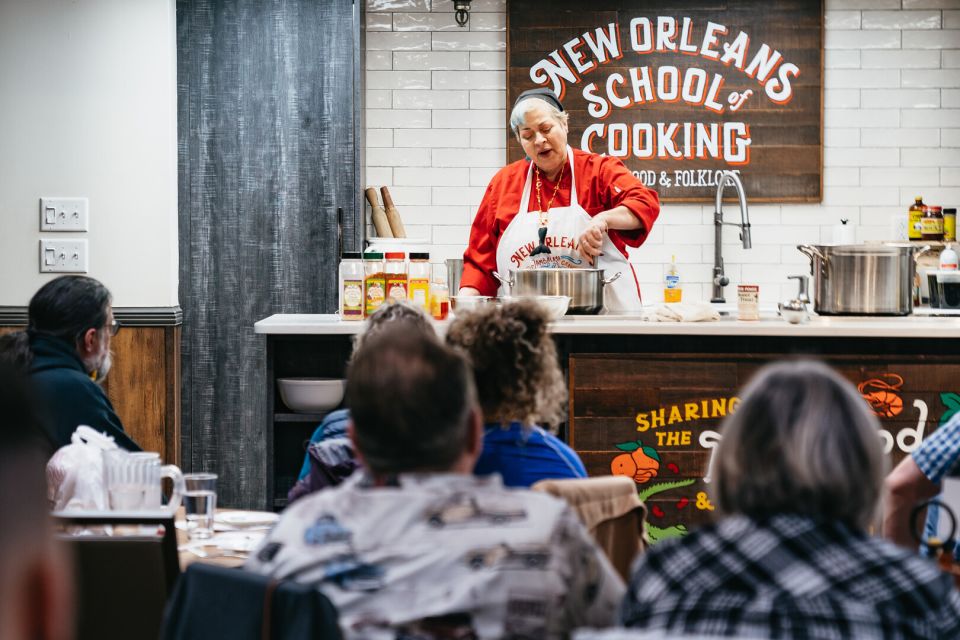
New Orleans cooking is less about strict rules and more about patterns: the right roux, the right simmer, the right balance of heat, salt, and comfort. What makes this experience valuable is that you’re not just eating dishes—you’re learning the logic of them as the chef works.
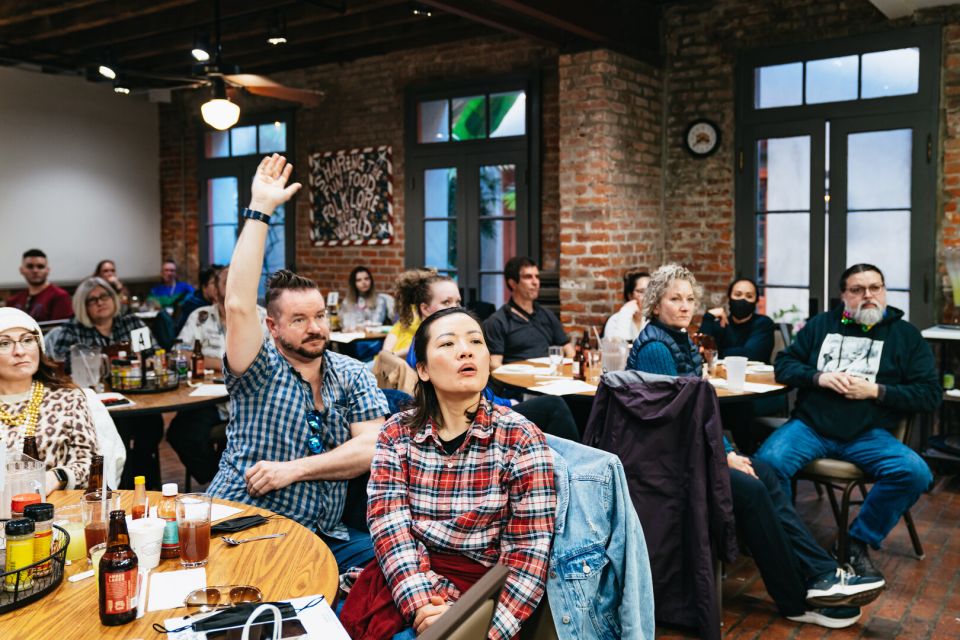
I like that the format is relaxed. You sit down, the chef does the cooking in front of you, and you’re given time to follow along instead of racing against a timer. Several chefs who lead sessions (including Austin, Eric, Michael, Harriet, and others) are known for mixing practical technique with entertaining storytelling, which keeps the whole thing from feeling like a lecture.
And you get a meal out of it. At $40 for a 2-hour (150-minute) experience, the value is strongest if you treat it like a lunch plan plus a mini culinary orientation to the region.
You can also read our reviews of more tours and experiences in New Orleans.


Where it happens: the early-1800s molasses warehouse vibe
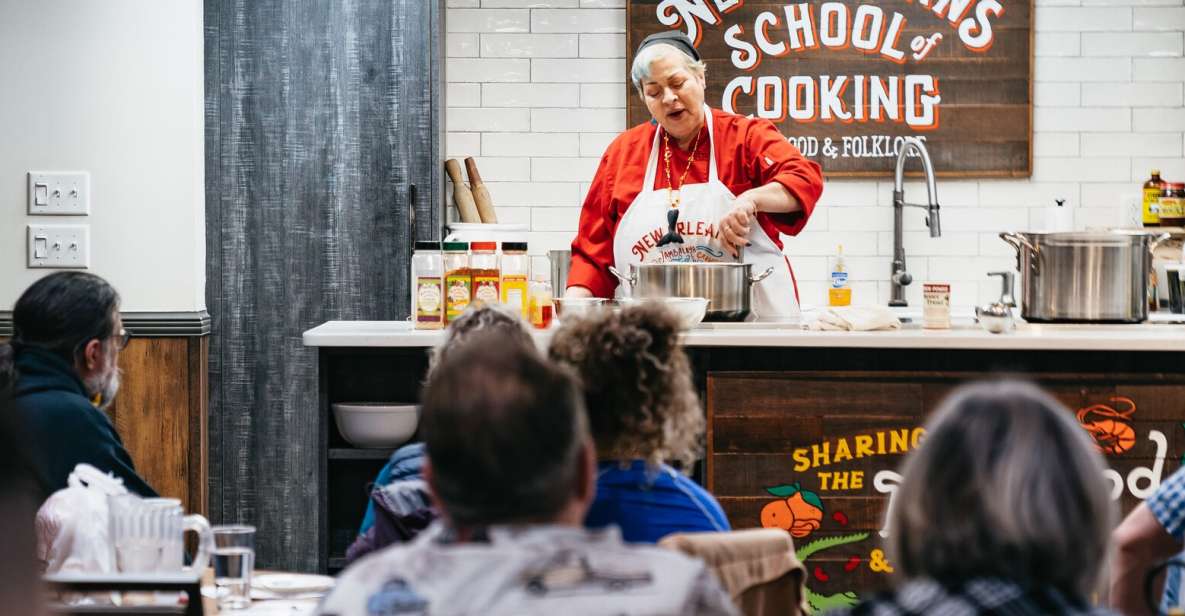
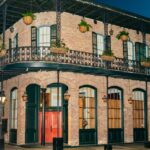
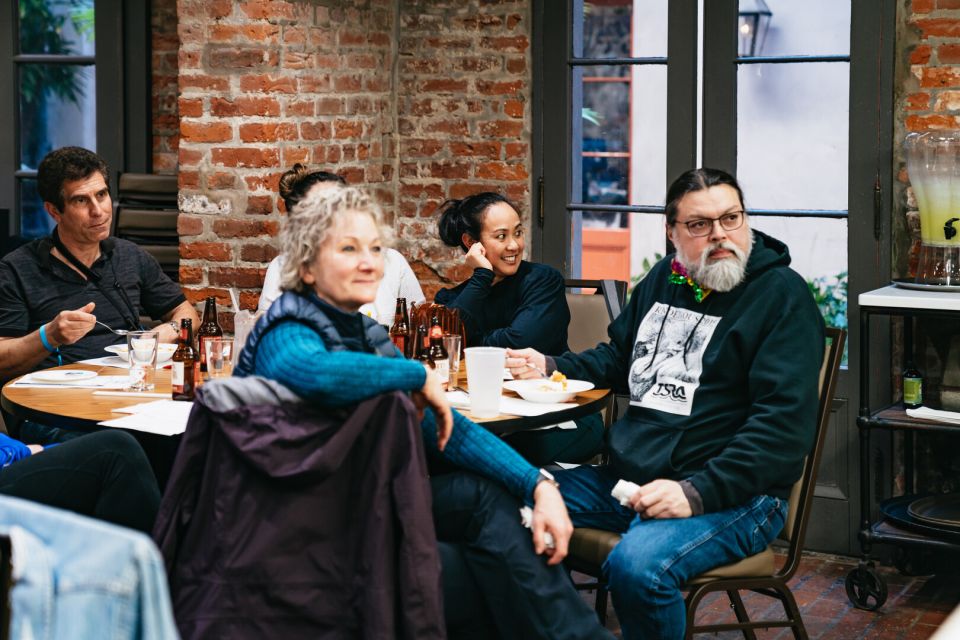
This class happens in a renovated molasses warehouse built in the early 1800s, and that matters more than you’d think. The room has a sense of place. You’re not standing in a generic kitchen set; you’re in a structure that fits the theme of food history and trade—exactly the kind of backdrop that makes Cajun and Creole cooking feel grounded.
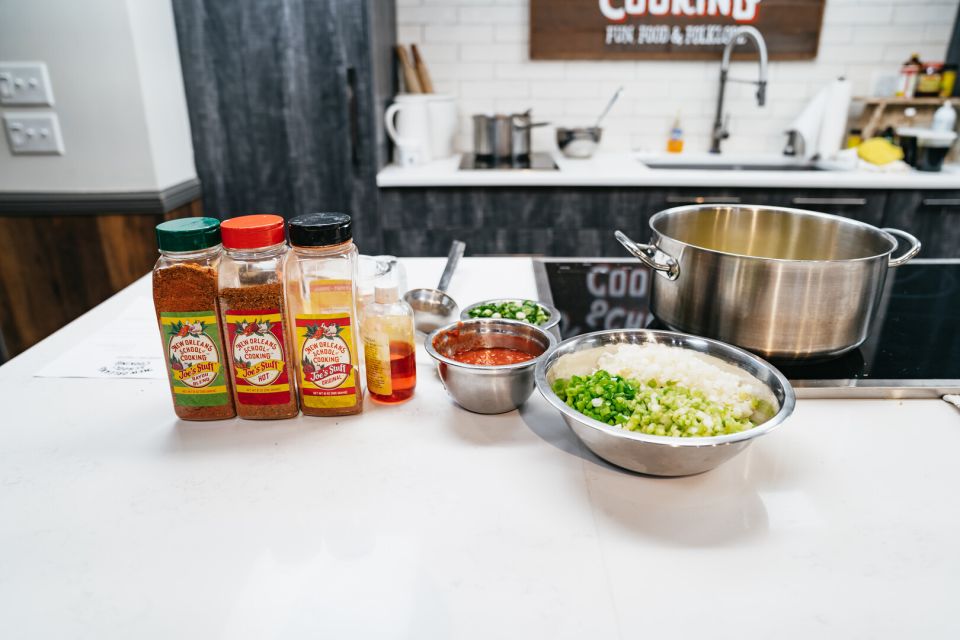
You also start at the New Orleans School of Cooking General Store. That’s more than a check-in point. It’s where you can browse locally sourced products and see what the chefs actually use. Even if you’re only planning to buy one thing, this makes it easier to recreate flavors at home.
The biggest expectation check: you watch, then you eat
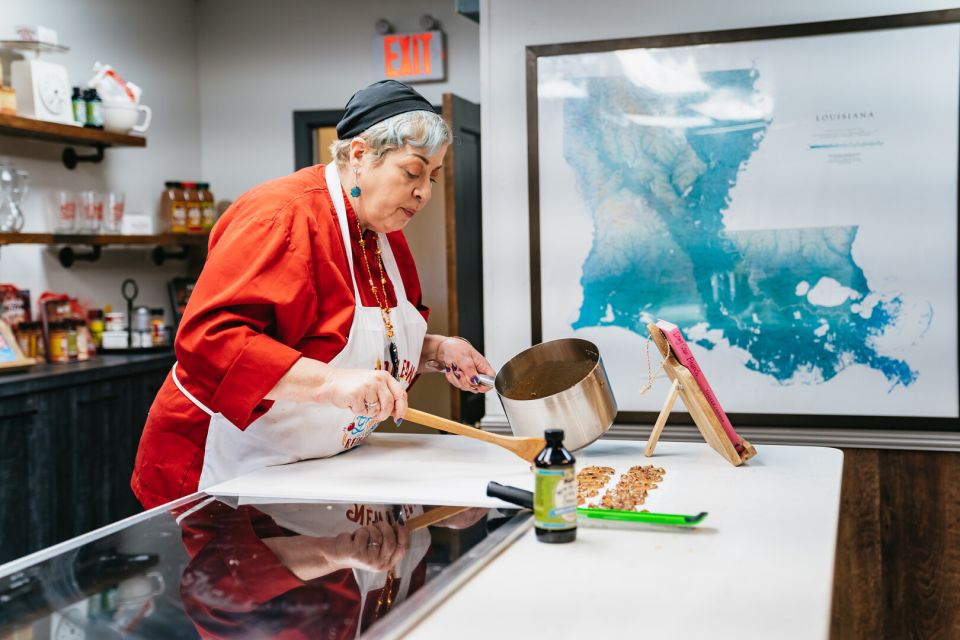
The experience is described as a cooking class, but the lived reality is a cooking demonstration. The highlights say you’ll sit back and watch the chef prepare authentic recipes. In other words, you’re learning by observing technique and hearing the explanations, then eating the results.
That works brilliantly if you:
- want to learn the fundamentals without getting stuck with a hot pan
- prefer tasting and asking questions over getting your hands dirty
- are traveling with kids, teens, or adults who don’t want a full-on workshop
It’s less ideal if you want a hands-on cooking workshop where you take full control of the stove. Since the name includes class, I’d treat this as a “chef-led demo with lunch,” not a personal cooking competition.
What you’ll learn: Cajun and Creole, plus the folklore behind the flavors
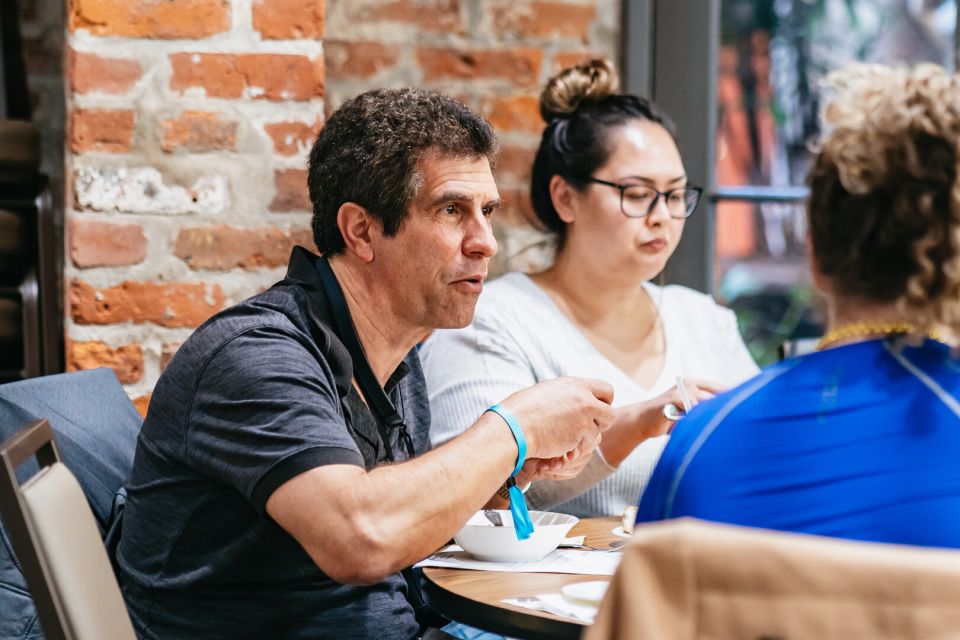
The chef doesn’t just talk ingredients. You’ll hear how Louisiana culture and cuisine are interwoven—plus how Cajun and Creole traditions evolved. The goal is to help you understand why dishes taste the way they do, not just memorize recipes.
Here are the kinds of lessons that naturally come up during these sessions:
- How gumbo and etouffee get their depth (the base and simmer strategy)
- Why jambalaya tastes layered, not flat or one-note
- How pralines fit into a sweet-toothed Louisiana story
- How cooking traditions travel and mix, which helps you understand the Cajun/Creole overlap without turning it into trivia overload
If you like explanations with personality, you’re in the right place. Many instructors bring humor and energy, and they’ll answer questions during the demo. A few people also noted the sound system can make it harder to catch every word from farther back, so if you’re sensitive to that, aim for a seat where you can clearly hear the chef.
The food: your lunch plan by day and time
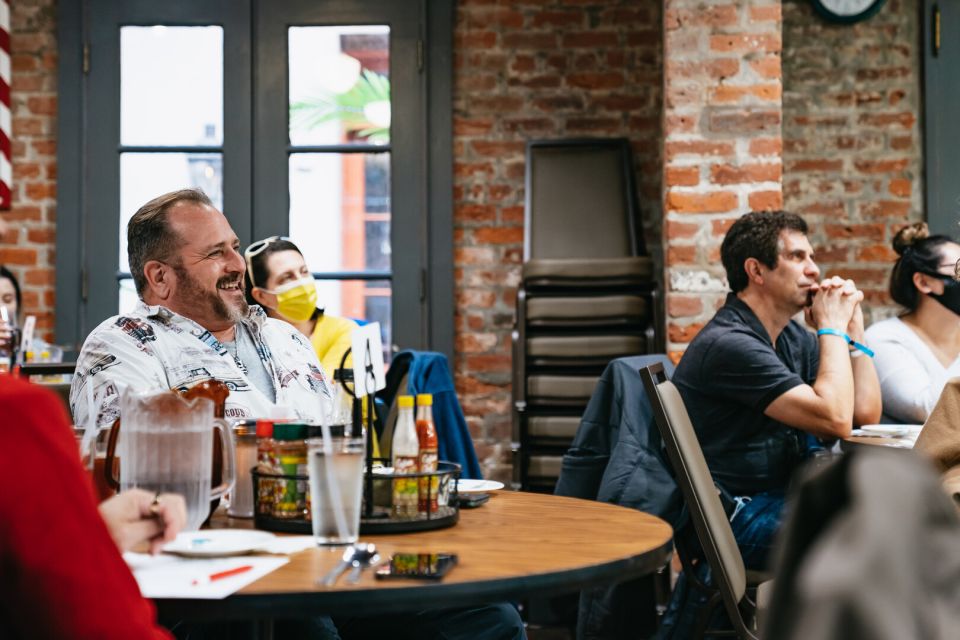
Menus shift by day, but the backbone is consistent: gumbo, jambalaya, etouffee, shrimp or chicken Creole, plus sweets like pralines and bread pudding, often paired with a full plate of iced tea and lemonade.
You typically get a 3- or 4-course meal, which is a big deal. Most people will not want a big dinner afterward.






10:00 AM class
Saturday, Sunday, Wednesday: Gumbo, Jambalaya, Bread Pudding and Pralines
Monday: Gumbo, Red Beans and Rice, Pecan Pie and Pralines
Tuesday: Gumbo, Jambalaya, Bananas Foster and Pralines
Thursday: Corn & Crab Bisque, Shrimp Creole, Bananas Foster & Pralines
Friday: Crawfish Etouffee, Shrimp and Artichoke Soup, Bread Pudding, Pralines
2:00 PM class
Saturday: Crawfish Etouffee, Shrimp and Artichoke Soup and Pralines
Sunday, Tuesday: Corn & Crab Bisque, Chicken Etouffee and Pralines
Monday, Thursday, Friday: Gumbo, Jambalaya and Pralines
Wednesday: Gumbo, Chicken Creole, Pralines
A practical tip: if you have favorites, pick your time based on the main dish you want most. Gumbo appears often, but crawfish etouffee, shrimp Creole, and chicken etouffee give you very different flavor profiles and spice personalities.
Beverage and timing: what to drink, and when you should eat
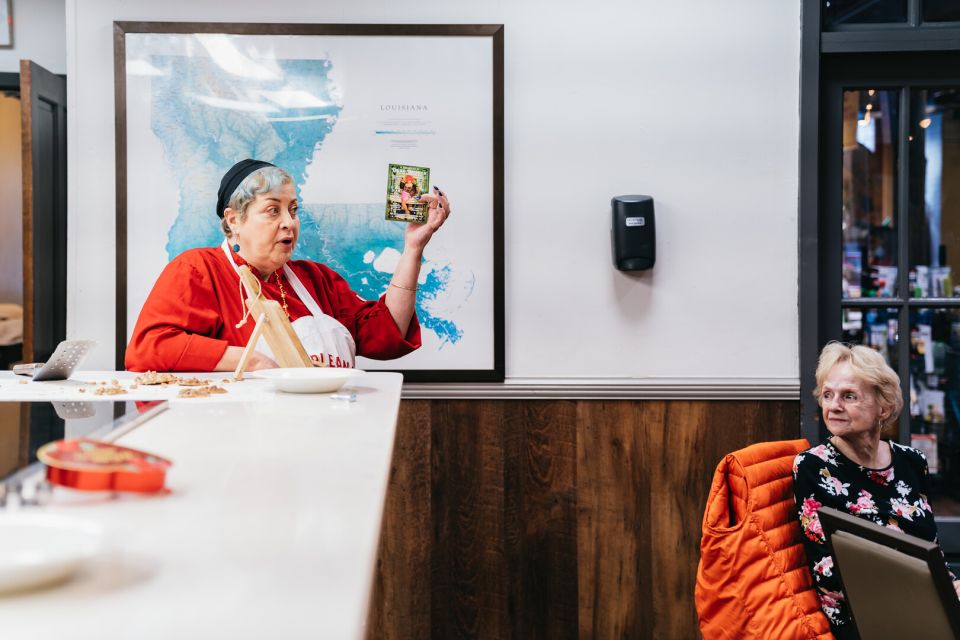
You’ll get included drinks: Dixie beer, iced tea, and lemonade. If you’re booked into the 10:00 AM class, you also get hot coffee.
The timing is designed so you’re comfortably settled for the demo and then fed through the courses. Plan your day around this. If you skip breakfast or keep it light, you’ll enjoy the flavors more and avoid the awkward feeling of being too full to finish pralines.
One more practical note: the listing says drinks aren’t allowed, so don’t plan on bringing your own beverage. Rely on what’s included.
The General Store and Joe’s Stuff: your take-home flavor kit
This is one of the best parts of the experience because it turns lunch into a shopping mission you’ll actually use later. After the class, you receive:
- recipe copies so you can recreate what you ate
- a coupon you can use in the general store
- a chance to buy ingredients and seasoning the local chefs swear by
Joe’s Stuff Creole Seasoning is specifically called out as a famous favorite among local chefs and visitors. Even if you don’t buy everything, getting one dependable seasoning can make your next “at-home gumbo night” feel less like guesswork and more like New Orleans.
You’ll also see other locally sourced items in the shop, which makes it easier to build a small pantry that supports multiple Cajun and Creole dishes.
How much value you’re really getting for $40
At $40 per person, you’re paying for more than entertainment. You’re paying for:
- a chef-led demo with explanation (not just a show, but technique talk)
- a full lunch with multiple courses
- included drinks (beer for those who want it, plus tea and lemonade)
- recipe copies you can actually cook from
- a store coupon to help you restock
This is one of those prices that feels fair if you compare it to what you’d spend on a comparable lunch in a tourist-heavy spot plus the cost of buying seasoning later. The best value comes when you treat it like your culinary orientation day—especially if it’s your first time in New Orleans.
Who should book this (and who should choose differently)
This experience is a strong fit if you:
- want an easy, low-stress way to learn Cajun and Creole basics
- love hearing the food stories behind gumbo, jambalaya, etouffee, and sweets
- want to leave with recipes and practical ingredients, not just memories
- are traveling with mixed ages and don’t want a hands-on kitchen
You might prefer a hands-on class elsewhere if you:
- get restless watching instead of doing
- want to control every step yourself
- dislike demos where you only learn by observing
The demo format is also perfect if you’d rather put your energy into exploring the city after you eat.
Should you book the New Orleans Cajun and Creole Cooking Class?
If you want a solid taste of New Orleans that mixes food, culture, and practical take-home tools, I’d book it. The combo of an early-1800s warehouse setting, a chef who explains while cooking, and a truly filling lunch makes this one of the better “value-per-hour” food experiences in the French Quarter.
Book it especially if you’re the kind of traveler who likes to understand what you’re eating. You’ll leave with recipes, and you’ll know what to focus on the next time you cook gumbo or jambalaya at home.
FAQ
FAQ
Is this a hands-on cooking class?
It’s mostly a cooking demonstration. You sit and watch the chef prepare the dishes, and you eat the finished meal. You may ask questions, but the experience is not framed as full hands-on cooking for everyone.
How long does the experience last?
Plan for about 2 hours to 150 minutes.
What do I eat during the class?
You’ll enjoy a Cajun and Creole meal that’s listed as 3 or 4 courses. The exact menu varies by day and whether you book the 10:00 AM or 2:00 PM class.
Where do I check in?
Enter the New Orleans School of Cooking General Store and check in at the register.
What beverages are included?
Included drinks are Dixie beer, iced tea, and lemonade (and hot coffee for the 10:00 AM class).
Do I get recipes to take home?
Yes. You receive copies of the recipes at the end.
Are guests allowed to bring drinks?
No. Drinks are listed as not allowed, so you’ll want to rely on what’s provided.