
REVIEW · NEW YORK CITY
NYC: Best of the Metropolitan Museum Guided Tour
Book on GetYourGuide →Operated by Walks - US · Bookable on GetYourGuide
The Met is huge; this tour makes sense fast. I love the skip-the-line ticket setup and how guides like Charlie (and others such as Kevin and Katie) push you toward the best stuff without the wandering. You also get a tight route that starts in Ancient Egypt and keeps rolling through major hits.
One thing to plan around: it’s only 2 hours in a museum that could swallow a whole weekend. Also, some galleries can close on the day, so your guide may swap a stop or two.
Key moments to look for
- Skip-the-line museum entry with a pre-arranged ticket (donation included) through a separate entrance
- Ancient Egypt start: tombs, burial rites, mummy area, plus small dioramas tied to Tutankhamun
- Temple of Dendur stories with Central Park lore, including the Jackie O connection
- Big debate energy: Henry VIII armor and the Antioch Chalice, where people argue it could be the Holy Grail
- Global and genre-hopping stops: Greek statues, Roman frescoes, and Papua New Guinea Bisj poles
- Monet up top: Water Lilies on the 2nd floor, then Van Gogh and Rodin
In This Review
- A Smart Way to Do the Met in Just 2 Hours
- Meeting at 1000 5th Ave: Where to Find Your Green-Sign Guide
- Stop 1 in Ancient Egypt: Tombs, Mummies, and the Burial-Rites Story
- Temple of Dendur in the Met: The Central Park Angle
- Henry VIII Armor and the Antioch Chalice Holy-Grail Debate
- Greek Statues, Roman Frescoes, and the Shift to Papua New Guinea Art
- Monet on the 2nd Floor: Water Lilies, Van Gogh, and Rodin
- Why the Highlights Route Works (and When It Won’t)
- Making It Practical: Shoes, Pace, and Where to Spend Extra Time
- Price and Value: What $65 Buys You at the Met
- Who Should Book This Met Highlights Tour
- Should You Book This Met Guided Tour?
- FAQ
- FAQ
- How long is the NYC Met guided tour?
- Where do I meet the guide?
- Does this tour include Met admission tickets?
- How do they help you avoid waiting in line?
- Is the tour wheelchair accessible?
- Are food and drinks included?
- Is the tour in English?
A Smart Way to Do the Met in Just 2 Hours
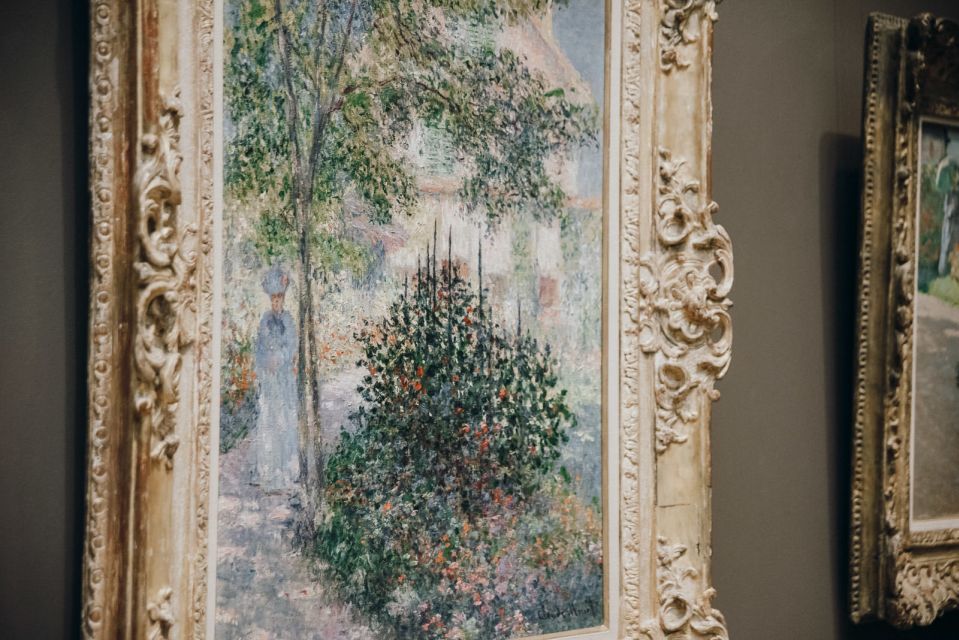
If you’ve ever stepped into the Metropolitan Museum of Art and felt your brain start to melt, this is the antidote. The Met’s collections are world-class, but the building is also enormous, and self-guided visits can turn into a lot of backtracking. With this guided highlights format, you’re not trying to see everything. You’re seeing the museum’s greatest hits, in a logical order that actually works on foot.
For $65, you’re paying for three big value drivers: a guide, a planned route, and a pre-reserved ticket that includes a donation. Since entry lines can eat up time, skipping the line through a separate entrance is a real quality-of-life upgrade—especially if you’re on a tight NYC schedule. The tour is live and in English, and it runs for 2 hours, which is long enough to feel oriented, but short enough that you’ll still have curiosity left for a return visit.
The other reason I like this format: it’s designed for attention. In a museum, your biggest enemy isn’t boredom. It’s decision fatigue. A guide reduces that instantly. You stop guessing where to go next, and you start looking closely—at burial rites, materials, design choices, and the kinds of stories that make ancient objects feel human.
Meeting at 1000 5th Ave: Where to Find Your Green-Sign Guide
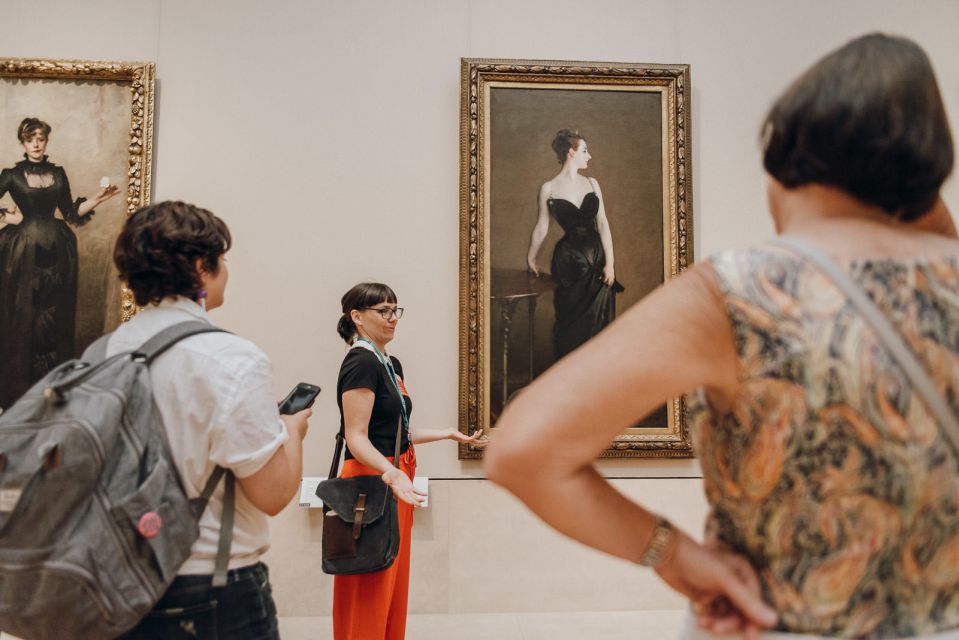
This tour meets right at the Met: 1000 5th Ave. Plan to arrive about 15 minutes early. Your guide will be holding a green Walks sign, and you’ll meet in the main lobby.
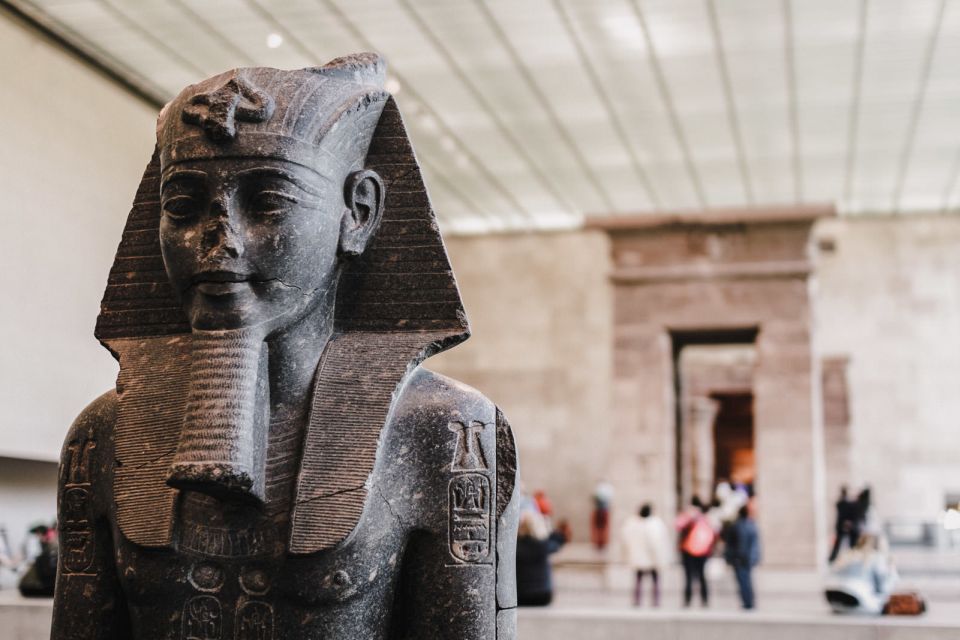
The meeting spot matters because the Met lobby is busy and easy to misread if you’re rushing. You’ll be in the main lobby to the right of the information desk, in front of the large seated Pharaoh statue. That’s a clear landmark, and it helps if your group includes kids or people who need a calm pace.
If you need wheelchair access into the museum, the info is practical and specific. You’ll enter to the left of the main entrance (while facing it) using a ground-level entrance. Then you should let staff know you’re meeting a tour group in the main lobby. That’s the kind of detail that prevents awkward detours right when you arrive.
You can also read our reviews of more tours and experiences in New York City.



Stop 1 in Ancient Egypt: Tombs, Mummies, and the Burial-Rites Story
The itinerary starts in Ancient Egypt for a reason: it’s dramatic, visual, and it gives you a strong museum anchor right away. Before you even drift toward the more familiar Western art, you’re learning how people made meaning through objects—especially in the context of death and the afterlife.
In this first stretch, you’ll view well-preserved tombs and hear about the burial rites tied to Egyptian beliefs. You’ll also see small dioramas that show what life was like in the times of Tutankhamun. Those mini “stage sets” are important because they help you avoid a common Egypt problem: seeing artifacts as frozen things instead of clues to daily life, belief, and ritual.
You’ll also spend time in the Egyptian mummies area, where the scale and care of the displays make the subject feel less like a textbook and more like a museum experience. If you’re the type who likes to ask why something was built the way it was, this is where your guide’s storytelling pays off.
And yes, there’s a quirky extra: you’ll see the Met’s mascot William. I appreciate moments like that because they break up the intensity. One minute you’re thinking about ritual and remembrance; the next, you’re reminded this is a living museum in the middle of real life.
Temple of Dendur in the Met: The Central Park Angle

After Egypt’s tomb and mummy focus, you move to the Temple of Dendur. This stop is fun in a very specific way: it connects an Ancient Egyptian structure to modern New York geography.
You’ll hear the story of how a temple of Ancient Egypt sits inside the museum, and you’ll also get the gossip—about the Temple of Dendur and why it ended up at the Met. The standout detail here is that Jackie O is part of the backstory: she’s connected to how the temple was procured for the museum. That single thread makes the exhibit more than “old stones in a room.” It becomes a chapter in how New York has curated itself through art and architecture.
One practical note: the temple space tends to be a “pause moment.” People look longer there, and it’s easy to get stuck if you’re alone. With a guide, you’re not rushing. You’re just not getting lost either. You see what matters and you learn enough context to keep it in your head when you walk away.
Henry VIII Armor and the Antioch Chalice Holy-Grail Debate
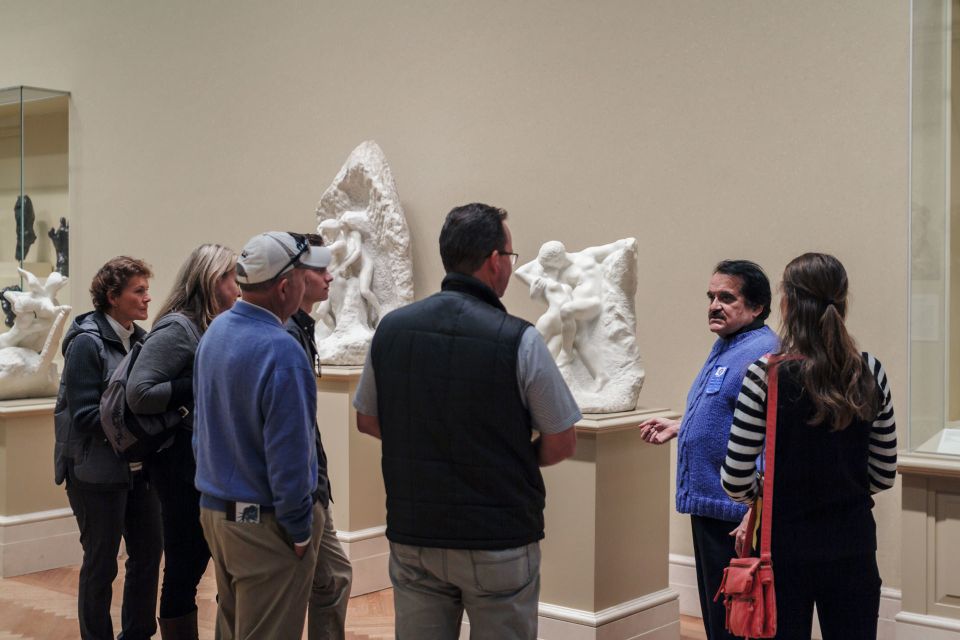
Then the tour pivots into objects that feel like legends. It’s a smart shift, because ancient and classical art can sometimes blur together if you’ve had no connective story. Here, the stories are built-in.
You’ll hear tales about the armor of Britain’s notorious King Henry VIII. It’s one of those moments where history turns into personality. The armor is not just metal and form. It’s power made visible, and your guide can help you read it that way.
Next comes the Antioch Chalice, and the big reason people get excited: there’s controversy, and some people think it may be the Holy Grail. That doesn’t mean you’re being asked to believe a single fairy tale. Instead, you learn how museum objects sit at the intersection of archaeology, interpretation, and cultural obsession. It’s a rare kind of exhibit where the story keeps breathing long after you leave the room.
Greek Statues, Roman Frescoes, and the Shift to Papua New Guinea Art
At this point, you’ll move through the museum like a sampler platter—Greek statues, Roman frescoes, and then into something completely different: Papua New Guinea exhibits.
From a visitor perspective, that change of region is more than variety. It’s pacing. It keeps you from seeing the Met as one long hallway of “important things.” You’ll keep adjusting your eyes: one room trains you on proportion and pose; another makes you focus on surface, narrative, and the way art communicates in a different visual language.
The Papua New Guinea stop includes carved Bisj poles collected by a Rockefeller. And here the story gets heavy: it notes that his collecting came at the cost of his life. I’m glad this is mentioned on the tour, because it pushes you to see collections as human stories—not only as beautiful objects. It’s a reminder that museums are built through decisions, risks, and history.






Monet on the 2nd Floor: Water Lilies, Van Gogh, and Rodin
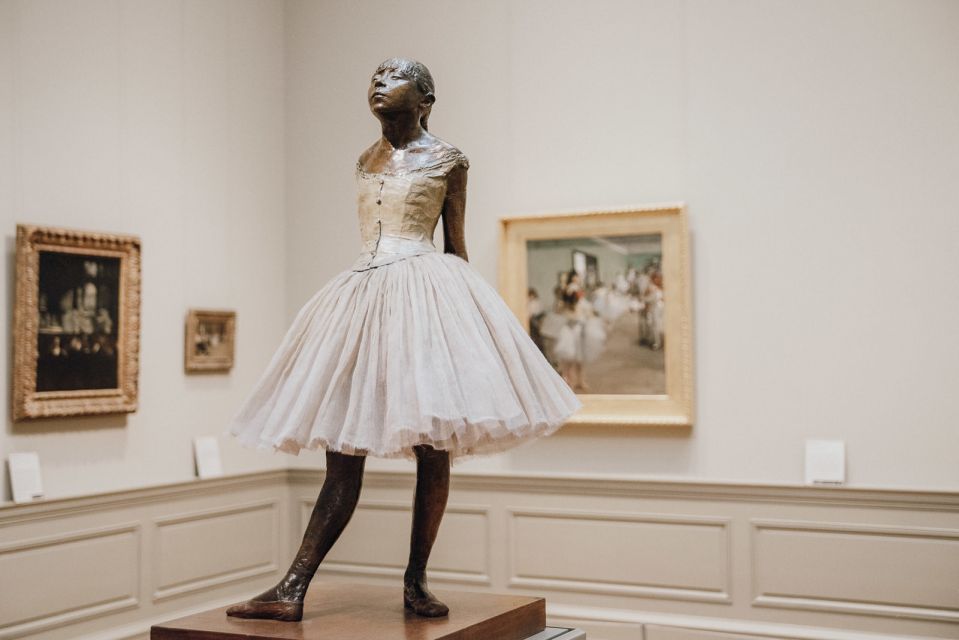
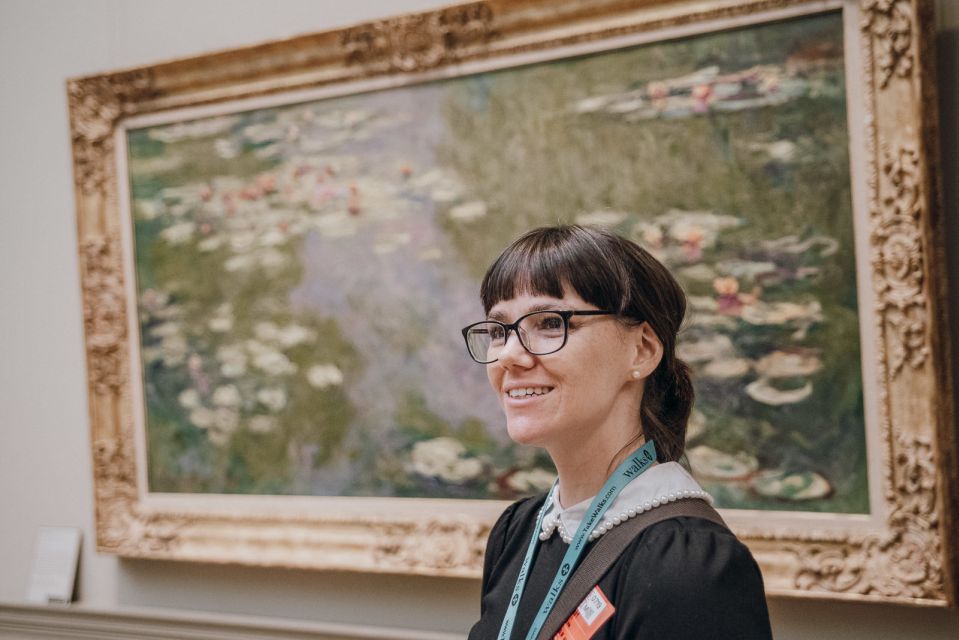
After a tour that starts in ancient worlds, it’s satisfying when the route lands in something so immediately emotional. You head to the 2nd floor for Claude Monet’s dreamlike Water Lillies. This is one of those exhibits where the “how” matters as much as the “what.” Even if you know Monet only from familiar reproductions, seeing the works in person tends to reset your sense of scale and brushwork.
From there, the tour builds momentum into Vincent van Gogh’s expressive works. The contrast with Monet is great for the brain: Monet slows you down. Van Gogh makes you feel the artist’s urgency.
Then you’ll finish with a bronze of Rodin’s Thinker. It’s a familiar figure, but it still hits. Rodin turns contemplation into form, and after all those earlier objects tied to ritual and legend, it’s a fitting closer: a moment of human reflection, made solid.
Why the Highlights Route Works (and When It Won’t)
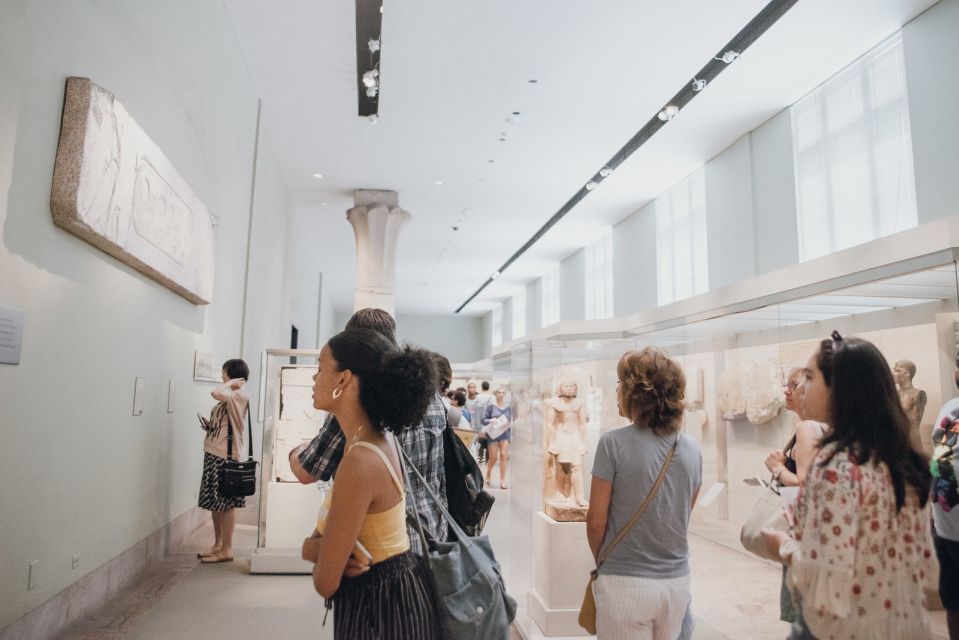
This tour is basically a guided answer to a real problem: the Met can be overwhelming. In 2 hours, you won’t see the entire collection. But you will leave with three helpful outcomes.
First, you’ll know where your personal interests might pull you back. If you love Ancient Egypt, you’ll have clear starting points. If you’re more drawn to European painting, the Monet and Van Gogh segment gives you direction. If you’re a sculpture person, Rodin is a built-in nudge.
Second, you’ll understand the museum as a story engine. You get context that turns objects into ideas—burial rites, temple relocation, dynastic power, religious debates, collecting history, and how styles change across time and cultures. That’s why a good guide matters so much. The best ones don’t just recite dates. They help you see what you’re looking at.
Third, you’ll be less stressed during the rest of your visit. The guide keeps the group moving at a moderate walking pace and manages the flow so you aren’t wasting time choosing between rooms.
The trade-off is obvious: you can’t take a deep seat-and-stare approach for every department. If your goal is to study, sketch, or read every label, you’ll likely want a longer visit or another plan after the tour.
Making It Practical: Shoes, Pace, and Where to Spend Extra Time
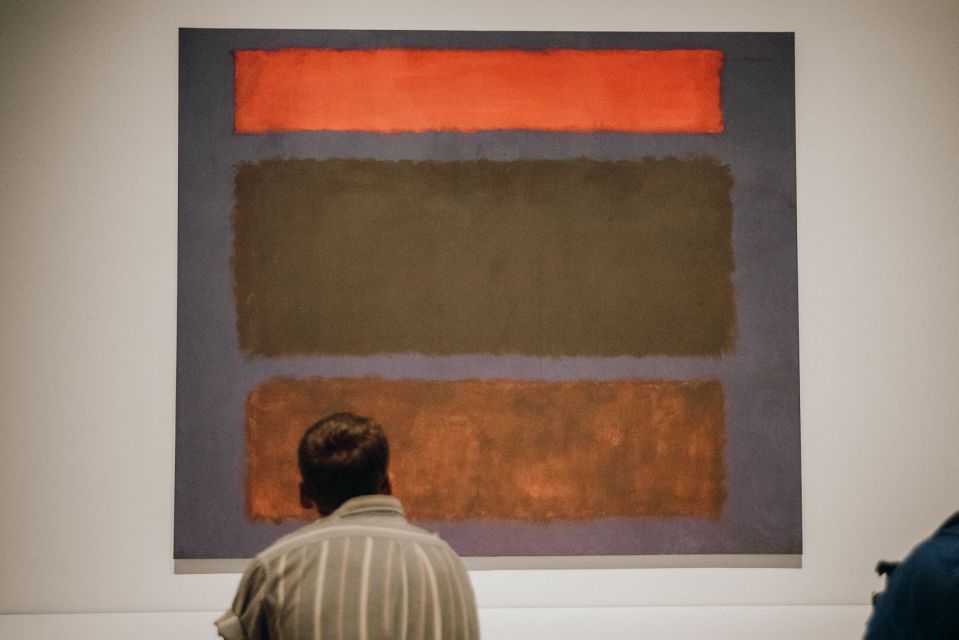
A guided highlights tour is most enjoyable when you dress for comfort. You’re doing a walking route through multiple wings. Wear shoes you can stand in. Bring a layer if your comfort level depends on changing temperatures between galleries and open spaces.
Because the tour ends back at the meeting point, you’re set up to either re-enter the museum on your own or head out for food. One thing I love about the way some guides run this experience is the practical help people get after the route. For example, Charlie has been praised for making sure the group could figure out where to have lunch. Katie has also helped someone find a specific section afterward, like the Japanese collection. That kind of “what next” support can turn a short tour into a longer, smarter day.
Also remember this: galleries and artwork visited can be subject to closure and absences without prior notice. That’s not ideal, but it’s normal for a museum. The good part is your guide can modify the route on the day, so you still get a meaningful highlights mix.
Price and Value: What $65 Buys You at the Met
Let’s talk about the $65 price with clear eyes.
You’re not just paying for entry. You’re paying for:
- a pre-arranged ticket with a donation included
- a live English guide
- a plan that reduces wasted time in a huge museum
- skip-the-line entry through a separate entrance
If you arrive with no strategy, the Met can easily consume your day in logistics—where to start, how long things take, and how not to lose your group or your bearings. This tour solves a lot of that upfront confusion, and that’s what you’re really buying.
For first-time Met visitors, or anyone with limited time in NYC, $65 for a guided highlights session is a sensible value. If you already know exactly what you want to see and you’re comfortable building your own route, you might find it less necessary. But if you want a well-structured introduction that gets you to the best-known exhibits without the trial-and-error, it’s a strong deal.
Who Should Book This Met Highlights Tour
This tour fits best if:
- you want a fast, guided introduction to the Met
- you feel intimidated by the museum’s size
- you’d rather spend your energy looking at art than figuring out where to go next
- you like story-driven explanations around objects
It can also work well for families, since guides like Ryan and Jett have been highlighted for making the experience enjoyable for kids while still keeping everyone engaged.
If you’re a serious researcher or you plan to focus on only one department (like only prints or only drawings), you may want a longer guided option or a self-guided day with a targeted map. Two hours is not built for deep study.
Should You Book This Met Guided Tour?
Yes, if you want a confident, time-smart Met day. This is a great way to get grounded in Ancient Egypt and then ride through major stops—Temple of Dendur, the Antioch Chalice, Greek and Roman favorites, Papua New Guinea art with the Rockefeller collecting story, and then Monet, Van Gogh, and Rodin.
Book it especially if your NYC schedule is tight or you’re going to the Met for the first time. If you have more time and your goal is slow art study, add this tour as your opening act and then plan a longer, more personal return.
FAQ
FAQ
How long is the NYC Met guided tour?
The tour duration is 2 hours. Starting times vary, so you’ll want to check availability for the specific day you’re visiting.
Where do I meet the guide?
You meet at 1000 5th Ave at the Met. Go to the main lobby to the right of the information desk, in front of the large seated Pharaoh. Arrive 15 minutes early, and look for your guide holding a green Walks sign.
Does this tour include Met admission tickets?
Yes. The tour includes a pre-arranged ticket for the Metropolitan Museum, and it includes a donation.
How do they help you avoid waiting in line?
You get skip-the-line entry through a separate entrance, thanks to the pre-reserved ticket.
Is the tour wheelchair accessible?
Yes, it’s wheelchair accessible. Wheelchair guests need to enter the museum to the left of the main entrance (while facing it) using a ground-level entrance, and they should inform staff they are meeting a tour group in the main lobby.
Are food and drinks included?
No. Food and drinks are not included in the tour price.
Is the tour in English?
Yes. The live tour guide provides the tour in English.