REVIEW · NEW YORK CITY
NYC: The Secrets of Grand Central Terminal
Book on GetYourGuide →Operated by Untapped New York · Bookable on GetYourGuide
Grand Central’s walls hold plot twists. On this 90-minute tour, I love how you get headsets and a local guide who turns the terminal into a story you can actually follow. You also get to see the whispering gallery and other off-the-radar corners that most people never notice while rushing to a platform.
The main tradeoff is simple: you’ll be walking a lot inside (and a bit around Midtown for photo stops), so comfortable shoes matter, especially if you’re not used to tight indoor corridors and crowded concourses.
In This Review
- Key points before you go
- How this tour changes Grand Central from transit to wow
- Starting at Track 29: the easiest way to get your bearings
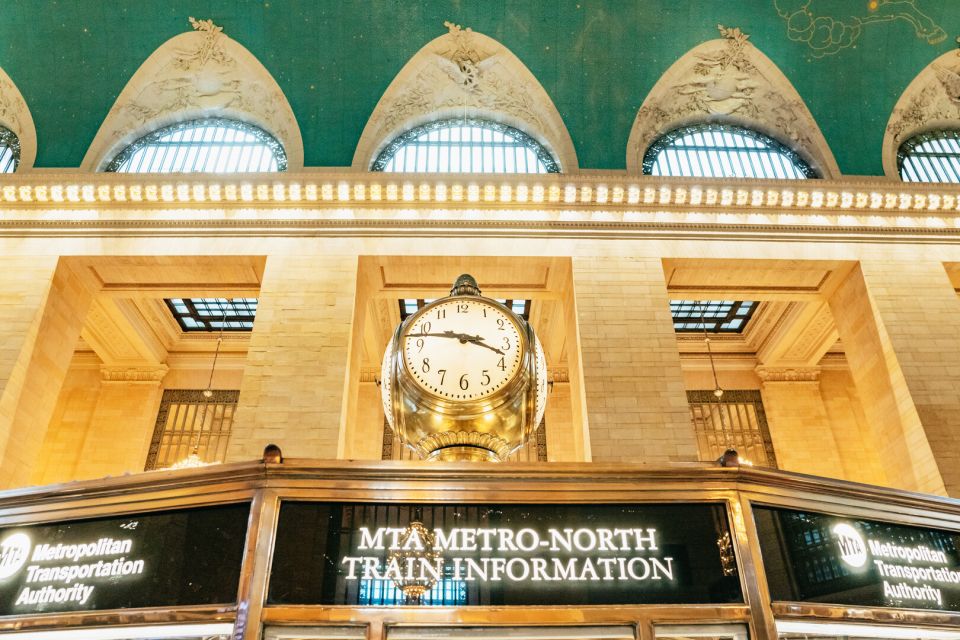
- The Tiffany clock and the atrium design “problem” you can’t unsee
- Tennis courts and the whispering gallery: sound and space as design tools
- Glass walkways: your chance to see the terminal at a higher level
- Where the lost movie theater still leaves clues
- The Campbell and the dining concourse: design details you’ll start spotting
- The tucked-away speakeasy bar in a tycoon’s private office
- Quick skyline bonuses: Chrysler Building and One Vanderbilt
- What I think about the guide style (and why it matters here)
- Price and timing: is $39 worth it for 90 minutes?
- Who should book this tour
- Should you book it or skip it?
- FAQ
- FAQ
- Where do I meet the guide?
- How long is the tour?
- How much does it cost?
- Is the tour inside or outside?
- Will the guide speak English?
- Do I need to bring anything?
- Are headsets included?
- Is the tour wheelchair accessible?
- What’s the policy on tripods?
- What’s the weather plan?
Key points before you go
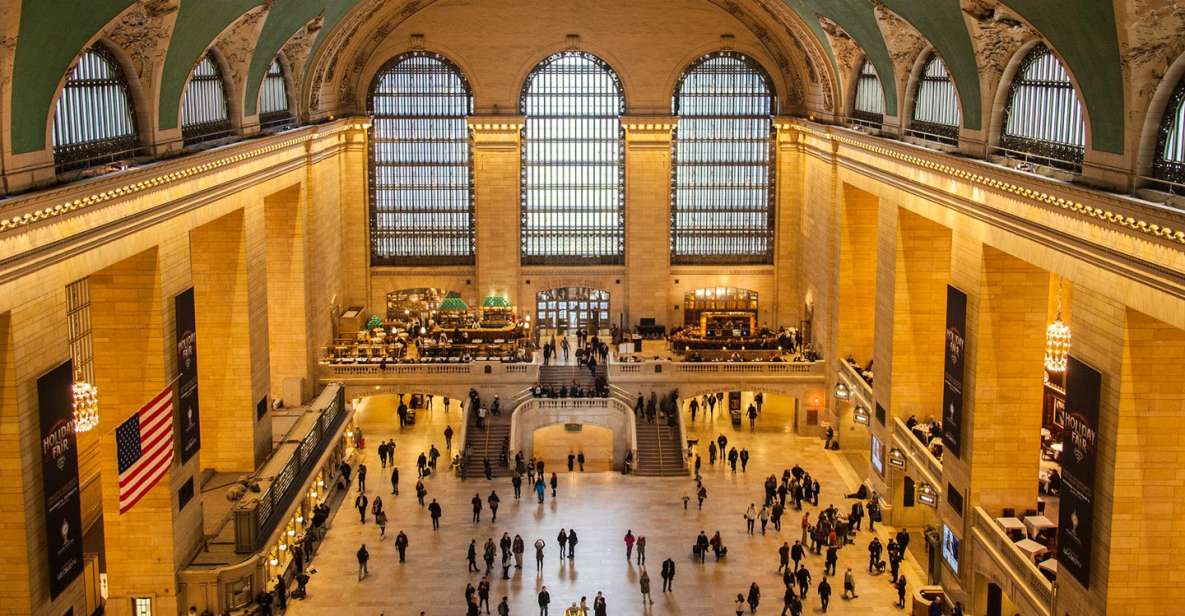
- Track 29 meet-up inside the main atrium, then an easy flow through the public spaces and lesser-seen areas
- Whispering gallery and the surprising tennis-court connection that makes Grand Central feel like a secret clubhouse
- World’s largest Tiffany clock framed as a real “look closer” moment, not just a landmark photo
- Peek into the glass walkways and other behind-the-scenes design choices you can’t fully see from the floor
- A tucked-away speakeasy bar tied to an old tycoon office, adding modern charm to old-world business
- Pass-by photo moments for Chrysler Building and One Vanderbilt, so you leave with more than one skyline memory
How this tour changes Grand Central from transit to wow
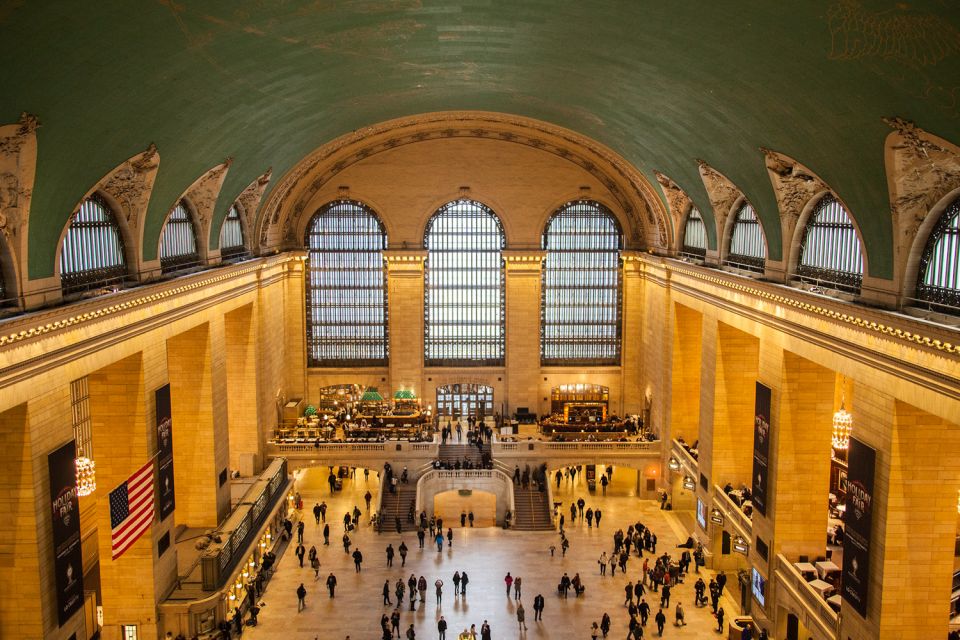
If Grand Central is your daily commute shortcut, this tour is your chance to slow down and see what’s under the shiny floor. I like that it’s not just “look at the big clock,” but “here’s why the space was built this way, and what changed over time.”
It’s also a great value at $39 for 90 minutes because you’re not paying for a bus ride or a museum ticket. You’re paying for access to perspective: places you’d skip, plus explanations that connect the terminal’s rail-era ambition to its later reinventions.
You can also read our reviews of more tours and experiences in New York City.



Starting at Track 29: the easiest way to get your bearings
You’ll meet your guide in front of track 29 inside the main atrium. That’s helpful because Grand Central can feel like a maze if you arrive without a plan, and this tour starts right where you can orient quickly.
Once you’re in motion, you’ll move through the station in a way that makes sense for both photos and learning. Expect a pace that keeps you from lingering too long in crowd pockets, while still giving you time to stop, look, and ask questions.
The Tiffany clock and the atrium design “problem” you can’t unsee
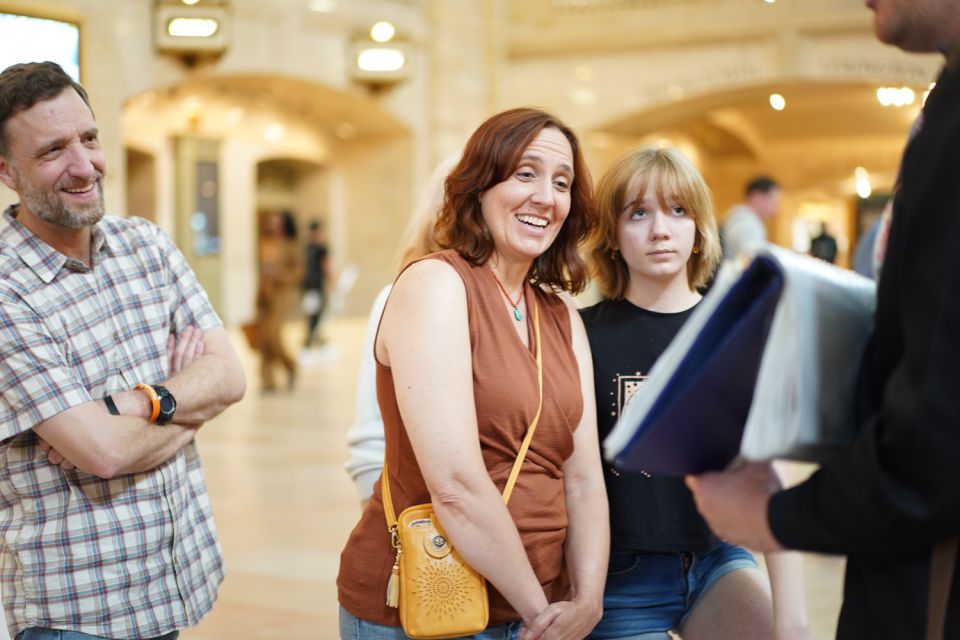
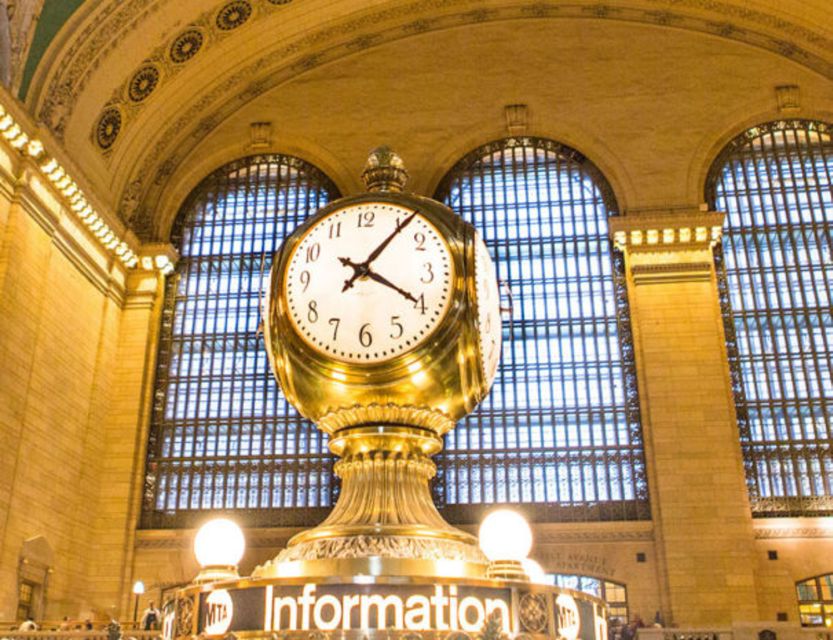
One of the tour’s biggest draw cards is the world’s largest Tiffany clock. The point isn’t just that it’s famous, but that it’s treated like a working piece of public art—something you notice more once the guide frames it in context.
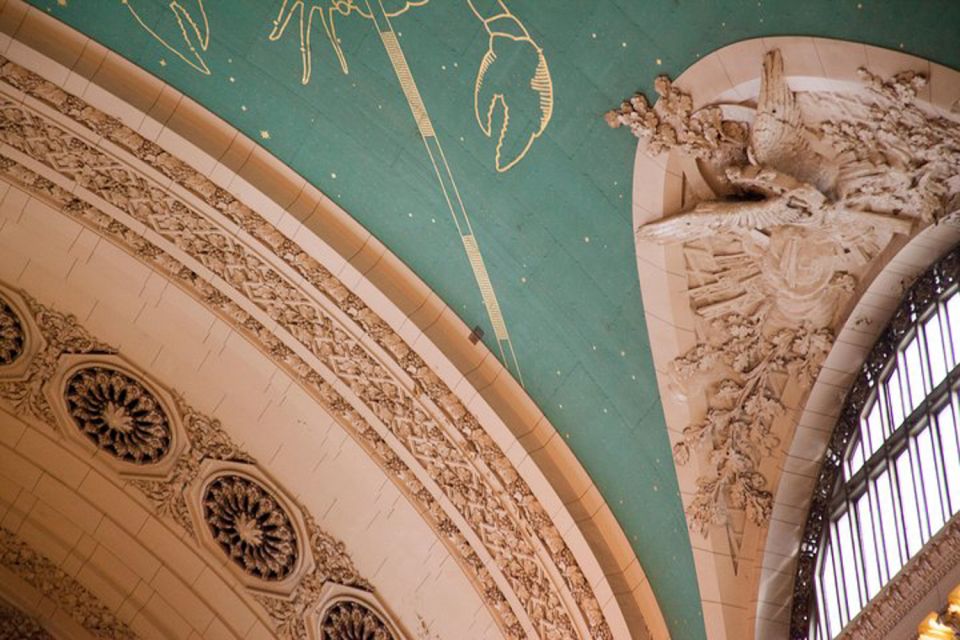
You’ll also hear about a major design flaw in the main atrium, a detail that’s easy to miss when you’re just passing through. The way the guide explains it is what makes it click: it’s not trivia for trivia’s sake, it’s about how people move, see, and hear in this space.
Tennis courts and the whispering gallery: sound and space as design tools
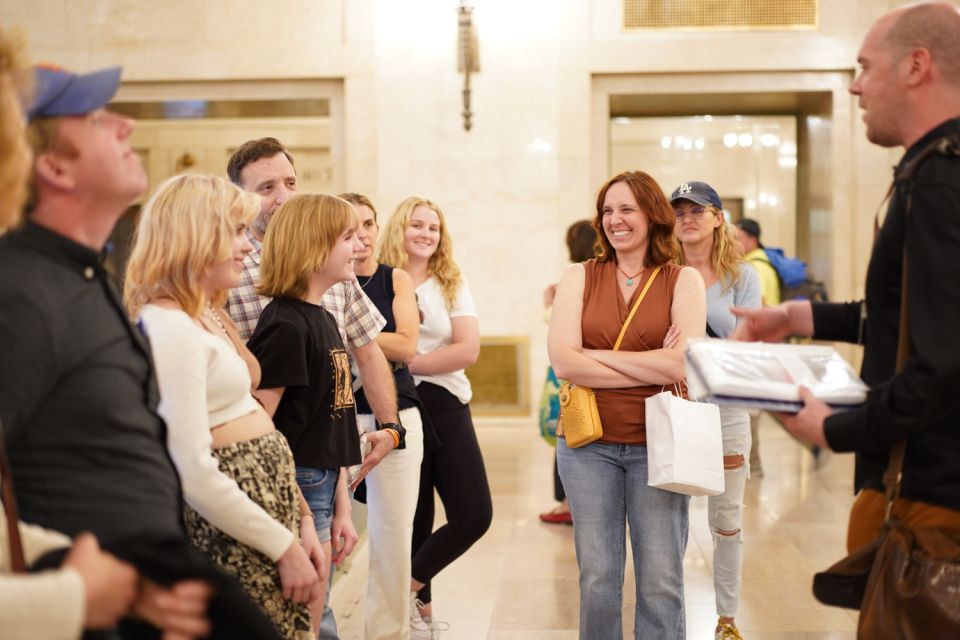
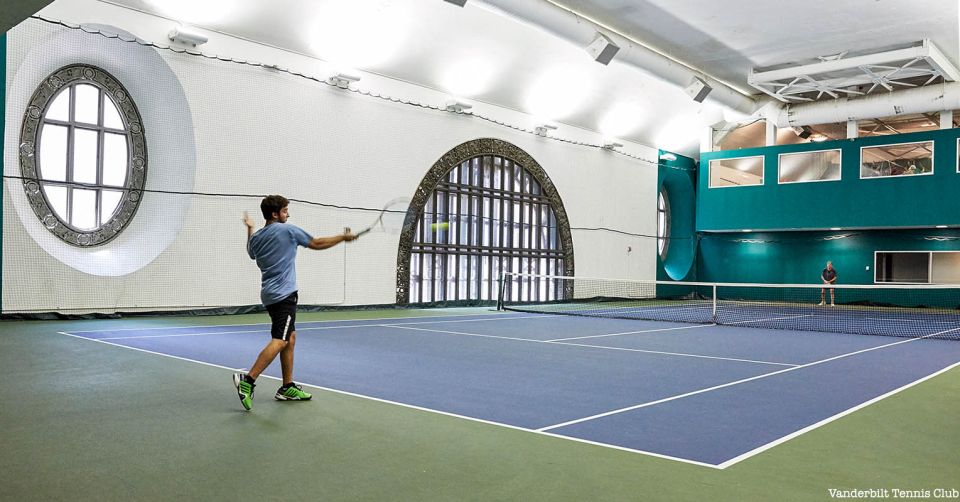
Grand Central has a reputation for grand architecture, but what I really enjoy about this tour is how it leans into the weird and practical. The highlight is seeing the hidden tennis courts, which is the kind of surprise that makes you rethink the terminal’s everyday life back when it was designed to serve a very different world.
Then there’s the whispering gallery, where the building turns a casual sound into an intentional effect. If you’ve ever wondered why some spaces seem to carry voices, this stop gives you a hands-on feeling for how architecture can control acoustics.
Glass walkways: your chance to see the terminal at a higher level
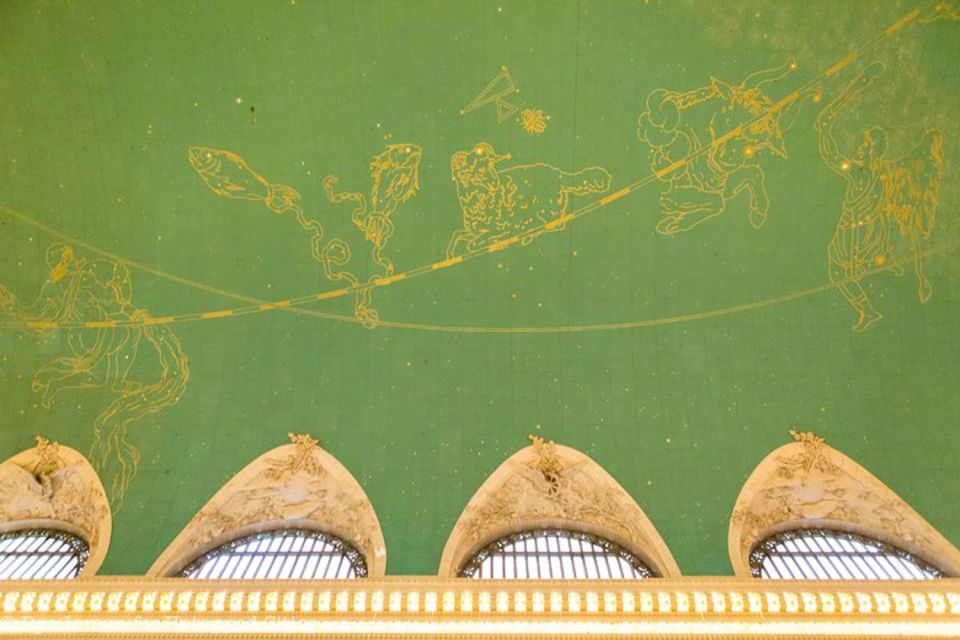
Another memorable moment is getting to peek into the entrance of the glass walkways. From the main floor, those areas feel like part of the scenery. Up close, you start seeing how the designers used sightlines, separation, and circulation to manage crowds.
The tour keeps the focus on what you can actually observe rather than promising access to everything. You’ll come away with a better sense of how Grand Central was engineered to handle huge passenger flows without making the place feel purely functional.





Where the lost movie theater still leaves clues
Grand Central wasn’t only about trains. During certain eras, it also hosted leisure, and the tour points out what’s left of a lost movie theater.
This is one of those stops that gives you “history with edges.” Instead of a clean museum-style artifact, you’re looking at remnants and layout choices that hint at entertainment life once being part of the station’s identity.
The Campbell and the dining concourse: design details you’ll start spotting
You’ll stop at The Campbell and spend time around the Dining Concourse area. Even if you’ve walked through these spaces, you might not have paused long enough to notice the ornament and the way the room is shaped for people to gather.
This part of the tour is great for helping you read the building like a map. You start to understand how the terminal’s different zones work—public arrival energy up front, dining-and-rest zones where people slow down, and all the in-between transitions that keep everything moving.
The tucked-away speakeasy bar in a tycoon’s private office
One of the most fun contrasts on the tour is the speakeasy bar tucked away in a space that was once a private office of a business tycoon. It’s the kind of detail that makes Grand Central feel alive, not frozen in the past.
What makes this stop worthwhile is the context: it connects the terminal’s status as a power center to the individuals who used it as more than just a transportation hub. Even if you’re not drinking, this is still a compelling story about how wealth, business, and infrastructure shaped each other.
Quick skyline bonuses: Chrysler Building and One Vanderbilt
Between the Grand Central stops, you’ll also get photo pass-by time for the Chrysler Building and One Vanderbilt. These aren’t deep museum stops, but they work well if you want more than one iconic view without adding extra time to your day.
Think of it as smart time management. You’re already in Midtown, and the tour uses the location to help you collect skyline photos while you’re between interior segments.
What I think about the guide style (and why it matters here)
This is the kind of building where a bad guide can turn the whole thing into a list of names and dates. The good news is that this tour is repeatedly associated with guides who are story-forward and keep the group engaged without talking over people.
You’ll hear the difference immediately when the guide is the one who can make rail-era decisions and design changes feel human. Names you may encounter include John, Richard, Jonathan, AJ/A.J., Gary, Christian, Ray, Pete, Dave, and Peter, and the common thread is clear communication, steady pacing, and frequent, natural check-ins.
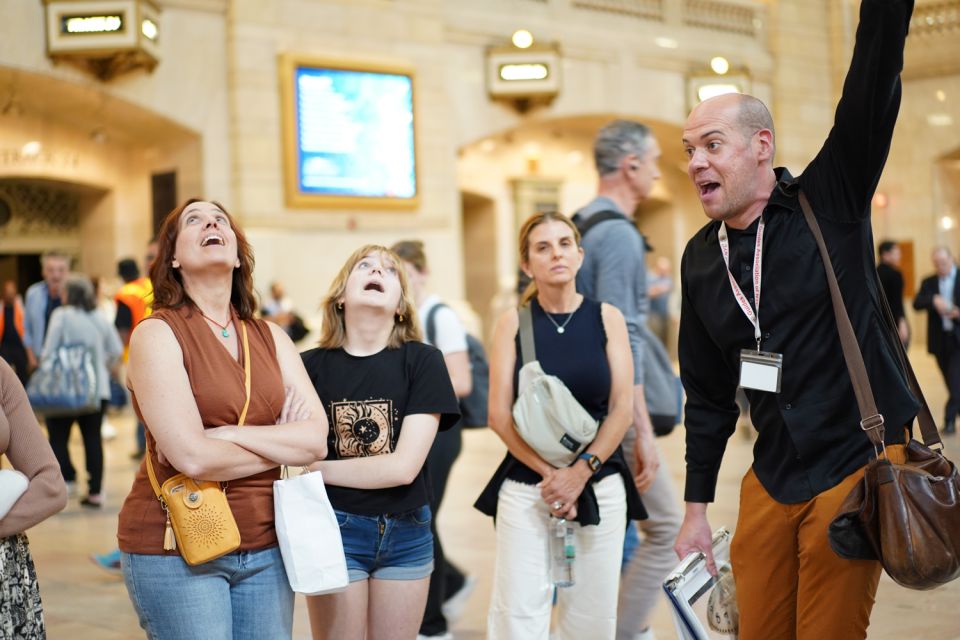
I also like that the setup includes headsets so you can hear from a distance. In a crowded terminal, that matters more than people expect. The result is less craning, fewer missed details, and a tour that stays fun even when foot traffic is heavy.
Price and timing: is $39 worth it for 90 minutes?
For $39 per person, you’re buying an efficient mix of access, context, and performance. You’re getting a live local guide, plus headsets and English audio support, which helps you keep up even when the crowd thickens.
The 90-minute length also hits a practical sweet spot. It’s long enough to hit the standout surprises—tennis courts, whispering gallery, Tiffany clock, glass walkways, and that speakeasy-linked story—without dragging into a full afternoon. If you’re planning multiple Midtown stops, this is a manageable commitment.
Who should book this tour
This tour fits best if you like any of these things:
- Architecture with a story, not just photo ops
- Transportation history, especially rail-era design choices
- A guide who can keep a group moving while still answering questions
It’s also a strong option on a day when you want indoor air-conditioned time balanced with short outdoor photo moments. And since it’s rain or shine, it’s easier to plan around weather than tours that depend on good conditions.
Should you book it or skip it?
If you love Grand Central as a landmark but have never really noticed it, I’d book this. It’s built for first-timers and for repeat visitors who want a fresh way to see the building.
I would skip it only if you dislike walking, crowds, or structured stops where you’re expected to pause and listen. Otherwise, for $39 you get a high concentration of “wait, I didn’t know that” moments in just 90 minutes.
FAQ
FAQ
Where do I meet the guide?
Meet your guide in front of track 29 inside Grand Central’s main atrium.
How long is the tour?
The tour lasts 90 minutes.
How much does it cost?
It costs $39 per person.
Is the tour inside or outside?
It includes indoor viewing and some photo pass-by time around Midtown, since you’ll pass landmarks like the Chrysler Building and One Vanderbilt.
Will the guide speak English?
Yes, the tour is in English, with a live guide and English audio included.
Do I need to bring anything?
Wear comfortable shoes, since it’s a walking tour.
Are headsets included?
Yes. Headsets are included so you can hear the guide clearly, even from a distance.
Is the tour wheelchair accessible?
Yes, it’s listed as wheelchair accessible.
What’s the policy on tripods?
Tripods are not allowed.
What’s the weather plan?
The tour runs rain or shine.