REVIEW · NEW YORK CITY
True Crime NYC: Mafia Walk w/Ret. NYPD Detective and Local Food
Book on Viator →Operated by NYPD Police Tours · Bookable on Viator
Mafia stories hit different when you’re on the actual streets. This 3-hour True Crime NYC walk pairs a retired NYPD detective with classic East Village to Little Italy sites tied to Cosa Nostra and John Gotti-era lore.
I love that the guide is a retired NYPD detective, so the storytelling comes with real policing context, not just TV-style crime banter. I also love the full-size Italian food stops, including spaghetti and more than one proper cannoli, not the tiny cookie-cutter kind.
One thing to plan for: this is mostly an outdoor walking tour, and on colder days you’ll want serious layers since you’re out on the sidewalk for long stretches.
In This Review
- Key Things That Make This Walk Worth Your Time
- A Retired NYPD Detective Guides the Mafia Walk (Why It Feels Different)
- East Village Red Sauce Joint Start: Spaghetti Welcome and a Full-Size Cannoli
- The Tour’s Best Story Engine: Street-Level Hierarchies and Mob Name Drop
- Second Avenue Prohibition History: The Stop Tours Often Miss
- Liz Christy Bowery Houston Community Garden: When Crime History Meets Urban Reality
- Mulberry Street and Gambino Territory: Social Clubs, John Gotti, and the Real Power Centers
- The Sopranos Filming Locations: Spot the TV Myth in the Real Streets
- Little Italy Finale at La Bella Ferrara: Your Last Full-Size Cannoli Stop
- Price and Value Check for $75.65 (Is It Worth It?)
- What to Wear and How to Pace Yourself on This 3-Hour Street Walk
- Who This Tour Suits Best (and Who Might Skip It)
- Should You Book This True Crime NYC Mafia Walk?
- FAQ
- How much does the Mafia Walk cost?
- How long is the tour?
- Where does the tour start and where does it end?
- What food is included?
- Does the tour include The Sopranos filming locations?
- Is the tour run in all weather?
- How many people are in the group?
- Can I get a full refund if plans change?
Key Things That Make This Walk Worth Your Time
- Retired NYPD detective perspective: you’re hearing crime-family hierarchy and case-focused context from someone who worked the job.
- Real neighborhood routes: East Village to Little Italy, including spots tied to Luciano and later families.
- The Sopranos filming locations: you’ll connect the TV mythology to the actual streets where scenes were shot.
- Gambino territory stops: you visit a place tied to the Gambino crime family’s former operations.
- Food that feels like lunch, not a snack: spaghetti welcome, tomato-sauce pasta, and full-size cannoli at the end.
- All-weather operation: the tour runs year-round, so expect street time even when conditions are less than ideal.
A Retired NYPD Detective Guides the Mafia Walk (Why It Feels Different)
The biggest reason to book this tour is the guide: a retired NYPD detective who’s set up to explain how organized crime actually functioned in New York. You’re not just getting names and dates. You’re learning how the families were structured—foot soldiers, captains, and bosses—and how those roles shaped what happened on the street.
I like tours like this because the tone stays grounded. The stories can still be dark (this is crime history), but the framing is practical: where the groups operated, how territory mattered, and why law enforcement attention concentrated in specific neighborhoods.
Also, group size is capped at 35. That matters because you’re more likely to hear answers when questions pop up, and you’re not spending half your time listening to someone else’s elbow.
You can also read our reviews of more tours and experiences in New York City.



East Village Red Sauce Joint Start: Spaghetti Welcome and a Full-Size Cannoli

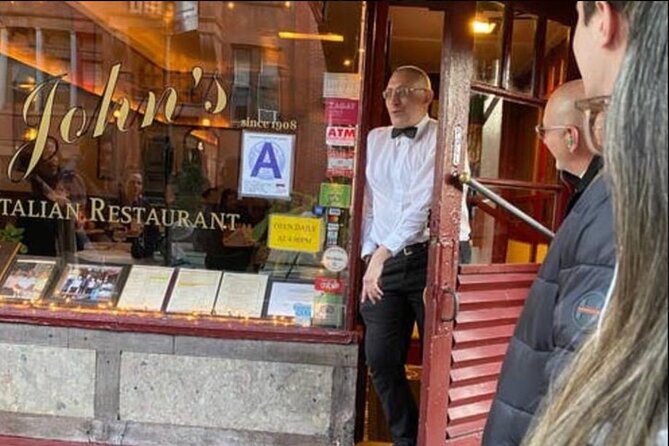
You meet at 302 E 12th St and begin right in the East Village’s mafia-flavored world. The tour starts at a classic red sauce joint tied to the kind of old-school social life where organized crime figures could blend in—then it turns into your first tasting.
Expect a spaghetti welcome at the start, along with a full-sized cannoli early on (yes, a real one—this isn’t the “mini-cannoli for marketing” approach). The tour then sets you up for what comes next: the Big Apple’s criminal evolution, from earlier street-level operators to the later power players people associate with John Gotti and the Gambino family.
What makes the start smart for your day: it gets your energy up before the longer walks. If you’re doing other neighborhoods afterward, you’ll appreciate not going in hungry.
The Tour’s Best Story Engine: Street-Level Hierarchies and Mob Name Drop
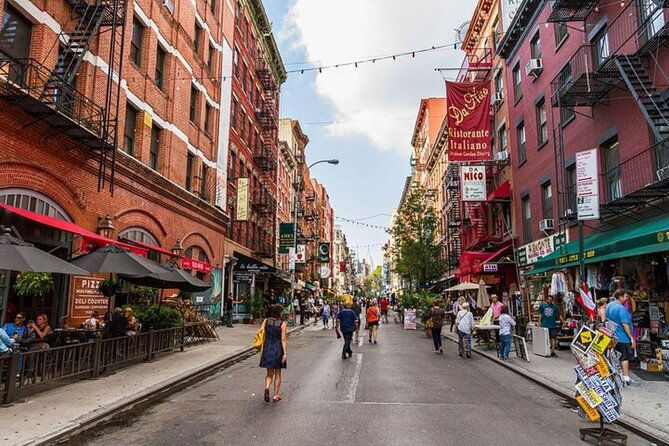
As you walk through the East Village, the guide focuses on how organized crime in New York grew into a system. You’ll hear about the role hierarchy—how you go from foot soldiers up through captains and then into boss-level power—and you’ll hear how that structure influenced loyalty and violence.
You also get the classic mob roster: Lucky Luciano, Myer Lanski, Joe Bonnano, John Gotti, and Carlo Gambino all get mentioned as key figures in the tour narrative. The guide also brings in other names such as Joe Masseria, Vinny the Chin, and Crazy Joe Gallo, so you’re not stuck only in the Gotti spotlight.
This is where the walking matters. Reading about these groups is one thing. Seeing how neighborhoods connect—East Village streets flowing into Little Italy—helps you understand how “local” organized crime really was.
Second Avenue Prohibition History: The Stop Tours Often Miss
One of the more interesting elements is the Second Avenue prohibition history portion. Instead of sticking only to the usual mob hotspots, you spend time on a street-history angle that helps you see the earlier conditions that fed organized crime in the first place.
Even if you don’t care about prohibition history specifically, it helps explain why New York’s criminal networks became so organized and why certain neighborhoods became regular meeting places. It’s also a nice pacing change: you move from one type of story (family structure) to another (the era that created demand and opportunity).
Practical tip: this portion is still walking time, so keep your feet comfortable. Good shoes make the difference on a tour like this.
Liz Christy Bowery Houston Community Garden: When Crime History Meets Urban Reality
Next, you head to the Liz Christy Bowery Houston Community Garden. The tour links the garden space to mafia connections—an unexpected angle that works well because it reminds you that these stories didn’t unfold on “movie sets.” They unfolded in places that people live near, work around, and pass every day.
This stop is shorter—about 15 minutes—but it’s one of those moments that breaks up the heavier crime narrative. You get context for the neighborhood today while still hearing why the location matters in the tour’s story arc.
If you like your history with a side of city-life reality, you’ll probably enjoy this stop. It also gives your legs a quick reset before the next street section.






Mulberry Street and Gambino Territory: Social Clubs, John Gotti, and the Real Power Centers
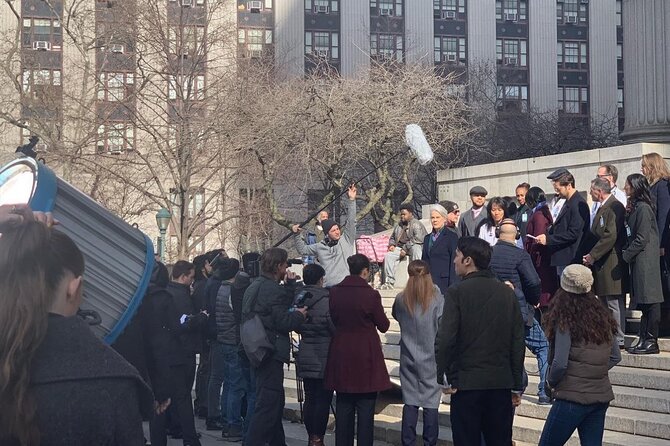
Mulberry Street is where the tour leans into the “this is where the business happened” feeling. You’ll hear firsthand accounts tied to the Gambino crime family and the role of John Gotti, with attention on how operations connected to social settings.
This isn’t presented as a fantasy. The tour focuses on the idea of where people gathered, how those gathering spaces functioned, and why certain areas became associated with specific families. It’s also the part of the walk where you’re most likely to think about how difficult it must have been to monitor real-world networks in a dense city.
One highlight called out in the tour concept is visiting the former headquarters of the Gambino crime family. Even if you don’t recognize the building from a distance, the guide’s explanation helps you “place” what you’re looking at.
The Sopranos Filming Locations: Spot the TV Myth in the Real Streets
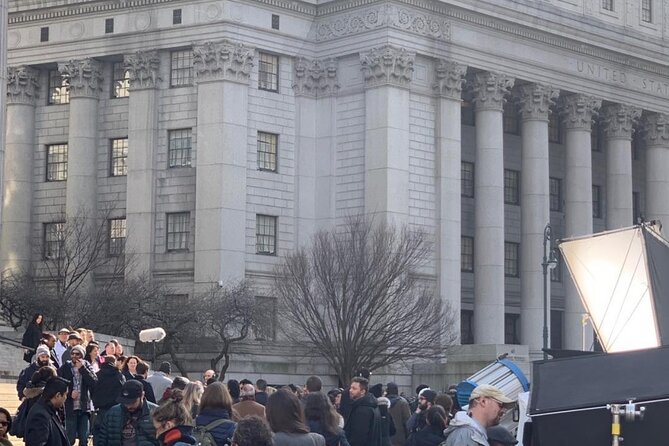
The tour also includes filming locations from The Sopranos. This is a fun add-on because it turns your walk into a kind of street scavenger hunt—your brain matches what you see on-screen to what you’re standing on in real life.
I like this kind of element because it gives you a break from pure crime-history chronology. You’re still learning, but you get to interact with the city in a more playful way. If you’re a TV fan, you’ll probably enjoy how quickly the streets start looking familiar.
If you’re not a TV fan, no stress. The Mafia story is still the core. The show references just make the route more memorable.
Little Italy Finale at La Bella Ferrara: Your Last Full-Size Cannoli Stop
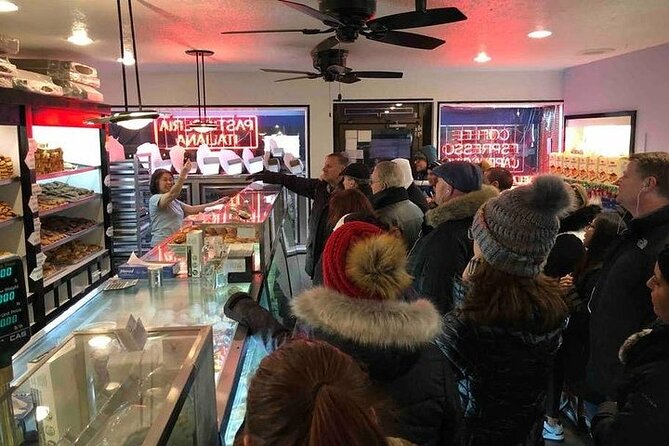
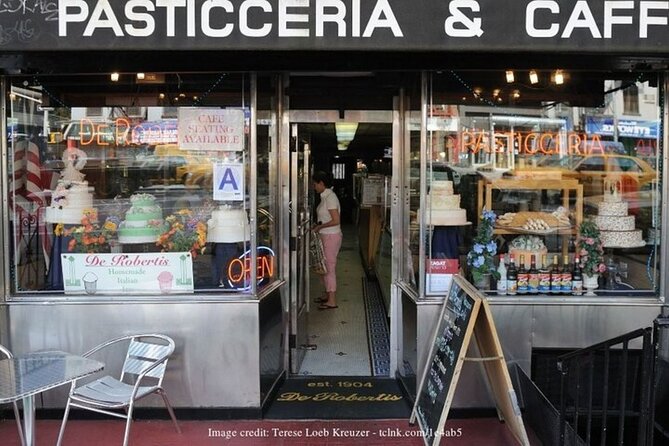
Your walk ends in Little Italy on 108 Mulberry St, finishing on the corner of Mulberry and Canal Street. The finale is all about food—specifically a cream-filled Sicilian cannoli—at La Bella Ferrara.
The tour emphasizes full size portions, which you’ll care about if you’ve done other food-and-history experiences where the “tasting” is basically a bite. Here, the cannoli finale is presented as the proper ending: crunchy shell, creamy filling, and enough substance that it lands like dessert after a long walk.
And because earlier you already had spaghetti (and likely more than one cannoli along the way), the finish feels like a full circle: you start with comfort carbs and end with the kind of sweet that makes you want to walk one more block just to digest.
Price and Value Check for $75.65 (Is It Worth It?)
At $75.65 per person for about 3 hours, the value depends on what you want from a NYC walk.
This is not a museum ticket situation where you’re buying access to a single building. You’re paying for:
- a retired NYPD detective as the storytelling engine
- a route that includes East Village, Little Italy, and specific location-based stops
- multiple tastings: spaghetti welcome, lunch pasta with tomato sauce, plus full-size cannoli tastings
That food math matters. If you normally spend $15–$30 on lunch in Manhattan and then add a dessert on top, the tour’s included meal and cannoli stops start to look more reasonable. Plus, the group size cap keeps it from turning into a conveyor belt.
One caveat: this is mainly a walking and history tour with tastings, not a full sit-down multi-course food tour. If your top priority is gourmet eating, you might feel the portions are fine but not “food-first.” If your top priority is crime history told by someone with law-enforcement experience, the pricing makes more sense.
Also note: drinks aren’t included, but you can buy them on the day. The tour data also says alcohol service follows the 18+ rule, if alcohol is offered.
What to Wear and How to Pace Yourself on This 3-Hour Street Walk
This is a moderate-walking tour and not recommended if you have walking or leg conditions. You’ll want shoes you can trust for uneven pavement and lots of stop-and-start sidewalk time.
Because it runs in all weather, treat it like a real street day:
- In rain: bring a light rain layer.
- In cold: dress like you’ll be outside longer than you think you will.
It’s easy to underestimate how much cold bites when you’re not moving nonstop. A hat, gloves, and a warm outer layer go a long way. The route is paced for the history, not for speed-walking.
Who This Tour Suits Best (and Who Might Skip It)
This fits you if:
- you like NYC neighborhoods where history is visible at street level
- you want your crime story framed by a retired NYPD detective
- you enjoy a mix of stories and food, including a real cannoli finish
- you’re a fan of The Sopranos and like seeing TV geography made real
You might skip it if:
- you want a fully indoor attraction
- you’re not into crime narratives that can feel unsettling
- you have limited ability to walk for the full duration
Should You Book This True Crime NYC Mafia Walk?
I’d book it if you want something more human than a generic “mob highlights” tour. The detective-led approach plus the East Village to Little Italy route makes it feel like you’re learning how the city shaped the crime, not just memorizing names.
Also, the food approach is practical: you get a spaghetti welcome, tomato-sauce pasta lunch, and full-size cannoli tastings, including the Little Italy finish. That alone makes the price easier to justify.
If you’re visiting in colder months, just plan smart with layers so the outdoor time doesn’t steal the show. If you do that, this tour is a strong pick for a memorable half-day in neighborhoods that still wear their story on their streets.
FAQ
How much does the Mafia Walk cost?
The tour price is $75.65 per person.
How long is the tour?
It lasts about 3 hours.
Where does the tour start and where does it end?
It starts at 302 E 12th St, New York, NY 10003 and ends at 108 Mulberry St, New York, NY 10013, on the corner of Mulberry and Canal Street.
What food is included?
You get a spaghetti welcome, lunch pasta with tomato sauce, and cannoli tastings, including a full-size cannoli at the start and a Sicilian-style cannoli/dolce to end the tour.
Does the tour include The Sopranos filming locations?
Yes, the tour includes filming locations from The Sopranos.
Is the tour run in all weather?
Yes, it operates in all weather.
How many people are in the group?
The tour has a maximum of 35 travelers.
Can I get a full refund if plans change?
Yes. Free cancellation is available up to 24 hours in advance for a full refund.