REVIEW · NEW YORK CITY
Wall Street Insider Tour with a Finance Professional
Book on GetYourGuide →Operated by The Wall Street Experience · Bookable on GetYourGuide
Wall Street whispers if you know where to look. In just 75–90 minutes, this Wall Street Insider Tour uses real finance experience to turn the Financial District into a living timeline.
It’s led by former traders, bankers, brokers, and other Wall Street veterans, so you don’t just hear dates and names—you get story-based context for why this place matters. I especially love the firsthand insider stories and the mix of big landmarks with street-level details.
One possible drawback: many of the key spots are photo stops from the sidewalk, so if you’re hoping for a lot of time inside famous buildings, plan to supplement with other activities.
In This Review
- Key highlights worth your time
- Starting at 22 Broad St: getting your bearings fast
- NYSE from the sidewalk: the Wall Street stage set
- Wall Street on foot: deals, drama, and uncomfortable truths
- Federal Hall: standing near the start of a presidency
- Stone Street Historic District: the older layer beneath Wall Street
- Charging Bull: the famous symbol and what the story teaches
- Trinity Church: a steady anchor in a high-voltage neighborhood
- Ending near the Federal Reserve: where big decisions meet public reality
- Price and value: is $39 a fair deal?
- What you’ll feel during the walk (and why it works)
- Who should book this Wall Street Insider Tour
- Practical tips to get the most from it
- Should you book? My quick decision guide
- FAQ
- How long is the Wall Street Insider Tour?
- Where do I meet the guide?
- What are the main stops on the route?
- Are the guide and tour language in English?
- Is the tour wheelchair accessible?
- How much does the tour cost?
- Is there free cancellation?
Key highlights worth your time
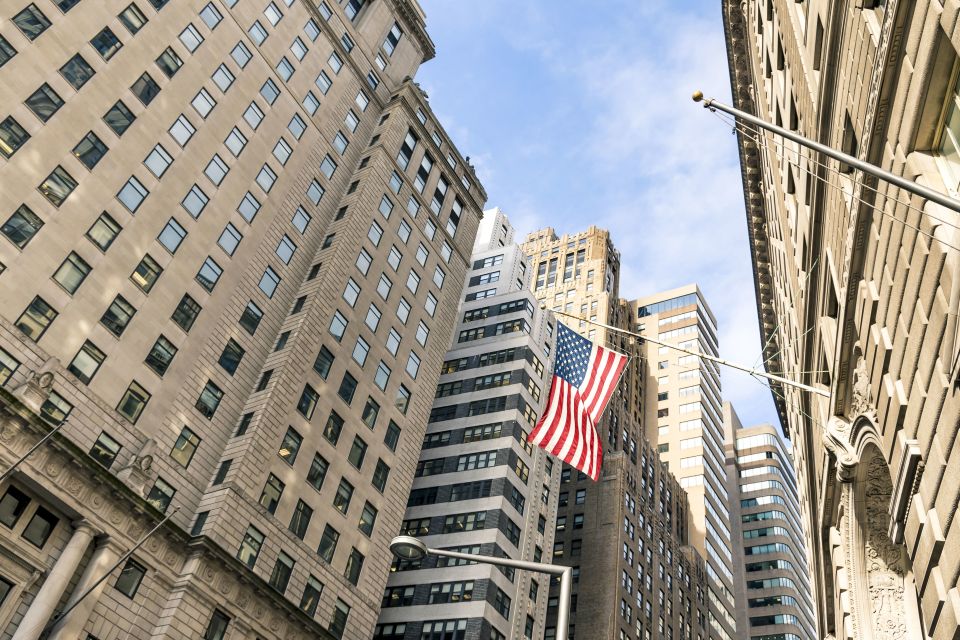
- Finance pros tell the stories: guides bring real-world trading and regulation experience, which changes the tone from textbook to street-smart.
- A tight route with iconic stops: you’ll see the NYSE, Federal Hall, Stone Street, Charging Bull, and end near the Federal Reserve.
- Washington’s inauguration point in the mix: Federal Hall is a major anchor stop, tied to the start of the presidency.
- Immigrant influence gets real attention: the tour emphasizes how newcomers helped shape financial institutions.
- Q&A can get easier in smaller groups: a few guests specifically called out the chance to ask lots of questions.
- Guides often bring humor and personality: multiple names in the guide reviews—Jess, Jose, Dana, James, Eric, Jared, Emily, and others—were praised for keeping it lively.
Starting at 22 Broad St: getting your bearings fast
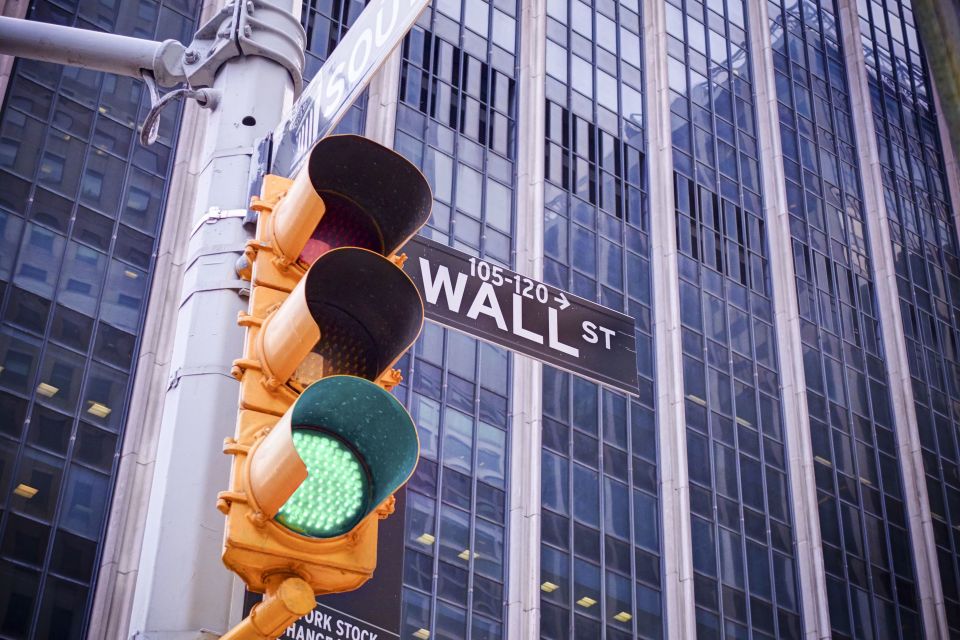
The tour begins at 22 Broad St, with the meeting point outside Blue Bottle Coffee. That matters because the Financial District is compact, and the first few minutes set the frame: this wasn’t always Wall Street. It was trade, shipping, credit, and risk—then it became the global center for finance.
I like how the start doesn’t assume you already understand the system. You’re walking with someone who can translate what you’re seeing. Former traders and bankers don’t just point at buildings; they connect them to decisions people had to make when the stakes were high and the rules were still forming.
If you prefer to start your NYC trip with something that makes the city feel less random, this is a strong opener. The route hits major landmarks without turning into a long bus ride through traffic.
You can also read our reviews of more tours and experiences in New York City.



NYSE from the sidewalk: the Wall Street stage set
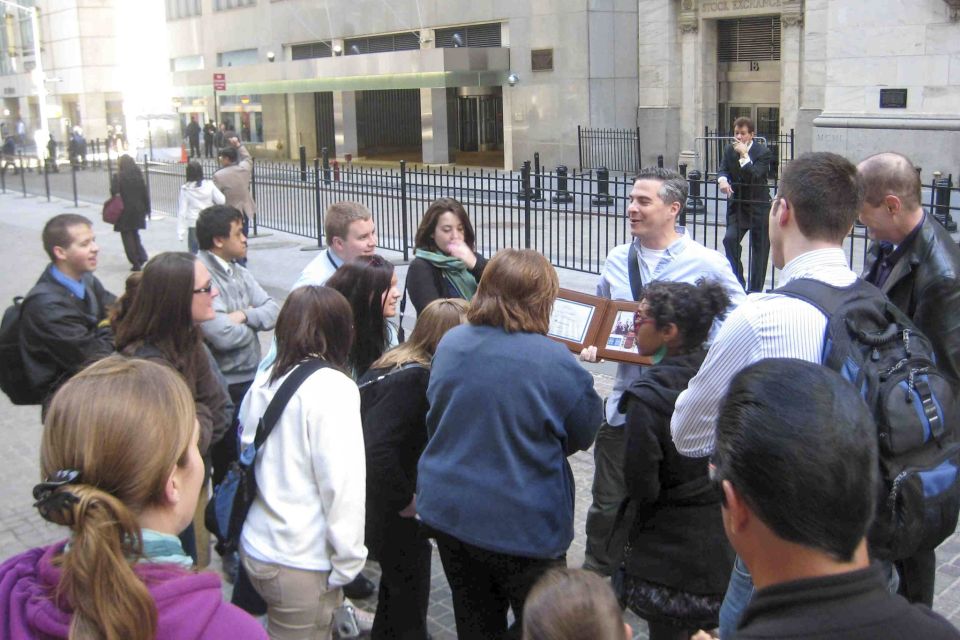
Your next big moment is the New York Stock Exchange. The plan is a photo stop plus sightseeing, so you’ll be viewing the building from outside while the guide builds the context around it.
Here’s what this stop does well for you: it helps you understand that the NYSE isn’t just a famous facade. It’s a symbol of how markets try to earn trust—through rules, rituals, and institutions. When a guide explains how trading culture and financial structure evolved over time, the building stops being a postcard and starts acting like a clue.
Also, if you’re the type who likes to see multiple sides of finance—power, temptation, regulation, and politics—you’ll get that tone early. Many guides in this tour style are good at mixing drama with practical clarity, so you don’t have to be a finance person to follow.
Wall Street on foot: deals, drama, and uncomfortable truths
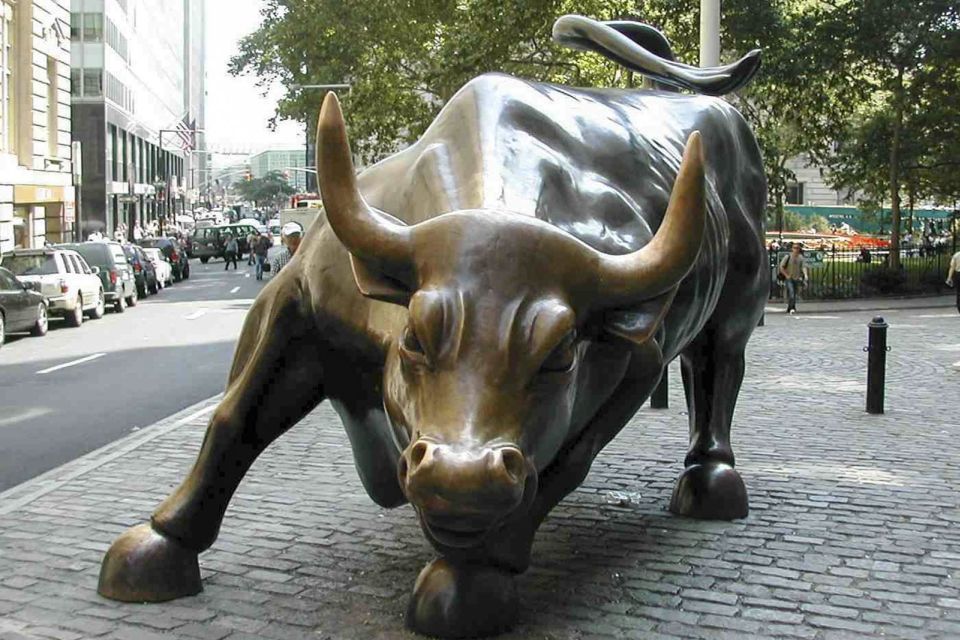
Then you move into the heart of Wall Street itself. This is where the tour becomes more than a list of landmarks. The guide leads a walking explanation through the streets where big decisions have been made for generations, and you’ll get story-based insight instead of dry commentary.
One of the more interesting themes you’ll hear is how well-intentioned cleanups and reforms can still leave loopholes. The tour description flags a surprise: a cleanup with the best intentions that allowed criminals to evade detection for over a century. That kind of story is valuable because it reframes finance history. It’s not just progress; it’s human behavior, incentives, and systems adapting slowly.
This stop is also a great place to test your own curiosity. If you’re wondering how trust was built—or broken—ask questions while you’re standing in the exact spot where the story connects. In fact, one guest specifically praised how, on a smaller group, they were able to ask lots of questions. That’s your advantage if you book a smaller group or go during a less crowded time.
Federal Hall: standing near the start of a presidency
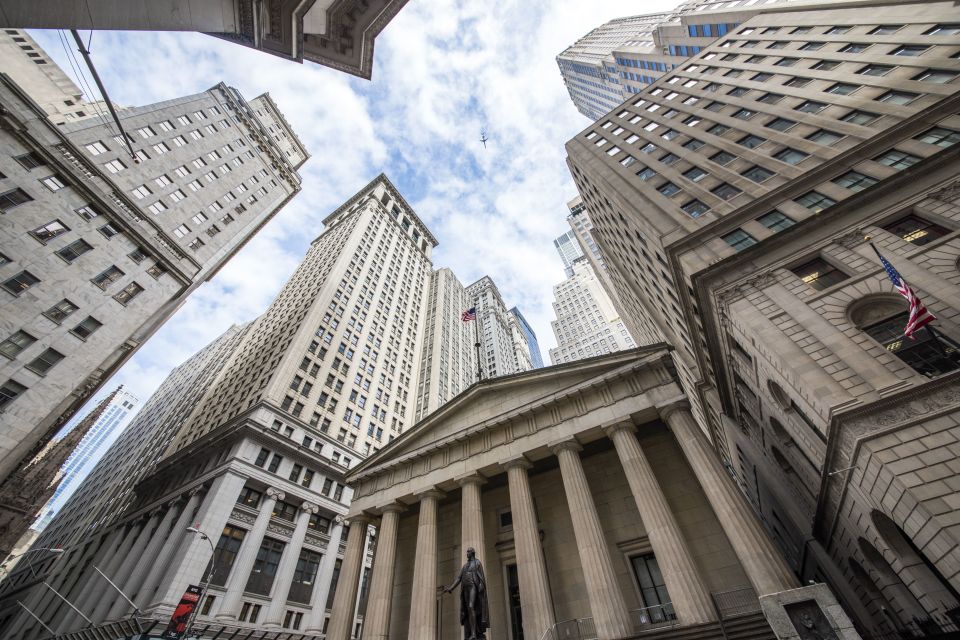
Next comes Federal Hall, another photo stop. This isn’t only a historic building; it’s a turning point. The tour highlight calls out a major fact: you’ll stand where Washington was inaugurated as president.
Why this matters, even if you came for finance: the Financial District isn’t separate from American politics. Federal Hall represents the early national government building legitimacy and authority. When you connect that to later financial institutions, you get a clearer picture of why markets needed a political backbone and why political decisions affected money, credit, and stability.
You’ll also get the feel for how different eras reuse the same power sources—crowds, symbols, law, and public trust. This stop helps you see finance as part of a broader government story, not a separate world behind closed doors.
Stone Street Historic District: the older layer beneath Wall Street
At Stone Street Historic District, you get another guided, sightseeing-focused segment. This is one of those stops that helps you slow down. Even if you’re mostly there for the finance story, Stone Street gives you the texture of the neighborhood before it became the global money magnet.
You’ll notice the vibe is different here. The street feels like a reminder that Wall Street didn’t appear out of thin air. It grew over older trade patterns, earlier buildings, and a city that kept building on top of itself.
This part of the tour is also useful if you like architecture and urban design. The Financial District can look uniform at a distance, but streets like this show how the city’s shape and layout influenced everything that followed—walking routes, crowds, and where institutions wanted to be seen.





Charging Bull: the famous symbol and what the story teaches
Then it’s off to Charging Bull. This stop is guided and sightseeing, with a photo stop built in. People know Charging Bull as a symbol, but what you’ll get from a finance-experienced guide is an explanation of why that symbol exists and what it reflects about risk, ambition, and market psychology.
It can be tempting to treat Charging Bull as a quirky tourist stop. Don’t. In the context of the rest of the tour, it works like a shorthand for the emotional side of finance—optimism, fear, speculation, and the idea that the market is driven by humans with hopes and incentives.
It’s also a good checkpoint for your own energy level. By now you’ve heard a lot, so take your time at the statue. If your guide offers to share an extra story here, grab it. A few guests praised the way their guides used humor and personal experience to keep things moving without losing the facts.
Trinity Church: a steady anchor in a high-voltage neighborhood
You’ll also stop at Trinity Church. This is another photo stop, but it plays an important role in how you experience the area. High finance neighborhoods can feel like pure commerce. Trinity Church adds a grounded contrast—a longtime institution in the middle of a fast-changing economy.
I like that this stop helps you remember the Financial District is more than offices. It’s a place with community history and long-term structures. When you’re learning about markets, that longer time perspective is useful. Markets rise and fall, but cities keep their landmarks and their memories, even when the businesses change.
Ending near the Federal Reserve: where big decisions meet public reality
The tour ends with two drop-off locations: the Federal Reserve Bank of New York and Harry B Helmsley Plaza. That’s a smart finish because it keeps the tour tied to the actual machinery behind currency and monetary policy—at least from the outside.
Even without going inside, standing near the Federal Reserve lets you connect earlier stops with what comes later. You’ve seen the face of markets (NYSE), the built-up streets of commerce (Wall Street and Stone Street), and the national origin point (Federal Hall). Ending near the Fed closes the loop: finance history isn’t only about trading. It’s also about regulation, stability, and how the system responds when things go off track.
If you want to keep the momentum after the tour, this ending point is practical. You’re not sent to the far side of Manhattan. You’re left in the middle of the action, close to where other Financial District sights and quick meals are easy to reach.
Price and value: is $39 a fair deal?
At $39 per person for 75–90 minutes, the price sits in the affordable range for a specialized, pro-led experience. Here’s the value logic I’d use:
- You’re paying for a guide who brings real finance work experience, not just a narration style.
- You get multiple major landmarks in a short time window, which helps if you’re on a tight NYC schedule.
- You also get story depth. Reviews frequently praised guides for mixing history with real-life finance context, which is exactly what makes the walk feel worth paying for.
From the reviews you shared, the strongest recurring praise centers on engagement: guides like Jess (including mention of SEC experience), Jose, Dana, James, Jared, Emily, Nicola, and others were repeatedly described as fun, clear, and story-driven. Some even noted small-group advantages where questions weren’t rushed.
One reality check: because several stops are photo stops, you shouldn’t expect this to replace museum time or building access. Think of it as a guided orientation to how the Financial District really works in the real world.
What you’ll feel during the walk (and why it works)
This tour works because it treats finance as a human system, not just a mechanical one. The best moments come when the guide connects a physical place to a behavioral pattern: greed, fear, trust, rules, loopholes, and reform.
You also get an immigration thread—how newcomers helped shape financial institutions. That perspective is practical because it explains why Wall Street became a magnet: not only for money, but for talent, ambition, and the chance to build something new.
If you like history, you’ll feel the “story engine” shift you from memorizing dates to understanding cause and effect. If you like finance, you’ll still learn something, even if you don’t know the jargon. The guide’s job is to translate.
And if you’re worried it’ll be too technical, the review notes repeatedly highlight the guides’ ability to keep it engaging—often with humor. One guest even mentioned a guide who was also a stand-up comedian, which tells you the delivery can be light without losing accuracy.
Who should book this Wall Street Insider Tour
This tour is ideal if you fit one (or more) of these boxes:
- You’re new to NYC and want a fast, focused Financial District orientation
- You want history with context—why institutions formed the way they did
- You like learning from people who actually worked in the system
- You’re curious about the rules and loopholes behind market life, not only the headlines
- You prefer walking tours where you can stop and ask questions
You might skip it or pair it with something else if your top priority is museum-style indoor exhibits, or if you want extended time inside major institutions rather than sidewalk-facing photo stops.
Practical tips to get the most from it
- Wear comfortable shoes. You’ll cover several stops on foot in a compact area.
- Bring a charged phone or camera for the photo stops at places like the NYSE area, Charging Bull, and Federal Hall.
- If you have a specific finance question—how regulations changed behavior, how crises alter rules, or how trust is built—save it for a mid-tour pause. This kind of tour is best when you interact.
- If you’re sensitive to cold or weather, plan layers. One guest specifically noted an indoor stop being helpful during freezing conditions.
Should you book? My quick decision guide
Book it if you want Wall Street explained like a story you can walk through, with a guide who’s worked in the financial world and can connect buildings to behavior. At $39 and under two hours, it’s also a solid way to get your bearings in Lower Manhattan without spending your whole day in transit.
Skip it if you need deep museum access, long interior visits, or a slower-paced neighborhood exploration beyond the Financial District. In that case, you’ll want a different style of tour and then come back for this walk as a primer.
If you do book, treat it as your foundation. Once you’ve heard the place-based explanations, the rest of Lower Manhattan history makes more sense.
FAQ
How long is the Wall Street Insider Tour?
It runs about 75 to 90 minutes.
Where do I meet the guide?
Meet your guide outside Blue Bottle Coffee. The starting location is listed as 22 Broad St.
What are the main stops on the route?
You’ll see the NYSE area (photo stop), Wall Street (guided), Federal Hall (photo stop), Stone Street Historic District (guided), Charging Bull (photo stop), Trinity Church (photo stop), and you’ll have drop-off locations at the Federal Reserve Bank of New York and Harry B Helmsley Plaza.
Are the guide and tour language in English?
Yes. The tour is listed as English-speaking.
Is the tour wheelchair accessible?
Yes, it is listed as wheelchair accessible.
How much does the tour cost?
The price is $39 per person.
Is there free cancellation?
Yes. Free cancellation is offered up to 24 hours in advance for a full refund.