REVIEW · NEW YORK CITY
Lower East Side Food Tour: Taste NYC’s American Dream
Book on Viator →Operated by Intrepid Urban Adventures - USA · Bookable on Viator
Snacks with serious stories on every block. This Lower East Side food tour pairs 4 ethnic tastings with a guided walk through landmarks tied to African, Irish, Chinese, Italian, and Jewish immigrant waves. You’ll move from the African Burial Ground to Chinatown and Little Italy, with quick stops that explain what you’re seeing as you go.
Two things I really like: the mix of food and real place-based history, and the small-group size that keeps questions in play. Guides such as Greg, Alex, David, Astrid, and Erik show up in the reviews as strong storytellers, with a “walk-and-learn” rhythm that fits first-timers who want context fast.
One drawback to consider is pacing. This tour covers a lot of ground in about 3 hours, and it’s mostly outdoors, so if you want slow strolling and lots of restaurant downtime, you may feel rushed between tastings.
In This Review
- Key things to know before you go
- Lower East Side in 3 Hours: Immigration Snacks with a Local Guide
- Price and Portions: Is $54 Worth It for 4 Food Stops?
- Walk the Route: African Burial Ground, Supreme Court, and Five Points Photos
- Chinatown to Little Italy: Dumplings, Pizza, Knish, and Street Stories
- Nolita, Old St. Patrick’s, and FDR’s Mother: Small Stops with Big Meaning
- How the LES Changes Across Decades: Tenements to Community Gardens
- Food Strategy: How to Time Your Appetite
- Guide Style and Small-Group Size: What Personal Attention Looks Like
- Weather, Clothing, and Comfort for a 1-Mile Loop
- Dietary Reality Check: Who Can Eat Safely on This Tour?
- Should You Book This Lower East Side Food Tour?
- FAQ
- How long is the Lower East Side Food Tour?
- How much walking is involved?
- Where does the tour start and end?
- What food is included?
- Can this tour accommodate vegans or gluten allergies?
- Is the tour offered in English?
- What happens if it rains or snows?
- Is the tour child-friendly?
Key things to know before you go
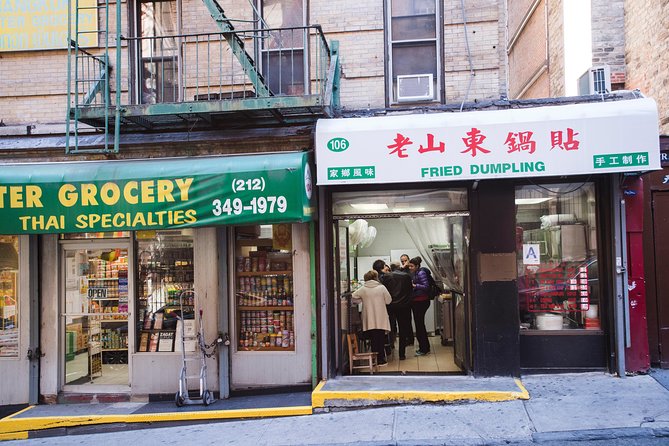
- 4 food stops that match the neighborhood shifts: dumplings, pizza, knish, empanada, plus other historic dishes along the route
- A place-focused history route: memorials, courts, parks, churches, and street-level immigrant stories
- Small group (max 14): easier to hear your guide and ask questions during the walk
- Mostly outside, all seasons: you’ll be outside for at least 3 hours, rain or shine
- Limited dietary fit: no vegan or gluten-allergy/gluten-intolerance accommodations, though other requests can be planned with advance notice
Lower East Side in 3 Hours: Immigration Snacks with a Local Guide
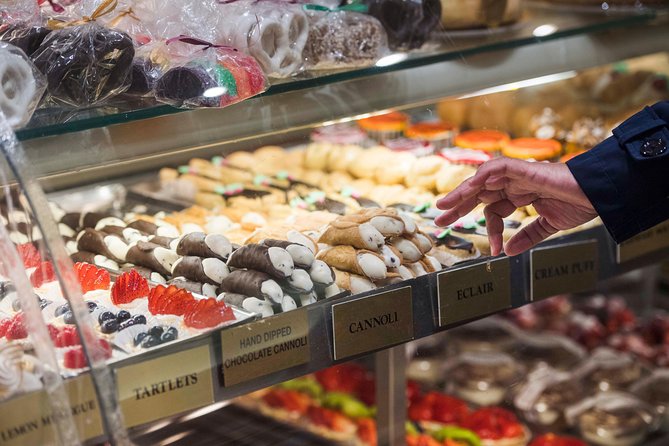
The Lower East Side can feel like two cities at once. One minute you’re looking at trendiest bars and restaurants; the next you’re standing near sites tied to old immigrant survival—tenements, faith communities, and new arrivals trying to make life work.
That’s what makes this tour click. You’re not just eating; you’re learning how different groups shaped this neighborhood, and how their food traditions still show up in what you can buy today. The itinerary connects big moments—like the African Burial Ground—with everyday landmarks—like a dumpling shop and a historic Italian food stop.
You’ll also get a smart structure: short history stops between tastings. Even when you’re only there for a few minutes, the guide points you to what matters—memorial design, immigration context, and the meaning behind buildings you’d otherwise speed past.
You can also read our reviews of more tours and experiences in New York City.



Price and Portions: Is $54 Worth It for 4 Food Stops?
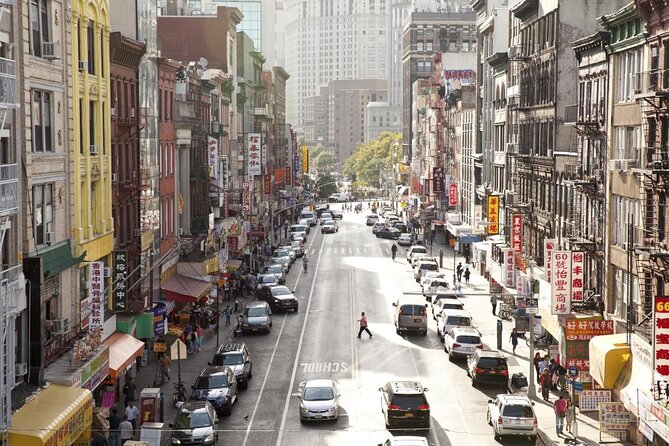
At $54.14 per person for about 3 hours, the real value isn’t only the price tag—it’s what you get bundled in. You’re paying for a guided walk that hits multiple neighborhoods (Lower East Side, Chinatown, Little Italy/Nolita) plus 4 dish samples.
Those samples are meant to be enough to keep you happy without turning the tour into an all-day food crawl. One review advice was straightforward: don’t eat a big breakfast first, because the tastings are substantial enough to matter. Still, drinks and extra food aren’t included, so plan to budget for water (and possibly a post-tour dessert or snack).
If your main goal is to eat until you’re stuffed, you’ll likely want to add a follow-up meal after. If your goal is to leave with both cravings and context—then this is a strong fit for the money.
Walk the Route: African Burial Ground, Supreme Court, and Five Points Photos
The tour starts on Broadway (290 Broadway, New York, NY 10007), then gradually shifts you from history anchors to street-food neighborhoods. Expect a relaxed pace with frequent stops, but still keep in mind you’re on foot for about 1.6 km (1 mile) total.
Stop 1 is the African Burial Ground National Monument, where the guide covers how it was discovered and how the memorial and monument were built to carry meaning. You’ll learn about the early African experience in New York, including both enslaved people and those who were freed.
Stop 2 is the New York City Supreme Court. It’s quick, but it’s a good example of how this tour makes city geometry matter. You’ll talk about the area’s past—before the court building you recognize today—and you’ll also see the famous building connection that pops up in TV crime stories like Law & Order.
Stop 3 is Columbus Park on the edge of Chinatown. Here the focus turns to what used to be in the area: the Five Points neighborhood, Irish immigration, and old photos that help you picture how different the streets looked back then. It’s one of those “wait, I’ve walked here and never saw it” moments.
Net effect: the first portion gives you a mental map of why the Lower East Side matters. You’re not collecting trivia; you’re building context before you start chasing flavors.
Chinatown to Little Italy: Dumplings, Pizza, Knish, and Street Stories
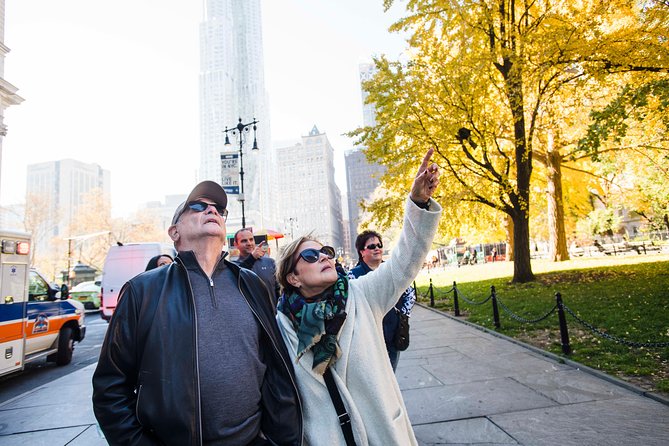
Then the tour hits the part that usually sells out: the food and the crowds—without feeling chaotic.
Stop 4 brings you into Chinatown, where you’ll walk through part of the neighborhood and hear Chinese immigration stories. The highlight is a visit to a dumpling shop that’s described as a local favorite. You’ll also get practical tips on where else to go once the tour ends, which helps a lot when you’re trying to keep exploring on your own.
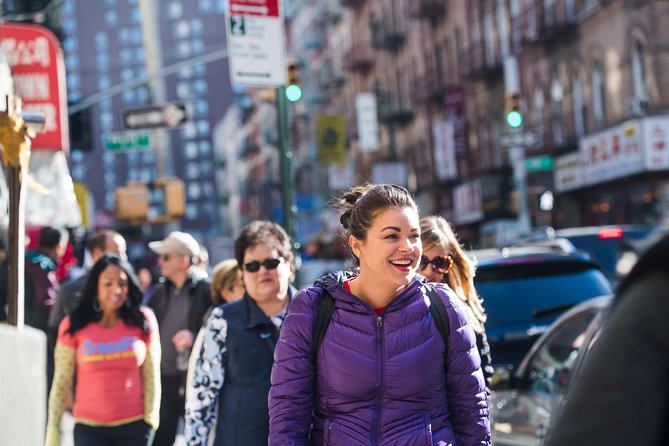
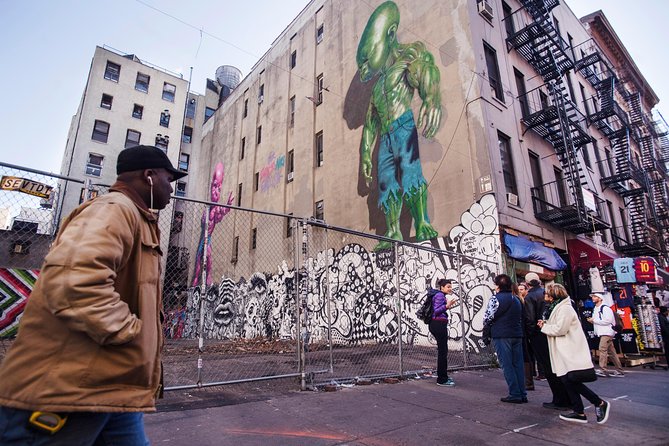
Stop 5 takes you up and around Mulberry Street for Little Italy. You’ll get Italian immigration history plus modern street art you can actually spot on the walk. The guide also shares organized crime stories tied to the neighborhood’s past, and you’ll stop at an historic local Italian food shop for a tasting.
Stop 6 is Nolita, which is a helpful detour if you’re thinking of “Little Italy” as a fixed place. Here you learn how the neighborhood identity changed over time and you get pointed at some of the best street art around. It’s one of those sections where the food tour starts to feel like a neighborhood photo walk—except your snack timing keeps things fun.
A small reality check: these stops can feel like you’re moving continuously. One review noted the tour is more history-forward than some strictly food-centered tours. If that’s your preference, you’ll probably be happy anyway, because the tastings do punctuate the walking. But if you want lots of sit-down time, you might wish for more.
Nolita, Old St. Patrick’s, and FDR’s Mother: Small Stops with Big Meaning
Stop 7 is the Basilica of St. Patrick’s Old Cathedral. It’s short, but it adds depth: you’ll learn about the hardships Catholic immigrants faced when arriving in the U.S. and why that early experience mattered for communities that formed around churches.
Stop 8 is Sara D Roosevelt Park, named for FDR’s mother. You’ll walk the northern end briefly and then stop at the M’Finda Kalunga Garden inside the park to talk about Latin American immigration and how the neighborhood evolved across decades.
These two stops are easy to miss on your own, partly because they’re not the kind of sites you’d automatically prioritize if you’re just following food cravings. On this tour, they act like interpretive anchors—like the guide is telling you what to notice and why it exists.






How the LES Changes Across Decades: Tenements to Community Gardens
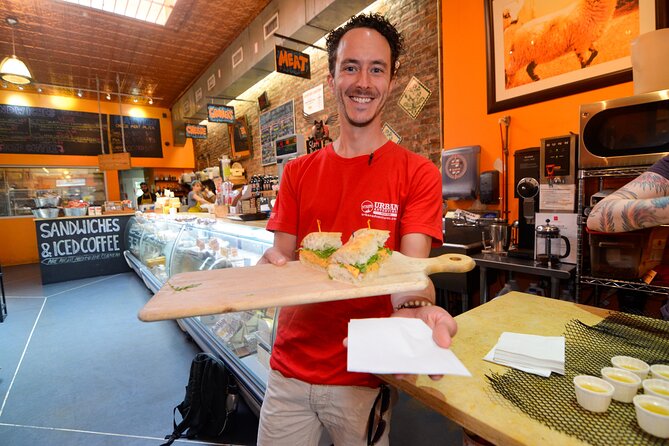
Stop 9 is the heart of it: the Lower East Side itself. This is where the guide frames the transformation—moving from older, run-down tenements and poverty to today’s gentrified feel. You’ll see street art and community gardens and learn about immigrant communities like Jewish, German, and Latin American residents, and how their food legacy stays visible.
You’ll also get traditional food sampling here, as part of the tour’s “taste while learning” structure. That combination is the point: history sticks better when your taste buds are involved.
The tour ends near a Lower East Side museum, where the guide shares a bit about the museum’s founding and gives tips on getting tickets and visiting the gift shop. It’s a smart close, because you’re already thinking historically and the museum keeps that momentum going.
Food Strategy: How to Time Your Appetite
This is not a drinks tour. No alcohol is included, and drinks and additional food aren’t part of the package. What you do get are dish samples—think dumplings, pizza, knish, empanada—meant to represent the neighborhood stories.
My practical advice is simple: come hungry, but not desperate. You’ll be outside for at least 3 hours, and you’ll be walking between multiple stops. If you’re sensitive to long stretches without water or a full meal, bring a refillable bottle and plan a real meal after the tour.
Also keep your expectations aligned with “tasting.” The portions are described as well-portioned, but they’re still samples. That’s why finishing with the museum area can be a good transition point: you can keep wandering on your own once you’re done.
Guide Style and Small-Group Size: What Personal Attention Looks Like
The tour runs with a maximum of 14 travelers, which matters more than you’d think on a neighborhood walking route. A smaller group means your guide can actually slow down when someone asks a question, and it’s easier to hear stories without craning your neck.
The reviews give you a sense of what strong guiding looks like here. Guides such as Astrid, Alex, David, Erik, Jesse, and Cullen are repeatedly praised for being engaging and able to answer questions with ease—plus making the walk feel like a story, not a lecture.
The other value of the group size is pacing control. Even though the tour can feel fast to some people, a small group helps keep it from turning into a moving queue. If you’re traveling with kids, the smaller feel can also help everyone stay focused.
Weather, Clothing, and Comfort for a 1-Mile Loop
Plan for outdoor walking. The tour is designed to run rain, shine, or snow, and you’ll spend at least 3 hours outside, so wear layers and bring a light rain option if the forecast looks messy.
The walking distance is about 1 mile (1.6 km) at a relaxed pace with regular stops. That’s doable for most fitness levels, and it’s good news if you’ve got limited time but still want to see the neighborhoods instead of driving past them.
If weather creates a safety risk, the tour may be postponed or canceled, but the default plan is to operate.
Dietary Reality Check: Who Can Eat Safely on This Tour?
This part is important. The tour is designed as a well-balanced ethnic gastronomy experience, but it has limits: it’s unable to accommodate vegans and can’t cater for guests with gluten allergies or gluten intolerance.
If you have other specific dietary requests, you should inform the operator at least 24 hours before the tour start time so they can plan. For gluten-free needs, you’ll need to think carefully and consider alternatives if you can’t tolerate cross-contact or substitutions.
Should You Book This Lower East Side Food Tour?
Book it if you want a smarter way to experience NYC neighborhoods in a short window. This tour is especially good for first-timers who want the Lower East Side, Chinatown, and Little Italy storylines connected to food—not just a random parade of snacks. The mix of African Burial Ground meaning, Chinatown dumplings, Little Italy history, and Nolita street art gives you a full “American dream” perspective without needing multiple separate tours.
Skip it (or adjust your expectations) if your top priority is purely food quantity, sit-down meals, or a slow, lingering pace. There are plenty of stories and walking time, and the route moves through many sites, so the tour isn’t built around long restaurant breaks. Also, if you’re vegan or gluten-intolerant, you’ll need a different plan since those needs can’t be accommodated here.
If you’re trying to decide fast: this is a great “learn and eat” tour, not a “party and drink” tour, and it works best when you arrive hungry and ready to walk.
FAQ
How long is the Lower East Side Food Tour?
It runs for about 3 hours.
How much walking is involved?
The tour includes approximately 1.6 km (1 mile) of walking at a relaxed pace, with regular stops.
Where does the tour start and end?
It starts at 290 Broadway, New York, NY 10007, and ends in the heart of the Lower East Side near a museum (Lower East Side, New York, NY 10002).
What food is included?
You get samples at 4 food stops, including dishes such as dumplings, pizza, knish, and empanada.
Can this tour accommodate vegans or gluten allergies?
No. The tour can’t cater for vegans or guests with gluten allergies or gluten intolerance.
Is the tour offered in English?
Yes, it’s offered in English.
What happens if it rains or snows?
The experience runs rain, shine, or snow. In rare cases where weather creates a safety risk, the tour may be postponed or canceled.
Is the tour child-friendly?
Yes. Families can join, and children under 4 can join free. Children aged 4 to 11 have a reduced child price.