REVIEW · NEW ORLEANS
New Orleans Hands-On Cooking Class with Meal
Book on Viator →Operated by New Orleans School of Cooking · Bookable on Viator
Cooking in New Orleans is one thing. Cooking it hands-on is another. This half-day class is built for small groups (up to 10) in a real teaching kitchen, where you cut, season, and cook your way through Louisiana classics and then sit down to eat what you made. I like that it pairs authentic technique with a relaxed, fun chef-led vibe, and I especially like the meal plus drinks are included, not an add-on.
The main thing to plan around: you will be on your feet and cooking for much of the time, so it’s not a sit-and-watch experience. If you prefer a quick, low-effort activity, this one may feel like work even though it’s a lot of fun.
In This Review
- Key highlights worth your time
- Your 3-hour plan: where the class actually shines
- Stop 1 at the cooking school: small-group meals you build step by step
- The menu: what you’ll likely cook and taste
- Drinks and the pacing: included wine, beer, and why it matters
- Stop 2: the French Quarter moment after you cook
- What you take home: recipes, apron, and a fun follow-up challenge
- Price and value: is $162 worth it?
- Who this class suits best (and who may want something else)
- Should you book this hands-on New Orleans cooking class?
- FAQ
- How long is the cooking class?
- How much does it cost?
- What is the group size limit?
- What food is included in the meal?
- Are drinks included?
- Is there an age limit?
- What should I know about dietary restrictions?
- Is cancellation free?
Key highlights worth your time
- Up to 10 people on 5 cooktops means you actually get involved, not stuck watching from the sidelines
- Make the whole meal and eat it right after, so you get payoff fast
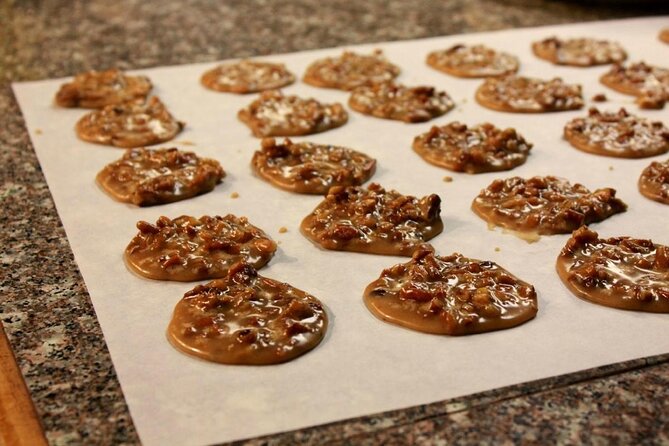
- Real Louisiana menu choices like gumbo vs. yam-crab bisque, BBQ shrimp and grits vs. jambalaya, then bananas foster vs. pralines
- Wine or Abita Amber Beer included, plus coffee and non-alcoholic drinks
- Take-home apron and recipes so you can recreate the flavors later
- Chef personality + technique shows up in the way instruction is delivered, with clear steps you can follow
Your 3-hour plan: where the class actually shines
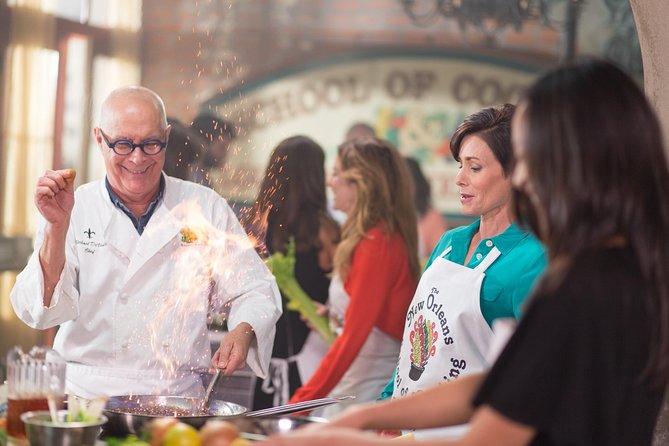
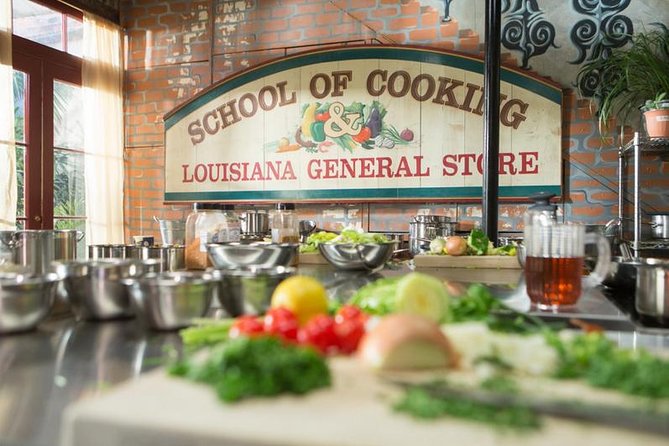
This experience is roughly 3 hours long, and it’s designed to feel like a full mini-day of New Orleans flavor without eating up your entire schedule. You’ll start at the New Orleans School of Cooking at 524 St Louis St, then head toward the French Quarter after the cooking portion. The timing is tight enough that you won’t waste hours wandering, but it’s not so rushed that the food suffers.
Here’s what makes the format work for most people: you’re not just learning ingredients and watching a demonstration. You are actively building the dinner. From chopping and seasoning to learning key steps (like getting the base right), the class keeps moving in a way that matches how real cooking happens—hands in, check, adjust, and then keep going.
One practical tip: go in hungry. The class includes a full meal, plus alcohol and soft drinks. Plan to skip lunch or you’ll struggle to fit dessert.
You can also read our reviews of more tours and experiences in New Orleans.



Stop 1 at the cooking school: small-group meals you build step by step
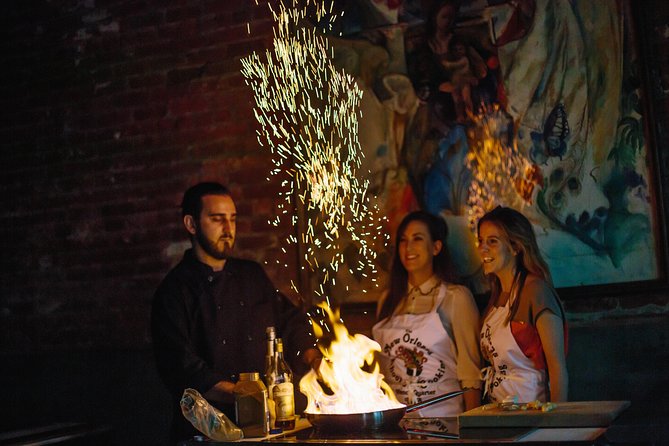
At the cooking school, you’ll be placed with a group capped at 10, using 5 cooktops. If you’re traveling solo, you may be paired with another person so you still have a full cooking setup. That matters because Louisiana cooking is step-heavy: you need a moment here, a stir there, a seasoning adjustment when things smell right, and a real understanding of timing.
You’ll work through a complete dinner flow. Expect a hands-on rhythm: cook, plate, taste, then move to the next part. The teaching style tends to be interactive and friendly, with chefs guiding you through both the what and the why. In classes like this, one of the best moments is often when you learn a technique that sounds intimidating—then you realize it’s repeatable with the right steps and attention.
Also, you’re learning in a context that feels local. A good part of the value is not only the recipes, but the way the chef explains how the region’s ingredients and influences shape the food you’re making.
The menu: what you’ll likely cook and taste
One big reason people rave about this class is the menu is classic New Orleans comfort food—familiar enough to love, different enough to feel like a real lesson.
Starter options can include:
- Yam-crab bisque
- Gumbo
For the main, you may cook:
- BBQ shrimp and grits
- Jambalaya
Dessert is typically one of these:
- Bananas Foster
- Pralines
Here’s how that helps you when you go home: you’re not leaving with one dish you can attempt next year. You get a starter-to-dessert set of Louisiana favorites, each with different skills. Gumbo or bisque teaches depth and balance. Grits or jambalaya builds confidence with savory foundations. Dessert like Bananas Foster or pralines gives you a sweet finish that doesn’t feel like an afterthought.
If you’re the kind of eater who wants your travel to taste like the place you’re in, this menu hits that goal fast.
Drinks and the pacing: included wine, beer, and why it matters
The meal isn’t just food-heavy. Price includes red or white wine, plus Abita Amber Beer, along with non-alcoholic options like iced tea, lemonade, and coffee. That sounds like a party perk, but it also affects the class in a practical way.
First, it smooths the experience if you’re not used to cooking classes. When you’re learning new techniques, it can feel intense for a few minutes. Having beverages included helps keep the mood steady, so you can focus on following steps instead of worrying about pacing or downtime.
Second, it pairs naturally with the food. New Orleans cuisine is built around flavor and comfort, and the included drinks slot into the meal the way they do in local dining. You don’t need to plan anything extra to make the experience feel complete.
Just keep in mind: the class is still a cooking session. You’ll be active, so drink at a normal pace and save your energy for the hands-on work.
Stop 2: the French Quarter moment after you cook
After the cooking portion, the experience ends back at the meeting point, with the French Quarter included as a stop. This is a smart pairing. Cooking gives you context for what you’re looking at later—street life, old buildings, and that strong New Orleans food culture that spills onto the sidewalks.
Even without a long walking day, you’ll feel like you’re transitioning from kitchen learning to real-world atmosphere. It’s also a good way to break the day up: cook and eat first, then get moving with a classic New Orleans backdrop while you’re still thinking about flavors.
What’s the drawback? If you expect a deep, long French Quarter tour, the time here may feel brief. This experience is mainly about the kitchen and meal. Treat the Quarter stop like a flavorful bonus, not your full sightseeing plan.






What you take home: recipes, apron, and a fun follow-up challenge
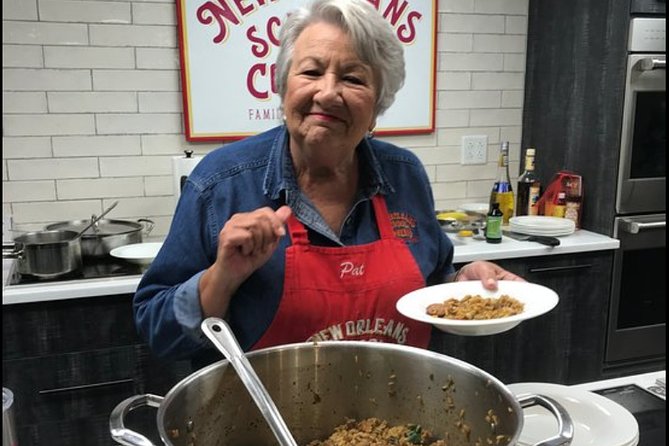
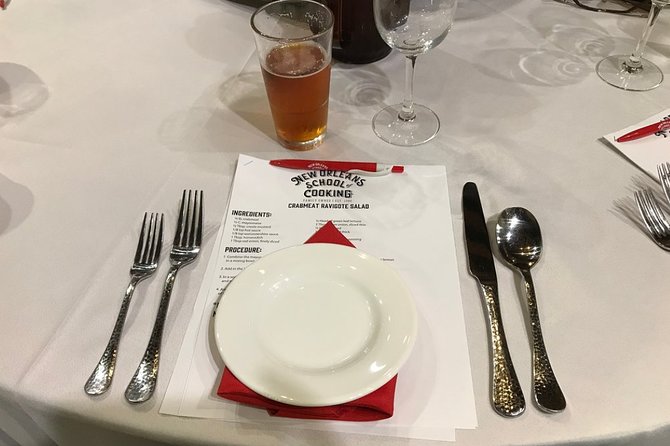
This is one of the rare classes where the takeaway feels practical, not symbolic. You’ll receive a copy of the class recipes and a New Orleans School of Cooking white apron (listed as an $18.99 value). That matters because Louisiana cooking is not always intuitive from memory—you need the specific ingredient list and steps to pull it off at home.
Then there’s the extra twist: you can receive a diploma by submitting photos of the recipes you make after the class. It’s a light motivator, but it works. If you’re the type who buys recipes and never cooks them, this kind of follow-up nudges you to actually try.
Also, having an apron is a small thing that makes the whole lesson more memorable. It turns the class into something you can repeat, which is where the real value lives.
Price and value: is $162 worth it?
At $162 per person for about 3 hours, this isn’t a budget activity. But when you break down what’s included, the price starts making sense.
What you’re paying for:
- A hands-on cooking class for small groups (up to 10)
- A full meal you help prepare
- Alcohol included (wine and Abita Amber Beer), plus coffee and non-alcoholic drinks
- A recipe collection you can use at home
- An apron you keep
If you’ve ever done a cooking class where the “meal” is a tiny tasting or you end up paying extra for drinks, this one feels more complete. You’re not just learning; you’re eating a full dinner that you actually made. That’s the part that turns the class into a real value win for many people—especially couples and small groups looking for a memorable food-centered outing.
One cost note to plan for: gratuities aren’t included, and a 15–20% tip is recommended. Also, special dietary requests can involve a $10 fee payable on site for accommodations due to dietary restrictions. So the true total depends on your needs, but you’ll know before you go.
Who this class suits best (and who may want something else)
This experience fits best if you want food education with real results. You’ll enjoy it if:
- you like hands-on activities
- you want classic Louisiana meals you can replicate
- you’re traveling as a couple, friends, or a small group and want a shared experience
- you want a break from nonstop sightseeing and prefer learning something practical
It can be less ideal if:
- you want a purely passive lesson or short demo style
- you’re sensitive to standing and cooking for extended stretches
- you have strict dietary needs and want guaranteed substitutions without any on-site discussion
The good news is the class is designed for beginners too. Clear instruction and a small group setup mean you don’t need advanced cooking skills to succeed. You just need to show up ready to participate.
Should you book this hands-on New Orleans cooking class?
I’d recommend booking if your top goal is to leave New Orleans with both a story and a set of recipes you’ll actually cook again. The combination of hands-on work, a full meal, and included drinks makes it feel like a complete experience, not a ticket to a snack.
Book it especially if you want Louisiana classics with confidence: gumbo or bisque, shrimp and grits or jambalaya, and a dessert like bananas foster or pralines. If you’re okay being active for a few hours, it’s a great use of time—more rewarding than many purely sightseeing-focused stops.
If you tell me your travel dates and what dishes you’re hoping to make, I can help you decide which version of the menu would suit your taste.
FAQ
How long is the cooking class?
It’s about 3 hours.
How much does it cost?
The price is $162.00 per person.
What is the group size limit?
The class is capped at a maximum of 10 travelers.
What food is included in the meal?
You cook and eat a full Louisiana meal, with options that can include yam-crab bisque or gumbo, BBQ shrimp and grits or jambalaya, and bananas foster or pralines.
Are drinks included?
Yes. The price includes red or white wine, Abita Amber Beer, and also non-alcoholic beverages like iced tea, lemonade, and coffee.
Is there an age limit?
The minimum age is 18.
What should I know about dietary restrictions?
You should advise dietary requirements at the time of booking. There is a $10 fee payable on site for special requests due to dietary restrictions.
Is cancellation free?
You can cancel for a full refund up to 24 hours in advance. After that point, the amount paid is not refundable.