REVIEW · BIG ISLAND OF HAWAII
Big Island: Pelagic Whale Watch Tour
Book on Viator →Operated by Hawaiian Adventures · Bookable on Viator
Kona’s whales can show up fast. This 3–4 hour pelagic outing from Honokohau Harbor pairs a captain with onboard marine naturalists who help you find and identify the wildlife, not just point at it. I like that the trip covers both calmer, nearshore waters and—when conditions allow—deeper offshore zones where you can run into rarer species. The boat setup also helps: plenty of seating, open viewing angles, and staff who keep safety front and center.
That said, marine wildlife is wild. Even with a strong search plan, you’re not buying a guaranteed sighting of specific animals.
In This Review
- Key things I’d pay attention to
- Pelagic Whale Watching in Kona: What This Trip Really Means
- The Boat Setup: Why Seating and Stability Matter
- Wildlife Hotspots: How the Nearshore Portion Plays Out
- The Pelagic Zone Advantage: Why Deep-Water Search Changes Your Odds
- Meet at Honokohau Area: Morning Timing and Getting Ready
- What You Learn on Board: The Naturalist Factor
- Comfort, Safety, and the Reality of the Sea
- Species Highlights: What You Might See in a Good Day
- Who This Tour Suits Best (and Who Should Think Twice)
- Price and Value: Is $129 Worth It?
- If You Should Book: My Quick Decision Guide
- FAQ
- How long is the Big Island Pelagic Whale Watch tour?
- What time and where do I meet for the tour?
- Is hotel pickup included?
- What’s included in the ticket price?
- What animals might you see?
- Is it suitable for kids?
Key things I’d pay attention to
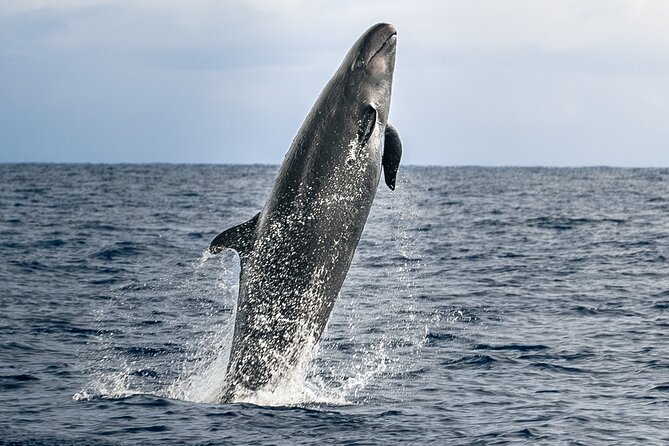
- Nearshore to pelagic search plan: you’re not limited to one type of water, so the odds for different species improve.
- Naturalist-led spotting and ID: expect behavior talk and practical species recognition, with guide names like Dennis, Olivia, and Andrew showing up in recent experiences.
- Comfort-focused catamaran: the 46-foot Artemis is designed for stability and better viewing from many angles.
- Year-round wildlife potential: you may see whales and dolphins in every season, with humpbacks especially during winter months.
- Included soft drinks and bottled water: a small thing that matters when you’re out for hours.
Pelagic Whale Watching in Kona: What This Trip Really Means
If you’re picturing a basic whale tour, this is a step more specific. The big value isn’t just that you’ll be on the ocean—it’s that the crew is set up to look in two different worlds.
First, there’s the nearshore zone. This is where calmer, coastal waters can bring humpbacks in winter months, plus spinner dolphins, bottlenose dolphins, manta rays, and flying fish. Then there’s the pelagic zone: deeper offshore water, thousands of feet down, where the search expands for pilot whales, beaked whales, sperm whales, spotted dolphins, and even the occasional whale shark. The key detail here is that the operation has US Coast Guard offshore certification, which helps them push beyond the usual “coast-only” limitations.
So when this tour goes well, you don’t just get one highlight species. You get a mix—dolphins chasing, whales surfacing, and sometimes sharks and other sea life threading through the same area.
You can also read our reviews of more tours and experiences in Big Island of Hawaii.
The Boat Setup: Why Seating and Stability Matter
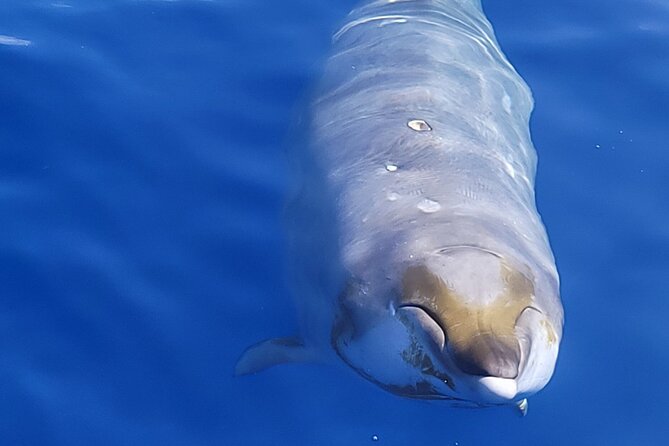
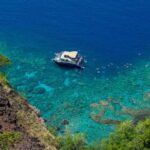
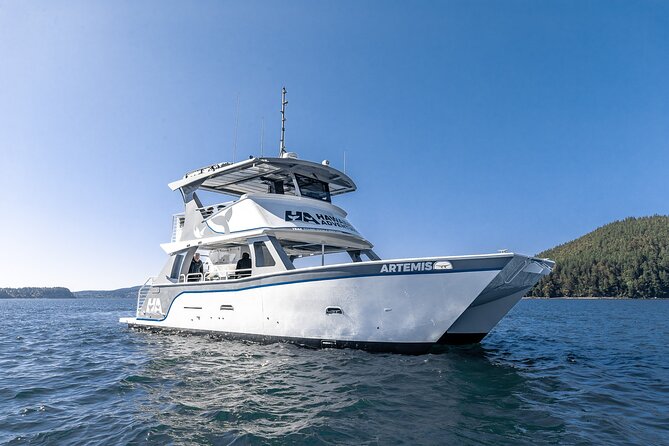
You’ll feel the difference between a “see-what-you-can” boat ride and one designed for wildlife viewing. This tour uses a 46-foot catamaran called Artemis, and the setup aims for three things: comfort, stability, and visibility.
From what you can expect on board:
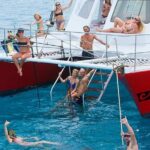
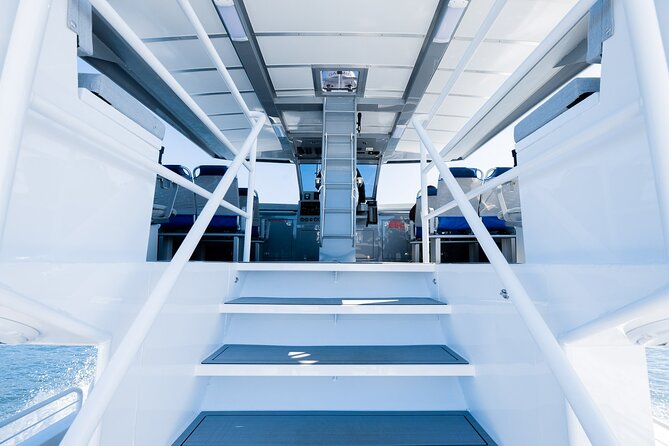
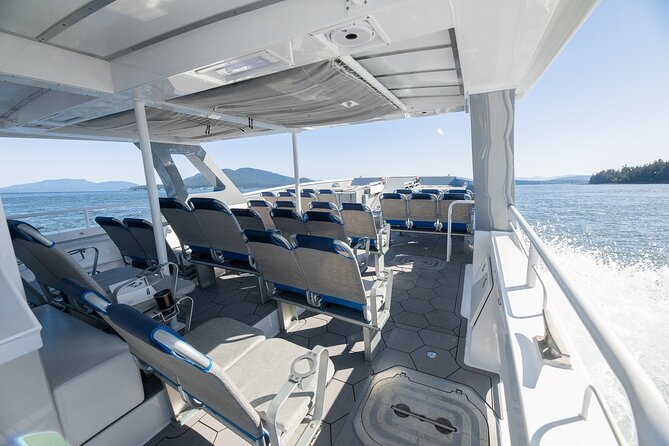
- You’ll have plenty of seating with padded areas.
- The boat’s open 360-degree-style viewing helps you keep sightlines even when animals surface in different directions.
- There are features like surround railings and handholds, plus soft foam flooring—small safety details that matter in real ocean conditions.
A catamaran also tends to handle swells smoothly. In plain terms: fewer clumsy movements, better balance, and a better chance of staying comfortable while the crew is searching for a pod or a breach. That comfort is not fluff. It changes how long you can actually pay attention without your body fighting you.
One practical note: if you’re prone to motion sickness, plan ahead. Multiple guides and crews in this company’s orbit are attentive to guests who feel it, and one review specifically recommends bringing motion-sickness help before you go. If you know your body, don’t wait until you’re already on the water.
Wildlife Hotspots: How the Nearshore Portion Plays Out
The tour’s logic starts close to where dolphins and whales often feed and travel. From Honokohau Harbor, the crew can work both nearshore and offshore, but the early part of the search is where you often get the first wins.
In nearshore conditions, you might see:
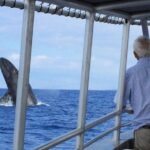
- Humpback whales during the winter season (when they’re on the move around the island)
- Spinner dolphins, known for energetic surface behavior
- Bottlenose dolphins
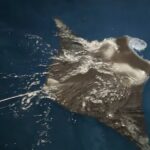
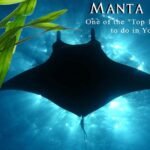
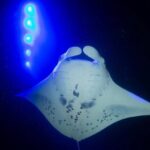
- Manta rays and flying fish
What I like about starting nearshore is that you can still have big moments even if the day isn’t perfect offshore. Sometimes you’ll get dolphin activity that’s close enough to watch the social behavior: fast turns, bow-riding energy, and quick surfacing that keeps you scanning.
And if humpbacks are in the area, this is also where you’re more likely to catch memorable actions. People have talked about behaviors like breaches, chin slaps, and watching whales pass close enough that you can actually see what they’re doing—not just catch a distant spout.
The Pelagic Zone Advantage: Why Deep-Water Search Changes Your Odds
Here’s the reason this tour stands out in value: it’s built to go beyond the easy range. Not every operator can confidently work the deeper pelagic zone. With the offshore certification, the crew can reach farther into thousands of feet of water, where different species show up and where you can get truly rare outcomes.
If the pelagic search clicks, your watch list expands to species like:
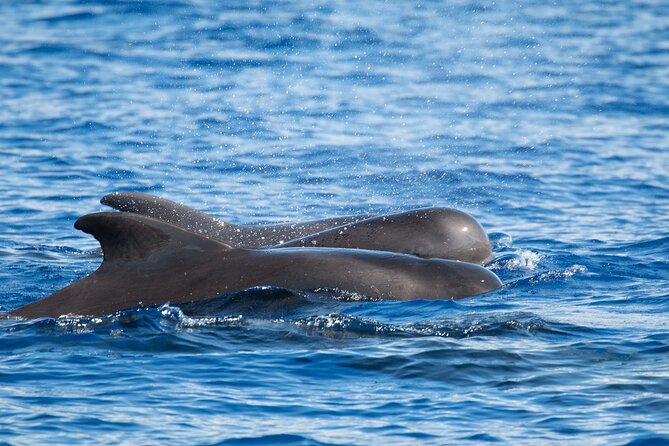
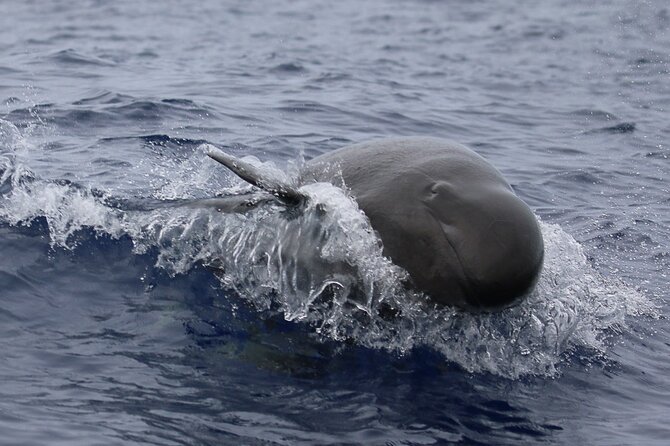
- Pilot whales (including short-finned pilot whales)
- Beaked whales
- Sperm whales
- Spotted dolphins
- Whale shark
Now, don’t read that as a promise. It’s a chance expansion. The ocean decides what’s nearby. But expanding the search range is how you go from “maybe dolphins” to “possible whale shark,” and how you avoid being stuck in one predictable habitat.
This is also where the naturalist element pays off. When you’re offshore, spotting depends on understanding what you’re looking for. A good guide helps you recognize surfacing patterns, understand behavior terms you’ll hear during the trip, and keep your eyes trained without burning out.
Meet at Honokohau Area: Morning Timing and Getting Ready
The tour departs from the Honokohau Harbor area, with your meeting point listed at 275 Kealakehe Pkwy, Kailua-Kona, HI 96740, and a start time of 8:30 am. The duration runs about 3–4 hours, depending on the day’s conditions and where wildlife is active.
There’s no hotel pickup or drop-off, so you’ll want to plan your ride to the meeting location yourself. The good news: the meeting point is noted as near public transportation, and you’re not stuck with a complicated back-and-forth schedule.
What to wear and pack (practical stuff):
- Bring a light layer. Ocean wind can feel cooler than you expect early in the day.
- Have sun protection ready even if the morning starts mild.
- If you get seasick easily, bring your prevention before boarding. You’ll be thankful later.


What You Learn on Board: The Naturalist Factor
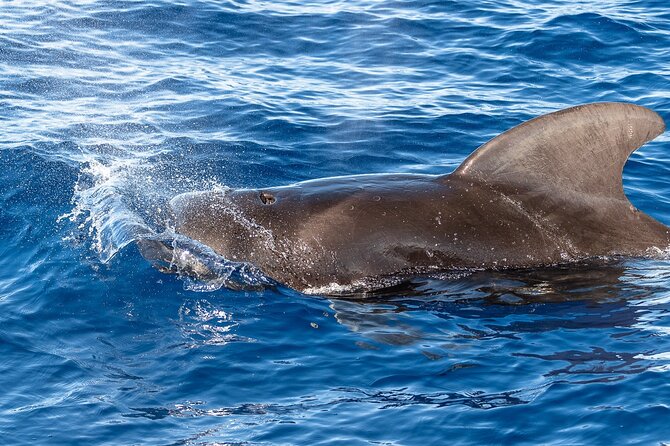
The most consistent “this was great” theme around this tour is the onboard interpretation. It’s not just spotting; it’s understanding.
You’ll hear explanations about whale and dolphin behavior, migration, feeding, and why these animals show up around Hawaii. People have mentioned learning terms and what they actually mean in real time—like breach, chin slaps, and watching how whales position themselves when they surface.
Names that have come up in recent experiences include Dennis, Olivia, and Captain Andrew. Even when the team changes, the style is similar: the captain focuses on safe navigation and searching, while the naturalists connect what you’re seeing to the bigger Kona ecosystem.
You may also get local context beyond whales, including talk about things along the coast such as fish farms and sea horse farm areas. That kind of background helps you see the shoreline as part of a working ecosystem, not just a backdrop.
If education matters to you—if you want to leave with “I know what that was” rather than “I saw something”—this is a strong fit.
Comfort, Safety, and the Reality of the Sea
This tour is built around comfort and safety, but it’s still an ocean ride. The ocean can be calm and it can also throw swells at you, depending on the day.
The good part: the boat is designed for wildlife viewing with padded seating, handholds, and stability that catamarans generally provide. Safety is also part of the staff’s role, not an afterthought.
The real-world catch is what you already know if you’ve sailed before: you can do everything right and still have a day where wildlife is quiet. That’s not a failure. It’s just how searching works when you’re watching living animals.
If you go in with flexibility—expect dolphins and whales when they’re there—you’ll enjoy the whole experience more.
Species Highlights: What You Might See in a Good Day
This is one of those tours where “what you see” can vary, but the possible lineup is broad. The tour can include more than a dozen whale and dolphin species in the right conditions, plus other marine wildlife.
Common “big moments” people report:
- Spinner dolphins with impressive leaps and bow-riding behavior
- Pilot whales with pods that feel like they’re moving with purpose
- Humpback whales in winter season with energetic surface action
- Oceanic white tip sharks sometimes appearing alongside whale or dolphin activity
- Occasional rare wildlife like whale sharks
There are also “bonus” sightings that can turn a great day into a memorable one: manta rays, flying fish schools, and additional shark species when the ocean puts them in your path.
And even when whales aren’t the star of the show, dolphins often steal the attention. If you’re drawn to motion—surface breaks, fast turns, and active groups—this tour delivers that energy more often than you’d expect.
Who This Tour Suits Best (and Who Should Think Twice)
This works best if:
- You want a guided, explanation-heavy wildlife trip, not a silent “spot and wait” cruise.
- You’re okay with the fact that the ocean sets the schedule for animal sightings.
- You value a boat experience that’s comfortable enough to stay focused for the full 3–4 hours.
It’s not right for everyone. The tour notes it’s not appropriate for children under age 10. If you’re traveling with younger kids, you’ll likely be better off choosing a different activity.
Also, if you’re extremely seasick-prone and haven’t handled it well on boats before, this is still an ocean ride. Bring prevention, plan your comfort, and choose seats strategically once you board.
Price and Value: Is $129 Worth It?
At $129 per person, you’re paying for two things that are harder to find together: guided pelagic-range searching and interpretation from an onboard naturalist team.
Here’s how I’d think about the value:
- Many tours stay nearshore and limit the search to one habitat. This one is designed to push farther offshore when conditions allow.
- Many tours show wildlife but don’t help you understand it. This one leans hard on identification and behavior education.
- The boat experience includes comfort, open viewing, and included cold drinks (soft drinks and bottled water).
The cost is also easier to justify if you’re the kind of traveler who wants to “get it right” once. A well-run search in the Kona zone can turn into multiple sightings—whales, dolphins, and even sharks—so the trip becomes more than a single highlight.
The one value warning is also the most honest: wildlife is not guaranteed. If your heart is set on a specific animal, you may feel disappointed on a quiet day. That doesn’t mean the tour wasn’t well run—it means nature didn’t cooperate.
If You Should Book: My Quick Decision Guide
I’d book this tour if you:
- Want the best shot at Kona’s year-round marine wildlife, not just a short coastal glance.
- Care about learning what you’re seeing, with naturalists who explain behavior in plain language.
- Like the idea of both nearshore and pelagic searching, increasing your odds of a wider species mix.
- Can handle a morning departure and a boat ride that may feel like the ocean.
I’d hesitate if you:
- Need a guaranteed dolphin or whale sighting no matter what. Even with a strong search plan, the ocean controls the outcome.
- Have a tough time with motion sickness and haven’t found a reliable way to manage it on boats.
For most people who come to Kona hoping for real wildlife encounters—plus a guide who makes it understandable—this is a strong choice.
FAQ
How long is the Big Island Pelagic Whale Watch tour?
The tour runs about 3 to 4 hours.
What time and where do I meet for the tour?
The start time is 8:30 am. The meeting point is listed at 275 Kealakehe Pkwy, Kailua-Kona, HI 96740, USA.
Is hotel pickup included?
No. Hotel pickup and drop-off are not included.
What’s included in the ticket price?
The included items are the whale watching tour, a professional crew, and cold drinks (soft drinks and bottled water).
What animals might you see?
The tour is designed to spot whales and dolphins, and it can include species seen in nearshore waters and the pelagic zone, such as pilot whales, beaked whales, sperm whales, spinner dolphins, bottlenose dolphins, and in some cases other marine wildlife like manta rays, flying fish, and whale sharks.
Is it suitable for kids?
It’s not appropriate for children under age 10. The service animals policy allows service animals.