REVIEW · BIG ISLAND OF HAWAII
Manta Ray Night Snorkel from Kona — Small Group
Book on Viator →Operated by C Big Island Tours · Bookable on Viator
Night snorkel season in Kona is special. Off Kailua-Kona, you swim at sunset-to-moonlight with manta rays feeding on plankton drawn by underwater lights. I like that the experience is run as a small group (max 16), so you’re not stuck watching from the boat while someone else gets the good moments.
I also love the guaranteed manta ray sightings or a free second outing, which takes the pressure off. The main drawback to consider is physical eligibility: you’re working in night water from a small boat, and there’s a strict 265 lb weight limit plus no pregnancy allowed, so think hard if getting in and out of the water is difficult for you.
In This Review
- Key points before you go
- Why manta rays show up close in Kona’s plankton lights
- Honokohau Harbor to the water: your small-boat start
- Garden Eel Cove / Manta Heaven: how the two stops shape your chances
- Gear, snacks, and what you must pack for a warm night ride
- Safety at night: what the crew does right and your personal limits
- Price and value: is $123 worth it on the Big Island?
- Final call: should you book this Kona manta ray night snorkel?
- FAQ
- How long is the manta ray night snorkel?
- Where do I meet for the Kona tour?
- What time should I arrive?
- What’s included in the tour price?
- Do I need to bring a towel or warm clothes?
- Is there a weight limit?
- What if I don’t see manta rays or the tour is canceled due to weather?
Key points before you go
- Small-group pace: max 16 people means faster water time and more hands-on help
- Night feeding setup: underwater lights attract plankton, and manta rays follow
- Gear included: wetsuit, snorkel gear, and flotation devices are provided
- Sightings promise: guaranteed manta rays or come back for free
- Comfort matters: bring a towel and warm clothes for the ride back
Why manta rays show up close in Kona’s plankton lights
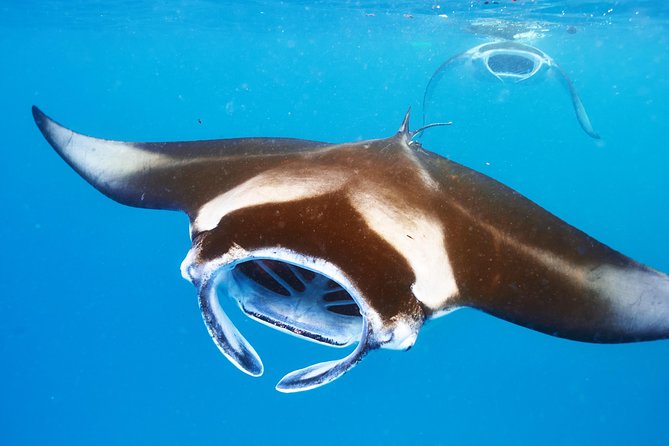
This is not a daytime “look for wildlife” snorkel. The whole magic here is timing and light. Manta rays are huge, calm, and famously curious, but what brings them within snorkel range is the food chain. Underwater lights pull in plankton, and the mantas glide through it like they own the night.
That’s why the timing matters so much. Sunset to moonlight gives the manta activity a better chance, and it also makes the experience feel more intimate. When the water darkens, you stop thinking about the ocean as scenery and start thinking about it as a feeding zone. It’s the kind of swim where you can focus on breathing, staying steady, and watching the shapes pass below you.
The other part I like is the attitude behind the operation. This isn’t framed as a fast checklist. People praise how the crew takes the time they need to maximize the conditions for manta feeding, which often means longer, more patient moments in the water instead of a quick in-and-out.
Bottom line: if you want the manta rays up close and not just in the distance, this “lights + plankton” approach is exactly the right way to bet on success.
You can also read our reviews of more tours and experiences in Big Island of Hawaii.
Honokohau Harbor to the water: your small-boat start
Your day starts with a real meeting point, not a vague “somewhere near the beach.” You’ll head to 74 Kealakehe Pkwy, Kailua-Kona, and you should arrive at least 15 minutes early. The exact spot for the harbor connection is shared about 24 hours before your tour, so keep an eye on your message and plan your drive with buffer time.
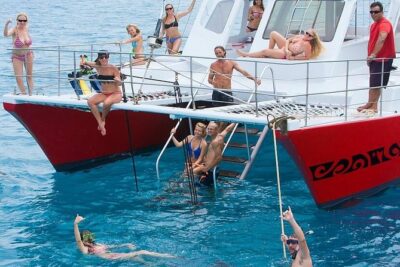
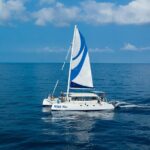
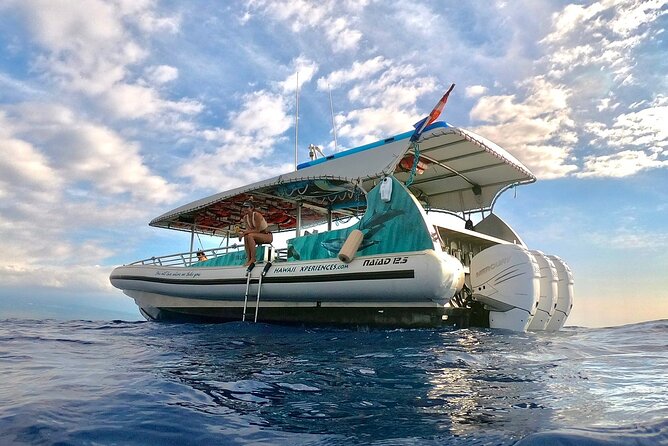
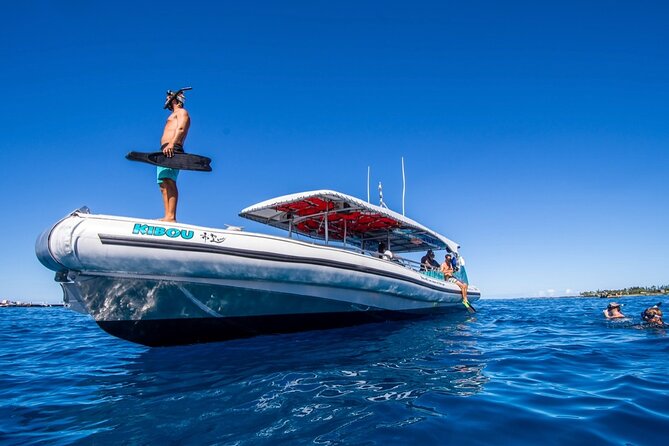
From there, you’re on a small-boat style outing. Reviews describe quick boarding and a platform-based setup, and you’ll get a safety briefing before you put on the wetsuit and gear. That matters at night, because everyone’s comfort level is different: even confident snorkelers can feel awkward at first when visibility drops and the water is cooler than expected.
One practical tip: treat this like a night swim, not like a beach hang. Give yourself time to get the mask on correctly, fit your wetsuit without rushing, and listen to the instructor’s briefing about where to position yourself. When crews are as safety-minded as the reviews suggest, they’re usually doing the boring basics well: spacing, flotation fit, and clear instructions.
And yes, the harbor-to-spot part is part of the mood. The trip out sets the stage, and the return ride can be a peaceful wind-down under the stars—especially if you get through the first few minutes without rushing your breathing.
Garden Eel Cove / Manta Heaven: how the two stops shape your chances
You’ll make stops labeled Garden Eel Cove / Manta Heaven more than once. That detail is a big deal. It signals that the crew isn’t just pointing at one spot and hoping for the best. Instead, they reposition and check conditions, which is exactly what you want when the whole show depends on plankton concentration and manta movement.
At the main snorkel areas, the pattern is typically:
- Underwater lights attract plankton
- Manta rays come in loops and circles
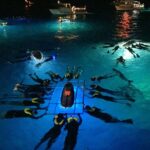
- You watch them pass inches to close-range while you float and snorkel
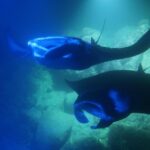
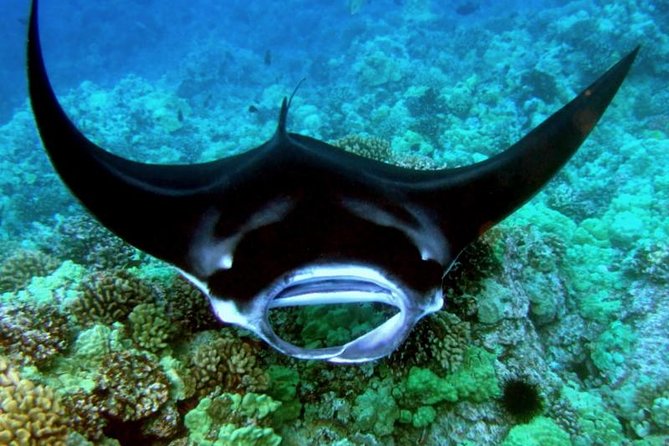
The manta behavior you’ll be hoping for is the kind people keep praising: swoops close to the group, turns and barrel-roll style flips under the surface, and repeated passes instead of a single quick sighting. When that happens, it feels less like “seeing animals” and more like watching a slow, graceful performance you can’t interrupt.
One thing to note: this is night snorkeling, so your best moments depend on your ability to stay calm and follow guidance. If you can control your breathing and maintain a relaxed float, you’ll usually get more out of the experience because you’ll stay in position when mantas pass.
Also, expect a “wait for it” rhythm. Even with strong sightings odds, manta rays don’t show up on a human schedule. The crew’s willingness to wait for feeding conditions is what turns a good tour into a memorable one.
If you’re lucky, you’ll see multiple manta rays feeding for a long stretch. Reviews mention multiple mantas and extended time in the feeding zone, which is exactly what you want from a tour that has a sightings guarantee.
Gear, snacks, and what you must pack for a warm night ride
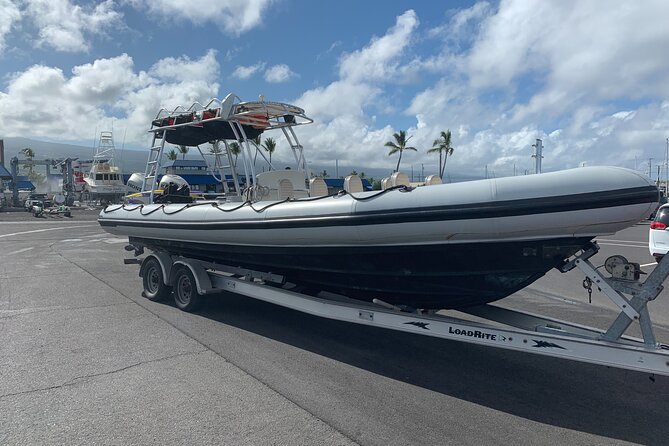
The included stuff is actually well chosen for this kind of activity. You get:
- Snorkel gear
- Flotation devices
- Wetsuits
- Light snacks plus drinks like island juices, soda, and bottled water
That combination helps in two ways. First, the wetsuit extends your time in cooler water without feeling like you have to exit early. Second, flotation reduces fatigue, and fatigue at night snorkel time is what turns “I’m fine” into “I’m done.”
What’s not included is just as important:
- Towel
- Warm clothes like a sweater or windbreaker
Bring those. Even if you feel okay in the water, the return ride can cool you down fast. You’ll also want warm layers that you can throw on quickly after you’re done snorkeling.
Other prep choices you control:
- Wear a swimsuit under your clothes so you’re not scrambling with wet gear
- If you’re sensitive to cold water, wear layers you can ditch before the water and put back on after
- If you tend to get motion sickness, plan ahead with what usually works for you
A small comfort note: reviews mention the crew helping people who weren’t feeling great and keeping the mood calm. Still, your best strategy is to arrive prepared, relaxed, and ready to follow the lead.
Safety at night: what the crew does right and your personal limits
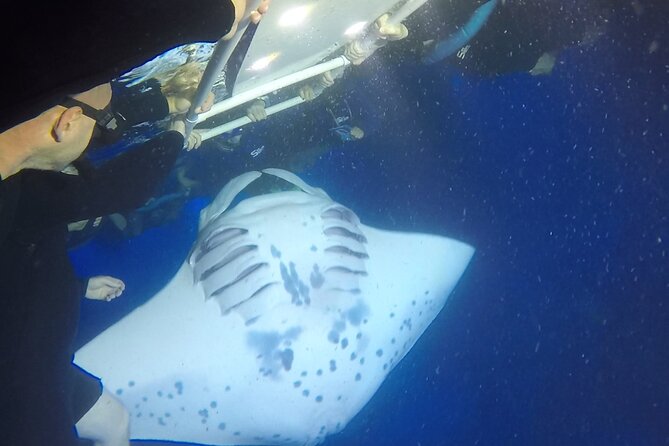
This is a guided snorkel with real water time. Before you get in, you’ll get a safety briefing, and once you’re suited up, the instructors guide you in the water. Reviews highlight that the staff is attentive and focused on safety, with a calm approach when someone needs extra help.
That’s especially valuable on a night tour. Low light can make the ocean feel bigger and harder than it is, and people can misjudge their comfort level. The more you stay within the crew’s instructions—pace, hand signals, where to look—the more likely you’ll enjoy the mantas instead of worrying about your breathing.
You should also know where the hard lines are:
- Weight restriction: 265 lbs
- Pregnancy: not permitted
- Kids: no children under 5
- Limited size: max 16 travelers
And here’s the real-world consideration: boarding and entering water from a boat can be the tricky part, not the snorkel itself. Reviews include one unhappy situation where a person was prevented from entering the water after arriving on-site. That’s a reminder to check your ability to get into and out of the water safely before you go. If there’s any doubt, ask questions early rather than hoping the day will magically work out.
Who it’s best for:
- Strong-to-comfortable swimmers who can snorkel calmly
- People who want close, repeated manta passes
- Families with older kids who can follow instructions and stay relaxed
Who should think twice:
- Anyone who struggles with entry/exit from water or has major mobility constraints
- Anyone not allowed by the rules above (weight limit, pregnancy, age)


Price and value: is $123 worth it on the Big Island?
At $123 per person for about 2 hours, you’re paying for three things that most DIY options don’t provide: a guided night setup, the gear, and the odds management that helps mantas show up.
Here’s the value math I’d use:
- You don’t have to rent wetsuit/snorkel gear. It’s included.
- You get flotation devices, plus staff-led safety and positioning.
- You get snacks and drinks, which matters when you’re spending the whole evening on the water.
- Most importantly, there’s a guaranteed manta ray sighting or a complimentary second outing if you don’t see them.
That guarantee shifts the risk away from you. Night wildlife can’t be controlled like a museum visit, but a free return is a real way to balance uncertainty.
Small group also affects value. Max 16 travelers means more attention per person and less waiting. Reviews repeatedly point to that feeling of personal, un-rushed time, with guides and captains taking time to maximize manta feeding conditions instead of cutting the tour short.
So yes, $123 is not a bargain. But when you price in gear, guidance, snacks, and the return-sighting promise, it becomes a practical value for a once-a-year (or once-in-a-trip) night manta swim.
Final call: should you book this Kona manta ray night snorkel?
Book it if you want the mantas close, you like guided safety, and you can handle a cool night in a wetsuit with snorkeling gear. This is a strong choice for families with kids old enough to follow directions, couples, and anyone who’s excited by the idea of manta rays feeding under lights—not just “maybe we’ll see something.”
Skip or research carefully if entry and exit from the water is a challenge for you. The weight limit and pregnancy restriction are clear, and the boat-to-water transition is a real factor in how enjoyable the experience will be.
If you go, pack the basics you’ll need for comfort: towel and warm clothes for after. Then show up early, listen closely to the safety briefing, and give your body a chance to settle into the float. When you do that, you’re set up for the moment people remember: those enormous, gentle mantas looping beneath you like they’re putting on a show just for your group.
FAQ
How long is the manta ray night snorkel?
The tour runs about 2 hours (approx.).
Where do I meet for the Kona tour?
You meet at 74 Kealakehe Pkwy, Kailua-Kona, HI 96740, USA. The activity ends back at the meeting point.
What time should I arrive?
Plan to arrive at least 15 minutes before the departure time.
What’s included in the tour price?
Snacks and refreshments (including island juices, soda, and bottled water), snorkel gear, flotation devices, and wetsuits are included.
Do I need to bring a towel or warm clothes?
Yes. A towel and warm clothes like a sweater or windbreaker are not included, and it can get chilly on the return ride.
Is there a weight limit?
Yes. The weight restriction is 265 lbs.
What if I don’t see manta rays or the tour is canceled due to weather?
If you don’t see a manta ray, you’ll get a complimentary second outing. If the tour is canceled due to poor weather, you’ll be offered a different date or a full refund.