REVIEW · BIG ISLAND OF HAWAII
Whale Watching On The Big Island
Book on Viator →Operated by Hang Loose Boat Tours · Bookable on Viator
Hydrophone whale songs are the star. On Hawaii’s Big Island, this 2.5-hour catamaran whale watch tracks migrating humpbacks in prime season, and hydrophones let you hear their singing under the waves. You’re also with a guide who talks through what you’re seeing, so the whole trip feels purposeful, not random ocean time.
I love the whale-sighting guarantee. If they don’t spot whales on your trip, you get the next one free. I also love that you’re out on a smaller catamaran feel, with snacks and bottled water already handled.
The one thing to consider is ride comfort. Reviews point to choppy water sometimes, so if you get seasick easily, plan for that.
In This Review
- Key things to know before you go
- Whale Season on Big Island: Why Timing Matters for Humpback Breaches
- Hydrophones and Narration: Hearing Whale Singing Up Close
- The Catamaran Ride: Comfort, Restroom, and Group Size on the Water
- The Route That Gets You on the Right Water: Honokohau to Hang Loose
- What You’ll Actually See: Breaches, Tail Slaps, and Dolphin Bonuses
- Snacks, Bottled Water, and the Little Details That Make It Easier
- Price and Value: What $98.10 Buys You on a Whale Watch
- Who This Tour Fits Best (and Who Should Think Twice)
- Practical Tips Before You Step Onboard
- Should You Book This Whale Watch on the Big Island?
- FAQ
- How long is the whale watching tour?
- Where do I meet, and where does the tour end?
- Is food or water included?
- Can I hear whale singing during the tour?
- What if the tour doesn’t see whales?
- What are the main weather and cancellation rules?
Key things to know before you go
- Hydrophones: hear whale singing, not just see it
- Sighting guarantee: whale-free means your next trip is free
- Small-group vibe: up to 48 travelers on board
- Prime whale season: humpbacks often breach as they build energy
- Kona-area cruising: route includes Honokohau Marina and returns to Hang Loose
- You’re fueled up: bottled water plus light refreshments and snacks
Whale Season on Big Island: Why Timing Matters for Humpback Breaches
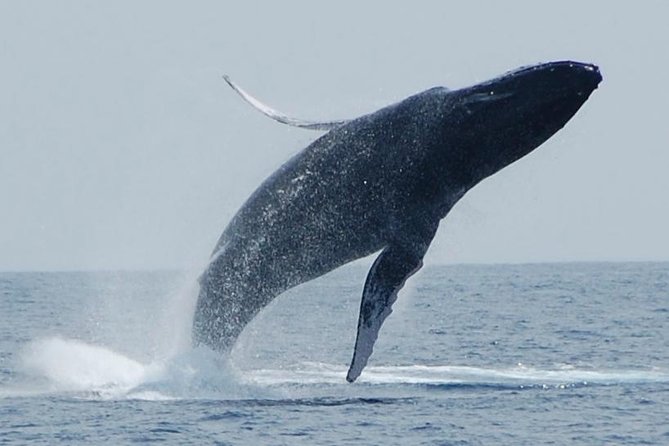
Big Island sits in the middle of humpback whale migration routes, and during the northward journey you can catch some truly active behavior. This tour is built around that prime breaching season, when humpbacks often surface hard, slap their tails, and blow spouts that you can spot even before they get close.
What I like about this setup is that it doesn’t treat whales as a vague hope. It gives you a structured, narrated hunt for the right viewing conditions, with crew and captain focused on finding activity. That’s especially valuable because humpbacks aren’t stationary. They move, and good spotting plus smart positioning makes a difference.
If you’re flexible, going during the best months pays off. If you’re not, you’re still getting a whale-focused experience with a guarantee that helps take the sting out of an off day.
You can also read our reviews of more tours and experiences in Big Island of Hawaii.

Hydrophones and Narration: Hearing Whale Singing Up Close
Seeing a breach is great. Hearing the whales is the extra wow factor. This tour provides hydrophones, so you can pick up whale vocalizations through the equipment while you’re on the water. It turns the ride into a two-sense experience: eyes watch the surface activity, and ears catch what’s happening beneath.
The narration is part of that package too. You’ll have an expert guide with commentary in English (and it may be handled by a multi-lingual guide depending on operations). The result is that you’re not just counting sightings. You’re learning what the sounds might mean and what behavior to look for next.
From the names that show up in real life operations, captains and guides like Bryce and guides like Aiden have been highlighted for keeping the mood upbeat while still explaining what’s going on out there. Even if the exact speaker changes, the format stays whale-focused.
The Catamaran Ride: Comfort, Restroom, and Group Size on the Water
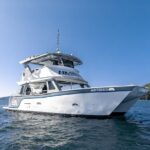
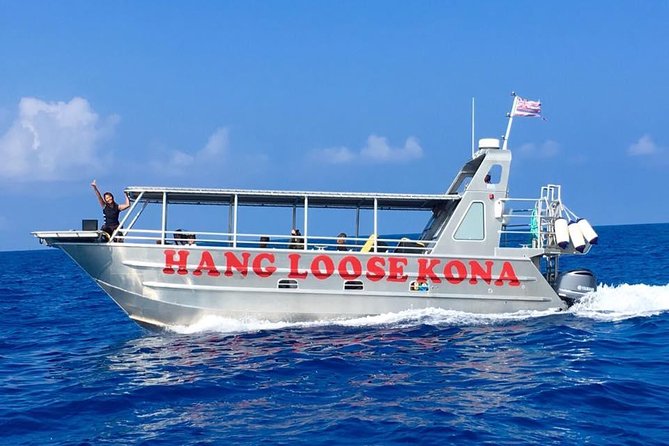
This is a modern, passenger-powered catamaran designed for open-ocean conditions, with seating that helps you relax instead of constantly adjusting your stance. The trip is about 2.5 hours, which hits a sweet spot: long enough for real searching, not so long that you’re cooked by the sea.
You also get a restroom onboard, which matters more than people think on a 2.5-hour boat outing. You’re not stuck doing the “I’ll just wait” game when nature calls.
Group size stays reasonable. The tour has a maximum of 48 travelers, and multiple accounts describe the smaller-boat feel as a big part of the enjoyment. That size helps with attention, movement around the boat, and getting decent sight lines when whales surface.
One practical note: water conditions can turn rough. If you’re prone to motion sickness, take precautions before you board. That choppiness shows up in some accounts as a rollercoaster feeling during return.
The Route That Gets You on the Right Water: Honokohau to Hang Loose
Your tour is structured around a cruising route that includes Honokohau Marina & Small Boat Harbor and then returns you back to Hang Loose Boat Tours. In plain terms: you meet at Hang Loose, you head out into the whale areas from there, and you come back to the same meeting point at the end.
Why this matters for you is simple. Whale watching is partly science, partly timing, and partly where the boat is when the whales decide to show up. The fact that the plan includes Honokohau puts you near a logical launch point for Kona whale activity without making the schedule feel overly complicated.
Also, the tour ends back where you start. That removes one of the usual headaches on island tours. You won’t be coordinating multiple transfers or trying to guess where you’ll be dropped off.
If you’re touring alongside other plans, aim to keep your afternoon flexible. One account even called out how tight timing worked out when they coordinated with the captain ahead of time.
What You’ll Actually See: Breaches, Tail Slaps, and Dolphin Bonuses
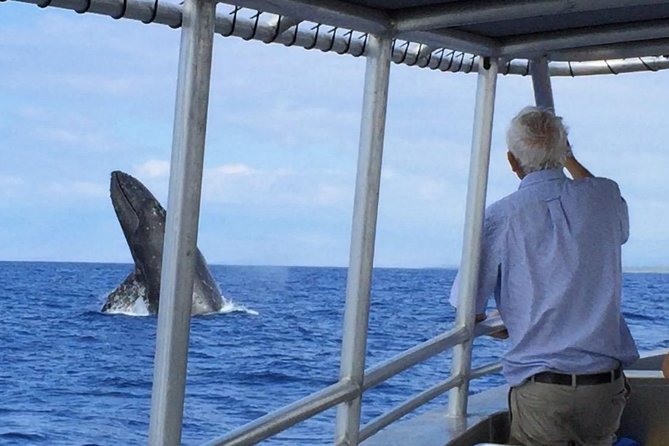
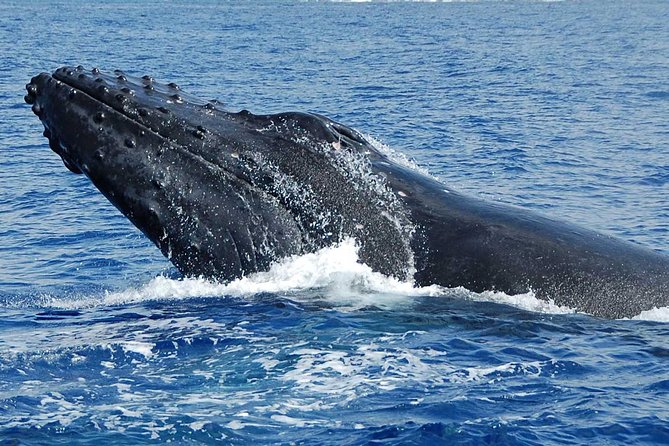
This is humpback whale country, so you’re primarily hunting for humpbacks. The good news: the whales can put on a show. Expect behavior like breaching (jumping out of the water), spouts (blowing near the surface), and tail slapping. Some trips also include whales staying close by for a meaningful stretch of time when the pod is active.
When the action hits, it’s not just one quick look. Accounts describe sticking with active whales for around 30 to 45 minutes at times, including moments where a mom and calf pair showed well from the boat. That’s the kind of difference you want: not “we saw something far away,” but “we stayed with a pod long enough to really watch.”
You might also get extras. Spinner dolphins frequently appear alongside whale sightings, and there are mentions of tuna as well. Dolphin sightings matter because they often pop up quickly and add variety when whale behavior is slow at first.
Also, keep your expectations grounded. Even in whale season, animals aren’t guaranteed. That’s where the tour’s whale-sighting guarantee is huge for peace of mind.



Snacks, Bottled Water, and the Little Details That Make It Easier
This is one of those tours where small comforts add up. Bottled water and light refreshments plus snacks are included, so you don’t have to pack for your ocean time. That means you can focus on watching rather than juggling food and drinks on a moving boat.
Bring a camera if you like photos and video, but also bring a backup plan for stability. A choppy ride can make it hard to hold a steady shot. If you want sharper views, consider bringing your own binoculars. One note specifically suggests binoculars would be nice, and it’s a reasonable move if you like to zoom in on surface activity.
For many people, the best part is how the crew keeps things moving without rushing. Even when the sea gets rough, a helpful crew can make the ride feel safer and less stressful. There are accounts praising crew members for checking on passenger comfort and assisting quickly when someone slipped.
Price and Value: What $98.10 Buys You on a Whale Watch
At $98.10 per person, you’re paying for more than a ride. You’re paying for time on the water during prime whale activity, narration, hydrophones, and a crew that actively hunts for good sightings.
The value math is strongest when whales behave well. When you get multiple sightings—sometimes described as numerous humpbacks—and active behaviors like breaches and tail slaps, the experience feels like a full event. Add in dolphin sightings and the included hydrophones, and the price starts to look reasonable compared with typical “see a boat, hope for a whale” outings.
Then there’s the sighting guarantee, which is what protects your wallet if the ocean is not cooperating. If your trip is whale-free, the next trip is free. That turns a wild-nature gamble into a lower-risk plan.
Also, snacks and bottled water are included. That’s not glamorous, but it keeps you from spending extra on a boat day when prices can spike. For families, the included kid-friendly snack factor can be a real win.
Who This Tour Fits Best (and Who Should Think Twice)
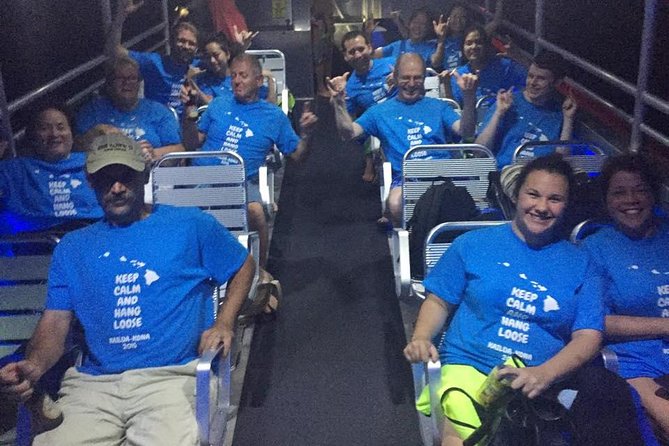
This works well for families, couples, and anyone who wants a straightforward, whale-first outing. Multiple accounts describe it as a great family activity, including for kids around school age. The combination of snacks, narration, and the “keep searching” style helps keep attention even when whales aren’t immediately visible.
It also suits people who like marine education without a heavy lecture. The guide commentary is built into the trip, and hydrophones add a cool layer of understanding.
A key caution: not recommended for pregnant women in advanced pregnancy. That’s a safety-based recommendation you should take seriously, especially on open-ocean water that can get choppy.
If you get motion sickness, don’t ignore that. Choppy conditions show up in some accounts, including descriptions of the return ride feeling like a rollercoaster.
Practical Tips Before You Step Onboard
First, book ahead. This tour averages being booked about 19 days in advance, which is a sign it’s popular in whale season. If your dates are fixed, earlier booking gives you better options.
Next, pack for a boat day, not just a beach day. Even in Hawaii, you can feel cooler on open water. Bring layers and plan for sun exposure too.
For comfort:
- If you’re sensitive to motion, bring your motion-sickness plan before boarding.
- Consider bringing binoculars if you want closer detail.
- Wear shoes with grip since boats can be slick.
Finally, show up early enough to feel calm. Meet at the Hang Loose Boat Tours location in Kailua-Kona, and give yourself time to find your way and get settled before the departure.
Should You Book This Whale Watch on the Big Island?
Yes, you should book this tour if you want a whale-focused catamaran ride with built-in learning and a way to lower risk. The hydrophones plus narration turn whale watching into more than just spotting. And the whale-sighting guarantee is the big reason this feels like a smart value, especially if you’re only in Kona for a short time.
Skip it or choose carefully if you know you’re sensitive to rough water. Open-ocean conditions can get bouncy, and that’s part of the deal on a whale watch. Also take the pregnancy recommendation seriously.
If your goal is humpback whales in prime season, plus a good shot at real activity—breaches, tail slaps, and sometimes dolphins—this is a solid pick. It’s not a long, exhausting day. It’s a focused, fun window on Big Island’s marine world, with the crew working hard to get you the best view possible.
FAQ
How long is the whale watching tour?
The tour runs for about 2 hours 30 minutes.
Where do I meet, and where does the tour end?
You start at Hang Loose Boat Tours, 74-381 Kealakehe Pkwy, Kailua-Kona, HI 96740, USA, and the activity ends back at the same meeting point.
Is food or water included?
Yes. Bottled water and light refreshments with snacks are included.
Can I hear whale singing during the tour?
Yes. The tour provides hydrophones so you can listen to whales singing.
What if the tour doesn’t see whales?
There is a whale-sighting guarantee. If they don’t spot whales, the next trip is free.
What are the main weather and cancellation rules?
The experience requires good weather. If it’s canceled due to poor weather, you’ll be offered a different date or a full refund. You can cancel up to 24 hours in advance for a full refund.